Lacrima: an aromatic red native to the Marches of central Italy

Lacrima wine is one of Italy's most aromatic red grapes, producing deep-coloured, violet-scented wines in the Marches region. The producers below grow and bottle it directly from their estates.

Intensely perfumed, soft-tannined, and grown almost nowhere else in the world.

Color

Dropdown arrow

Type

Dropdown arrow

Country

Dropdown arrow

Region

Dropdown arrow

Grape

Dropdown arrow

Pairing

Dropdown arrow

Sort by

Sort arrow
Lacrima

Lacrima wines

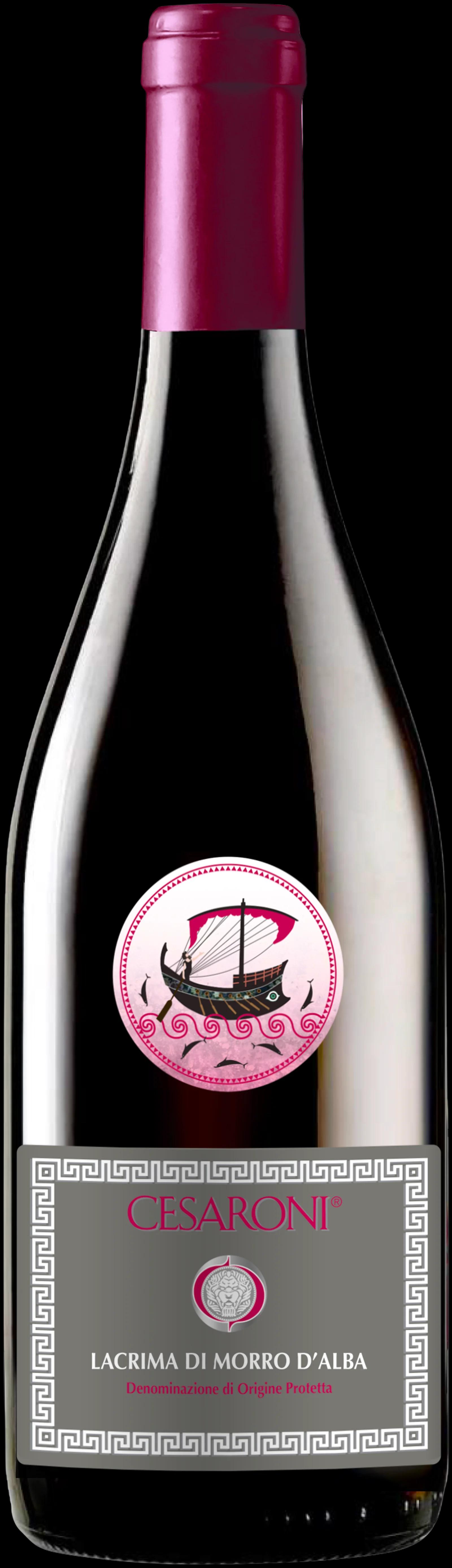
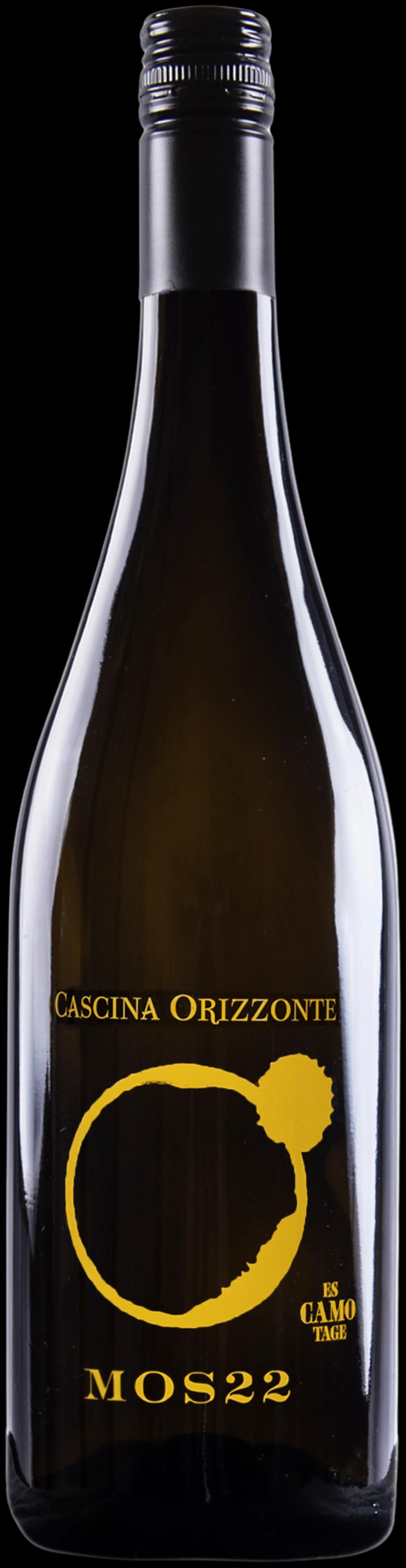
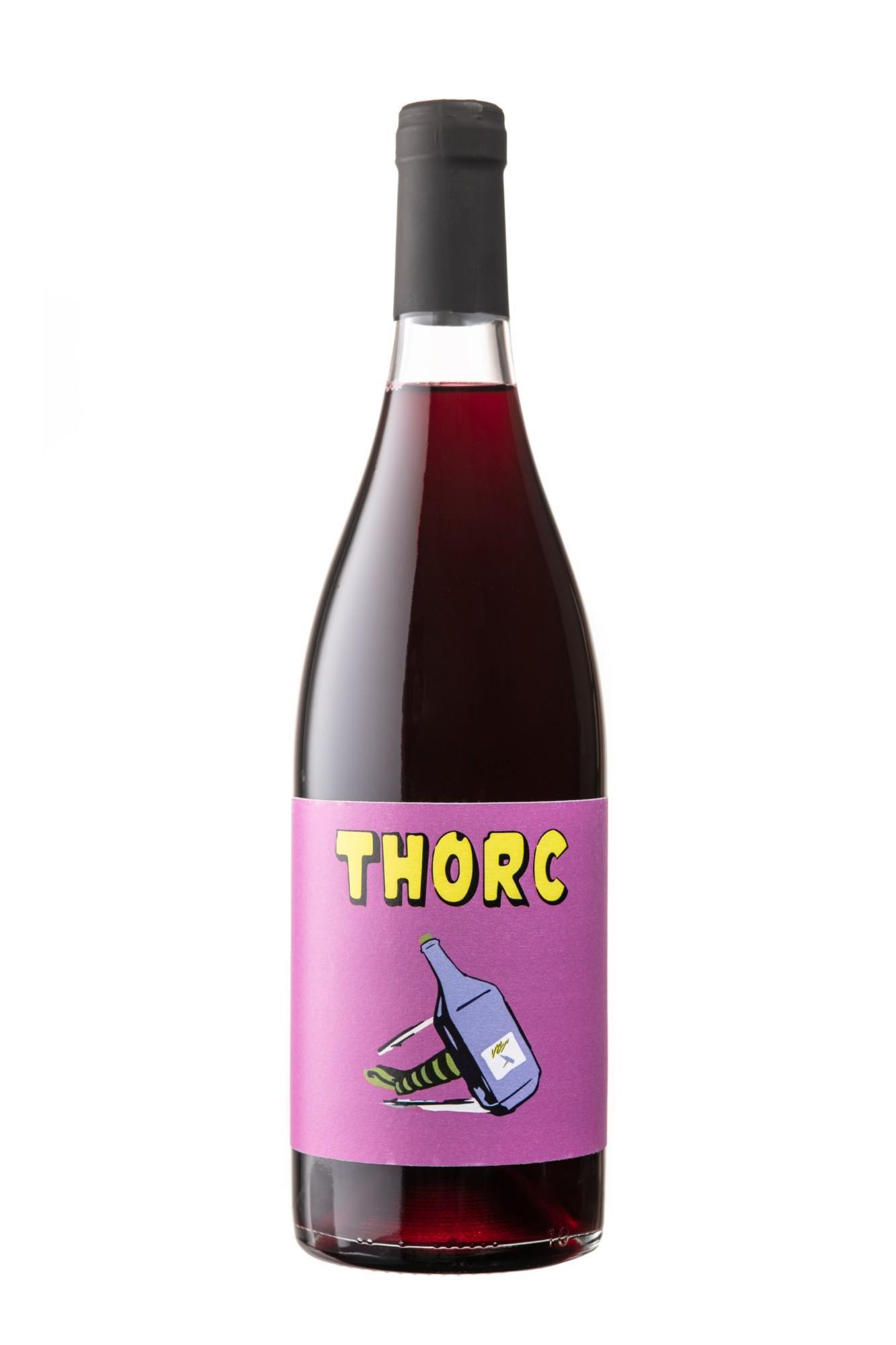
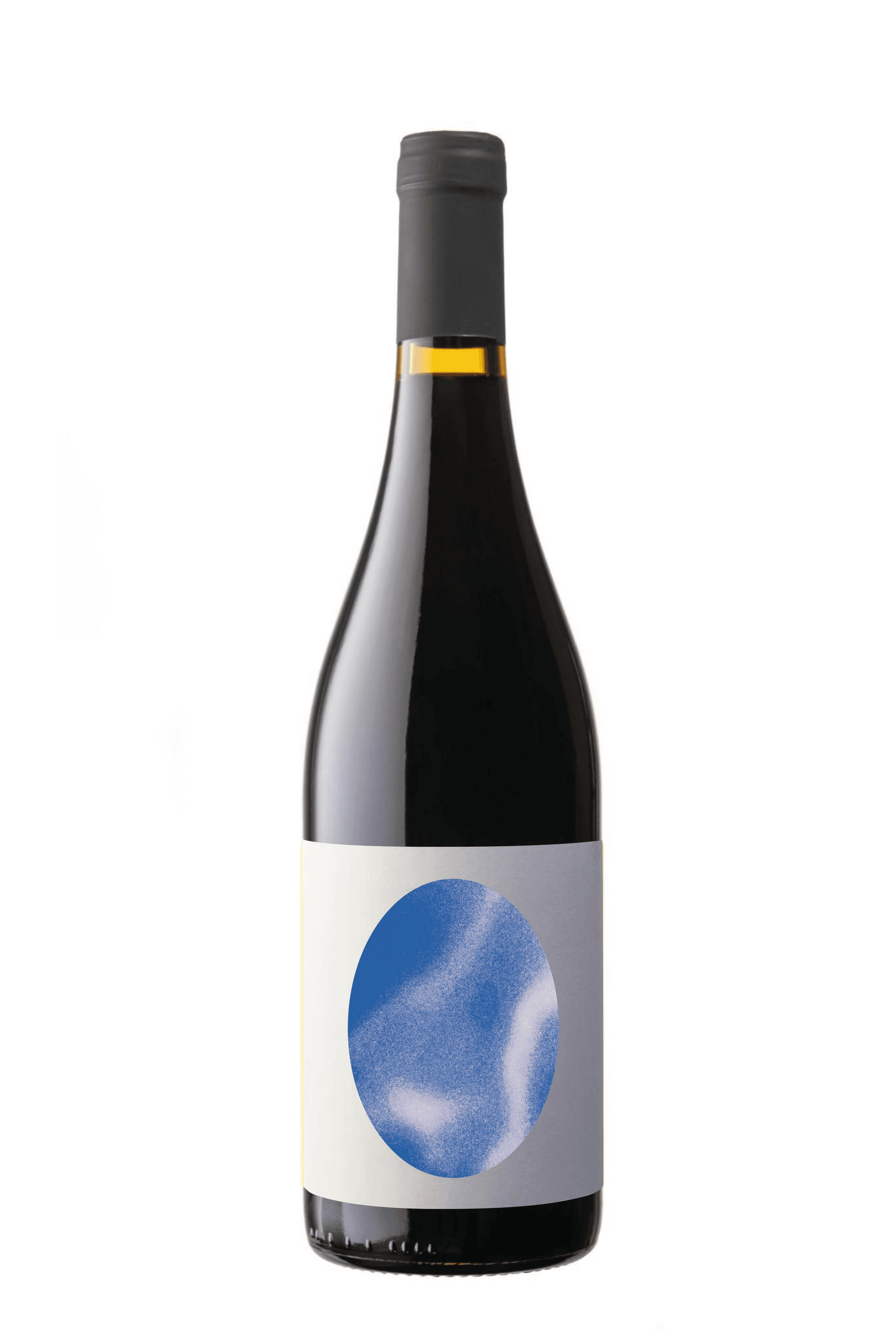
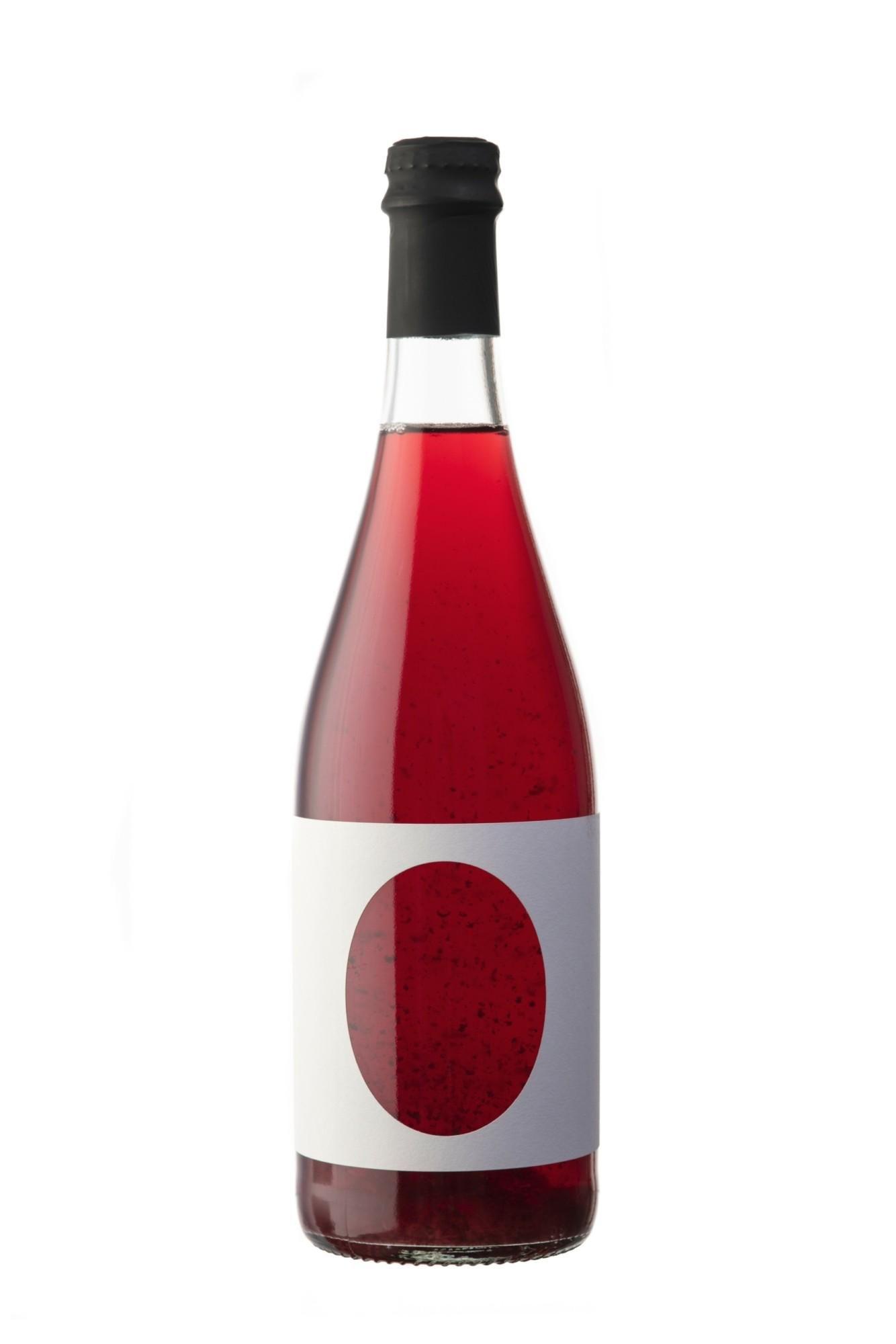
Lacrima di Morro d'Alba is the appellation that put this grape on the map — a small DOC in the province of Ancona, in the Marches, where the variety has been grown for centuries. The name is said to refer to the way ripe berries split and 'weep' juice on the vine. What arrives in the glass is unmistakable: deep purple, loaded with violet and rose petal, soft on the tannin and quick to drink. On Free Grape Society, each bottle ships directly from the grower's own cellar, with no importer or warehouse between producer and buyer.

1 of 1 wine

Previous1 of 1Next

Lacrima wine cases

A Lacrima wine case is the producer's own selection of six bottles, put together as the recommendation they would make if you visited them in the Marches. Because the grape is grown by only a handful of estates, a mixed case is often the best way to understand the range — from the grape's lighter, more floral style to the richer, barrel-aged versions some producers make. Free Grape Society is a society of producers, independent experts and wine lovers, not a shop.

View all mixboxes

Wineries

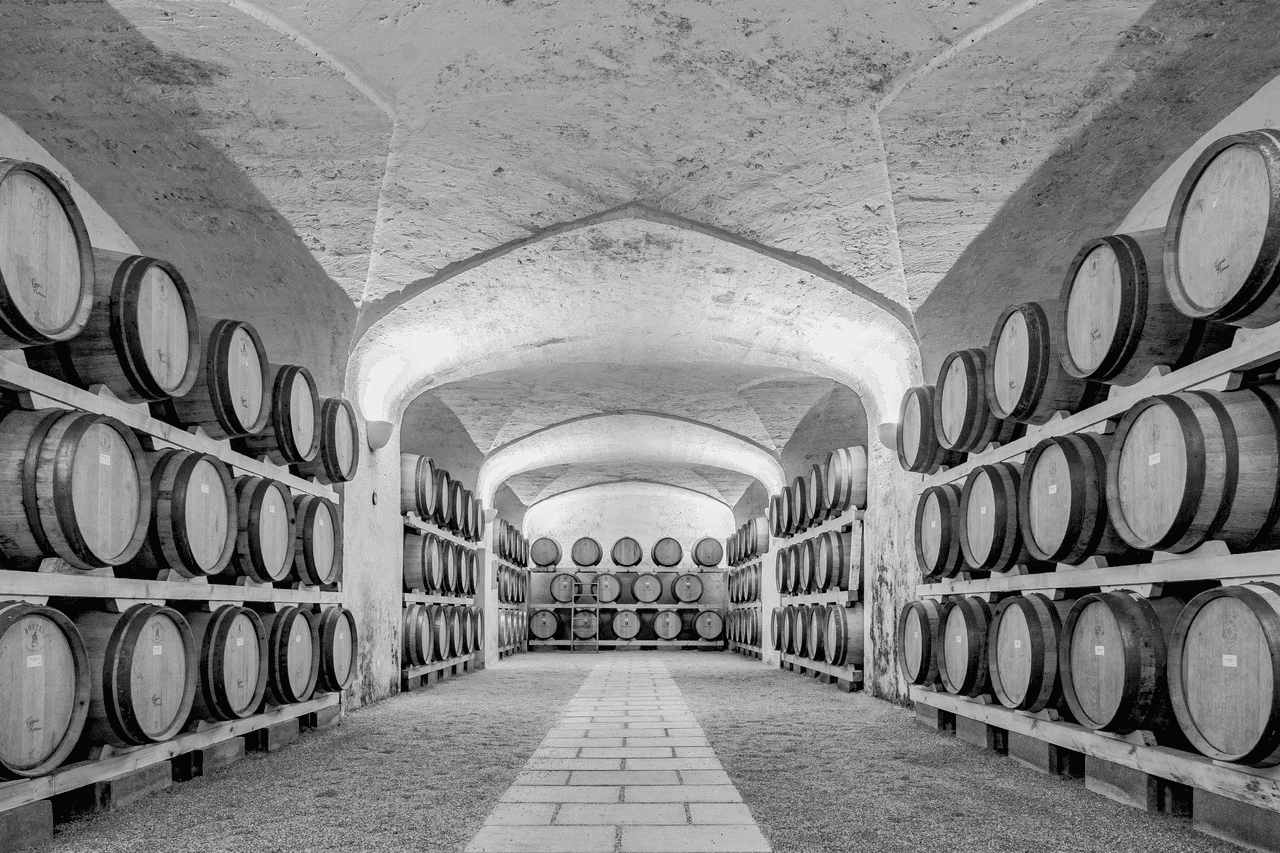
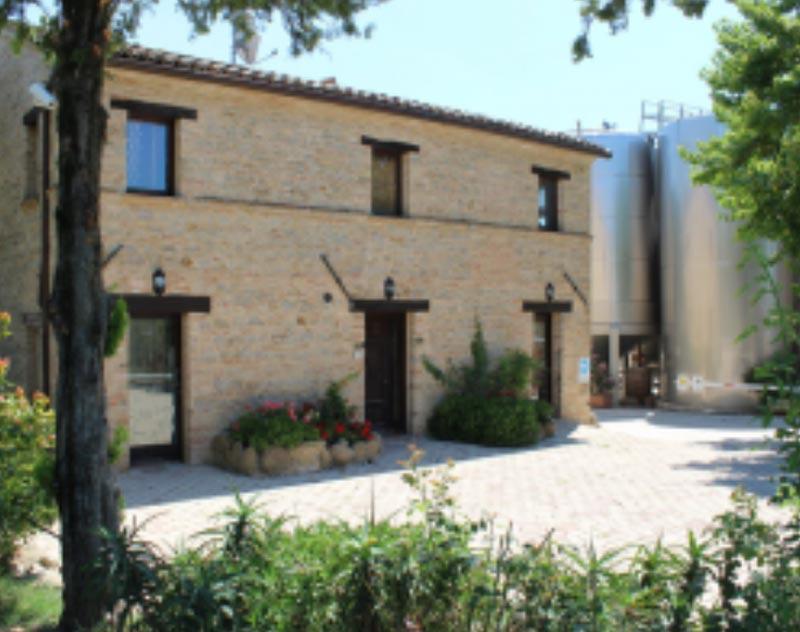
The wineries below are among the small number of estates that grow Lacrima seriously. Most are family-run, concentrated in and around Morro d'Alba, and produce wines that rarely leave the region through conventional distribution channels. Reading each producer's own notes is the fastest way to understand their approach — and the wine-advice service is there if you would like a recommendation before choosing.

View all wineries

Wine experts

Lacrima's intensity makes it a grape that rewards a second opinion. Independent wine experts review wines they have personally tasted, and those reviews appear on each wine page and on the expert's own profile. Several of the experts below have reviewed Lacrima wines featured on this page, so you can read what they thought before deciding.

View all wine experts

Frequently asked questions

How do I order Lacrima wine on Free Grape Society?

Browse the Lacrima wines listed on this page, add bottles to your cart, and pay by card or Klarna. Each bottle ships directly from the producer's cellar in the Marches. Delivery typically takes 8–9 days on average, within a 4–14 day range depending on where you are.

What happens if a bottle arrives broken or doesn't taste right?

Send a photo to Free Grape Society customer support within 7 days of delivery. We will arrange a replacement or a refund. Because producers ship directly, quality issues are handled with the producer's direct involvement. Shared responsibility is built into how FGS works.

Can I order Lacrima from more than one producer in the same order?

Yes. You can add bottles from different producers to the same cart. Each producer ships their wines separately from their own cellar, so you may receive more than one delivery. There are no minimum order quantities.

How long does delivery take?

Average delivery is 8 to 9 days from order to door. The full range is 4 to 14 days depending on the producer's location and your delivery address. Wines ship directly from the producer's cellar, not from a central warehouse.

How do I choose between the different Lacrima wines on this page?

Lacrima ranges from light, floral, and early-drinking to richer, barrel-aged styles. Producer notes on each wine page explain the approach. If you are unsure, the wine-advice service connects you with an independent expert who can point you toward the right bottle for what you are looking for.

How many producers grow Lacrima on Free Grape Society?

Lacrima is a rare variety grown almost exclusively in a small area around Morro d'Alba in the Marches. The number of producers on Free Grape Society reflects how concentrated the grape's cultivation is — see the wineries section on this page for the full list currently available.

Which Lacrima wine expert can recommend something for me?

The independent wine experts on this page have reviewed wines they have personally tasted, including Lacrima wines from the Marches. Browse their profiles to read their notes, or use the wine-advice service to ask a question directly and get a personal recommendation.

Why don't you sell supermarket-brand Lacrima wines?

Free Grape Society works only with independent producers who grow, make, and bottle their own wine. Lacrima is a niche variety with minimal supermarket presence to begin with — the wines on this page come from the small number of family estates in the Marches who take the grape seriously, not from bulk producers or large négociants.

Can I find Lacrima wine in shops outside Italy?

Rarely. Lacrima di Morro d'Alba is produced in such small quantities that most of it is consumed locally in the Marches or sold direct. Standard import and distribution channels do not carry it widely, which is why buying directly from the producer is often the only way to access it outside the region.

Where Lacrima comes from and what makes it unusual

Lacrima di Morro d'Alba is one of the most geographically concentrated grape varieties in Europe. It is grown almost exclusively in a cluster of communes in the Marches region of central Italy, centred on the town of Morro d'Alba in the province of Ancona. The name — lacrima means tear in Italian — is thought to refer to the way the ripe berry skin breaks easily and releases juice, though the etymology is still debated among local growers. What is not debated is how distinctive the wine is: intensely aromatic, with rose, violet and spice notes that are unlike almost any other Italian red. The grape has old roots in the Marches and was close to extinction in the mid-twentieth century before a handful of producers revived it. Today it is still made in small quantities compared to varieties like Sangiovese or Montepulciano, which means most of what is bottled comes from estates that know the grape well and have chosen to grow it deliberately.

How Lacrima wine tastes, and what to drink it with

The aromatic intensity of Lacrima sets it apart from most red wines. Expect pronounced floral notes — rose petal, violet, sometimes iris — alongside dark cherry, blackberry and a characteristic spice that can lean toward clove or cinnamon depending on how the wine is made. Tannins are generally soft and the acidity is moderate, which makes the wine approachable young, though some producers age it in wood to add structure. On the table, Lacrima works well with the food traditions of the Marches: rabbit, lamb, cured meats from the region, and pasta dishes with rich meat sauces. The aromatic profile also makes it a natural match for dishes with herbs, mushrooms or mild spice. If you enjoy Lacrima's floral character, it is worth exploring other aromatic Italian reds from nearby regions — wines from Umbria and wines from Campania both offer varieties with a similarly distinctive aromatic identity.

Buying Lacrima direct from independent producers

Because Lacrima is grown in such a small area, the producers who work with it tend to be small, family-run estates rather than large commercial wineries. Most of what is bottled never leaves Italy through conventional distribution channels, which means it rarely appears in supermarkets or mainstream wine retail outside the country. On Free Grape Society, producers ship Lacrima wines directly from their own cellars in the Marches, with no importer or warehouse handling the bottles before they reach you. That is the structural point of difference: the wine travels from the estate to your door, and the producer sets the price. Free Grape Society is a society of producers, independent experts and wine lovers, not a shop. You can find wines from other parts of central Italy on the Marches page, or explore the broader Italian wine range to compare Lacrima with other regional varieties from the same country.