




Cariñena: a grape that thrives where others struggle

Cariñena wine ranges from bright, fruit-forward rosés to deeply coloured reds with firm tannin and natural acidity. The independent producers below grow it across Spain and southern France, where it found its footing centuries ago.

Thick-skinned, drought-resistant, and capable of wines from light rosé to dense, structured red.

Color

Dropdown arrow

Type

Dropdown arrow

Country

Dropdown arrow

Region

Dropdown arrow

Grape

Dropdown arrow

Pairing

Dropdown arrow

Sort by

Sort arrow
Cariñena

Cariñena wines

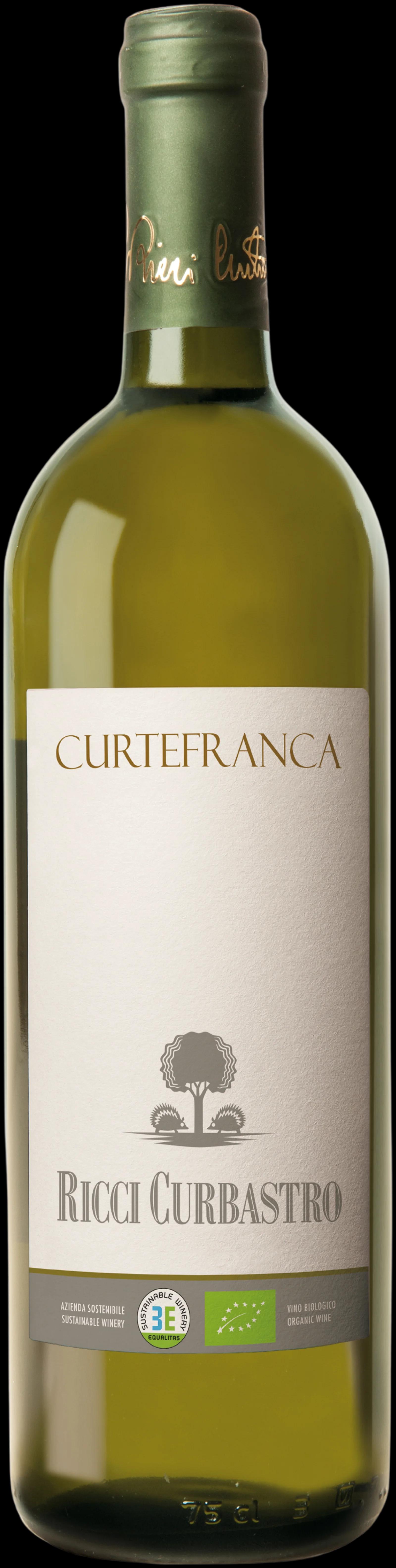
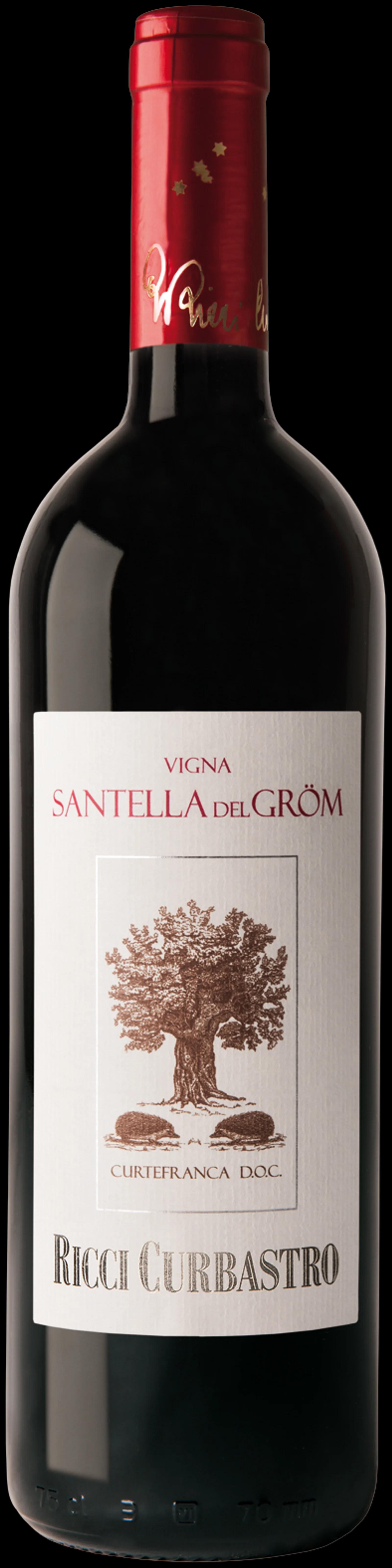
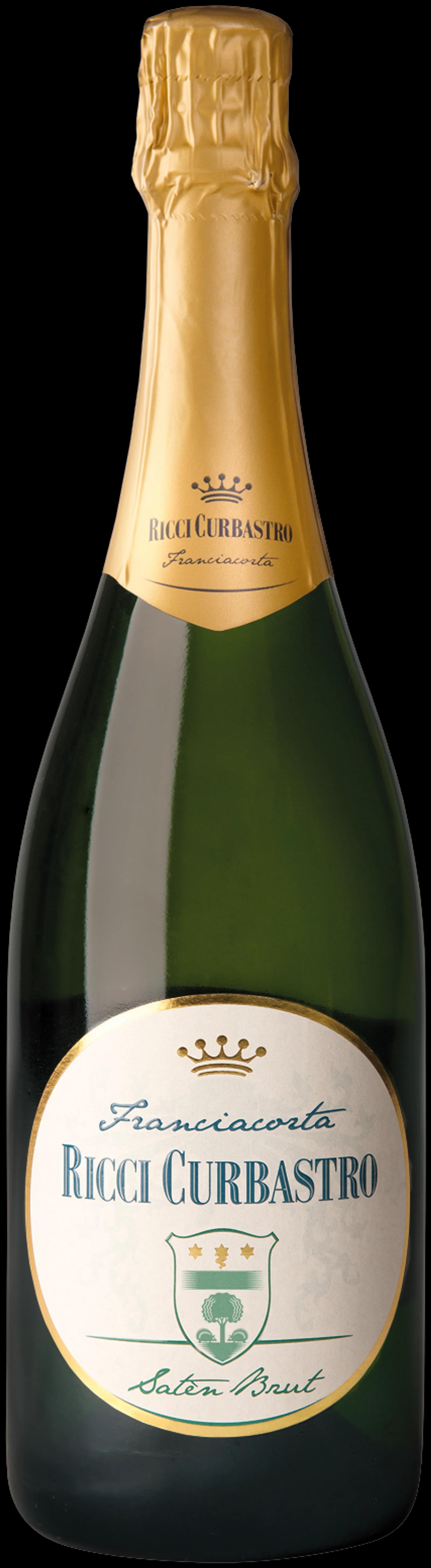
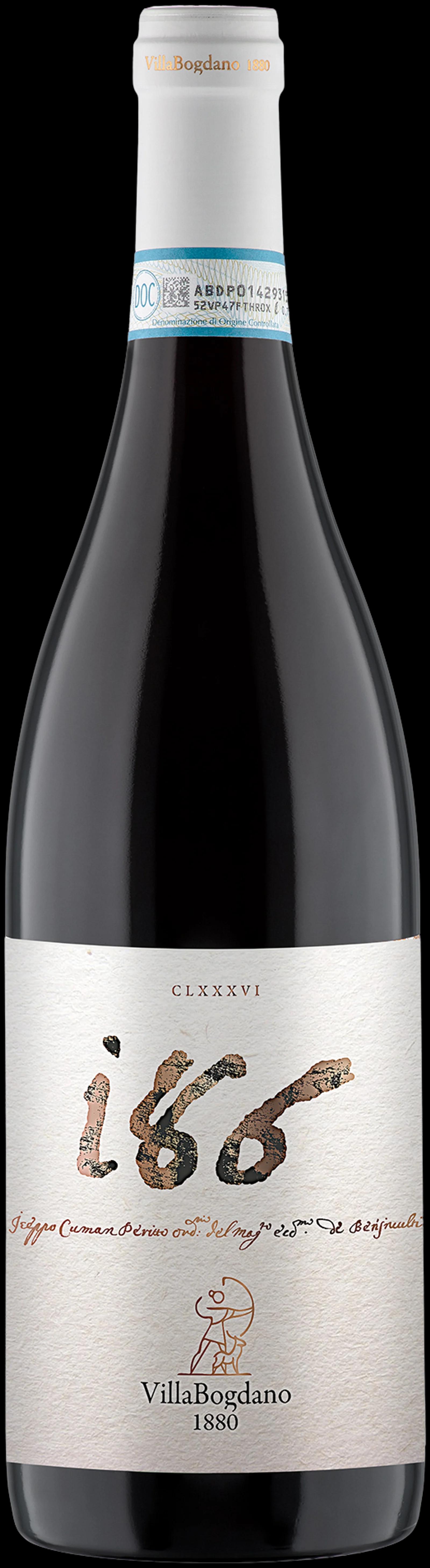
Cariñena is named after the town of Cariñena in Aragón, one of Spain's oldest wine-producing regions, though the grape itself spread further and faster across the border into southern France, where it is known as Carignan. It tends to crop heavily unless managed carefully, which is why older vines — lower-yielding and more concentrated — are prized by the producers who still work with it. The wines below come from growers who farm it that way, shipping each bottle directly from their own cellar.

1 of 1 wine

Previous1 of 1Next

Cariñena wine cases

A Cariñena mixbox is a producer's own selection of six bottles, composed as the recommendation they would make if you visited their cellar in person. For a grape grown across such different terrains — from the high-altitude plateaus of Aragón to the garrigue-covered hills of the Languedoc — that context matters. Free Grape Society is a society of producers, independent experts and wine lovers, not a shop.

View all mixboxes

Wineries

The growers who work with Cariñena tend to have a clear point of view on it: it rewards low yields and old vines, and it rarely suits winemakers looking for early-ripening, easy fruit. Reading a producer's own notes often tells you more about how a wine was farmed than the label does. The wine-advice service is there if you would rather talk through which producer suits what you are looking for.

View all wineries

Wine experts

Cariñena's firm tannin and high acidity mean it often benefits from a second perspective before you commit to a case. Independent wine experts review wines they have personally tasted, and their notes are visible on each wine page and on the expert's own profile. Several of the experts below have reviewed Cariñena wines featured on this page.

View all wine experts

Frequently asked questions

How do I order Cariñena wines on Free Grape Society?

Browse the wines on this page and add bottles to your basket. Each wine ships directly from the producer's own cellar — so if you order from two different growers, you will receive two separate deliveries. Payment is handled securely by Klarna or card, and shipping is free.

What happens if a bottle arrives broken or doesn't taste right?

Send a photo to Free Grape Society customer support within 7 days of delivery. We will arrange a replacement or a refund. Because producers ship directly, quality issues are handled with the producer's direct involvement. Shared responsibility is built into how FGS works.

Can I order Cariñena wines from more than one producer at once?

Yes. Each producer fulfils their own orders, so multiple producers means multiple shipments — each arriving separately from the respective cellar. There is no combined warehouse. Free shipping applies to every order regardless.

How long does delivery take?

Average delivery is 8 to 9 days from order to door. The full range is 4 to 14 days depending on the producer's location and your delivery address. Wines ship directly from the producer's cellar, not from a central warehouse.

How do I choose between the different Cariñena wines here?

The main variables are origin and vine age. Cariñena from Aragón tends to be more structured and mineral; from the Languedoc it often shows more sun-ripened fruit. Old-vine bottlings from either region tend to be more concentrated and age-worthy. Producer notes on each wine page explain how the specific vineyard was farmed.

How does Free Grape Society choose which Cariñena producers to work with?

Wines are tasted before listing. The focus is on independent producers who farm the grape with care — typically low yields, older vines, and minimal intervention in the cellar. You will not find large cooperative or supermarket-label Cariñena here; the producers are the ones who bottle their own wine and stand behind it.

Which Cariñena wine expert can recommend something for me?

The wine experts listed on this page have reviewed Cariñena wines personally. You can read their notes on individual wine pages, or fill in the advice form to ask a specific question — about food pairing, a particular style, or which producer suits your budget.

Why don't you sell supermarket-brand Cariñena wines?

Supermarket Cariñena is almost always produced by large cooperatives at high yields — easy-drinking but with little to say about where it comes from. The producers on Free Grape Society grow and bottle their own wine, which means low yields, real vineyard character, and a person behind every label. That is a different product.

Is Cariñena widely available in regular wine shops?

Not really, and not at this level. Most European retail focuses on Tempranillo, Garnacha and Monastrell from Spain, and on Grenache and Syrah from France. Cariñena — especially single-producer, old-vine bottlings — rarely makes it into mainstream distribution, which is part of why buying direct from the grower makes sense for this grape.

Where Cariñena comes from and how region shapes it

Cariñena takes its name from a town in Aragón, the landlocked region of north-eastern Spain where the variety has been grown for centuries. It spread from there across the Mediterranean — south into Catalonia, where it is called Mazuelo in some villages and is blended into Priorat and Penedès wines, and west into the Languedoc, where the French know it as Carignan and it forms the backbone of many Languedoc-Roussillon reds. The grape is thick-skinned and late-ripening, which means it needs warmth and a long season to shed its natural astringency — conditions Aragón and the southern Rhône deliver reliably. In cooler spots or picked too early it can taste coarse; in the right hands and the right place it produces wines with deep colour, firm structure and a savoury, almost mineral quality that sets it apart from the rounder Spanish reds made from Garnacha or Tempranillo. Old vines are particularly prized: low-yielding Cariñena bush vines, some over sixty years old, give concentrated fruit that younger plantings rarely match.

How Cariñena tastes, and what to drink it with

A well-made Cariñena wine is typically deep ruby in colour, with firm tannins, high acidity and flavours that lean toward dark plum, dried herbs, black olive and a streak of iron or earth. It is rarely a soft or immediately approachable wine — the structure asks for food. That makes it a natural partner for slow-cooked lamb, grilled chorizo, aged sheep's milk cheeses and hearty bean dishes from the Spanish interior. In the Languedoc tradition, Carignan is often blended with Grenache or Syrah to round out its edges, but single-variety bottlings from old vines show what the grape can do alone: age-worthy, complex and genuinely distinctive. For a direct comparison, try a bottle from Aragón alongside one from Languedoc-Roussillon — the same grape, separated by the Pyrenees, reads differently in each glass.

Buying Cariñena wine direct from independent producers

Cariñena is not a grape you find in most supermarkets, which is part of what makes it interesting. The producers who work with it seriously tend to be small estates in Aragón, Catalonia or the south of France, growing old vines and bottling under their own labels. On Free Grape Society, wines tasted before listing ship directly from each producer's cellar to your door, with no importer or warehouse adding cost or time in between. You can explore Spanish reds from Aragón or Catalonia, or look at how French producers handle the same grape in Languedoc-Roussillon. If you want to taste Cariñena alongside the varieties it is often blended with, the Garnacha and Syrah pages are a good starting point. Free Grape Society is a society of producers, independent experts and wine lovers, not a shop — and for a grape this regional and this underrated, that difference is worth something.