Verdelho: a grape of two islands, now grown across the wine world

Verdelho wine ranges from the oxidative, amber-tinged fortified styles of Madeira to crisp, aromatic dry whites in Portugal and Australia. The producers below grow it across its full spread.

High natural acidity and a dry, nutty depth that shifts dramatically depending on where it grows.

Color

Dropdown arrow

Type

Dropdown arrow

Country

Dropdown arrow

Region

Dropdown arrow

Grape

Dropdown arrow

Pairing

Dropdown arrow

Sort by

Sort arrow
Verdelho

Verdelho wines

Verdelho has been cultivated on Madeira for centuries, where it became one of the island's four classic fortified styles — typically less sweet than Malmsey, with a lean, smoky character that can age for decades. On the Portuguese mainland it produces a different wine entirely: a dry, pale, aromatic white with brisk acidity. Wherever it grows, the grape keeps its structure. On Free Grape Society, each bottle ships directly from the producer's own cellar, with no importer or warehouse in between.

Previous1 of 1Next

Verdelho wine cases

A Verdelho wine case here is always six bottles composed by a single producer — the selection they would put together if you visited their cellar and asked what to try. For a variety as expressive as Verdelho, that means tasting how one grower interprets the grape across different vineyards, harvest years, or winemaking choices rather than a mixed regional sample. Free Grape Society is a society of producers, independent experts and wine lovers, not a shop.

View all mixboxes

Wineries

The producers below work with Verdelho in regions where the grape has a documented track record — on the Atlantic coast, where the maritime climate keeps acidity sharp, and in warmer pockets where it ripens more generously. Each producer's own notes explain the choices behind their wines, and the wine-advice service is there if you would rather talk through the differences before deciding.

View all wineries

Wine experts

Verdelho is a grape that benefits from a second opinion — its styles range widely enough that the right bottle depends on what you are eating and what level of richness you want. Independent wine experts on Free Grape Society review wines they have personally tasted, and those reviews appear on each wine page and on the expert's own profile. Several of the experts below have reviewed Verdelho wines featured on this page.

View all wine experts

Frequently asked questions

How do I order Verdelho wines on Free Grape Society?

Browse the Verdelho wines above, add bottles to your basket, and check out. Each wine ships directly from the producer who made it. There is no warehouse in between. Delivery takes between four and fourteen days depending on where the producer is located, and shipping is free.

What happens if a bottle arrives broken or doesn't taste right?

Send a photo to Free Grape Society customer support within 7 days of delivery. We will arrange a replacement or a refund. Because producers ship directly, quality issues are handled with the producer's direct involvement. Shared responsibility is built into how FGS works.

Can I order Verdelho wines from more than one producer in the same order?

Yes. You can add wines from different producers to the same basket and check out together. Each producer ships their own wines separately, so you may receive more than one delivery. You will get a shipping notification for each.

How long does delivery take?

Average delivery is 8 to 9 days from order to door. The full range is 4 to 14 days depending on the producer's location and your delivery address. Wines ship directly from the producer's cellar, not from a central warehouse.

How do I choose between the different Verdelho styles on offer?

Start with where the wine comes from. Verdelho from Madeira is fortified and built for long ageing; dry Verdelho from mainland Portugal is closer to a crisp Atlantic white; and versions from warmer climates tend to be fuller and more aromatic. The producer's own notes, and any expert reviews on the wine page, will give you the clearest read on what to expect.

How do I know which Verdelho wines have been reviewed by an expert?

Expert reviews appear directly on the wine page. If a wine has been reviewed by an independent expert, you will see their rating and tasting note there. You can also browse each expert's profile to see which wines they have reviewed across the platform.

Which Verdelho wine expert can recommend something for me?

The independent wine experts listed on this page have tasted and reviewed Verdelho wines available on Free Grape Society. Browse their profiles to see their reviews and areas of focus, then use the wine-advice service to ask a specific question — fill in the form and an expert will come back to you.

Why don't you sell supermarket-brand Verdelho wines?

Free Grape Society lists wines from independent producers who grow, make, and bottle their own wine. Supermarket-brand wines are typically produced at scale by large commercial operations and sold through importers and distributors. That is a different model. The Verdelho wines here come directly from the estates where they were made.

Can I find Verdelho wines that I wouldn't see in a typical wine shop?

That is precisely the point. Most wine retail is filtered through importers and distributors who focus on large volumes and familiar names. Independent producers working with Verdelho — particularly smaller estates in Portugal and elsewhere — rarely reach standard retail shelves. Free Grape Society connects you directly with growers who have no other route to market.

Where Verdelho comes from and what it produces

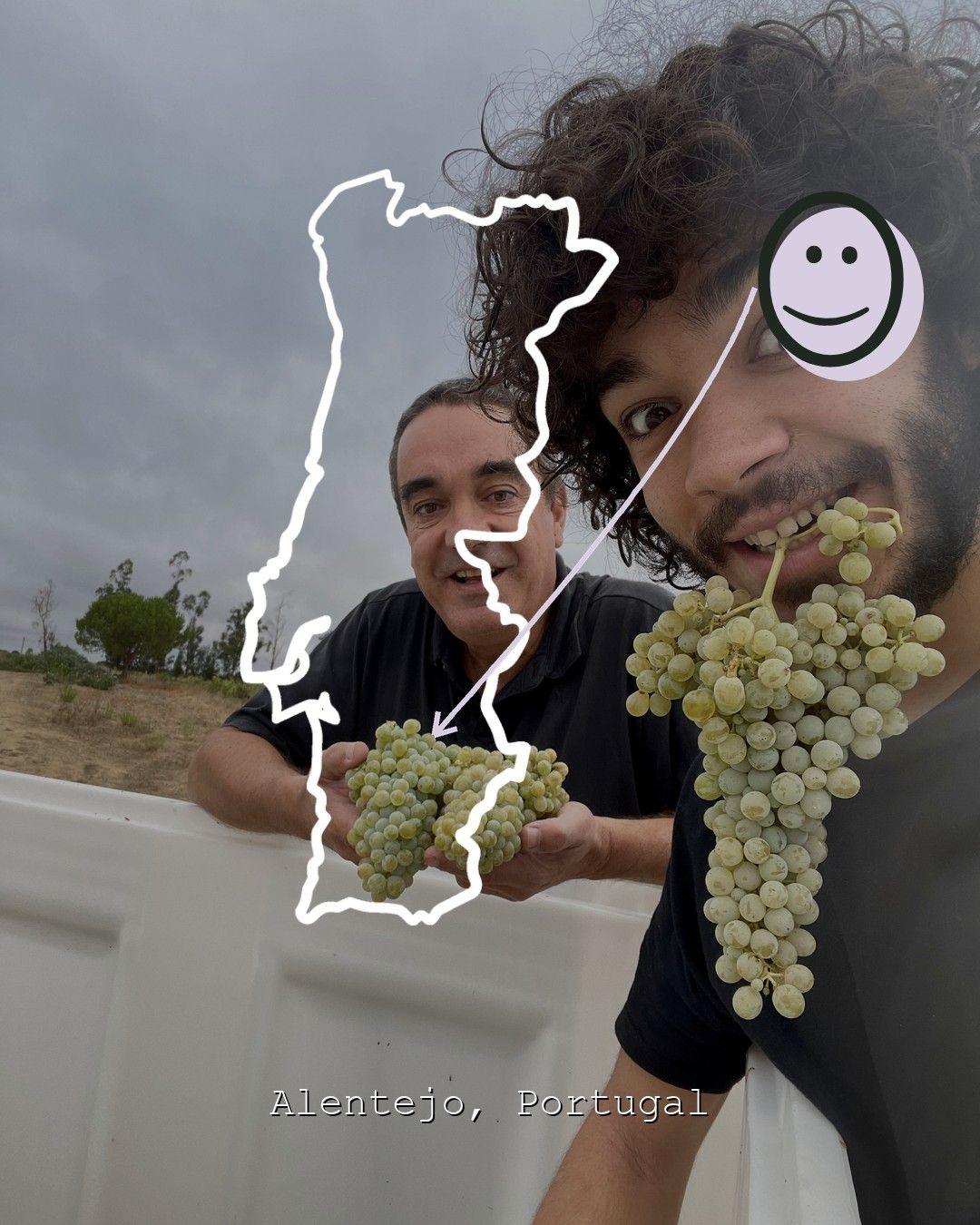
Verdelho is a Portuguese grape with two distinct lives. In the Douro and the Dão, it contributes to white blends and increasingly appears as a single-variety wine — typically dry, with firm acidity and a citrus-to-stone-fruit character that holds up well to food. Its other home is Madeira, the Atlantic island where it gave its name to a whole style of the fortified wine: Verdelho Madeira sits between the dry Sercial and the richer Bual, with a characteristic tangy, smoky quality that comes partly from the island's volcanic soils and partly from the heating process used to make Madeira. Outside Portugal, Verdelho crossed to Australia in the nineteenth century, where it found a second footing in Western Australia and the Hunter Valley, producing full-bodied, sometimes waxy dry whites quite different from its European versions. On Free Grape Society you can browse Portuguese wines and explore producers from the Alentejo, one of the regions where white varieties including Verdelho are grown.

How Verdelho tastes and what to drink it with

Dry Verdelho — whether from the Douro, the Dão, or an Australian bottling — tends to be full in texture, with acidity that keeps it lively. Expect citrus peel, green apple, and sometimes a faintly smoky or herbal edge. It is not a neutral grape: there is usually something angular or savoury that makes it interesting with food rather than before it. It pairs naturally with grilled fish, salt cod dishes, roast chicken, and the kinds of herb-forward vegetable preparations common in Portuguese cooking. The fortified Verdelho style from Madeira is a different proposition: its oxidative, nutty character makes it a classic match for soup — it has been served this way for centuries — and it holds its own alongside aged cheeses or charcuterie. If you are working through white wines from Portugal or exploring the broader range of white wines from Spain for comparison, Verdelho is a useful reference point for understanding how Atlantic-influenced grapes handle acidity differently from Mediterranean varieties.

Buying Verdelho direct from independent producers

Verdelho is not widely stocked in mainstream retail, which makes the direct-from-producer route more useful here than it is for better-known grapes. The producers working with Verdelho are mostly small estates where the variety is grown as part of a broader range of white grapes rather than a single-variety specialty, and buying from them directly means getting context — the winemaker's own notes, the vintage, the specific vineyard — that a supermarket shelf cannot provide. On Free Grape Society, wines are tasted before listing, and producers ship directly from their own cellar, with no importer or warehouse in between. Free Grape Society is a society of producers, independent experts and wine lovers, not a shop. If you want to look beyond Verdelho, the Portuguese wines page covers the full range of what the country's independent growers produce, and the Galicia page shows how Atlantic-facing viticulture plays out just across the Spanish border.