Auxerrois: a quiet Alsatian white with body, spice and age-old roots

Auxerrois wine is grown in a handful of European regions and rarely travels far from where it is made. The producers below work with it in Alsace, Luxembourg and beyond, often blending it with Pinot Blanc or bottling it on its own.

Soft acidity, generous texture and a tendency to ripen early — Auxerrois fills a role few grapes can.

Color

Dropdown arrow

Type

Dropdown arrow

Country

Dropdown arrow

Region

Dropdown arrow

Grape

Dropdown arrow

Pairing

Dropdown arrow

Sort by

Sort arrow
Auxerrois

Auxerrois wines

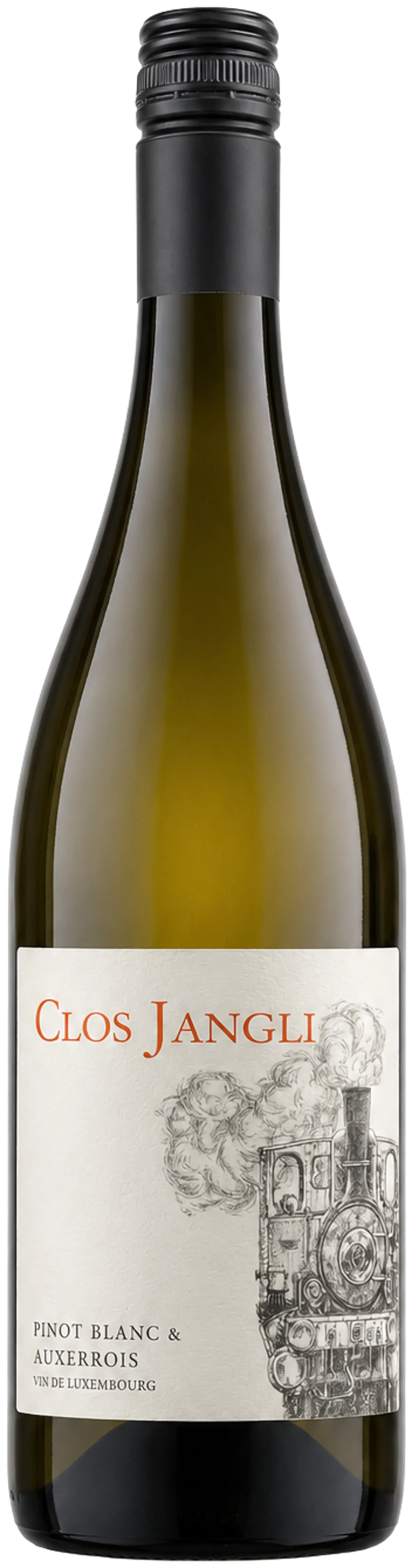
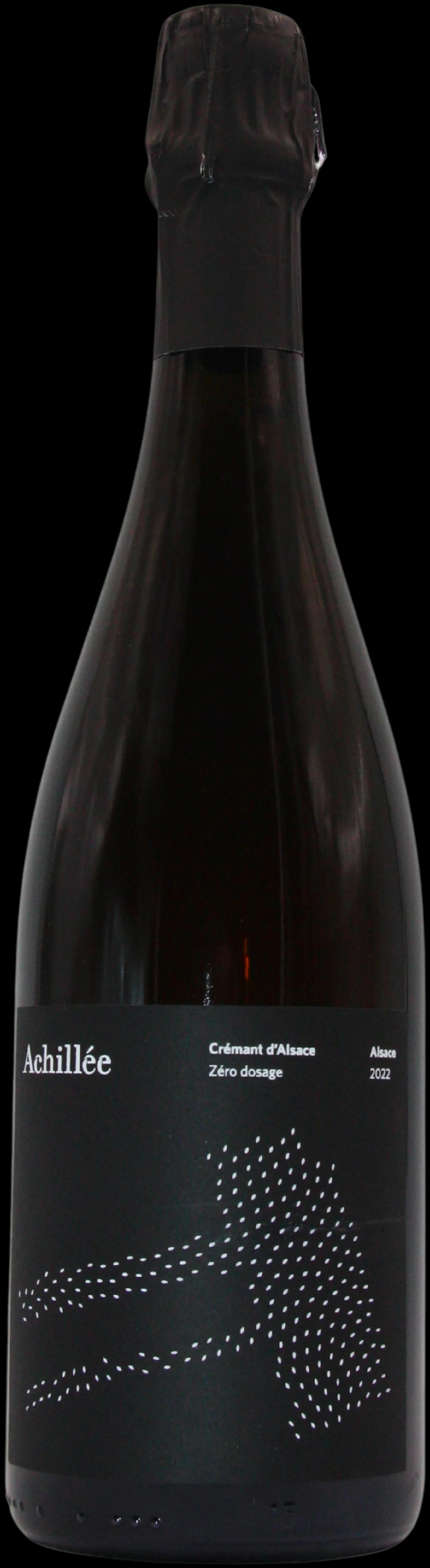
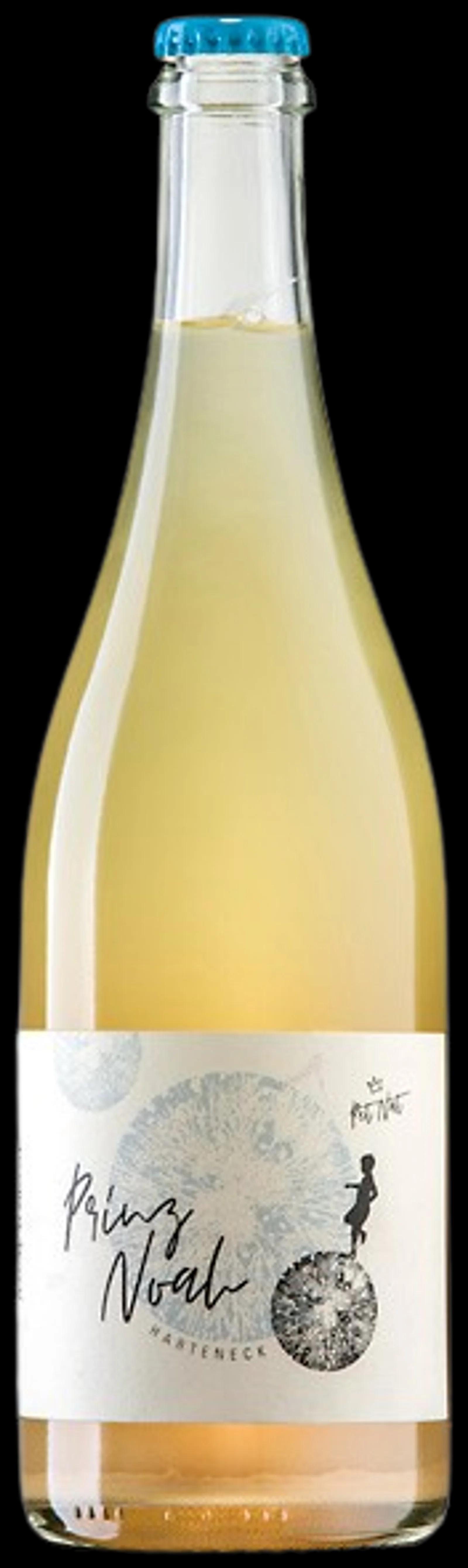
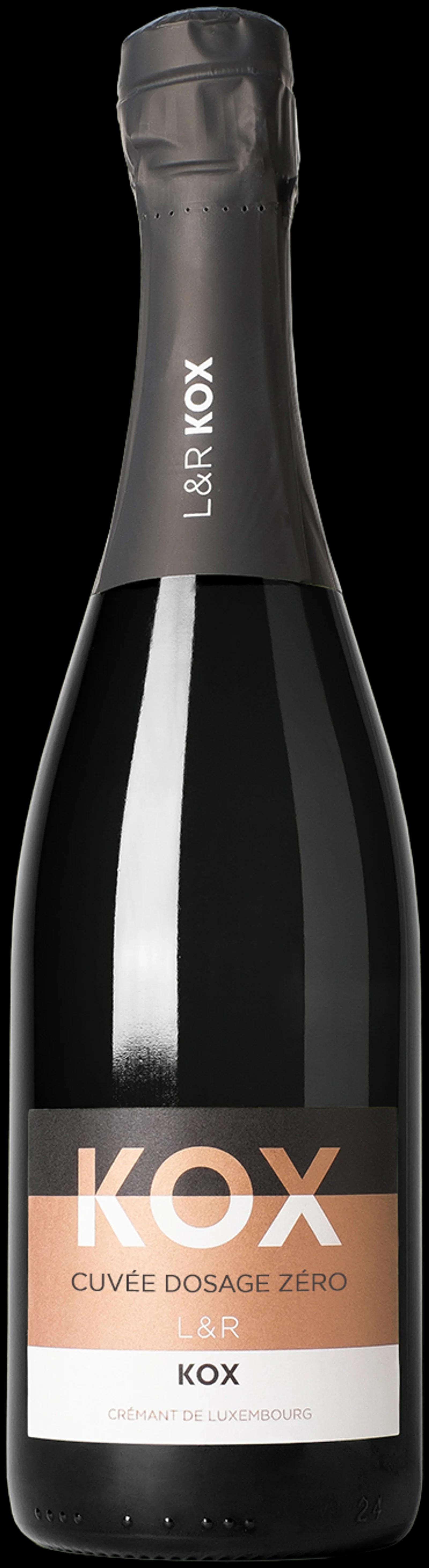
Auxerrois ripens early, builds body quickly, and tends toward low acidity — which makes it a useful blending partner for Pinot Blanc in Alsace and a versatile stand-alone variety in Luxembourg's Moselle valley. When it is bottled on its own, the wines are broad and textured, with notes of orchard fruit and a faint spice that becomes more pronounced with a few years of age. The producers below bottle it both ways — as a single variety and as part of a blend.

Previous1 of 1Next

Auxerrois mixboxes

A mixbox from one of these producers is the producer's own selection of six bottles, put together as the recommendation they would make if you visited their cellar. For a grape like Auxerrois, that often means showing how it sits alongside the other varieties in the estate's range — giving a fuller picture of how the winemaker thinks about texture and weight. Free Grape Society is a society of producers, independent experts and wine lovers, not a shop.

View all mixboxes

Wineries

Auxerrois is grown by a small number of estates, mostly in Alsace and Luxembourg, and each winery that works with it has made a deliberate choice to do so — it is not a grape that ends up in a cellar by accident. The wine-advice service is available if you would like to talk through which producer and style might suit you before ordering.

View all wineries

Wine experts

Independent wine experts review wines they have personally tasted, and their reviews are visible on each wine page and on the expert's own profile. Several of the experts listed here have reviewed Auxerrois wines featured on this page, so you can read their notes before deciding.

View all wine experts

Frequently asked questions

How do I order an Auxerrois wine on Free Grape Society?

Browse the wines above, add a bottle to your basket and check out. Each bottle ships directly from the producer's own cellar. Free shipping is included, and you can pay with Klarna or card. Delivery typically takes between 4 and 14 days, depending on where the producer is based.

What happens if a bottle arrives broken or doesn't taste right?

Send a photo to Free Grape Society customer support within 7 days of delivery. We will arrange a replacement or a refund. Because producers ship directly, quality issues are handled with the producer's direct involvement. Shared responsibility is built into how FGS works.

Can I order Auxerrois from more than one producer in the same order?

Yes. You can add bottles from different producers to the same basket. Each producer ships their wines separately, directly from their cellar, so you may receive two deliveries if you order from two different estates.

How long does delivery take?

Average delivery is 8 to 9 days from order to door. The full range is 4 to 14 days depending on the producer's location and your delivery address. Wines ship directly from the producer's cellar, not from a central warehouse.

How do I choose between an Auxerrois bottled on its own and one blended with Pinot Blanc?

Single-variety Auxerrois tends to be fuller and broader, with more pronounced texture. Blends with Pinot Blanc are usually lighter and crisper. If you prefer weight and roundness, look for single-variety bottlings. If you want freshness and a little more lift, a blend is often the better choice. The wine descriptions and any expert reviews on each wine page will guide you further.

Where is Auxerrois mainly grown, and does the region affect how the wine tastes?

Auxerrois is grown primarily in Alsace in northeastern France and in Luxembourg's Moselle valley. Alsace versions tend to be fuller and more textured, with cooler vineyard sites adding a faint spice. Luxembourg Auxerrois is often a little lighter and more mineral. Both regions share a continental climate, but small differences in soil and elevation show clearly in the finished wine.

Which Auxerrois wine expert can recommend something for me?

The independent wine experts listed on this page have reviewed Auxerrois wines and other wines from the same regions. You can read their notes on the individual wine pages, or use the wine-advice form to ask a question directly. An expert will respond with a personal recommendation based on what you are looking for.

Why don't you sell supermarket-brand Auxerrois wines?

Free Grape Society works only with independent producers who own their vineyards and bottle their own wines. Supermarket-brand wines are typically produced at scale by large négociants or co-operatives with no single estate behind them. The producers here make Auxerrois because they have chosen to — not because it fills a volume requirement.

Can I find Auxerrois wines in a normal wine shop or supermarket?

Auxerrois is a regional variety that rarely travels far outside Alsace and Luxembourg. Most wine shops and supermarkets do not stock it at all, and when they do it is usually as part of a blend rather than a single-variety bottling. Buying directly from producers on Free Grape Society is one of the more reliable ways to find it outside its home regions.

Where Auxerrois comes from and how it found its place

Auxerrois is a white grape of the upper Rhine, native to Alsace and the Moselle valley, where it has been grown for centuries alongside Pinot Blanc, which it closely resembles. The two are so similar that they are often blended, or simply bottled together under the label Pinot Blanc without distinction. Auxerrois is the rounder, lower-acid of the pair: it contributes body and a soft, honeyed weight where Pinot Blanc brings structure. In Luxembourg, where the grape is particularly well established, it is widely planted along the Moselle and contributes to some of the country's most characterful still whites. It also appears in Alsace, where it plays a quiet supporting role in the region's blended whites, and in small pockets of the Czech Republic and Germany. For a sense of how the grape expresses itself in these different settings, the Luxembourg Moselle wines and Alsace wines pages are a good place to start, as are the producers listed on the Luxembourg wineries page.

How Auxerrois tastes, and what to drink it with

Auxerrois tends to be pale gold in the glass, with a soft aromatic profile: ripe apple, a little pear, and sometimes a faint note of spice or beeswax when the wine has some age. Acidity is moderate rather than bright, which gives it an approachable, rounded feel without the grip of a Riesling or the sharpness of an Aligoté. That softness makes it a practical food wine. It works well alongside lighter fish dishes, fresh goat's cheese, and vegetable-forward cooking where a higher-acid white might dominate. In Luxembourg and Alsace it often appears at the table with white asparagus, a regional pairing that suits the wine's texture and mild flavour profile. Producers who work with Auxerrois sometimes give it a little skin contact or gentle ageing on the lees to add texture, which broadens the food-pairing range further. Wines from producers in Alsace and Moravia show how the grape's character shifts with winemaking choices and climate.

Buying Auxerrois direct from independent producers

Auxerrois is not a grape you find on many supermarket shelves, which makes it harder to track down through conventional retail channels. The producers on Free Grape Society who work with the variety tend to be small, independent estates where Auxerrois is grown because it suits the site and the style of wine the grower wants to make, not because it is commercially easy. On Free Grape Society, each bottle ships directly from the producer's own cellar, with no importer or warehouse in between, so what arrives is exactly what the producer bottled. Wines tasted before listing means quality is checked at the source. If you are not sure where to start with Auxerrois, the independent wine experts on the platform review wines they have personally tasted, and their notes are visible on each wine page and on the expert's own profile. You can also explore producers working with white varieties in neighbouring regions, including those listed on the Alsace wineries, Luxembourg Moselle wineries and Moravia wineries pages. Free Grape Society is a society of producers, independent experts and wine lovers, not a shop.