Pedro Ximénez: the grape behind Spain's richest sweet wines

Pedro Ximénez wine is one of Spain's most distinctive styles — deep, intensely sweet, and made from grapes dried in the Andalusian sun before pressing. The producers below work with it from its heartland in Jerez and Montilla-Moriles.

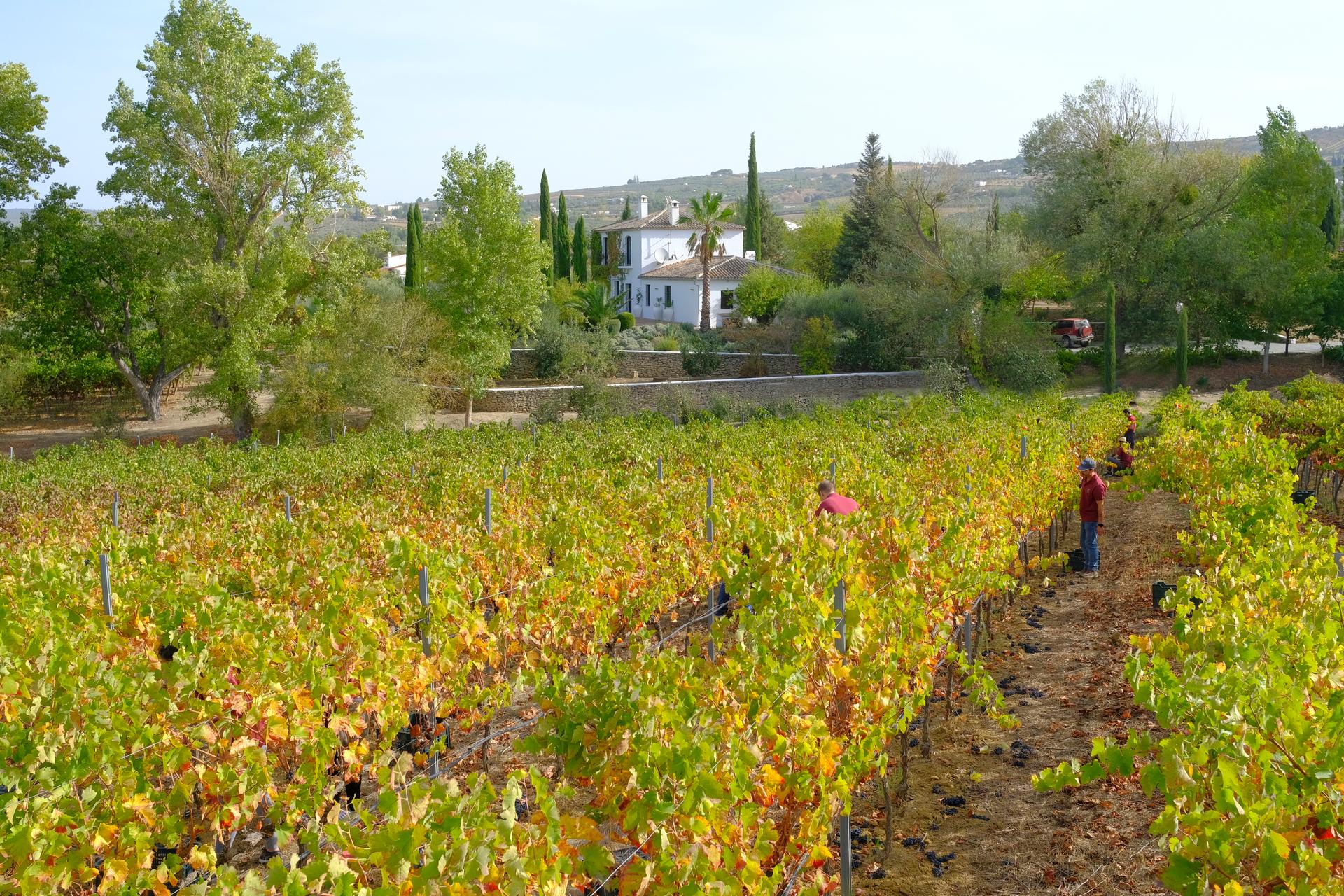
Sun-dried on mats, then pressed into something closer to syrup than wine.

Color

Dropdown arrow

Type

Dropdown arrow

Country

Dropdown arrow

Region

Dropdown arrow

Grape

Dropdown arrow

Pairing

Dropdown arrow

Sort by

Sort arrow
Pedro Ximénez

Pedro Ximénez wines

Pedro Ximénez is grown almost entirely in southern Spain, where the heat is intense enough to dry the harvested grapes on esparto mats in the sun — a process called the soleo. This concentrates the sugars dramatically before pressing. The result is a wine that is almost black in the glass, with sweetness measured in hundreds of grams of residual sugar per litre. On Free Grape Society, each bottle ships directly from the producer's cellar, with no importer or warehouse in between.

1 of 1 wine

Previous1 of 1Next

Pedro Ximénez mixboxes

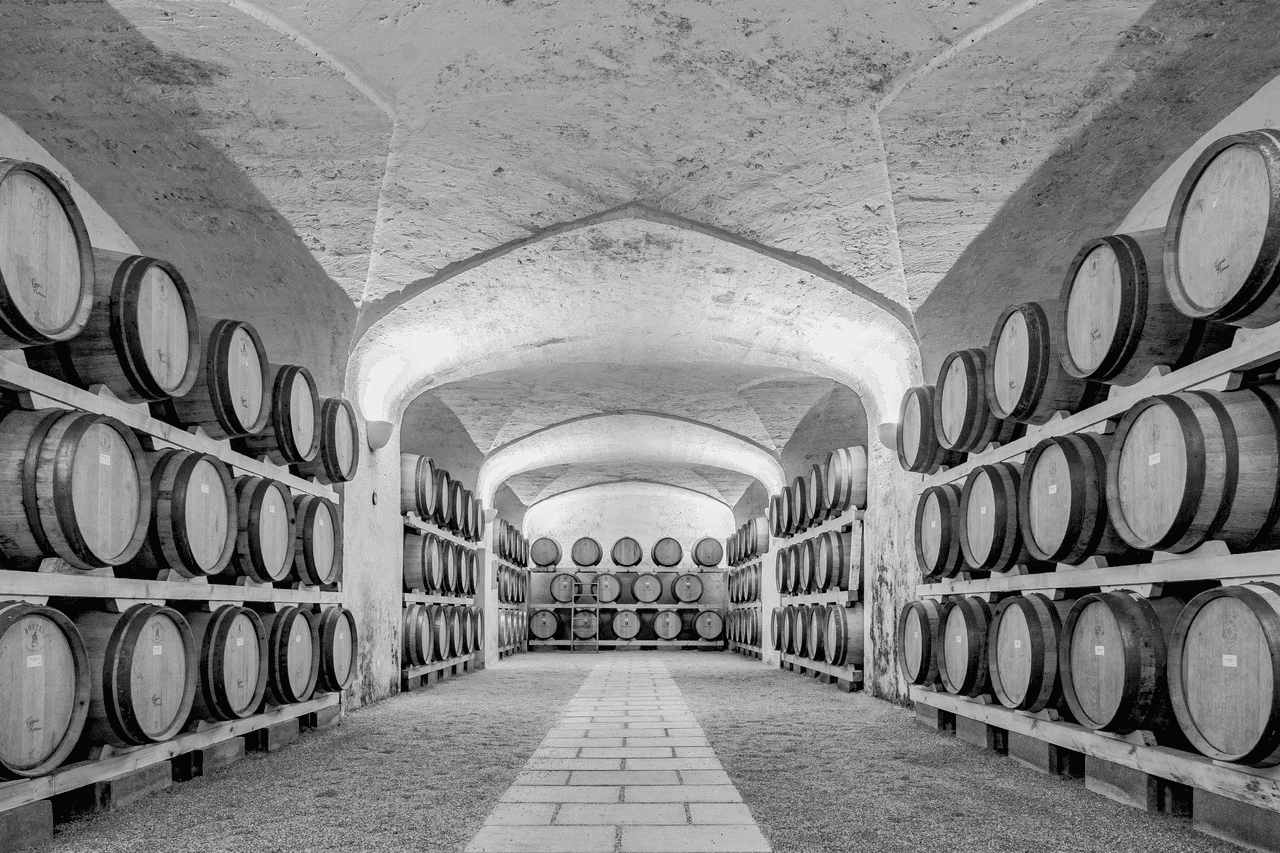
A producer's Pedro Ximénez mixbox is the selection they would put together if you visited the bodega yourself — six bottles, from one estate, showing how they work with the grape across styles or ages. With a variety as regionally concentrated as Pedro Ximénez, a single producer's range often reveals more than a broad selection would. Free Grape Society is a society of producers, independent experts and wine lovers, not a shop.
View all mixboxes

Wineries

The bodegas below are based almost entirely in Andalusia, where Pedro Ximénez has been grown for centuries alongside Palomino in the sherry triangle. A few producers also work with it further north in Montilla-Moriles, where the chalky albariza soils and extreme summer temperatures produce a similar intensity. Reading a producer's own notes is often the quickest way to understand how they approach the solera system and what age their wines carry.

View all wineries

Wine experts

Pedro Ximénez divides tasters — some find it transcendent, others overwhelming — which makes an independent view worth having before committing to a case. Independent wine experts review wines they have personally tasted, and those reviews are visible on each wine page and on the expert's own profile. Several of the experts below have reviewed Pedro Ximénez wines featured on this page.

View all wine experts

Frequently asked questions

How do I order Pedro Ximénez wine on Free Grape Society?

Browse the wines above, add bottles to your basket and check out. Each bottle ships directly from the producer's own cellar to your door, with free shipping included. You will receive a confirmation by email, and delivery typically takes between four and fourteen days depending on where the producer is based.

What happens if a bottle arrives broken or doesn't taste right?

Send a photo to Free Grape Society customer support within 7 days of delivery. We will arrange a replacement or a refund. Because producers ship directly, quality issues are handled with the producer's direct involvement. Shared responsibility is built into how FGS works.

Can I order Pedro Ximénez from more than one producer in the same order?

Yes. Add wines from different producers to the same basket and check out in one go. Each producer ships their wines separately from their own cellar, so you may receive more than one delivery. Shipping is free regardless of how many producers you order from.

How long does delivery take?

Average delivery is 8 to 9 days from order to door. The full range is 4 to 14 days depending on the producer's location and your delivery address. Wines ship directly from the producer's cellar, not from a central warehouse.

How do I choose between Pedro Ximénez wines from different producers?

The main variables are age and the solera system the producer uses. Younger Pedro Ximénez is fresher and fruitier; wines drawn from older soleras are more concentrated, with dried fig, liquorice and coffee notes. Producer pages include tasting notes and background on the winemaking, and if you want a recommendation the wine-advice service is there to help.

What is the difference between Pedro Ximénez from Jerez and from Montilla-Moriles?

Both regions use the same grape and the same sun-drying method, but Montilla-Moriles is the variety's true home — it is grown here on chalky albariza soils at higher altitude, which gives slightly more freshness alongside the sweetness. Jerez is better known internationally through the sherry trade, where Pedro Ximénez is used both as a single-variety wine and to sweeten other styles.

Which wine expert can recommend a Pedro Ximénez for me?

The experts listed on this page have reviewed Pedro Ximénez wines available on Free Grape Society. Visit an expert's profile to read their reviews and see what they have tasted. If you would prefer a direct recommendation, submit a question through the wine-advice service and an independent expert will respond.

Why don't you sell supermarket-brand Pedro Ximénez wines?

The wines on Free Grape Society come from independent producers who make and bottle their own wine. Large commercial labels are produced by industrial bodegas that buy in grapes or bulk wine from across a region. The producers here control the whole process — vineyard, drying, pressing, ageing — which is why the wines taste the way they do.

Can I buy Pedro Ximénez from a shop in my country instead?

Pedro Ximénez from small independent bodegas rarely reaches retail outside Spain. The volumes are too small for importers to take on, and most of what reaches supermarket shelves is from large commercial producers. Buying directly through Free Grape Society is often the only way to access wines from estates that do not export through traditional channels.

Where Pedro Ximénez comes from and what makes it distinctive

Pedro Ximénez is one of the most singular white grapes in Spain, grown primarily in Andalusia and most closely associated with Sherry wines from the Jerez and Montilla-Moriles zones. The grape ripens to very high sugar levels in the intense southern heat, and the wines made from it — whether fortified or unfortified — tend to carry a density and sweetness that is unlike almost anything else in Europe. In Jerez, the grapes are traditionally sun-dried after harvest, concentrating the sugars further before fermentation, which is how a small amount of juice becomes a wine thick enough to coat a glass. The grape also appears in Andalusian winery portfolios alongside Palomino Fino, and the two varieties represent very different poles of what Sherry country produces: one dry and saline, the other sweet and intense.

How Pedro Ximénez tastes, and what to drink it with

A fully sweet Pedro Ximénez wine — particularly an aged one from Jerez — is dense, almost syrup-like, and carries flavours of dried fig, date, raisin, molasses and dark chocolate, with an acidity that stops it from feeling flat. The colour in older examples deepens to near-black. Because of this concentration, it is typically served in small quantities, either as a dessert wine on its own or poured over vanilla ice cream, a pairing that is entirely conventional in southern Spain and works well. It also pairs with aged cheeses and bitter chocolate. Unfortified or lighter-style Pedro Ximénez wines, where they exist, behave differently — fresher and more approachable — but the grape's reputation rests on the rich, oxidative, long-aged style. Producers working with Spanish wines across Andalusia and Castilla-La Mancha sometimes include it in their range alongside drier styles, which makes a comparison across one producer's portfolio instructive.

Buying Pedro Ximénez wine directly from independent producers

Pedro Ximénez is a grape with a narrow geographical heartland, so finding wines from independent estates rather than large commercial producers takes a little more searching than it does with more widely distributed varieties. On Free Grape Society, wines tasted before listing come from producers who bottle their own fruit, and each bottle ships directly from the producer's cellar with no importer or warehouse adding a step between the winery and your door. That structure matters for a grape like this, where small estates often make quantities that never reach conventional retail. The Spanish wines and Andalusia wines pages show the range of producers working in this part of the world, and the mixboxes from Spain are a way to explore a producer's own selection of six bottles — their version of what represents them best — before committing to individual bottles. Free Grape Society is a society of producers, independent experts and wine lovers, not a shop.