

Catarratto: Sicily's High-Acid White, Straight from Independent Growers

Catarratto wine has long been Sicily's most planted white grape, grown across the island's interior and western coast. The producers below work with it as a variety worth bottling on its own terms.

A grape that thrives in the Sicilian heat, producing wines from crisp and mineral to rich and textured.

Color

Dropdown arrow

Type

Dropdown arrow

Country

Dropdown arrow

Region

Dropdown arrow

Grape

Dropdown arrow

Pairing

Dropdown arrow

Sort by

Sort arrow
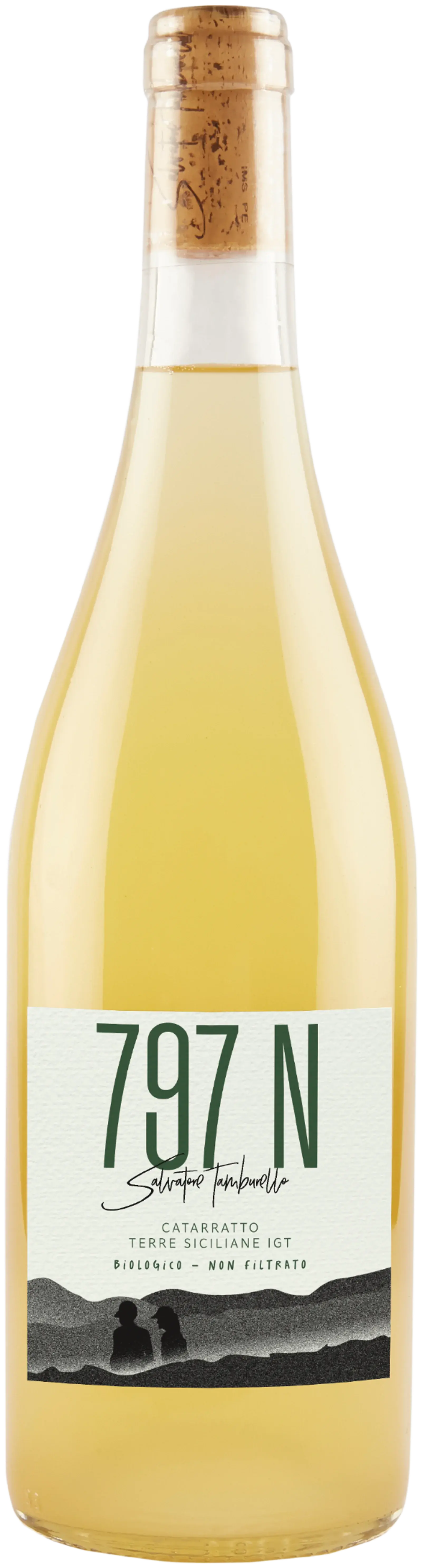
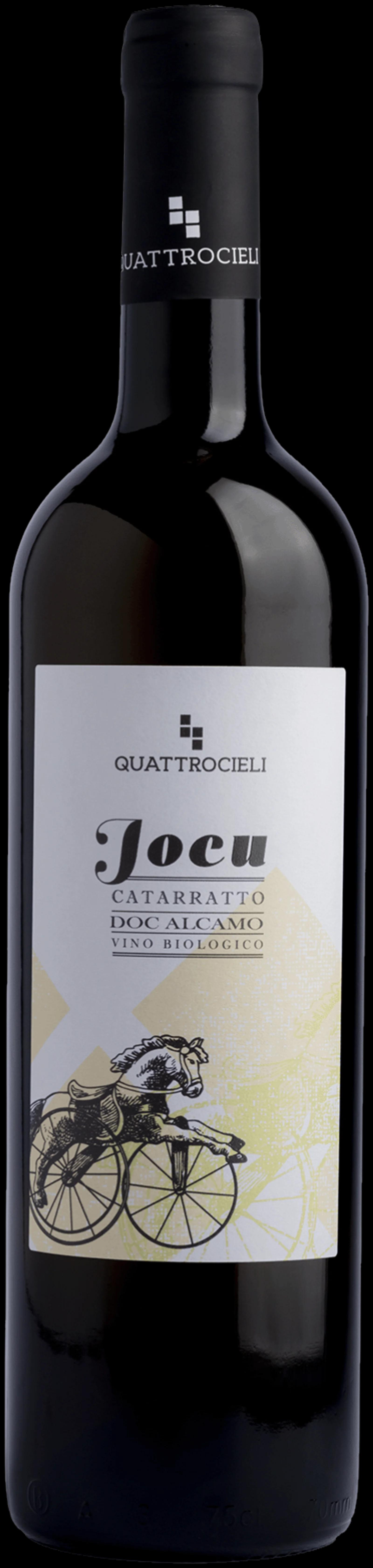
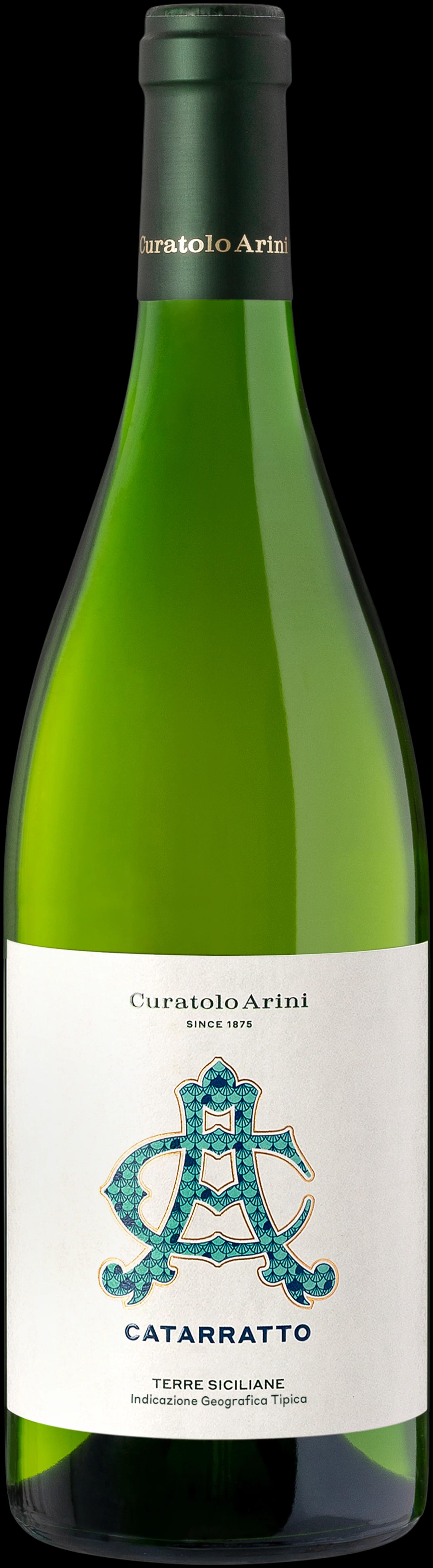
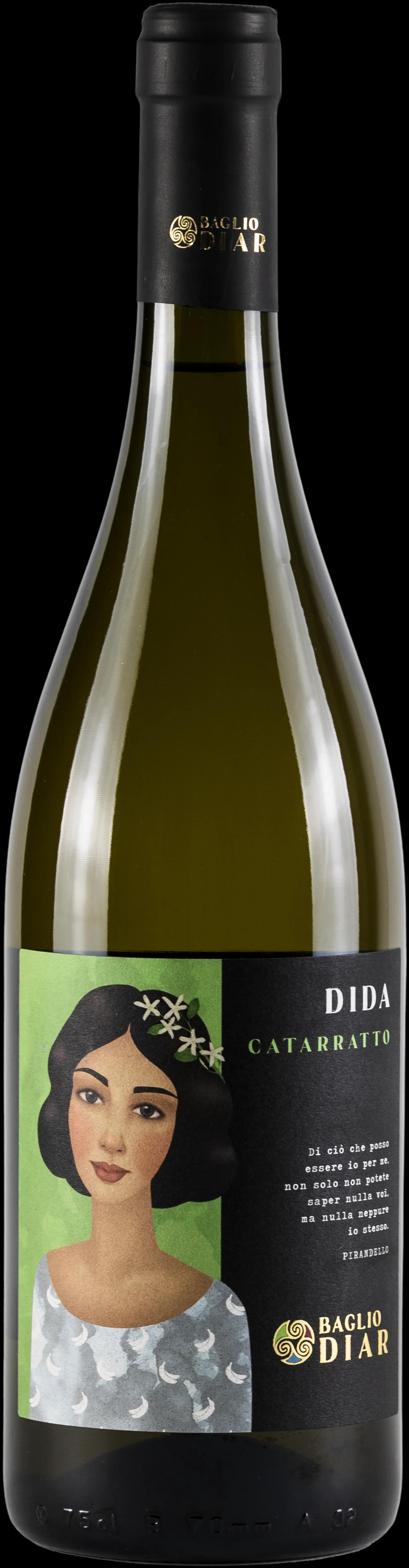
Catarratto

Catarratto wines

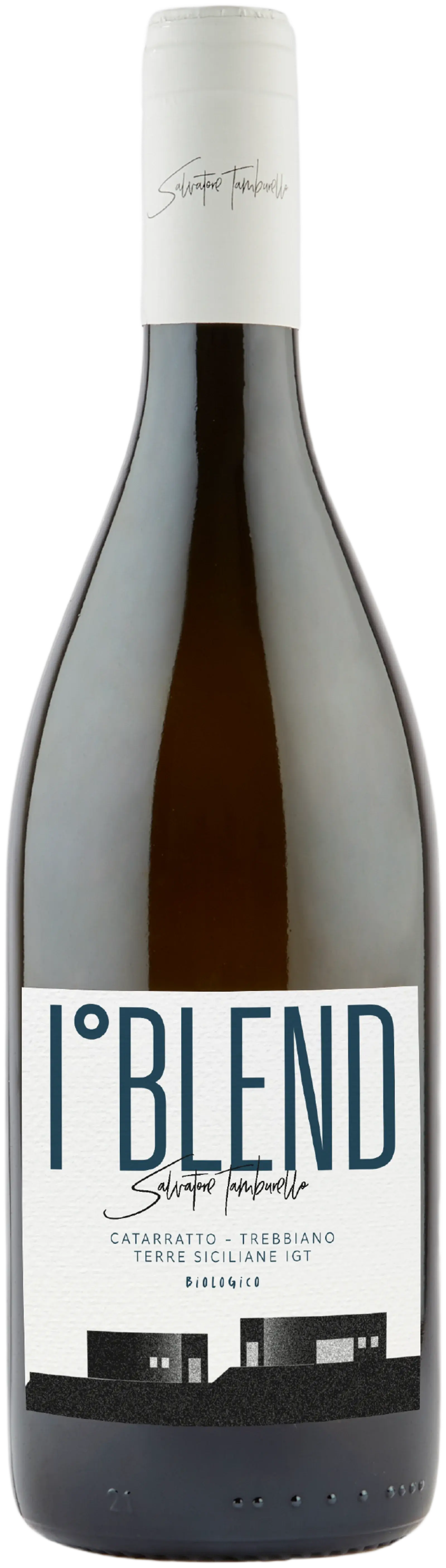
Catarratto has been grown in Sicily for centuries and was long used in bulk production and as a base for Marsala. What changed is how seriously independent producers now take it as a variety in its own right. Farmed at altitude on the slopes of western Sicily and on the volcanic soils closer to Etna, it holds its acidity well in the heat, which is why the bottles below range from lean and saline to full and textured. Each ships directly from the grower's own cellar, with no importer or warehouse in between.

Previous1 of 1Next

Catarratto wine cases

A wine case built around Catarratto is a producer's own selection of six bottles — the recommendation they would make if you visited their cellar. For a grape with this much range across Sicily's microclimates, that often means tasting the same variety from different altitudes or vineyards side by side, where the shift from coastal salinity to inland richness becomes clear. Free Grape Society is a society of producers, independent experts and wine lovers, not a shop.

View all mixboxes

Wineries

The growers below all work with Catarratto, but they farm it in different parts of Sicily — some on the western coast near Trapani, others at higher elevations inland where nights are cool enough to preserve the grape's natural freshness. A producer's own notes are often the clearest guide to which expression suits you, and the wine-advice service is there if you would rather talk it through before choosing.

View all wineries

Wine experts

Catarratto is not a widely reviewed grape outside Sicily, which makes an expert perspective useful when you are choosing for the first time. Independent wine experts review wines they have personally tasted, and their reviews appear on each wine page and on the expert's own profile. Several of the experts below have reviewed Catarratto wines featured on this page, so you can read what they thought before deciding.

View all wine experts

Frequently asked questions

How do I order Catarratto wine on Free Grape Society?

Browse the wines on this page, add bottles to your basket, and check out securely with Klarna or card. Each bottle ships directly from the producer's cellar to your door. Free shipping is included, and delivery typically takes 8–9 days, within a 4–14 day window depending on where the producer is based.

What happens if a bottle arrives broken or doesn't taste right?

Send a photo to Free Grape Society customer support within 7 days of delivery. We will arrange a replacement or a refund. Because producers ship directly, quality issues are handled with the producer's direct involvement. Shared responsibility is built into how FGS works.

Can I order Catarratto from more than one producer in the same delivery?

Yes. You can add wines from different producers to the same order. Each producer ships their own bottles directly, so you may receive more than one delivery if your order spans multiple estates. Shipping is free regardless of how many producers are involved.

How long does delivery take?

Average delivery is 8 to 9 days from order to door. The full range is 4 to 14 days depending on the producer's location and your delivery address. Wines ship directly from the producer's cellar, not from a central warehouse.

How do I choose between different styles of Catarratto?

Catarratto ranges from crisp and mineral on the western coast to richer and more textured at higher elevations inland. If you prefer freshness, look for producers farming at altitude or close to the sea. If you want more body and depth, wines from warmer interior sites tend that way. Reading the producer's own notes on each wine page is the quickest way to orientate yourself.

How does the selection of Catarratto producers on Free Grape Society work?

All producers on Free Grape Society are independent growers who bottle their own wine. Wines are tasted before listing. The producers working with Catarratto tend to be based in western and central Sicily, where the grape is most widely farmed. The selection grows as new producers join the platform.

Which Catarratto wine expert can recommend something for me?

The independent wine experts on Free Grape Society include specialists with experience across Sicilian whites. Use the form on any expert's profile page to ask your question — describe what styles or occasions you have in mind and they will point you toward the right bottle.

Why don't you sell supermarket-brand Catarratto wines?

Free Grape Society lists wines from independent producers who grow, make, and bottle their own wine. Supermarket-brand Catarratto is typically produced at scale by large cooperatives or négociants with no single grower behind it. The producers on this page are the people who farmed the vineyard and made the decisions — that is the difference.

How is buying Catarratto on Free Grape Society different from buying at a wine merchant?

A wine merchant sources from importers and distributors, adding steps between the grower and you. On Free Grape Society, each producer ships directly from their own cellar, which means fewer hands involved, prices set by the producer, and a direct line to the person who made the wine if you have questions.

Where Catarratto comes from and how Sicily shapes it

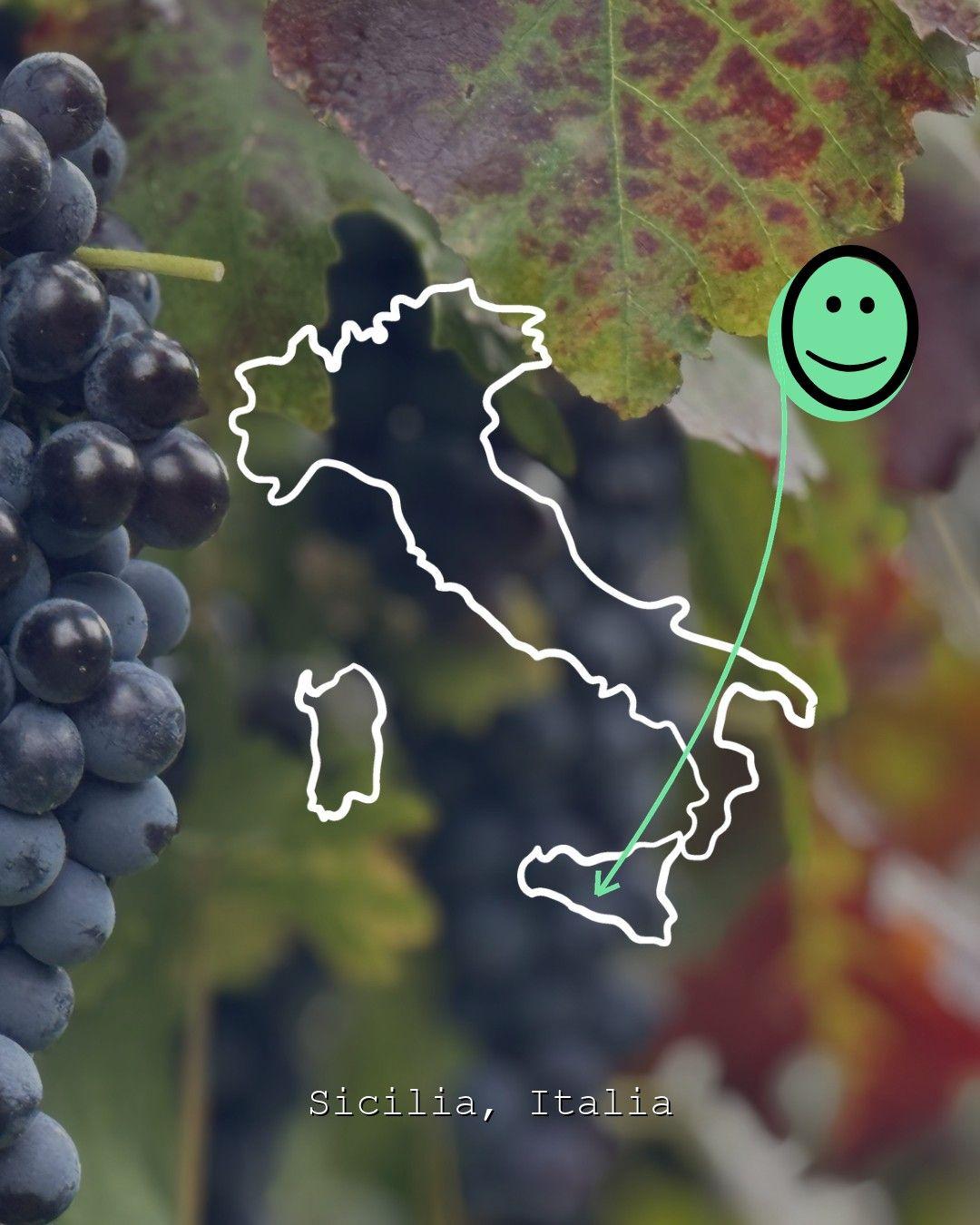
Catarratto is one of the most widely planted white grapes in Italy, and it is almost entirely a Sicilian variety. It has been grown across the island for generations, historically valued for its high yield and the body it brought to blended wines destined for northern European markets. That industrial past is not the whole story. In the hands of growers working at altitude — particularly on the slopes of Etna and in the western provinces around Trapani and Palermo — Catarratto produces wines of real focus: high natural acidity, citrus and stone-fruit character, and a saline edge that reflects the Mediterranean climate. The island's interior tends toward richer, broader styles; the coast and the highlands pull in a more mineral direction. If you want to understand the range, the Sicily wines page and the Sicily wineries page are good places to start.

How Catarratto tastes, and what to drink it with

Catarratto is a white grape, and its wines are typically pale straw with a clean, dry profile. At its best it has citrus peel, white peach, and almond on the nose, with firm acidity and a slightly bitter finish that is characteristic of many southern Italian whites. Some producers work it with skin contact, which deepens the colour toward amber and adds texture and grip — a style that sits in the orange wine tradition and pairs well with richer dishes. The more conventional still whites are versatile at the table: grilled fish, seafood pasta, and lighter vegetable dishes all work well. You can explore other Italian whites with a similar Mediterranean character on the Grillo wines and Inzolia wines pages, or look across the island's red side on the Nerello Mascalese wines and Nero d'Avola wines pages.

Buying Catarratto direct from independent Sicilian producers

Most Catarratto on the international market has passed through several hands before it reaches a shelf. On Free Grape Society, independent producers ship directly from their own cellar, with no importer or warehouse in between — which means the wine arrives as the grower intended it, and the price reflects the actual cost of making it rather than a chain of margins. The producers working with Catarratto on this page are small to medium estates, mostly family-run, with a genuine connection to the variety and the island's distinct growing zones. Free Grape Society is a society of producers, independent experts and wine lovers, not a shop. If you want to explore more of what Sicily and southern Italy produce, the Italian wines page gives a broader view, and the Sicily mixboxes page lets you order a producer's own selection of six bottles — a practical way to get a real sense of one estate across several wines.