Chardonnay Musqué: an aromatic twist on Burgundy's great white

Chardonnay Musqué wine is made from a naturally occurring aromatic clone of Chardonnay, recognisable by its lifted floral notes and a faint spice that sets it apart from the variety's usual profile. The producers below grow it across France and beyond.

A rare clone that leans floral and spiced where standard Chardonnay stays restrained.

Color

Dropdown arrow

Type

Dropdown arrow

Country

Dropdown arrow

Region

Dropdown arrow

Grape

Dropdown arrow

Pairing

Dropdown arrow

Sort by

Sort arrow
Chardonnay Musque

Chardonnay Musqué wines

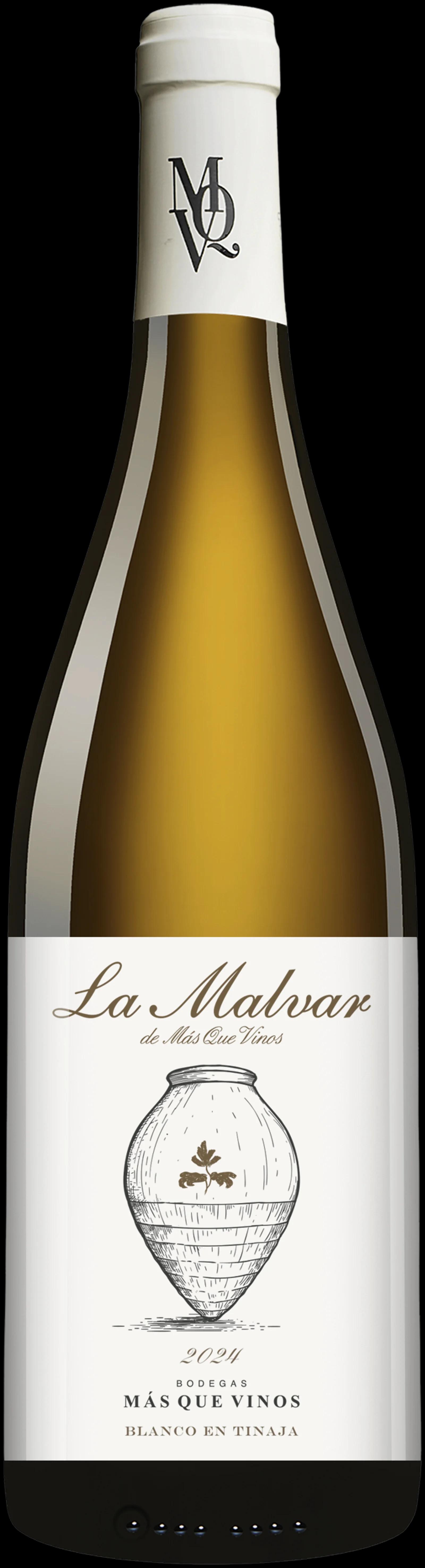
Chardonnay Musqué is not a separate grape but a clone — a natural mutation of Chardonnay that carries a muscat-like gene, giving the wines a floral lift and an aromatic intensity the standard clone does not have. It stays uncommon because yields are lower and the aromatic character demands careful winemaking to stay elegant rather than heavy. The wines below come from growers who treat it as worth the extra attention, and each bottle ships directly from their cellar with no importer or warehouse in between.

1 of 1 wine

Previous1 of 1Next

Chardonnay Musqué mixboxes

A mixbox is a producer's own six-bottle selection — the recommendation they would make if you came to the cellar door. With an aromatic clone like Chardonnay Musqué, that often means exploring how the same grape reads across different soils or winemaking approaches side by side: barrel-aged next to tank-fermented, or one estate across several vintages. Free Grape Society is a society of producers, independent experts and wine lovers, not a shop.

View all mixboxes

Wineries

The growers below work with Chardonnay Musqué in regions where aromatic whites have a long track record — Alsace, the Loire Valley, and parts of Burgundy among them. Reading a producer's own notes is often the quickest route to understanding why their version tastes the way it does. If you would rather talk through the options before choosing, the wine-advice service is there.

View all wineries

Wine experts

Chardonnay Musqué is uncommon enough that a second view before buying is worth having. Independent wine experts review wines they have personally tasted, and those reviews appear on each wine page and on the expert's own profile. Several of the experts below have tasted Chardonnay Musqué wines featured on this page, so you can read what they found before deciding.

View all wine experts

Frequently asked questions

How do I order a Chardonnay Musqué wine on Free Grape Society?

Browse the wines above, add a bottle to your basket and check out using Klarna or card. Each bottle ships directly from the producer's own cellar to your door, with free shipping included. Delivery typically takes between four and fourteen days from dispatch.

What happens if a bottle arrives broken or doesn't taste right?

Send a photo to Free Grape Society customer support within 7 days of delivery. We will arrange a replacement or a refund. Because producers ship directly, quality issues are handled with the producer's direct involvement. Shared responsibility is built into how FGS works.

Can I order Chardonnay Musqué from more than one producer in the same order?

Yes. You can add wines from different producers to the same basket. Each producer ships their own wines separately, so you may receive more than one delivery if your order spans multiple estates. There are no extra shipping charges for either parcel.

How long does delivery take?

Average delivery is 8 to 9 days from order to door. The full range is 4 to 14 days depending on the producer's location and your delivery address. Wines ship directly from the producer's cellar, not from a central warehouse.

How do I choose between the different Chardonnay Musqué wines on this page?

Start with the region and the winemaking approach. Chardonnay Musqué raised in oak will read richer and more textured than a tank-fermented version, which tends to stay fresher and more explicitly floral. The producer's own notes on each wine page explain their choices. If you are unsure, ask a wine expert for a recommendation.

Why does Chardonnay Musqué taste so different from standard Chardonnay?

It comes down to the clone. Chardonnay Musqué carries a natural mutation linked to the Muscat family, which shifts the aromatic profile toward flowers and light spice. The underlying structure — acidity, body, how it responds to oak — is still Chardonnay. That aromatic lift is what makes it distinctive and why growers who cultivate it tend to do so deliberately.

Which wine expert can recommend a Chardonnay Musqué for me?

Any of the independent wine experts listed on this page can help. Fill in the advice form with what you are looking for — a food pairing, a style preference, a budget — and an expert who knows aromatic whites will respond with a personal recommendation.

Why don't you sell supermarket-brand Chardonnay Musqué wines?

Chardonnay Musqué is a low-yielding aromatic clone that most large-volume producers do not bother with. The wines on Free Grape Society come from independent estates that choose to grow it specifically — growers for whom the aromatic character is the point, not a side effect of the blend. Supermarket-scale production and that kind of deliberate small-batch work rarely overlap.

Can I buy Chardonnay Musqué wine anywhere else in Europe without using a specialist retailer?

Rarely. In most European markets, aromatic Chardonnay clones reach consumers through importers and specialist shops, which adds cost and distance from the producer. Free Grape Society removes those steps: the grower sets the price and ships directly, so what you pay goes to the estate rather than a distribution chain.

What Chardonnay Musqué is and how it differs from Chardonnay

Chardonnay Musqué is a naturally occurring aromatic mutation of Chardonnay, distinguished by a pronounced floral and musky perfume that is largely absent from standard Chardonnay. Where a typical Chardonnay from Burgundy reads as mineral, stone fruit or toast depending on how it is made, Chardonnay Musqué adds a layer of blossom, white peach and sometimes a faint spice that is closer to Muscat than to the grape's better-known sibling. The mutation is in the aroma compounds rather than the structure: the acidity and texture remain those of Chardonnay, which means the variety responds to the same range of winemaking approaches. Some producers ferment and age it in neutral oak or concrete to keep the aromatics clean; others use brief skin contact to add texture. You will find it most often as a varietal wine in Alsace, parts of northern Italy, and in pockets of Austria and Germany, though it is rarely dominant in any single region — it tends to be grown by producers who are drawn to aromatic whites and want to offer something outside the usual range.

How Chardonnay Musqué tastes and what to drink it with

The defining characteristic of a Chardonnay Musqué is its nose: expect white flowers, orange blossom, ripe pear and a faint muskiness that sets it apart immediately. On the palate it generally shows the moderate-to-high acidity associated with Chardonnay, with a body that ranges from light and crisp to rounded depending on where it is grown and whether oak was used. Because the variety is aromatic without being sweet, it sits well alongside food that might otherwise overwhelm a more neutral white. Grilled fish, soft fresh cheeses, dishes with fennel or white pepper, and mild Asian preparations all work well. Lighter, unoaked styles — common in cooler growing areas like the Loire Valley or higher-altitude sites in northern Italy — are at their best in the first two to three years; richer, barrel-influenced versions from Burgundy or Friuli can develop over a few more.

Buying Chardonnay Musqué from independent producers

Chardonnay Musqué is a niche variety, which means it rarely appears in supermarket selections or large distributor portfolios — the producers who grow it tend to be smaller estates that have chosen it deliberately, often because they work with aromatic whites more broadly. On Free Grape Society, wines tasted before listing ship directly from each producer's own cellar, with no importer or warehouse in the chain between the grower and your door. That matters for a grape like this, where freshness and aromatic integrity are the point: the fewer times a bottle is moved and stored, the more the variety's character arrives intact. If you are exploring aromatic whites more generally, it is worth looking at what the same producers make from neighbouring varieties — Viognier, Gewurztraminer and Muscat all share a floral register, and tasting them alongside a Chardonnay Musqué gives a useful sense of how each variety expresses its aromatics differently. Free Grape Society is a society of producers, independent experts and wine lovers, not a shop — and it is particularly suited to finding varieties like this one that reward a bit of curiosity.