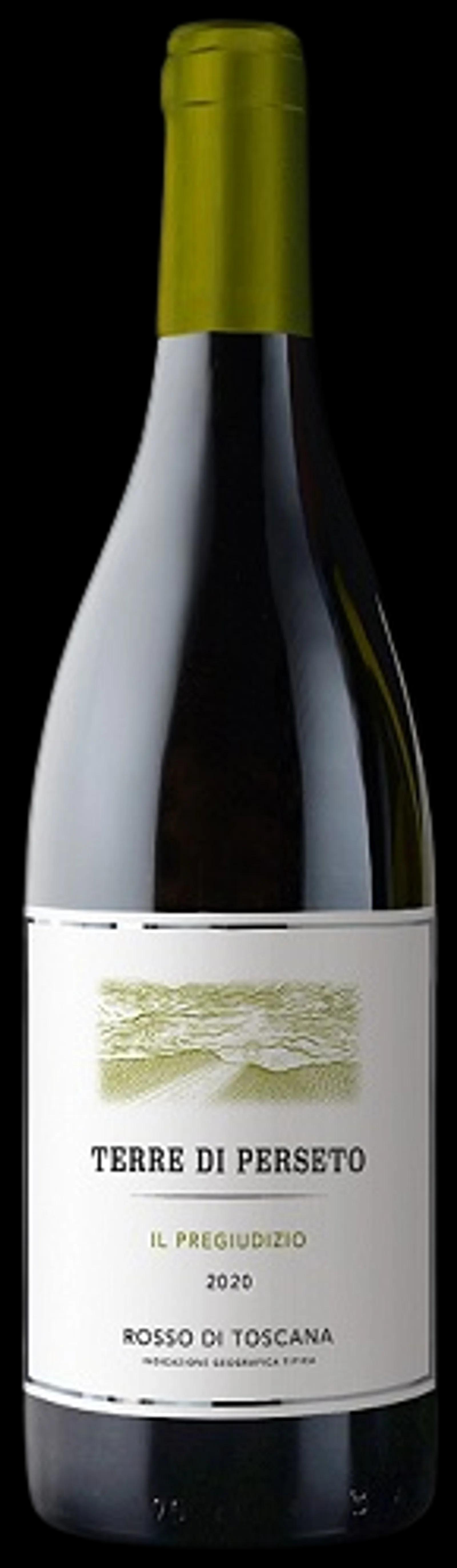
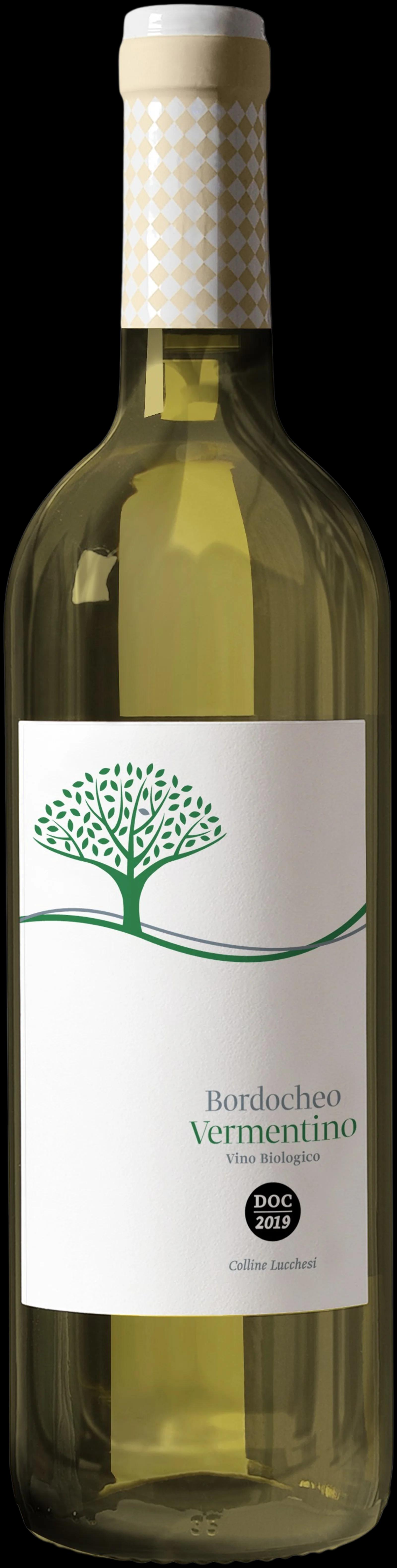
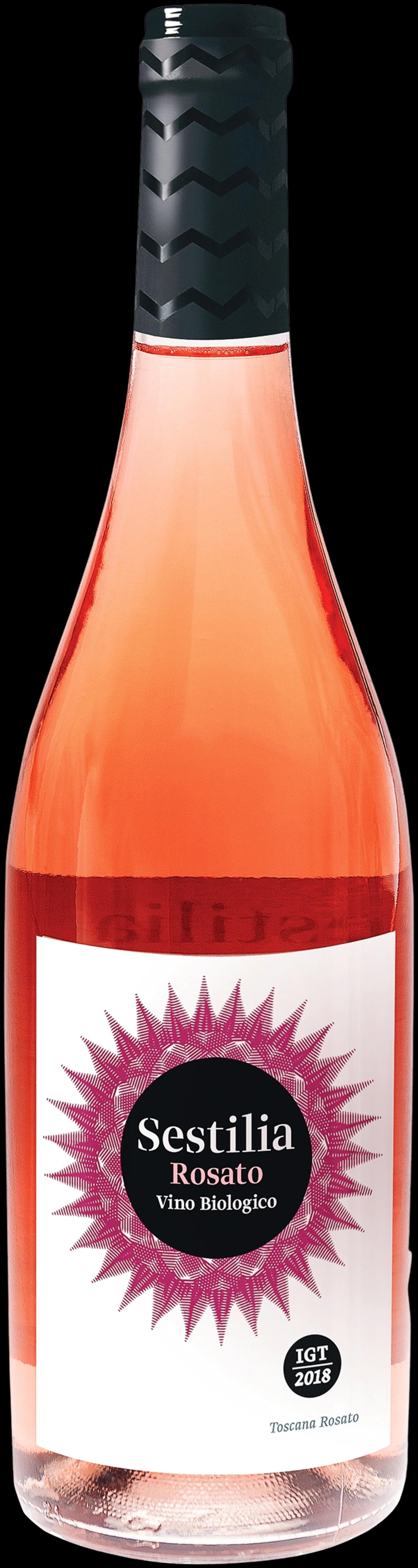
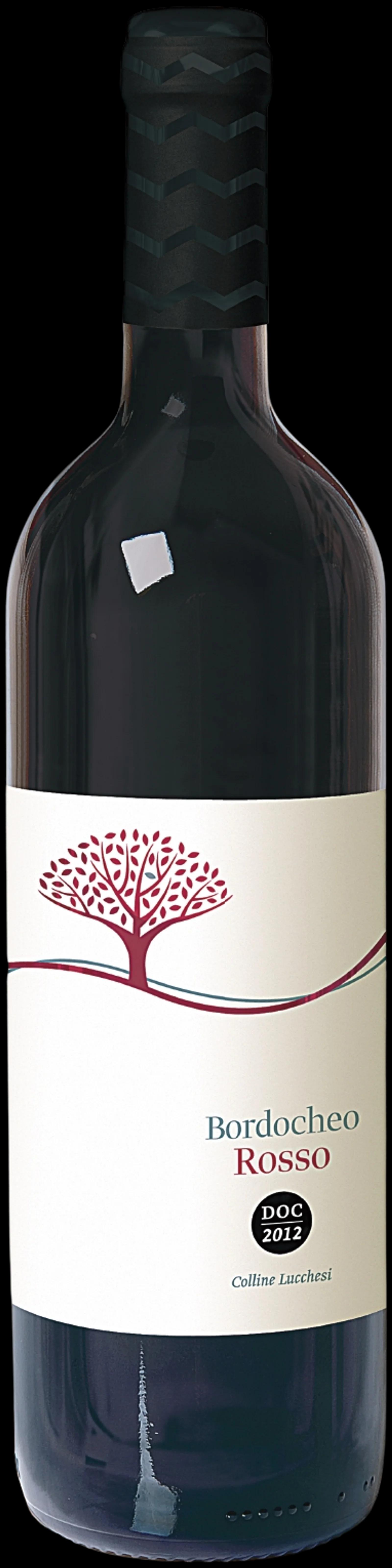
Tuscany's appellations and what they mean for a mixed box
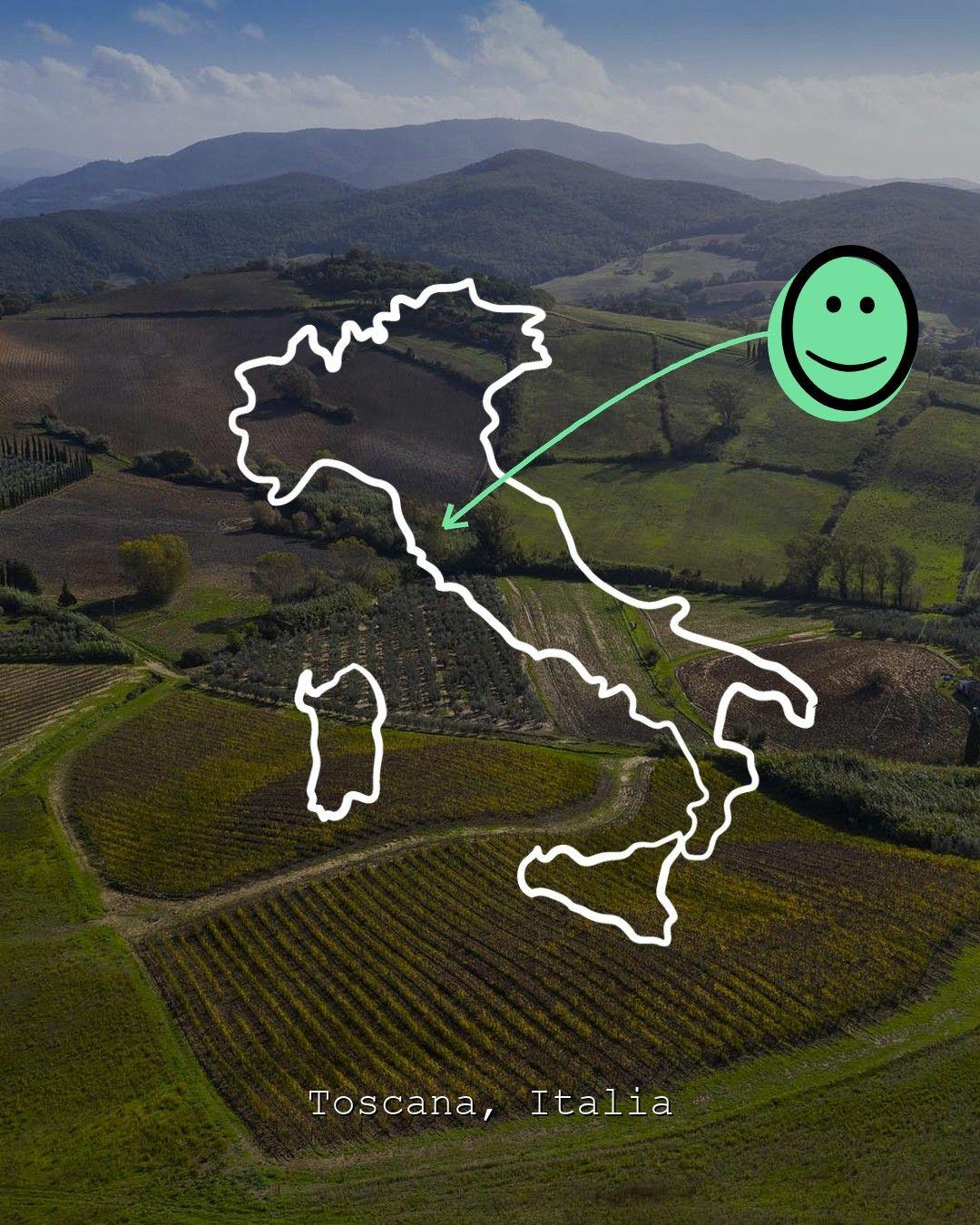
Tuscany contains more than 40 DOC and DOCG designations, but six carry most of the weight for independent producers: Chianti Classico, Brunello di Montalcino, Vino Nobile di Montepulciano, Morellino di Scansano, Bolgheri, and Maremma Toscana. Each sits at a different altitude, on different soils, and produces a meaningfully different expression of Sangiovese. A mixed box built around one of these zones tells a more coherent story than a generic Italian red selection. Bolgheri is the exception: it built its reputation on Bordeaux varieties, particularly Cabernet Sauvignon and Merlot, after Sassicaia proved in the 1970s that the coastal clay-limestone soils could ripen them fully. Producers in Maremma Toscana, the southernmost zone, work at lower altitudes and warmer average temperatures than their counterparts in Montalcino, which sits above 400 metres. That elevation difference translates directly into acidity levels and aging potential. A box composed by a Maremma producer reflects that warmer, earlier-drinking character. A Montalcino box reflects the opposite. When a producer composes their own box, that context is built in.
How Tuscan producers compose their boxes on Free Grape Society
Every mixed box on Free Grape Society is composed by the producer, not assembled from warehouse stock. Six bottles, always from one estate, chosen by the people who made them. That structure matters in Tuscany because most serious producers make between three and six wines across different appellations or cuvées. A producer in Piedmont might do the same, but in Tuscany the appellation rules mean a single estate can hold vineyards in both a DOCG and a broader IGT zone simultaneously, producing wines at very different price points and aging intentions from the same property. The box reflects how the producer actually thinks about their own range. Every wine on Free Grape Society is tasted by our Head of Product before it goes live. Independent wine experts Rate and Review individual wines on the platform. No buyer with quarterly targets decided what goes in these boxes. The producer did. You can browse all Tuscany mixboxes or compare with Italian mixboxes more broadly.
Sangiovese across Tuscany: the same grape, different rules
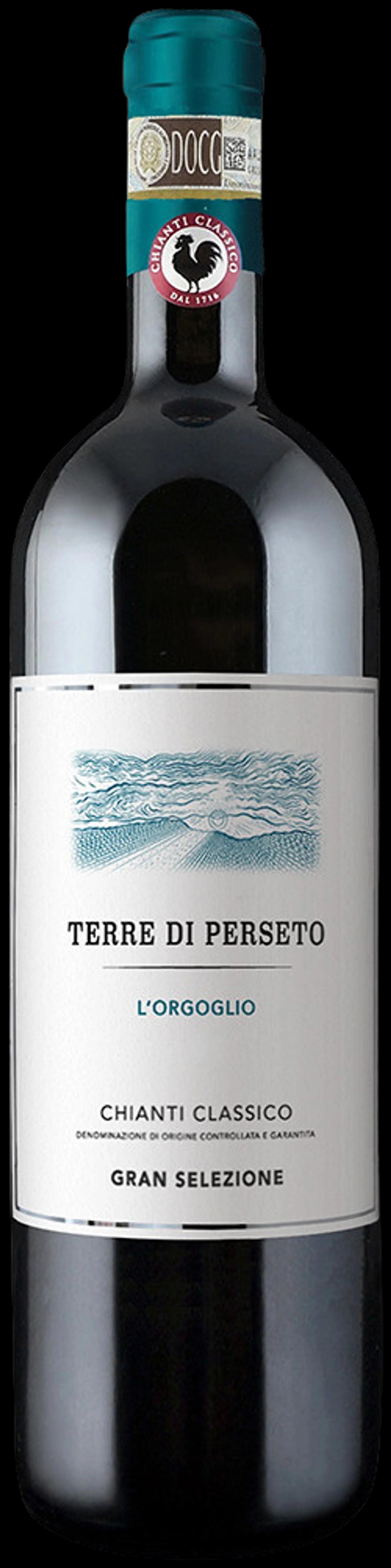
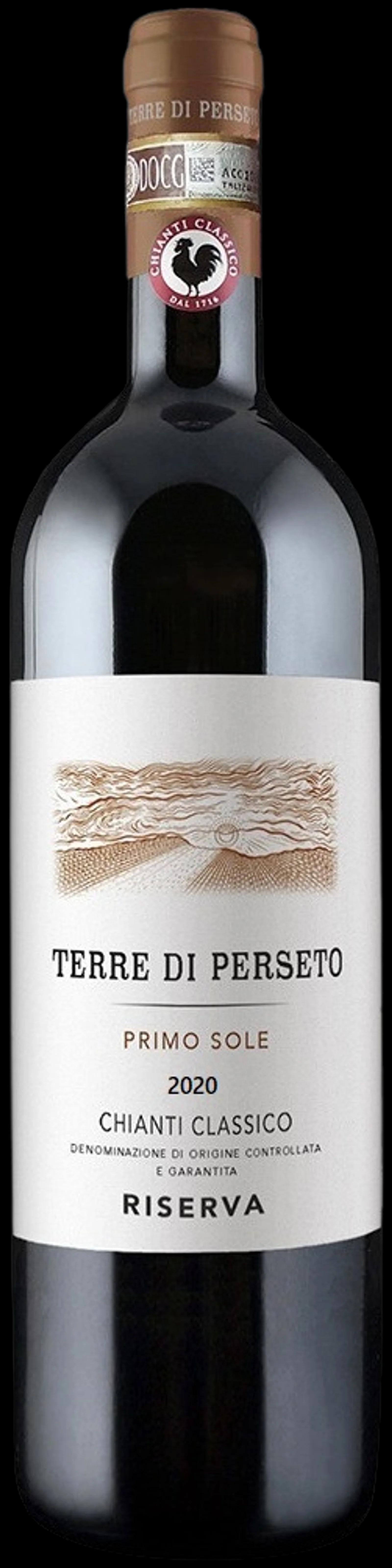
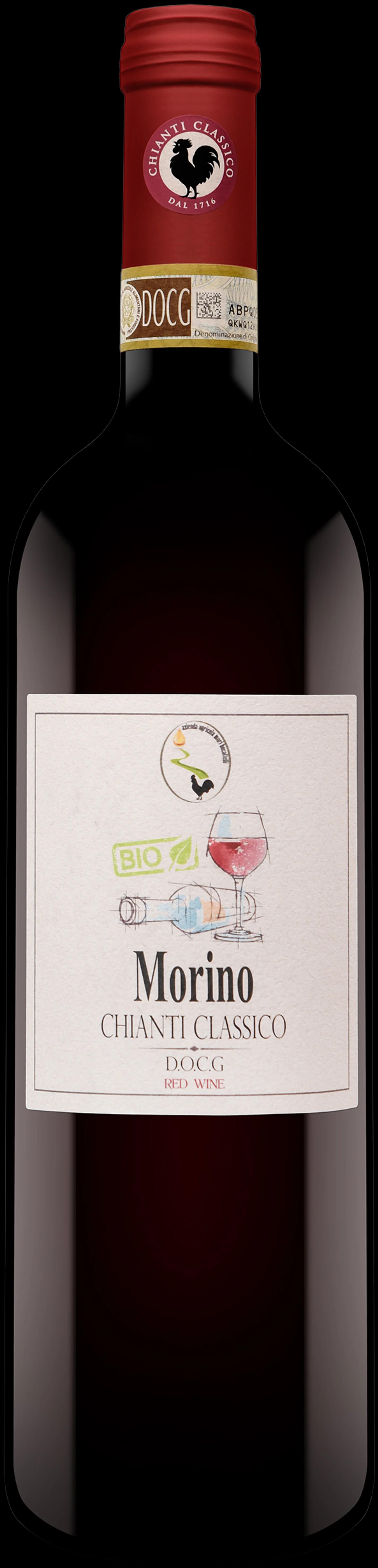
Sangiovese is permitted or required in nearly every major Tuscan red appellation, but the disciplinare — the legal production rules — differ significantly between zones. In Brunello di Montalcino, it must be 100% Sangiovese, aged a minimum of five years before release for Riserva. In Chianti Classico, it must be at least 80%, with up to 20% of other permitted varieties. In Morellino di Scansano, the minimum is 85%. These are not minor distinctions: they shape tannin structure, minimum aging, and the price floor for each appellation. Sangiovese is also a late-ripening variety, which makes altitude a critical variable. Vineyards above 350 metres in Chianti Classico retain acidity that lower-altitude fruit loses by harvest. Producers who have farmed the same sites for two or more generations have detailed records of how individual parcels behave in warm versus cool vintages. That knowledge shows in how they compose a box. For red wine in other Italian regions, see Italian red wines or the Piedmont producers who work primarily with Nebbiolo.