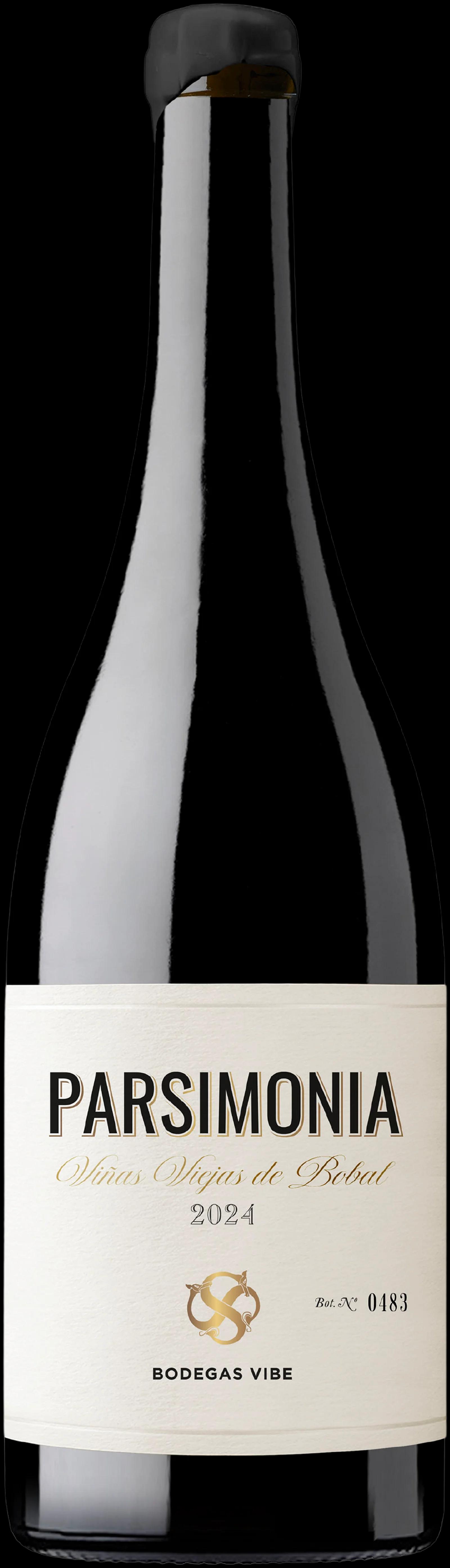
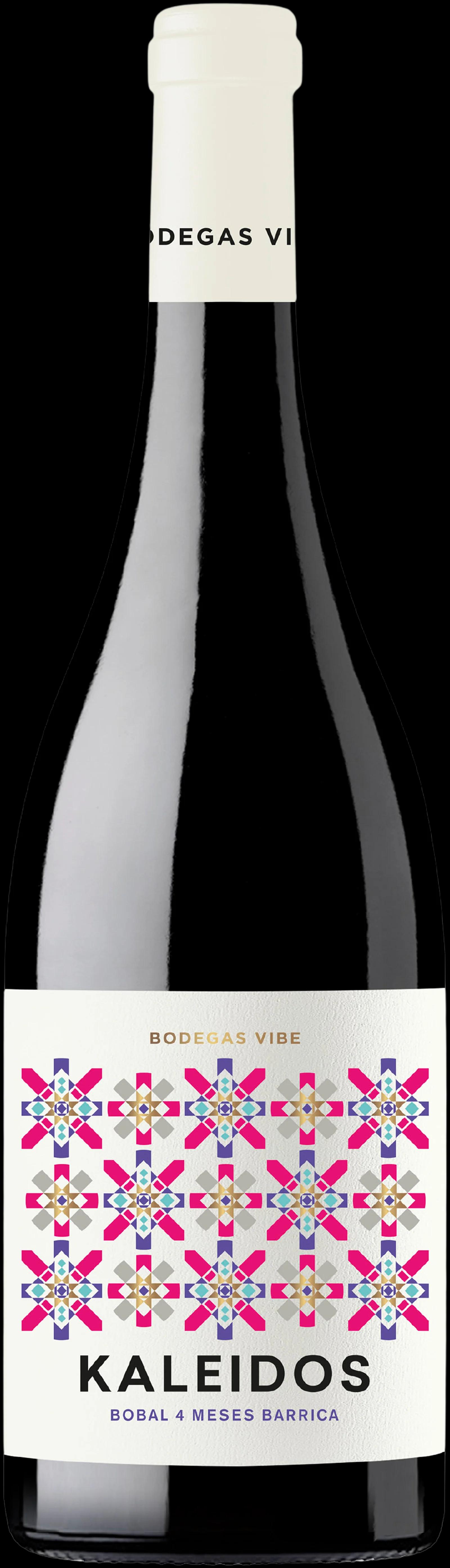
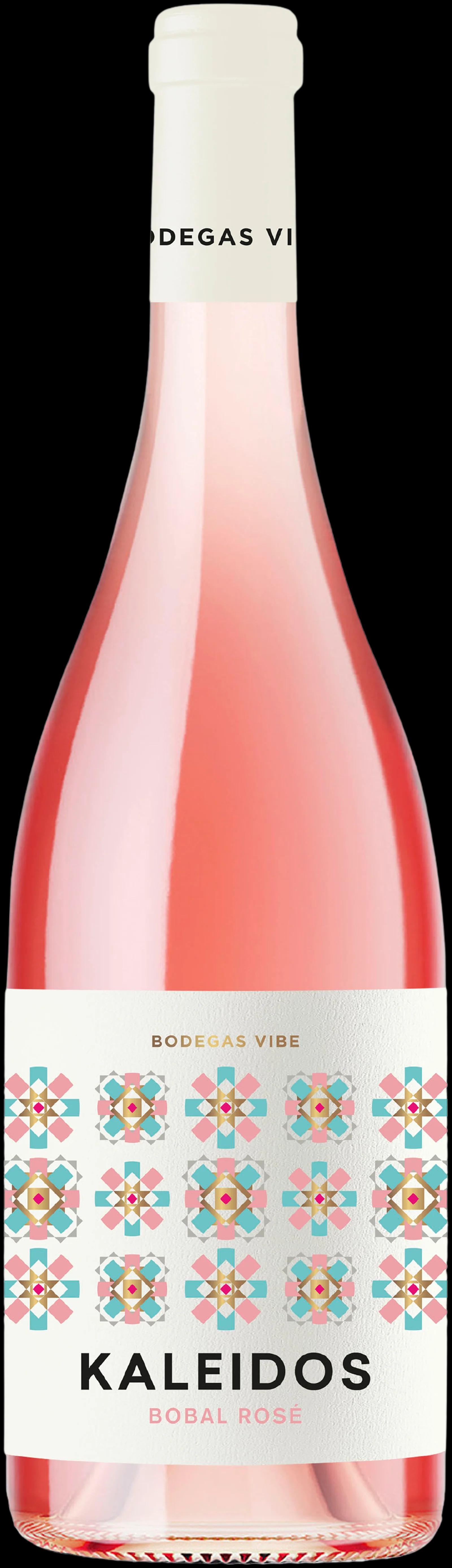
Bobal: Spain's thick-skinned red from the high plains of Valencia and Castilla-La Mancha

Bobal wine is one of Spain's most planted varieties, grown almost entirely on the inland plateaux where summers are fierce and winters are cold. The producers below work with old vines and a grape that is only recently being taken seriously on its own terms.

A grape built for altitude and heat, producing wines that range from deep and tannic to bright and fresh depending on vine age and winemaking.

Color

Dropdown arrow

Type

Dropdown arrow

Country

Dropdown arrow

Region

Dropdown arrow

Grape

Dropdown arrow

Pairing

Dropdown arrow

Sort by

Sort arrow
Bobal

Bobal wines

Bobal is one of the most widely planted grapes in Spain, yet it spent decades being used almost entirely for bulk wine and blending. The shift to estate bottling — especially in Utiel-Requena and Manchuela — has revealed what old-vine Bobal can do: deep colour, firm tannin, and an earthy freshness that comes from growing at altitude. Each bottle below is shipped directly from the producer's own cellar, with no importer or warehouse between you and the grower.

Previous1 of 1Next

Bobal wine cases

A producer's own selection of six bottles is often the clearest introduction to how they work. With Bobal, that can mean tasting across a single estate's different vine ages or soil types, where the contrast between a young-vine and an old-vine wine from the same grape tells you a great deal. Free Grape Society is a society of producers, independent experts and wine lovers — not a shop — and every case here comes put together by the grower themselves.

View all mixboxes

Wineries

The growers below are based almost entirely in Spain's interior — in Utiel-Requena, Manchuela, and parts of Castilla-La Mancha — where Bobal has been cultivated for centuries and where altitude keeps the wines from becoming flat or overripe. Reading a producer's own notes on how they farm and vinify is a good way to understand why their Bobal tastes the way it does, and the wine-advice service is there if you'd rather talk through the options before ordering.

View all wineries

Wine experts

Bobal has historically attracted less critical attention than Tempranillo or Garnacha, which means independent wine experts who do review it tend to have sought it out deliberately. Independent wine experts on Free Grape Society review wines they have personally tasted, and their notes appear on the wine page and on the expert's own profile. Several of the experts below have reviewed Bobal wines featured on this page, so you can read what they found before choosing.

View all wine experts

Frequently asked questions

How do I order Bobal wine through Free Grape Society?

Browse the Bobal wines listed on this page, add bottles to your basket, and check out using Klarna or card. Each bottle ships directly from the producer's cellar to your door. Delivery typically takes between 4 and 14 days, and shipping is free. You are buying from the grower, not from a warehouse.

What happens if a bottle arrives broken or doesn't taste right?

Send a photo to Free Grape Society customer support within 7 days of delivery. We will arrange a replacement or a refund. Because producers ship directly, quality issues are handled with the producer's direct involvement. Shared responsibility is built into how FGS works.

Can I order Bobal wines from more than one producer in the same order?

Yes. You can add wines from different producers to the same basket. Each producer ships their own bottles directly, so if you order from two growers your delivery may arrive in two separate shipments. Shipping is free regardless, and you will be kept informed about each.

How long does delivery take?

Average delivery is 8 to 9 days from order to door. The full range is 4 to 14 days depending on the producer's location and your delivery address. Wines ship directly from the producer's cellar, not from a central warehouse.

How do I choose between the different Bobal wines on this page?

Start with what the producer tells you about their vines. Old-vine Bobal from Utiel-Requena tends to be deeper and more structured; wines from younger vines or cooler parts of Manchuela can be fresher and easier to drink young. If you are unsure, ask a wine expert using the advice form — it is free and there is no obligation to buy.

Why does Bobal taste so different from one producer to the next?

Altitude, vine age, and winemaking choices all pull in different directions. Bobal grown at 700 metres on old gobelet-trained vines will taste very different from Bobal grown in a warmer valley with younger plants. Some producers vinify it as a powerful, age-worthy red; others use carbonic maceration to make something light and fruit-driven. The producer notes on each wine page explain the approach.

Which Bobal wine expert can recommend something for me?

The wine experts on this page have reviewed Bobal wines personally. Use the advice form to describe what you are looking for — style, occasion, budget, food — and an independent expert will come back to you with a recommendation. The service is free and available to everyone on Free Grape Society.

Why don't you sell supermarket-brand Bobal wines?

Free Grape Society lists wines from independent producers who bottle and ship their own wine. Supermarket-brand wines are produced at scale by large négociants or cooperatives, often blended across origins, and reach you through a chain of importers and distributors. The growers here put their name on the label and manage everything from vine to shipment.

Is Bobal available in shops, or do I need to order it online?

Bobal rarely appears in mainstream retail outside Spain. It has historically been used in bulk production rather than estate-bottled wine, which means most bottles made by independent growers do not reach international shop shelves at all. Ordering directly from the producer through Free Grape Society is often the most practical way to find the real thing.

Where Bobal comes from and how the region shapes it

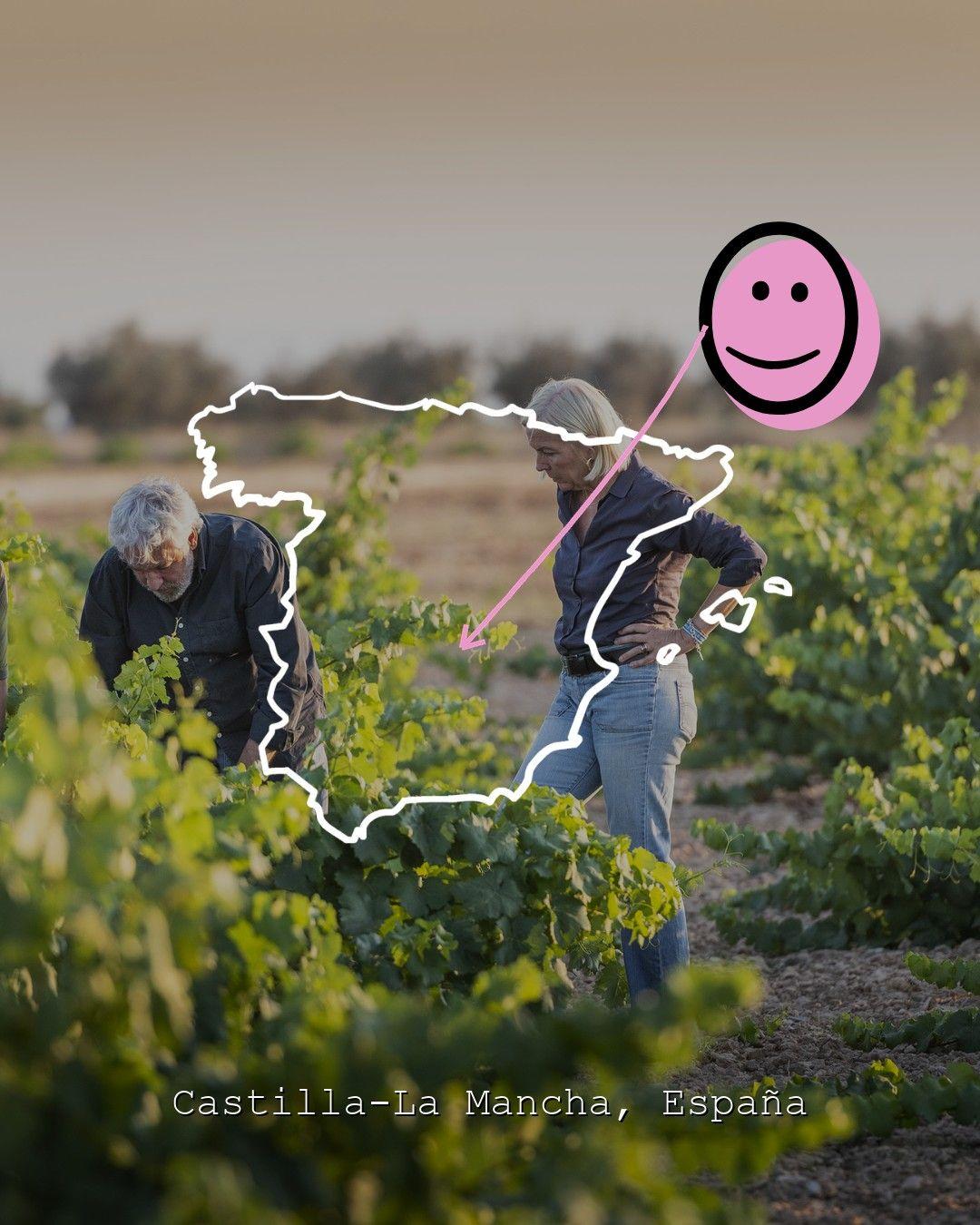
Bobal is one of Spain's most widely planted red grapes, yet it remains largely unknown outside its home territory. Its heartland is the high plateau of inland eastern Spain: Utiel-Requena in Valencia, Manchuela straddling the border of Castilla-La Mancha and Valencia, and the broader Valencia region. The altitude here matters. Vineyards sit at 700 to 900 metres, and the temperature swings between day and night preserve the acidity that makes Bobal distinctive. In warmer coastal conditions the grape tends to overripen and lose that freshness; on the plateau it keeps both structure and lift. Bobal is also one of the grape world's quiet survivors — many of the vines producing wines today are old, some over a century, planted when Bobal was grown almost entirely for blending and bulk export. That history shows in the wines: old-vine Bobal has a concentration and depth that younger plantings take decades to approach. The same variety also makes rosé, and the rosé wines from Spain made from Bobal tend to be deeper in colour and more savoury than those made from international grapes.

How Bobal tastes, and what to drink it with

Bobal produces red wines with firm tannin, pronounced acidity, and a dark-fruited character that runs toward blackberry, plum skin, and dried herbs. The colour is typically deep, and the structure means it suits food rather than easy solo drinking. At the table it works well with lamb, cured meats, aged cheeses, and the rice dishes — paella, arroz al horno — that come from the same region where the grape is grown. In rosé form, Bobal is leaner and more mineral than the colour suggests, sitting closer to a southern French style than a fruit-forward new-world rosé. The grape's naturally high acidity also makes it an honest candidate for ageing: a well-made Bobal from a good vintage and old vines can develop over five to ten years in bottle, shifting from primary fruit toward leather, tobacco, and dried fruit. Producers working in Castilla-La Mancha and Aragon have also begun blending Bobal with Garnacha and Tempranillo, where its acidity and colour add backbone to varieties that can run softer in warmer years.

Buying Bobal wine directly from independent producers

Most Bobal reaches the market through large cooperatives, which is one reason the variety's quality ceiling stayed hidden for so long. The producers worth seeking out are the smaller independent estates that began bottling under their own labels from the 1990s onwards, treating old-vine Bobal as a serious variety rather than a blending component. On Free Grape Society, wines tasted before listing come directly from the growers themselves — no importer or warehouse in between — which means the wines arrive as the producer made them, at the price the producer sets. If you are moving between grapes, the Monastrell wines and Garnacha wines pages sit closest to Bobal in style and origin; Tempranillo is Spain's best-known red and a useful reference point for understanding where Bobal differs. Free Grape Society is a society of producers, independent experts and wine lovers, not a shop — and Bobal, still undervalued relative to what the best bottles deliver, is exactly the kind of discovery the society is built for.