Ciliegiolo: Tuscany's cherry-scented red from independent growers

Ciliegiolo wine is vivid, aromatic and distinctly Italian — named for the cherry character that runs through almost every expression. The producers below grow it across Tuscany and Umbria, where it has been cultivated for centuries.

A native Italian variety that ripens early and softens with age, grown from coastal Maremma to the Apennine hills.

Color

Dropdown arrow

Type

Dropdown arrow

Country

Dropdown arrow

Region

Dropdown arrow

Grape

Dropdown arrow

Pairing

Dropdown arrow

Sort by

Sort arrow
Ciliegiolo

Ciliegiolo wines

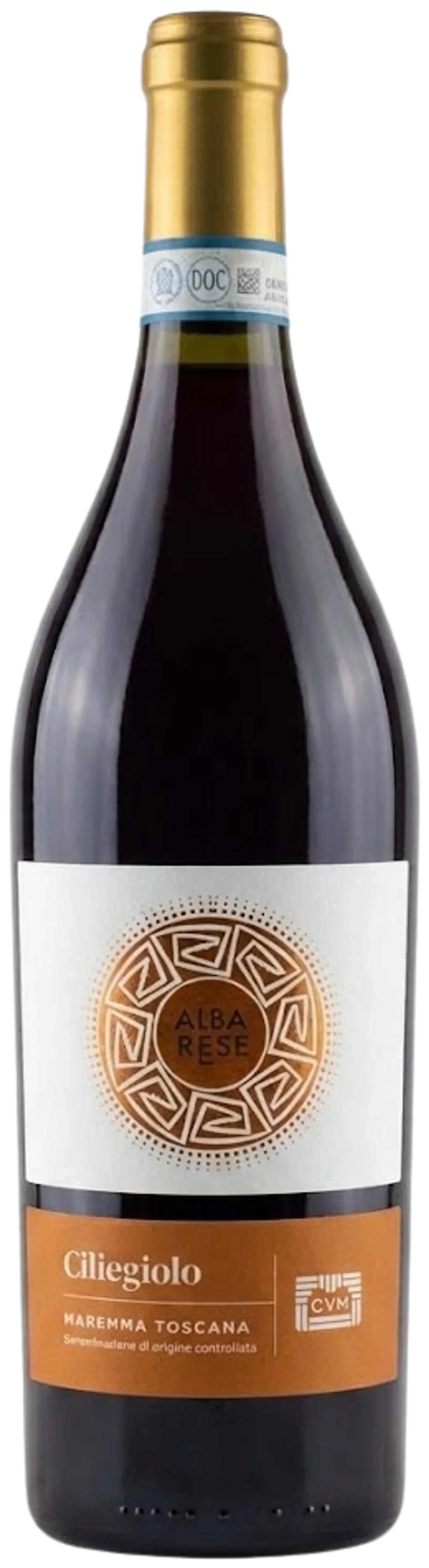
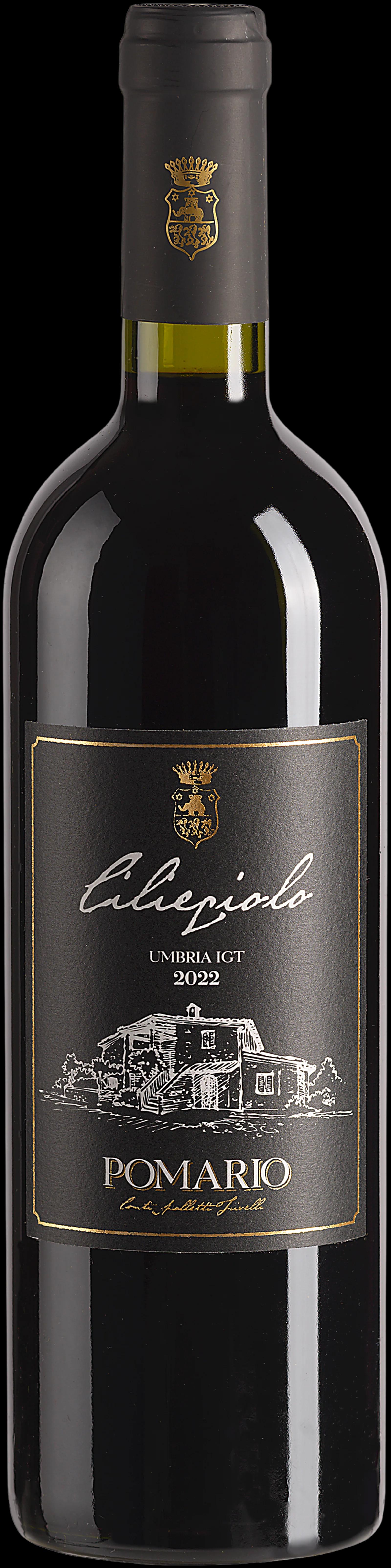
Ciliegiolo is one of central Italy's older native varieties, recorded in Tuscany for several centuries and long used as a blending partner for Sangiovese. Grown on its own, it produces wines that are lighter in structure than Sangiovese but generous in aroma — fresh cherry, a floral lift, and relatively soft tannin. It ripens early in the season, which makes it well suited to the warmer, lower-altitude sites in Maremma and the coastal strip of Tuscany. On Free Grape Society, each bottle is shipped directly from the producer's own cellar, with no importer or warehouse in between.

Previous1 of 1Next

Ciliegiolo mixboxes

A mixbox is the producer's own selection — six bottles chosen as the recommendation they would make if you visited the winery in person. For a grape like Ciliegiolo, which can shift noticeably between a coastal site and a hillside one, tasting a producer's own range side by side is one of the clearest ways to understand what the variety can do. Free Grape Society is a society of producers, independent experts and wine lovers, not a shop.

View all mixboxes

Wineries

The growers below work with Ciliegiolo in different ways — some as a single-variety wine, others as a component in field blends or alongside Sangiovese. Reading a producer's own notes is often the most direct way to understand how they approach the grape, and the wine-advice service is there if you would like a recommendation before choosing.

View all wineries

Wine experts

Independent wine experts review wines they have personally tasted, and their notes appear on each wine page and on the expert's own profile. Several of the experts below have reviewed Ciliegiolo wines featured on this page, so you can read what they found before deciding.

View all wine experts

Frequently asked questions

How do I order Ciliegiolo wine on Free Grape Society?

Browse the wines above, add bottles to your basket, and check out with Klarna or card. Each bottle ships directly from the producer's own cellar — not from a central warehouse. You receive the wine at home, typically within 4 to 14 days of ordering, with free shipping included.

What happens if a bottle arrives broken or doesn't taste right?

Send a photo to Free Grape Society customer support within 7 days of delivery. We will arrange a replacement or a refund. Because producers ship directly, quality issues are handled with the producer's direct involvement. Shared responsibility is built into how FGS works.

Can I order Ciliegiolo from more than one producer in the same order?

Yes. You can add wines from different producers to a single basket and check out in one transaction. Each producer ships their bottles directly from their own cellar, so the parcels may arrive on different days depending on where each winery is located.

How long does delivery take?

Average delivery is 8 to 9 days from order to door. The full range is 4 to 14 days depending on the producer's location and your delivery address. Wines ship directly from the producer's cellar, not from a central warehouse.

How do I choose between the different Ciliegiolo wines on this page?

Start with the growing region. Coastal Maremma tends to produce riper, fuller-bodied expressions of Ciliegiolo, while hillside and inland sites give wines with more acidity and freshness. Reading the producer's own tasting notes is a reliable guide — and if you are unsure, you can ask one of the independent wine experts on the platform for a personal recommendation.

Is Ciliegiolo usually drunk young or does it benefit from age?

Most Ciliegiolo wines are made for relatively early drinking — the variety's appeal is its fresh cherry fruit and soft tannin, which are at their brightest in the first three to five years. Some producers make a more structured, barrel-aged version that rewards a few more years in the bottle, and those wines are usually indicated clearly on the label or in the producer's notes.

Which Ciliegiolo wine expert can recommend something for me?

Several independent wine experts on Free Grape Society have reviewed Ciliegiolo wines. You can read their notes on the individual wine pages, or submit a question through the wine-advice form and one of the experts will reply with a personal recommendation based on what you are looking for.

Why don't you sell supermarket-brand Ciliegiolo wines?

Free Grape Society works only with independent producers who grow, make, and bottle their own wine. Supermarket-branded wines are typically produced at scale by large négociants or co-operatives and sold under a retailer's own label. The producers on this page are the people who tend the vines and decide how the wine is made — that direct relationship is the point.

Can I find Ciliegiolo in Italian wine shops or supermarkets outside Italy?

Ciliegiolo is a native Italian variety with a relatively small international footprint, which means it rarely reaches mainstream retail shelves in most European markets. The wines on this page come directly from producers, which makes it possible to access growers and bottlings that simply do not reach conventional distribution channels.

Where Ciliegiolo comes from and how it expresses itself

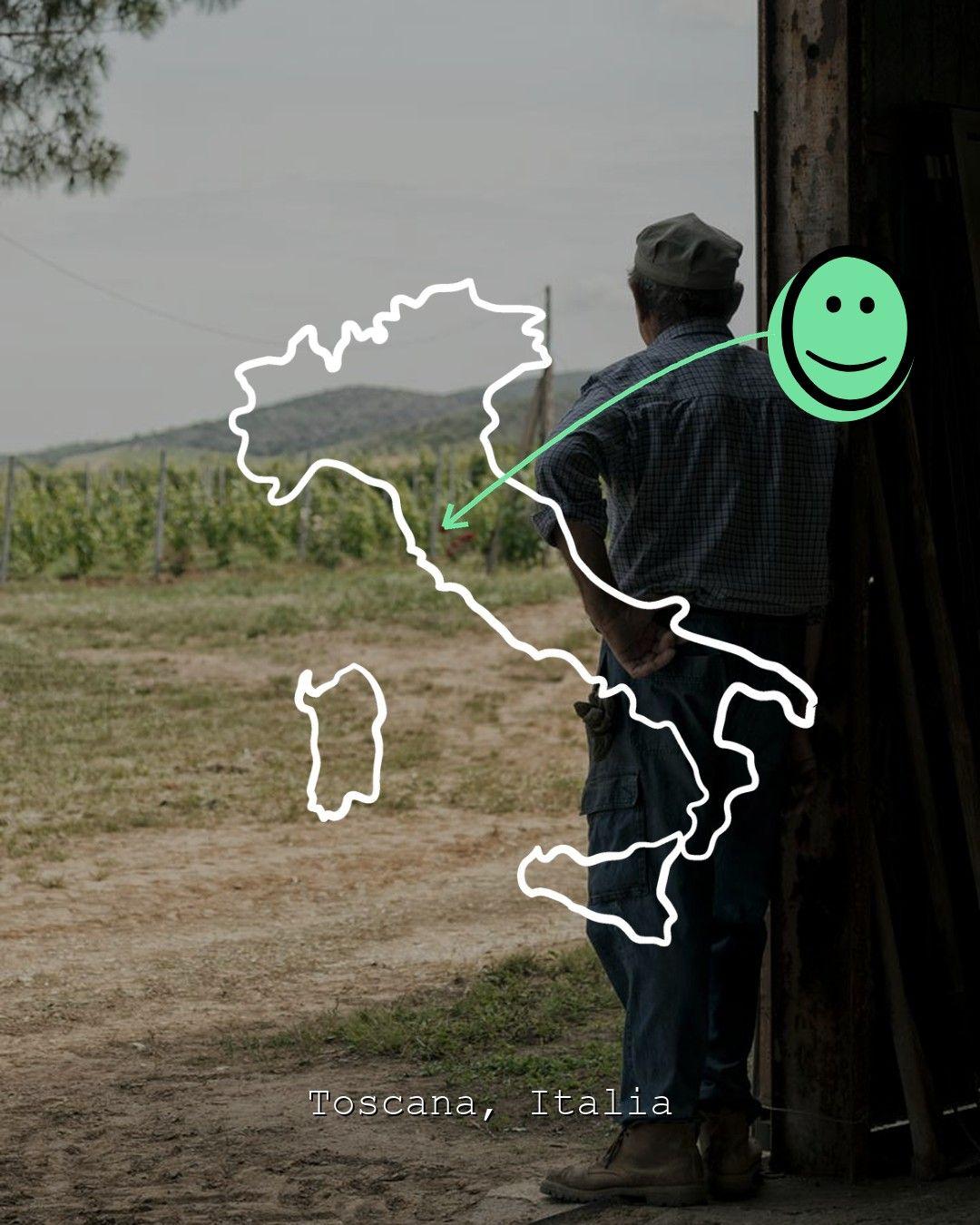
Ciliegiolo is an old Italian red grape whose name comes from the Italian word for cherry — ciliegia — and the connection is not accidental. The variety is known for vivid red fruit, relatively soft tannins and a freshness that makes it approachable young, though it can also take on more structure when handled with care. Its origins are debated, but it has been cultivated in central Italy for centuries and is thought to be one of the parent varieties of Sangiovese, which would make it part of the genetic backbone of much of Tuscany's wine identity. Today it is grown across Tuscany, Umbria, Liguria and parts of Marche, where it shows distinctly different characters depending on soil and altitude. In coastal Maremma, in the southern Tuscan hills, producers tend to get a rounder, more immediately generous wine; further inland or at higher elevation, the wines gain tension and length. It is rarely a grape that dominates a region's identity, which means it is still largely made by smaller independent estates rather than large commercial wineries — exactly the kind of producer you find on Free Grape Society.

How Ciliegiolo tastes, and what to drink it with

The defining characteristic of Ciliegiolo wine is its fruit: cherry, red plum, sometimes a hint of violet or rose petal in the lighter expressions. Tannins are generally moderate and fine-grained rather than grippy, and acidity is lively without being sharp — a combination that makes the grape versatile at the table. It suits food that would overwhelm a more delicate red but would be flattened by something heavier: pasta with tomato and meat, pork dishes, pizza, grilled vegetables, aged pecorino. Some producers in Tuscany and Umbria make a more structured version with extended maceration that can sit alongside a bistecca or slow-cooked lamb. A small number of rosato expressions exist too, where the cherry fruit reads as bright and dry rather than sweet. If you are exploring Italian red wines beyond the well-known names, Ciliegiolo is a useful reference point: it shows you what central Italian red fruit looks like before Sangiovese's tannin and acidity take over.

Buying Ciliegiolo wine direct from independent producers

Ciliegiolo is not a grape you are likely to find in a supermarket. Its production is concentrated among small estates in Tuscany, Umbria and Liguria that bottle it as a varietal wine — usually in limited quantities — or blend it into regional appellations. On Free Grape Society, each producer ships directly from their own cellar, with no importer or warehouse in between, which is how wines like this remain available at all: the economics of small-production Italian varieties only work when the supply chain is short. Wines tasted before listing means that what you see on the page has already been evaluated by the Head of Product before it reaches you. If you want a second view before deciding, independent wine experts review wines they have personally tasted, and their notes are visible on each wine page and on the expert's own profile. Free Grape Society is a society of producers, independent experts and wine lovers — not a shop. If Ciliegiolo sparks an interest in the broader world of Italian wines, or in the varieties grown alongside it in Tuscany such as Sangiovese and Canaiolo, there is a full range of independent producers to explore from there.