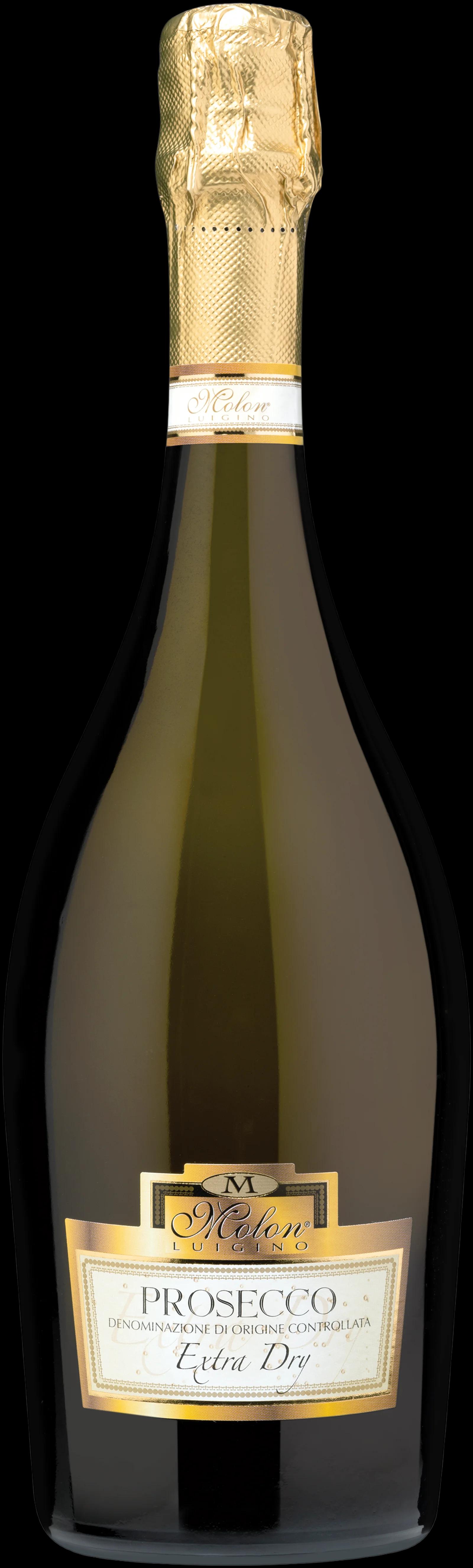
Glera: the grape behind Prosecco, from independent Veneto producers

Glera wine is best known as the grape that makes Prosecco, grown across the hills of Veneto and Friuli Venezia Giulia. The producers here bottle it themselves, direct from their own estates.

A light, aromatic white variety that ripens late and keeps its freshness in the glass.

Color

Dropdown arrow

Type

Dropdown arrow

Country

Dropdown arrow

Region

Dropdown arrow

Grape

Dropdown arrow

Pairing

Dropdown arrow

Sort by

Sort arrow
Glera

Glera wines

Glera has been grown in the Venetian foothills for centuries, long before Prosecco became a category known worldwide. The variety ripens late in the season and holds onto acidity well, which is why it produces sparkling wines with freshness and lift rather than weight. It is grown almost exclusively in Veneto and Friuli Venezia Giulia, where the best sites sit on steep hillsides with well-drained soils. Each bottle here ships directly from the grower's own cellar, with no importer or warehouse in between.

5 of 5 wines

Previous1 of 1Next

Glera wine cases

A Glera wine case is a producer's own selection of six bottles, put together as the recommendation they would make if you visited their cellar. For a variety like Glera — where the same estate might produce a Prosecco DOC, a Prosecco Superiore DOCG, and a still version in the same year — a case is one of the more useful ways to see how one grower works across styles. Free Grape Society is a society of producers, independent experts and wine lovers, not a shop.
View all mixboxes

Wineries

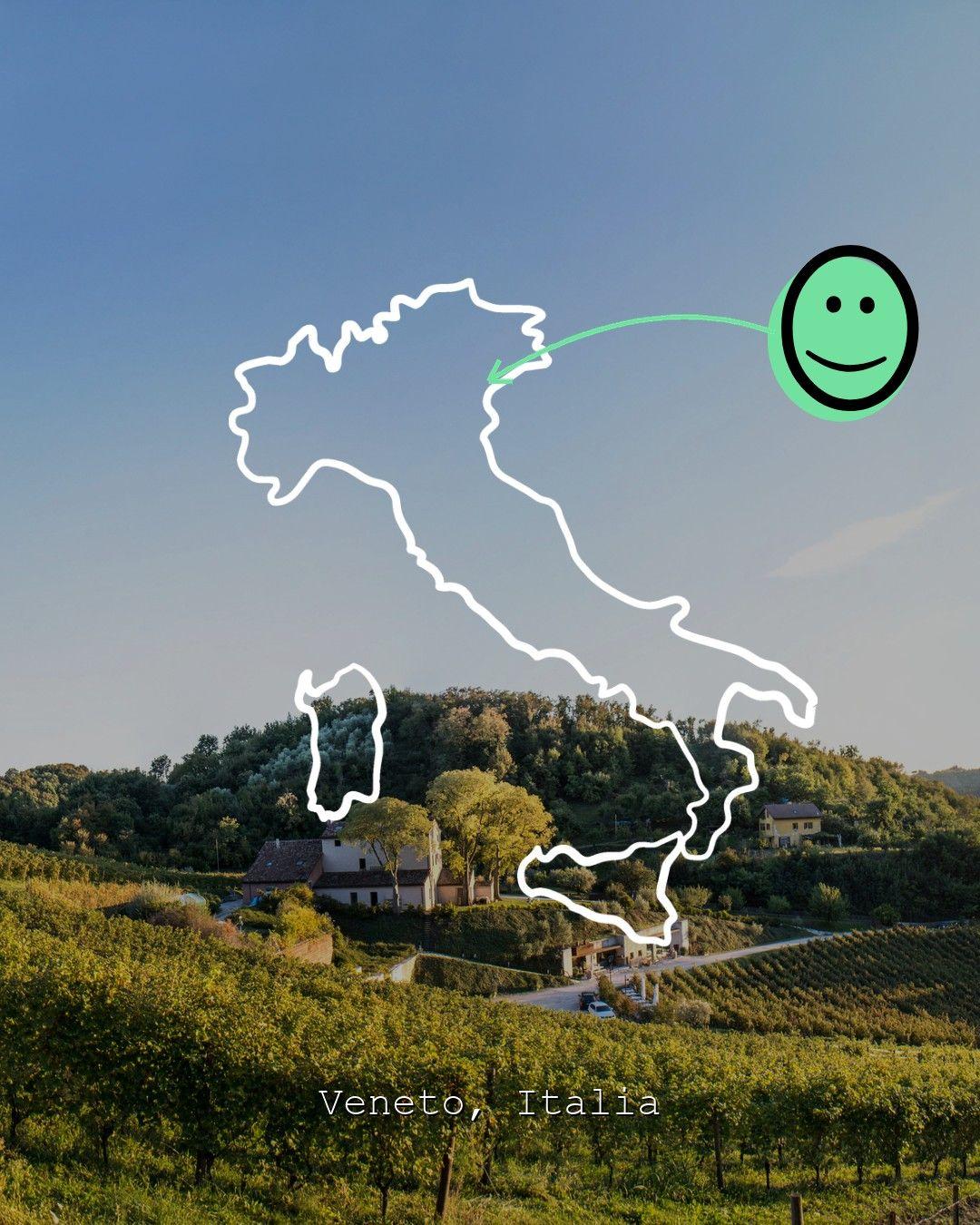
The growers listed here work with Glera in its home territory — the hills between Treviso and Conegliano in Veneto, and across into Friuli Venezia Giulia. Reading a producer's own notes is often the quickest way to understand why they choose to make Glera the way they do: whether they are working to a Prosecco DOC or a single-vineyard DOCG bottling can change everything about how the wine is made and how it tastes. The wine-advice service is there if you would like a steer before choosing.

View all wineries

Wine experts

Glera is a variety where a second opinion is genuinely useful, because the range of wines it produces — from tank-fermented Prosecco DOC to complex Rive single-vineyard bottlings — is wider than most people expect. Independent wine experts review wines they have personally tasted, and their reviews are visible on each wine page and on the expert's own profile. Several of the experts listed here have reviewed Glera wines featured on this page, so you can read what they thought before deciding.

View all wine experts

Frequently asked questions

How do I order a Glera wine from Free Grape Society?

Browse the Glera wines listed on this page, add a bottle or more to your cart, and check out using Klarna or card. Each bottle ships directly from the producer's cellar. Delivery takes between 4 and 14 days, with an average of around 8 to 9 days, and shipping is free. You receive an order confirmation and tracking details once the producer dispatches.

What happens if a bottle arrives broken or doesn't taste right?

Send a photo to Free Grape Society customer support within 7 days of delivery. We will arrange a replacement or a refund. Because producers ship directly, quality issues are handled with the producer's direct involvement. Shared responsibility is built into how FGS works.

Can I order Glera wines from more than one producer in the same order?

Yes. You can add bottles from different Glera producers to the same order and check out in one go. Each producer ships their own bottles directly to you, so you may receive more than one delivery if you order from multiple estates. Shipping is free regardless.

How long does delivery take?

Average delivery is 8 to 9 days from order to door. The full range is 4 to 14 days depending on the producer's location and your delivery address. Wines ship directly from the producer's cellar, not from a central warehouse.

How do I choose between the different Glera wines on this page?

The main split is between Prosecco DOC — made across a broad area using tank fermentation, designed for freshness and everyday drinking — and Prosecco Superiore DOCG from Conegliano Valdobbiadene, where hillside sites and stricter rules produce more structured wines. Within the DOCG, single-vineyard Rive bottlings go further still. Reading the producer's own description is the most direct way to understand what you are buying.

Is there a still version of Glera, or is it always sparkling?

Glera is grown almost entirely for sparkling wine, but a small number of producers make a still version — sometimes labelled as Glera tranquillo — which shows the grape's aromatic character and natural acidity without the bubbles. Where a producer on this page makes a still Glera, it will be listed alongside their sparkling wines. It is a useful reference point for understanding the variety itself.

Which wine expert can recommend a Glera wine for me?

The independent wine experts listed on this page have reviewed Glera wines they have personally tasted. Browse their profiles to read their notes, or use the wine-advice form to ask a question directly. An expert will come back to you with a recommendation based on what you are looking for and what you already enjoy.

Why don't you sell supermarket-brand Glera wines?

Free Grape Society works with independent producers who grow their own grapes and bottle their own wine. Large-volume Prosecco brands — the kind found in supermarkets — are typically assembled from bought-in grapes or base wine across a wide area. The Glera wines here are estate-bottled, which means the grower controls everything from the vineyard to the label.

Can I buy Glera wine from a local wine shop instead?

You can, though most high-street and supermarket ranges carry a narrow selection of well-known Prosecco brands rather than estate-bottled Glera from independent growers. Free Grape Society connects you directly with the producers, so the wines here are not typically available through standard retail channels. Buying direct also means the producer receives a fairer return.

Where Glera comes from and what makes it Prosecco

Glera is a white grape variety native to north-east Italy, grown primarily across the Veneto and Friuli Venezia Giulia regions. It is the grape behind Prosecco DOC and Prosecco Superiore DOCG — appellations that cover a wide arc of territory from the plains around Venice up into the steep hills of Conegliano and Valdobbiadene. The grape itself is thin-skinned and high-yielding, with naturally high acidity and relatively low alcohol, which makes it well suited to the light, refreshing sparkling wines it is best known for. Most Prosecco is made using the Charmat method, where secondary fermentation takes place in pressurised tanks rather than in the bottle — a choice that preserves the grape's fresh, delicate aromatics rather than developing the toasty complexity associated with traditional-method sparkling wines. Glera also grows in Friuli, where a small number of producers make still and lightly sparkling versions under their own labels, often with a slightly more textured character than the classic Prosecco style. You can find independent producers working with Glera on the Veneto wines and Friuli Venezia Giulia wines pages.

How Glera wine tastes, and what to eat with it

Glera produces wines that are typically pale straw in colour, light in body, and lower in alcohol than most still whites. The aromatic profile leans toward white peach, green apple, pear, and a faint floral note — wisteria or acacia are common descriptors. Acidity is the grape's defining structural feature: it keeps the wine lively and clean on the palate, which is partly why Prosecco became so popular as an aperitivo. The sweetness level varies. Most Prosecco is labelled Brut or Extra Dry — the latter slightly sweeter than it sounds, sitting between dry and off-dry. Demi-sec versions exist but are less common. At the table, Glera's lightness and acidity make it a reliable match for delicate starters: cured meats, mild cheeses, raw seafood, and vegetable-based antipasti all work well. It also pairs cleanly with lightly fried food, where the acidity cuts through oil without overwhelming flavour. For richer fish dishes or white meat, look at the still and lightly sparkling versions from smaller Friuli producers — they tend to carry a little more weight. Producers working with Glera across Italy are listed on the Italian wines and Lombardy wines pages, alongside broader sparkling options from other regions.

Buying Glera wine direct from independent producers

Most Glera on the market passes through importers and distribution networks before it reaches the shelf, which compresses margins and limits what the producer can tell you about the wine. On Free Grape Society, producers ship directly from their own cellars — no importer, agent, or warehouse in between. That means the price reflects the producer's own decision, and the wine arrives as they intended it. The Glera producers on this page are independent growers, not large cooperative brands. Some focus exclusively on the Prosecco appellation; others work across a wider range and treat Glera as one variety among several. Reading their own notes before ordering is often more useful than any generic style description. For still wines and broader Italian white grape variety pages, the white wines from Italy page is a good starting point. Mixboxes from Italian producers — each a six-bottle selection put together by the producer themselves — are listed on the Italian mixboxes and Veneto mixboxes pages. Free Grape Society is a society of producers, independent experts and wine lovers, not a shop.