Terret Gris: a rare Languedoc grape, crisp and saline from warm limestone soils

Terret Gris wine is dry, high in acidity and low in alcohol — an unusual combination from a grape that has been cultivated around the Étang de Thau lagoon for centuries. The producers below grow it where it has always belonged.

One of the oldest varieties in southern France, grown almost exclusively in the Languedoc.

Color

Dropdown arrow

Type

Dropdown arrow

Country

Dropdown arrow

Region

Dropdown arrow

Grape

Dropdown arrow

Pairing

Dropdown arrow

Sort by

Sort arrow
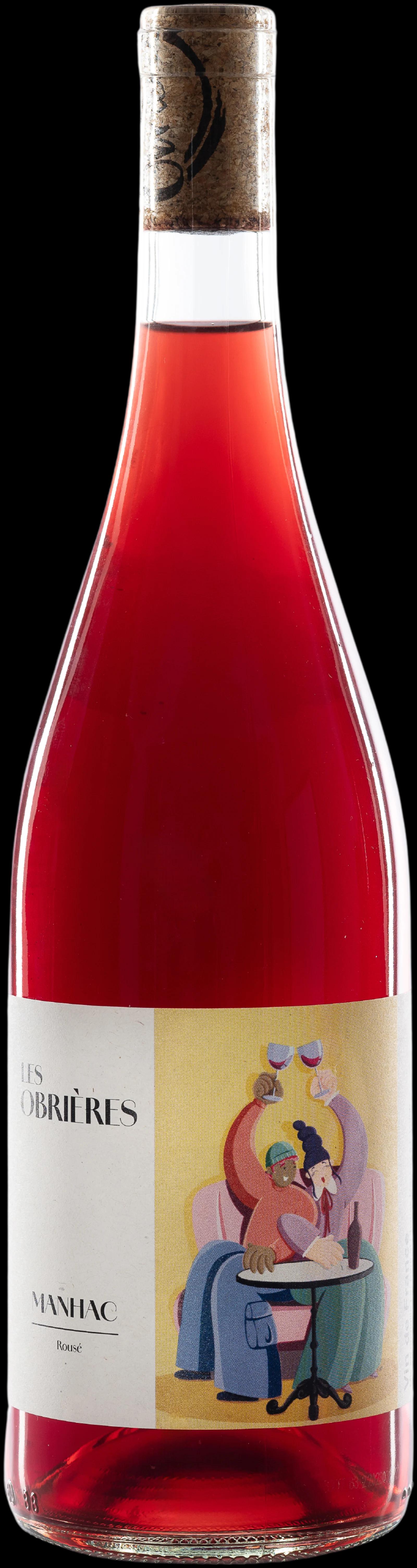
Terret Gris

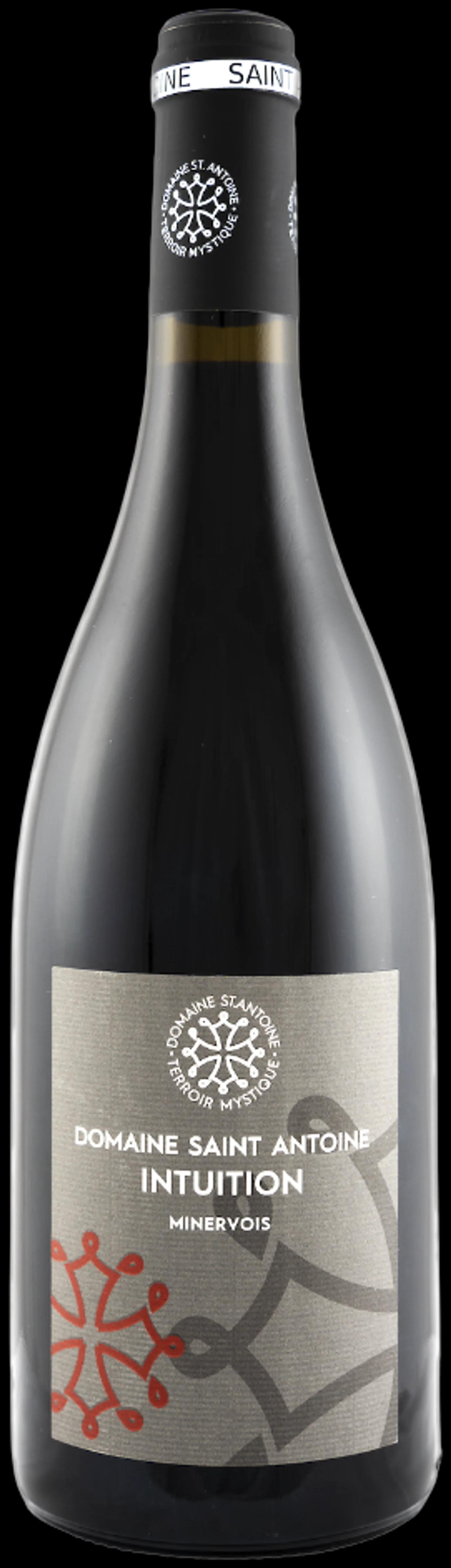
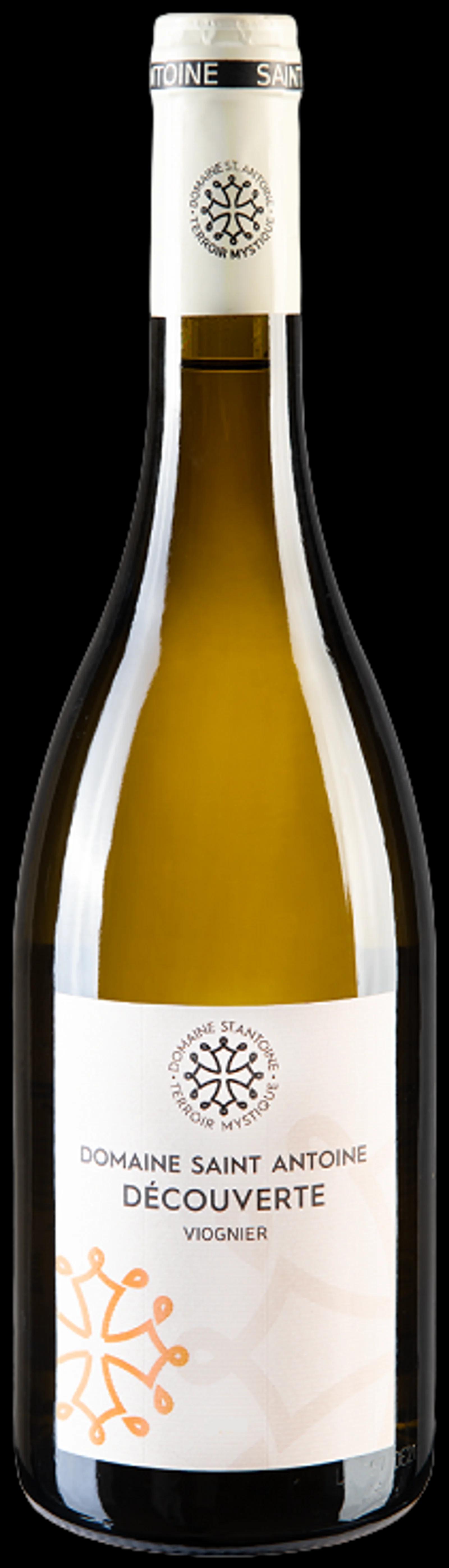
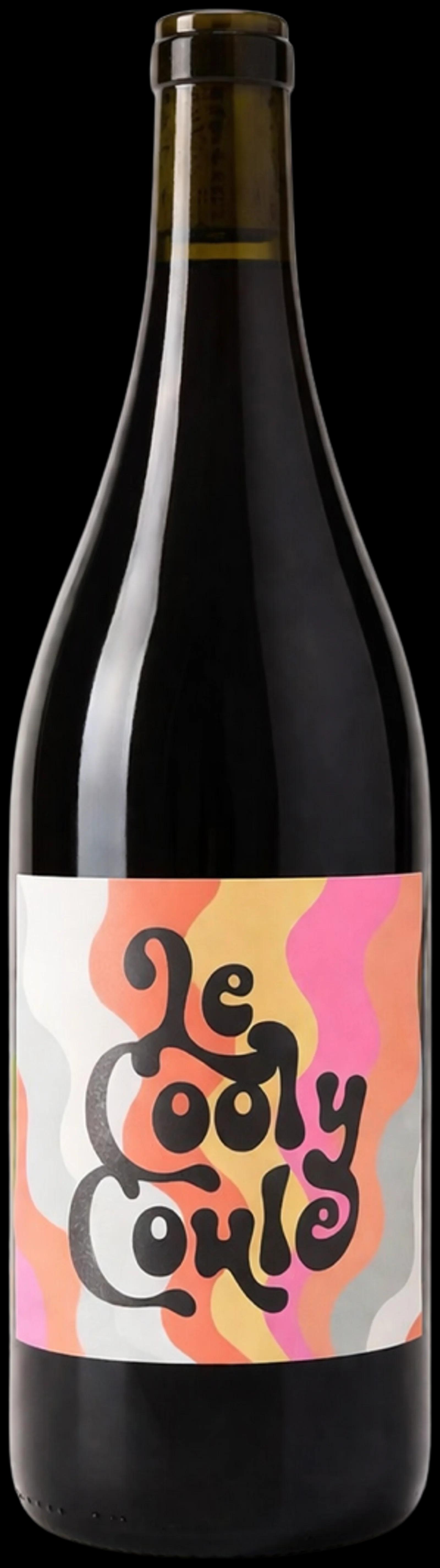
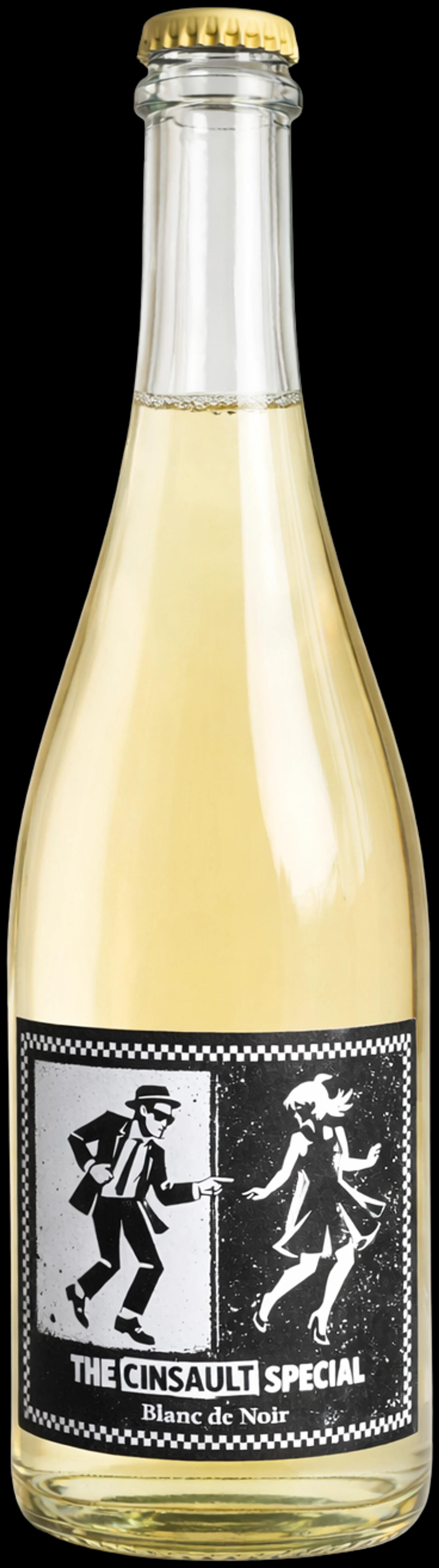
Terret Gris wines

Terret Gris is grown almost entirely within a narrow coastal strip of the Languedoc, centred on the Bassin de Thau near Sète. The lagoon moderates temperatures and pulls a salinity into the wines that is difficult to replicate inland. It ripens late, holds acidity well into the summer heat, and has historically been blended — often with its siblings Terret Blanc and Terret Noir — into Picpoul de Pinet and other southern appellations. The bottles here come directly from growers who still farm it, shipped from their own cellars with no importer in between.

1 of 1 wine

Previous1 of 1Next

Terret Gris wine cases

A producer's Terret Gris selection reflects how they work with the grape — whether they bottle it as a varietal, blend it, or vinify it with minimal intervention to preserve its natural salinity. A wine case is the producer's own six-bottle recommendation: the wines they would open if you visited. Free Grape Society is a society of producers, independent experts and wine lovers, not a shop.

View all mixboxes

Wineries

The wineries below work with Terret Gris in the context of broader Languedoc-Roussillon portfolios — some focused on it as a single-variety bottling, others using it as a blending component in the region's traditional style. Reading a producer's notes gives the quickest sense of how they use the grape and why, and the wine-advice service is there if you would rather talk it through before choosing.

View all wineries

Wine experts

Because Terret Gris is so rarely bottled as a varietal outside the Languedoc, independent reviews are a useful guide. Wine experts on Free Grape Society review wines they have personally tasted, and those reviews appear on the wine page and on the expert's own profile. Several of the experts listed here have reviewed Languedoc whites that include Terret Gris, so you can see their notes before deciding.

View all wine experts

Frequently asked questions

How do I order Terret Gris wine on Free Grape Society?

Browse the wines on this page and add bottles to your basket. Each bottle ships directly from the producer's own cellar — not from a central warehouse. Your order includes free delivery to your door and is paid securely by card or Klarna. Delivery typically takes between four and fourteen days depending on where the producer is based.

What happens if a bottle arrives broken or doesn't taste right?

Send a photo to Free Grape Society customer support within 7 days of delivery. We will arrange a replacement or a refund. Because producers ship directly, quality issues are handled with the producer's direct involvement. Shared responsibility is built into how FGS works.

Can I order Terret Gris from more than one producer in the same order?

Yes. You can add wines from different producers to the same basket. Each producer ships their bottles separately, directly from their own cellar. You pay once at checkout, and each shipment arrives within its own delivery window. Free shipping applies to every order.

How long does delivery take?

Average delivery is 8 to 9 days from order to door. The full range is 4 to 14 days depending on the producer's location and your delivery address. Wines ship directly from the producer's cellar, not from a central warehouse.

How do I choose between the different Terret Gris wines on this page?

Terret Gris varies most by how the producer vinifies it — some bottle it unblended to show the grape's natural salinity and acidity, others blend it with Terret Blanc or Picpoul. Looking at whether it is a single-variety bottling or a blend, and checking any tasting notes the producer has provided, is the clearest guide. The wine-advice service is there if you want a recommendation before choosing.

Why is Terret Gris so hard to find outside the Languedoc?

Terret Gris is grown almost exclusively in a small coastal area of the Languedoc around the Bassin de Thau. It has historically been used as a blending grape rather than bottled as a single variety, which means very little reaches markets outside southern France through conventional distribution. Buying directly from producers who still grow it is one of the few reliable ways to find it.

Which Terret Gris wine expert can recommend something for me?

Several independent wine experts on Free Grape Society have reviewed Languedoc whites and can help you choose a Terret Gris. You can ask a wine expert directly by filling in the form on their profile page — they will respond with a personal recommendation based on what you are looking for.

Why don't you sell supermarket-brand Terret Gris wines?

Supermarket listings are supplied through importers and large distribution chains, which is exactly the layer Free Grape Society removes. The wines here are bottled by independent producers and shipped directly from their cellars. Terret Gris is rarely bottled as a varietal at all in mass-market production — most of what exists comes from small growers, which makes direct purchase the most practical route.

Can I find Terret Gris at a wine merchant or supermarket in my country?

Rarely. Terret Gris is an obscure variety even within France, and as a single-variety bottling it almost never reaches retail shelves outside the Languedoc. The conventional wine trade concentrates on established appellations and commercially proven grapes. For a variety this regional, buying directly from producers who grow it is the most reliable option available.

Where Terret Gris comes from and what it produces

Terret Gris is an old variety from the south of France, grown primarily in the Languedoc and around the Hérault department, where it has been cultivated for centuries as part of the region's viticultural tradition. It is one of three Terret mutations — alongside Terret Blanc and a red-skinned form — and of the three, the gris is considered the most interesting in the glass. The grape produces dry white and rosé-style wines with relatively high natural acidity for the warm southern climate, which historically made it useful for blending but increasingly sees it bottled as a varietal by producers interested in indigenous southern French grapes. The wines tend to be fresh, saline in character, and lower in alcohol than many of their Mediterranean neighbours — qualities that travel well to the table. Producers working in Languedoc-Roussillon are the main source, though the variety appears occasionally across the wider south.

How Terret Gris tastes, and what to drink it with

Terret Gris is a grape that rewards curiosity. Its wines are typically pale in colour, dry, and built around acidity rather than weight — closer in feel to a lean northern French white than to the fuller, richer styles more commonly associated with the Languedoc. Aromatically, the wines tend toward citrus peel, white stone fruit, and a mineral or saline thread that reflects the variety's affinity for soils near the Mediterranean coast. That freshness makes it a natural partner for seafood: grilled fish, oysters, shellfish, and dishes where a squeeze of lemon would not be out of place. It also works well alongside lighter vegetable preparations and fresh goat's cheese. If you are exploring the south of France beyond the better-known Grenache Blanc, Roussanne, or Rolle, Terret Gris is a logical next step — a variety that offers a different register without straying far from the same landscape.

Buying Terret Gris direct from independent producers

Because Terret Gris is a niche variety even within France, finding it outside specialist wine merchants or the region itself has traditionally been difficult. On Free Grape Society, wines made from it are sold and shipped directly from the producer's own cellar, with no importer or warehouse adding distance between the grower and your glass. That matters for a grape like this: the producers who bottle it as a varietal tend to be small, estate-focused growers for whom it is a deliberate choice rather than an afterthought — and buying directly from them keeps that intention intact. Wines tasted before listing means there is a quality baseline on every bottle you see here. If you want to explore more of the south of France, the Languedoc-Roussillon wines page covers the full range of independent producers from the region, and French wines gives a broader view across the country. Free Grape Society is a society of producers, independent experts and wine lovers, not a shop — and a grape this specific is exactly the kind of discovery it exists to make accessible.