Where Roussanne comes from and how region shapes it
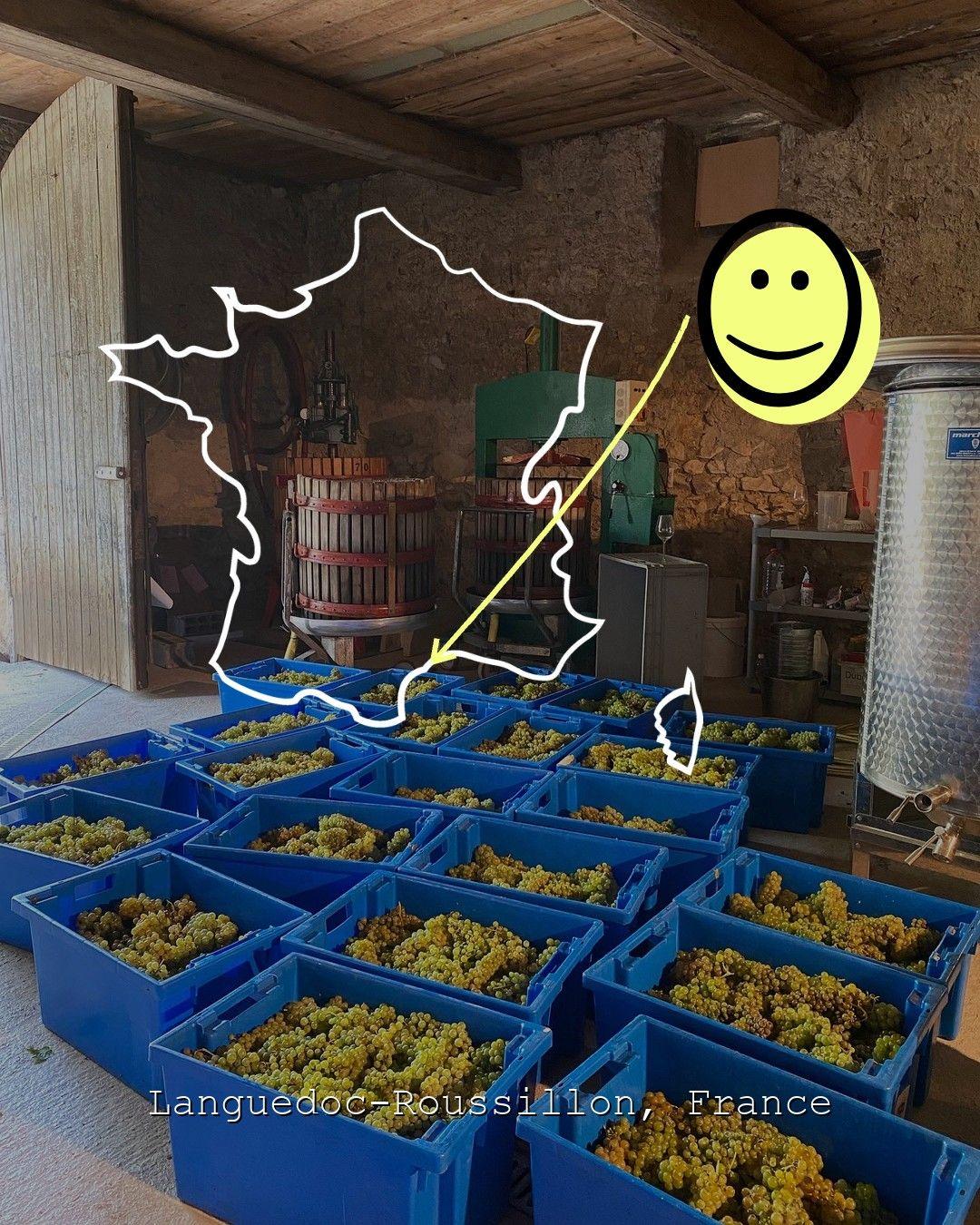
Roussanne is native to the northern Rhône Valley in France, where it has been grown alongside Marsanne for centuries. Its traditional home is the appellations of Hermitage and Crozes-Hermitage, but it is equally at home further south in the Rhône Valley and across Languedoc-Roussillon, where it contributes to white and rosé blends as well as single-variety wines. The grape is also permitted in several southern Rhône appellations, including Châteauneuf-du-Pape, where it adds perfume and texture to blends dominated by other varieties. Outside France, it has found a foothold in Tuscany and parts of Spain, where warmer sites allow it to ripen fully. Roussanne is a difficult grape to grow: it buds early, ripens late, and is prone to powdery mildew, which is one reason many producers in its heartland have historically favoured the hardier Marsanne. Where growers persist with it, the results tend to be wines of unusual aromatic complexity and aging potential.
How Roussanne tastes, and what to drink it with
Roussanne produces white wines that are floral and textured, with characteristic aromas of white blossom, herbal tea, peach, and sometimes a faint savouriness that sets it apart from other southern French whites. In cooler sites or younger vintages the wine tends to be fresh and aromatic; with age or in warmer years it develops a richer, almost waxy quality and gains in weight. The grape has naturally high acidity, which helps it age well and keeps richer examples from feeling heavy. It pairs well with dishes that have some weight and flavour of their own: roasted chicken, rabbit with herbs, gratins, and white-rinded cheeses are natural matches. It also works alongside fish dishes prepared with butter or cream rather than simply grilled. If you want to explore the grape across different styles, the white wines from France page and the Rhône Valley wines page both carry producers who work with it.
Buying Roussanne wine direct from independent producers
Roussanne is not a grape you will find in most supermarkets, which makes sourcing it from independent producers the most reliable route to quality. On Free Grape Society, producers who grow Roussanne ship their wines directly from their own cellar, with no importer or warehouse in between — so what arrives is exactly what the grower bottled, stored and shipped themselves. Most of the wines available here come from the grape's French heartland, particularly the Rhône Valley and Languedoc-Roussillon, though you will also find it from growers in Italy and Spain. Wines tasted before listing means the range you see reflects genuine quality rather than a catalog assembled at a distance. Free Grape Society is a society of producers, independent experts and wine lovers, not a shop — and for a grape as distinctive and underrepresented as Roussanne, that difference in approach tends to show in what ends up in the glass.