Grenache Noir: the Mediterranean's most widely planted red grape

Grenache Noir wine ranges from pale, peppery rosé to deep, structured red depending on where it grows and how long it spends on the vine. The producers below grow it across southern France, Spain, and beyond.

From sun-baked garrigue in the Rhône to high-altitude vineyards in Aragon, one grape in many registers.

Color

Dropdown arrow

Type

Dropdown arrow

Country

Dropdown arrow

Region

Dropdown arrow

Grape

Dropdown arrow

Pairing

Dropdown arrow

Sort by

Sort arrow
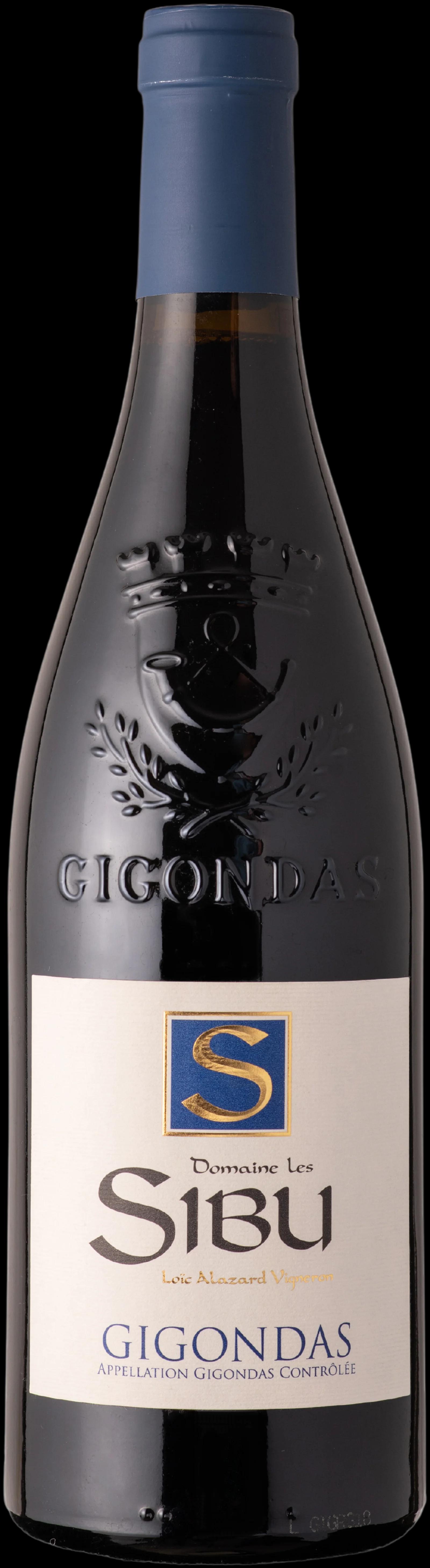
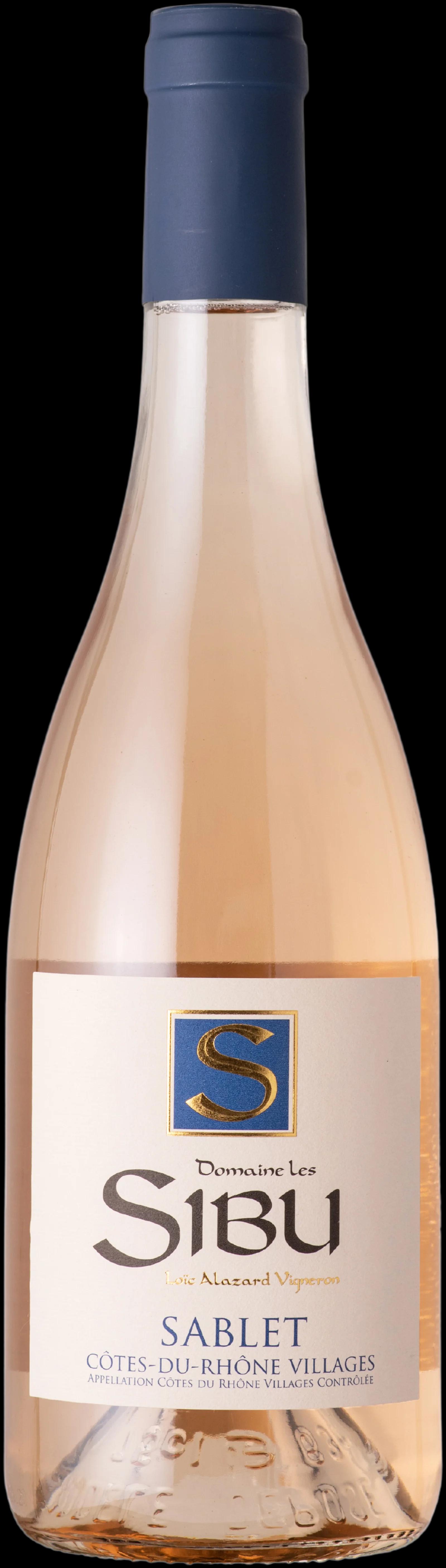
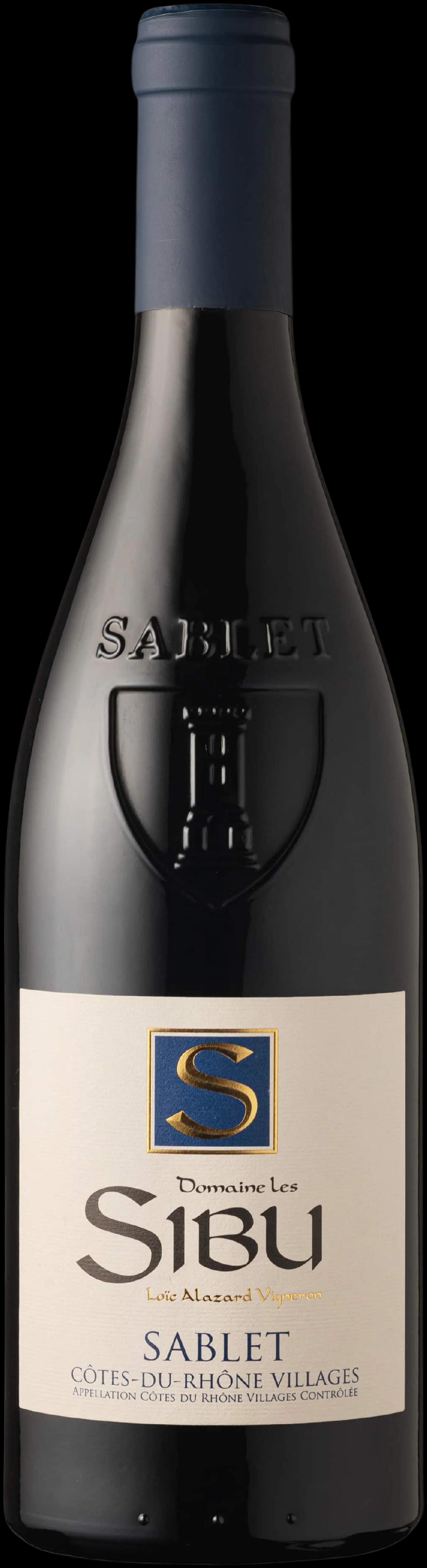
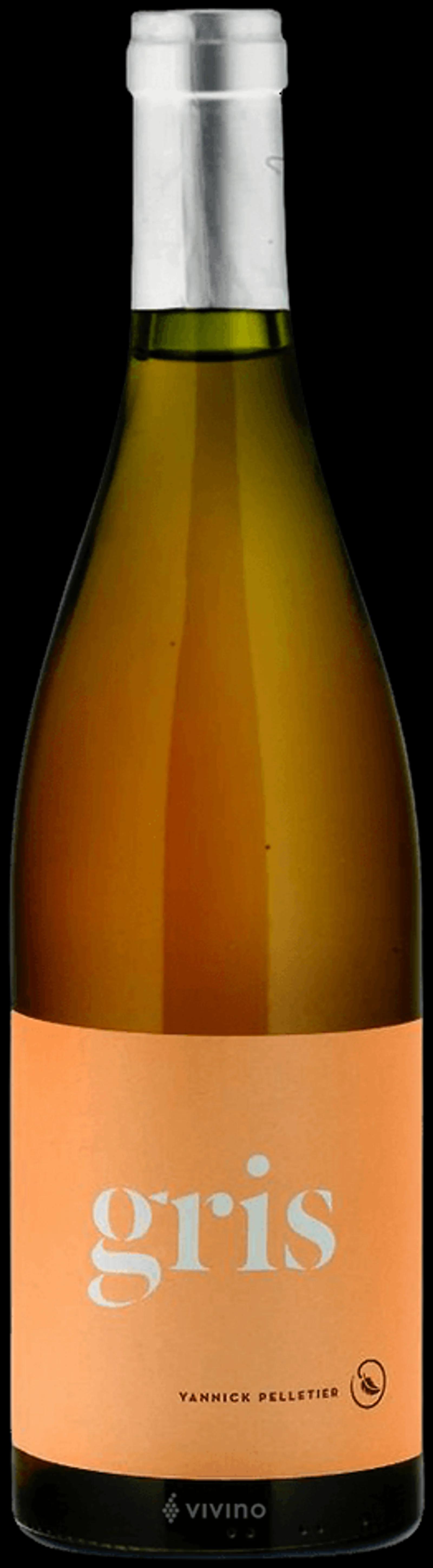
Grenache Noir

Grenache Noir wines

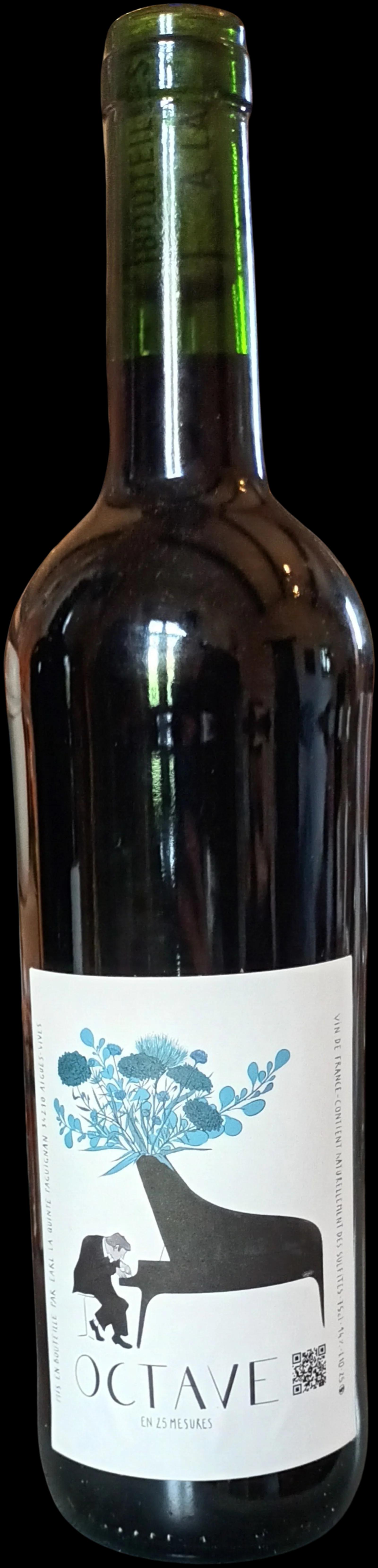
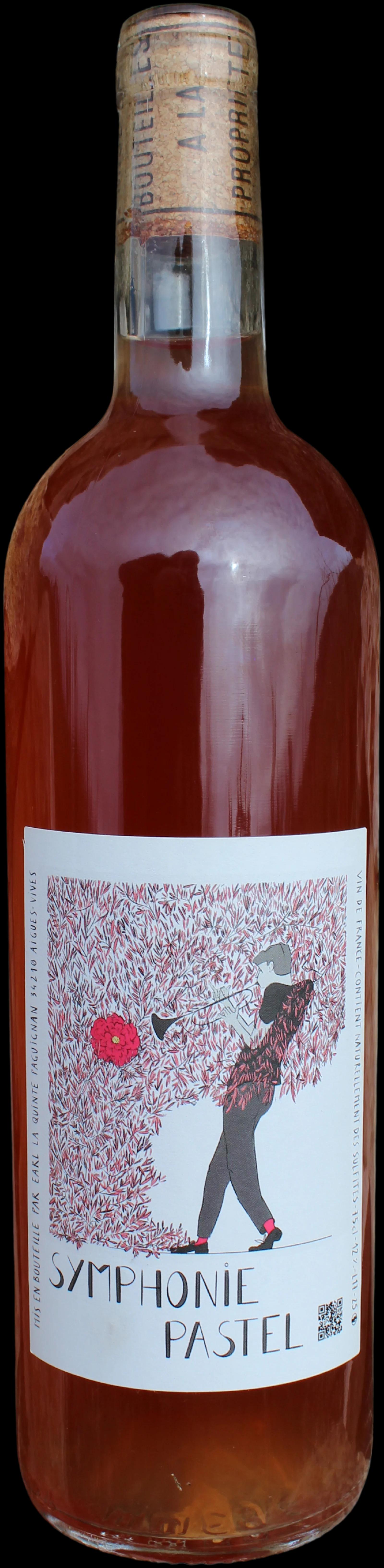
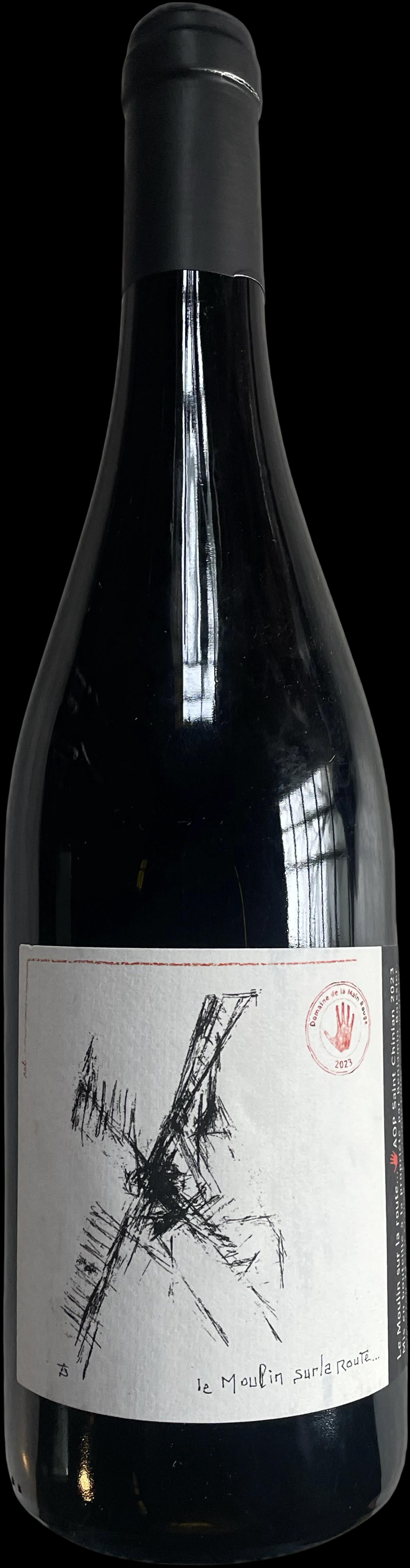
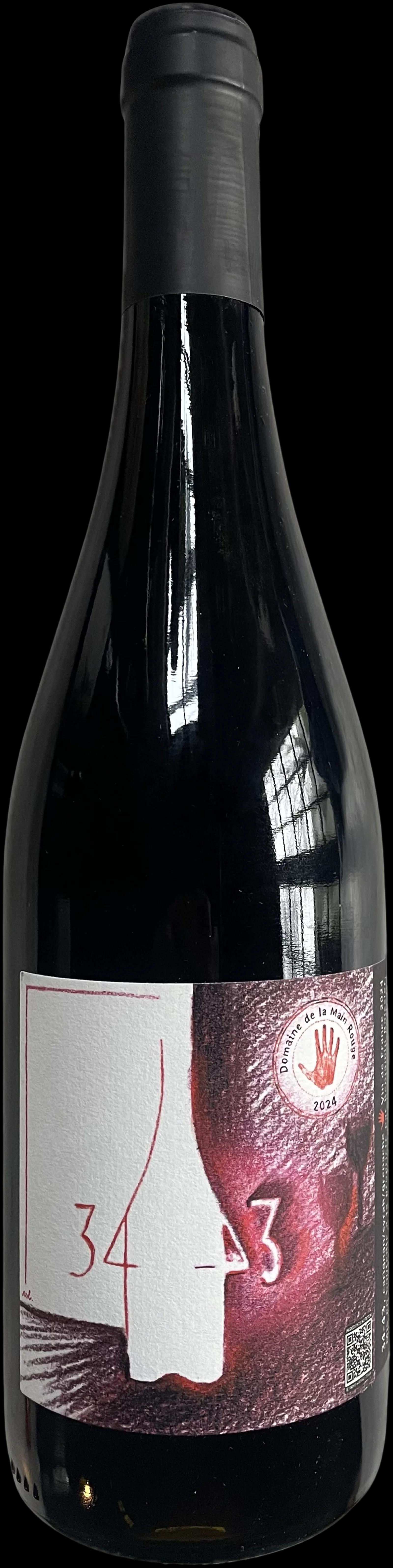
Grenache Noir ripens late and loves heat, which is why it thrives in the southern Rhône, Languedoc, Roussillon, and across the Spanish interior. In the Rhône it is rarely bottled alone — Châteauneuf-du-Pape blends it with Syrah and Mourvèdre to build structure around its natural softness. In Aragon and Priorat, grown at altitude on slate and poor soils, it produces something altogether more concentrated. On Free Grape Society, each bottle ships directly from the grower's own cellar, with no importer or warehouse in between.

Previous1 of 1Next

Grenache Noir mixboxes

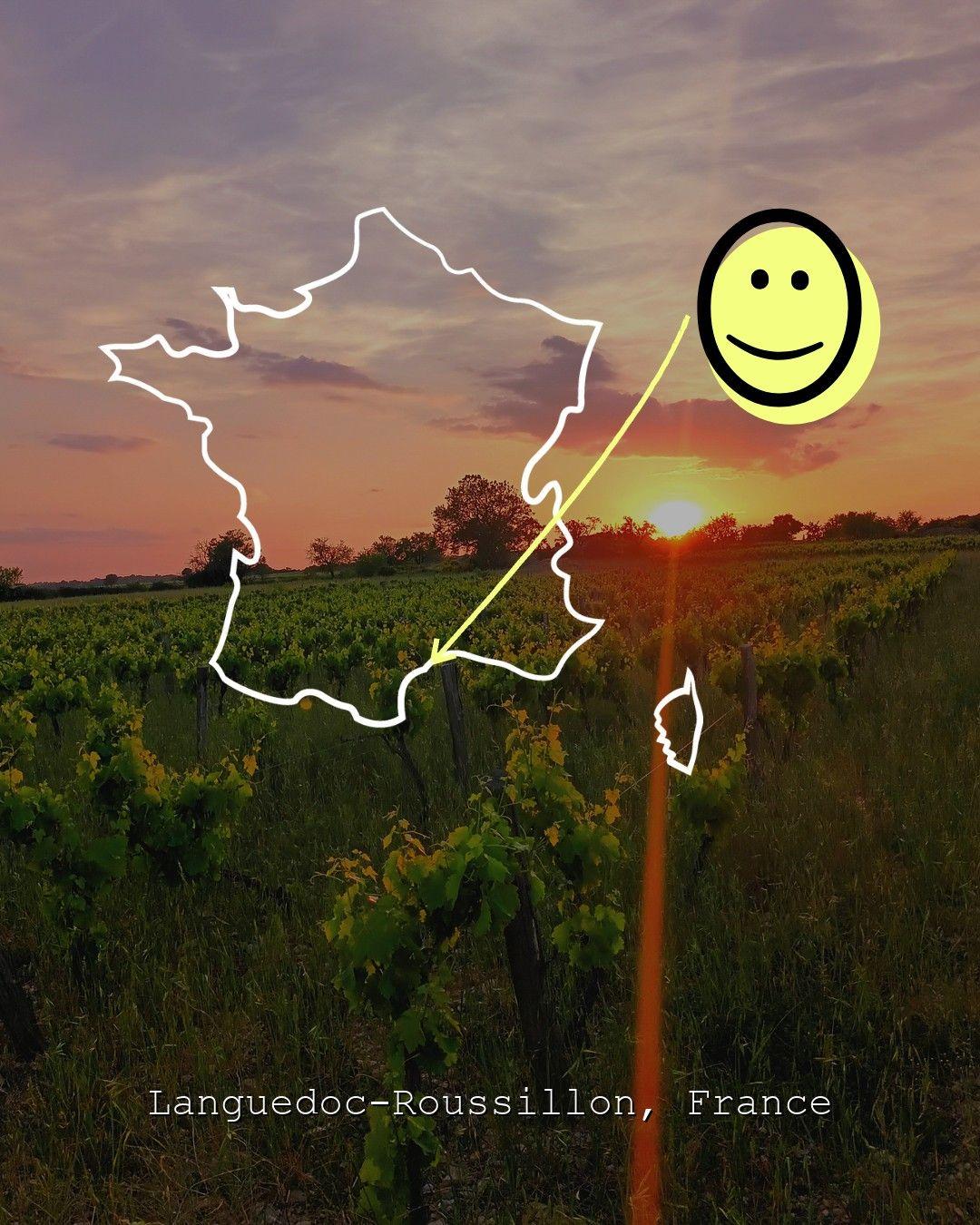
A mixbox is a producer's own selection of six bottles, composed as the recommendation they would make if you walked into their cellar and asked where to start. With Grenache Noir, that often means tasting a domaine's range across different parcels or styles — a still red alongside a rosé, or two vintages of the same wine — where the grape's sensitivity to site and season shows clearly. Free Grape Society is a society of producers, independent experts and wine lovers, not a shop.
View all mixboxes

Wineries

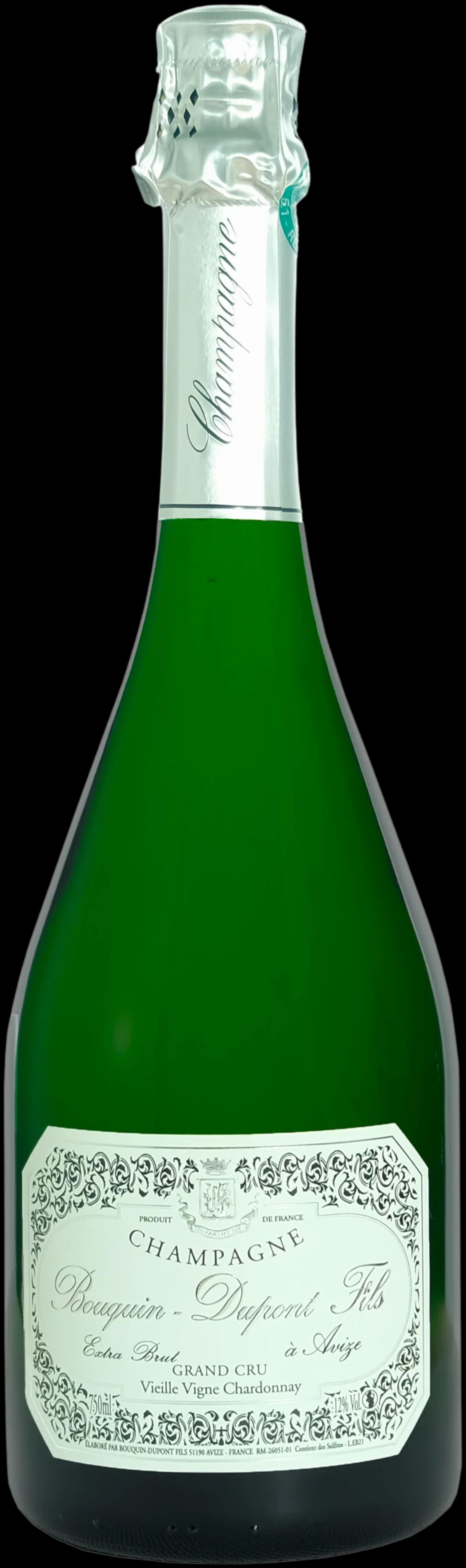
The growers below work with Grenache Noir in very different settings: family estates in the Languedoc that have grown it for generations, small producers in Roussillon pushing into high-altitude terroir, and Spanish bodegas in Aragon and Castilla-La Mancha where it is known as Garnacha. Reading a producer's own notes on how and where they grow it is often the quickest way to understand why their wine tastes the way it does, and the wine-advice service is there if you would rather talk it through first.
View all wineries

Wine experts

Grenache Noir produces wines that can look deceptively light in the glass but carry real depth — a combination that puzzles some drinkers and rewards those who know what to expect. Independent wine experts review wines they have personally tasted, and their notes are visible on each wine page and on the expert's own profile. Several of the experts below have reviewed Grenache Noir wines featured on this page, so you can read what they found before choosing.

View all wine experts

Frequently asked questions

How do I order a Grenache Noir wine on Free Grape Society?

Browse the wines on this page, add a bottle to your order, and pay securely by card or Klarna. Each wine ships directly from the producer's own cellar. Delivery takes between 4 and 14 days depending on where the producer is based, and shipping is free.

What happens if a bottle arrives broken or doesn't taste right?

Send a photo to Free Grape Society customer support within 7 days of delivery. We will arrange a replacement or a refund. Because producers ship directly, quality issues are handled with the producer's direct involvement. Shared responsibility is built into how FGS works.

Can I order Grenache Noir wines from more than one producer at the same time?

Yes. You can add bottles from different producers to the same order. Each producer ships their own wines separately from their cellar, so you may receive more than one delivery. All shipments are included in the free shipping.

How long does delivery take?

Average delivery is 8 to 9 days from order to door. The full range is 4 to 14 days depending on the producer's location and your delivery address. Wines ship directly from the producer's cellar, not from a central warehouse.

How do I choose between the different Grenache Noir wines on this page?

Start with where the wine comes from. Southern Rhône Grenache tends toward spice, garrigue, and dried fruit. Roussillon and high-altitude Aragon produce something more concentrated and mineral. If you are unsure, the wine-advice service connects you with an independent expert who can recommend a bottle based on what you already enjoy.

Why does Grenache Noir taste so different depending on the producer?

Grenache Noir is highly sensitive to site and yield. On poor, stony soils at altitude it concentrates into a structured, mineral wine. On richer, flatter ground it can be soft and fruit-forward. Old vines produce less fruit but more complexity. The same grape in different hands and on different soil is genuinely a different wine.

Which Grenache Noir wine expert can recommend something for me?

Several independent wine experts on Free Grape Society have reviewed Grenache Noir wines and can help you choose. Use the wine-advice service to ask your question — an expert will respond with a personal recommendation based on your taste and the occasion.

Why don't you sell supermarket-brand Grenache Noir wines?

Free Grape Society works only with independent producers who make and bottle their own wines. Supermarket-label Grenache is typically sourced, blended, and branded by a négociant or retailer with no connection to a specific vineyard or grower. The wines on this page come from estates where the person who grew the grapes also made and bottled the wine.

Can I find Grenache Noir wines that aren't available in shops?

Most of the producers on Free Grape Society do not distribute through supermarkets or large retail chains. Because they sell directly from their own cellar, their wines rarely appear on shop shelves in Sweden, Germany, or Denmark — Free Grape Society is often the only way to order them without visiting the estate in person.

Where Grenache Noir comes from and how region shapes it

Grenache Noir originated in the Iberian Peninsula — most likely in Aragon, where it is still known as Garnacha — and spread across the Mediterranean over several centuries. Today it is one of the most widely planted red grapes in the world, grown from the southern Rhône Valley and Languedoc-Roussillon in France to Aragon, Castilla-La Mancha and Catalonia in Spain, and across parts of Sicily and Sardinia. The same variety behaves very differently depending on where it grows. In the southern Rhône — in appellations like Châteauneuf-du-Pape and Gigondas — it typically produces full-bodied, generous reds with red fruit, garrigue and considerable warmth, often blended with Syrah and Mourvèdre. In contrast, old-vine Garnacha from the high-altitude slopes of Aragon or Rioja can be structured and mineral, more restrained than its southern French counterpart. Climate, altitude and vine age all pull the grape in different directions — which is why tasting across regions is often the most reliable way to understand what Grenache Noir actually is.

How Grenache Noir tastes, and what to drink it with

At its core, Grenache Noir tends toward red and dark fruit — strawberry, raspberry, black cherry — combined with spice notes (white pepper is common), dried herbs, and a characteristic softness in the tannins. Acidity is generally moderate, which gives the wines a round, approachable texture even when young. Alcohol levels can run high in warm climates, since the grape ripens readily and accumulates sugar fast; this is part of why it blends well with more acidic or tannic varieties like Syrah and Carignan. In terms of food, that soft tannin structure and red-fruit profile make it versatile at the table. It works well alongside lamb — especially with the herbal character you often find in southern Rhône examples — as well as roast chicken, duck, lentil dishes and hard cheeses. Old-vine Garnacha from Spain can handle richer, more intensely flavoured food. Lighter, more elegant expressions — from cooler sites or picked earlier — are closer to what you might match with charcuterie or Mediterranean vegetables. For bottles from Rhône producers, see Languedoc-Roussillon wines and Rhône Valley wines.

Buying Grenache Noir direct from independent producers

Grenache Noir is grown by a wide range of independent producers across France, Spain and Italy, many of them working with old vines that predate modern viticulture. On Free Grape Society, producers ship wine directly from their own cellar, with no importer or warehouse in between — so the bottle arrives as the winemaker intended it, at the price the producer sets. Wines are tasted before listing, and independent wine experts continuously add their own ratings and reviews to individual wine pages. You can explore Grenache Noir from French estates via the Languedoc-Roussillon and Rhône Valley pages, or follow the grape into Spain through Aragon, Rioja and Valencia. For producers who have put together a six-bottle selection — often a useful way to get a cross-section of an estate's range — the Spain mixboxes and France mixboxes pages show what is available. Free Grape Society is a society of producers, independent experts and wine lovers, not a shop.