Where Xarel·lo comes from and what makes it Catalan
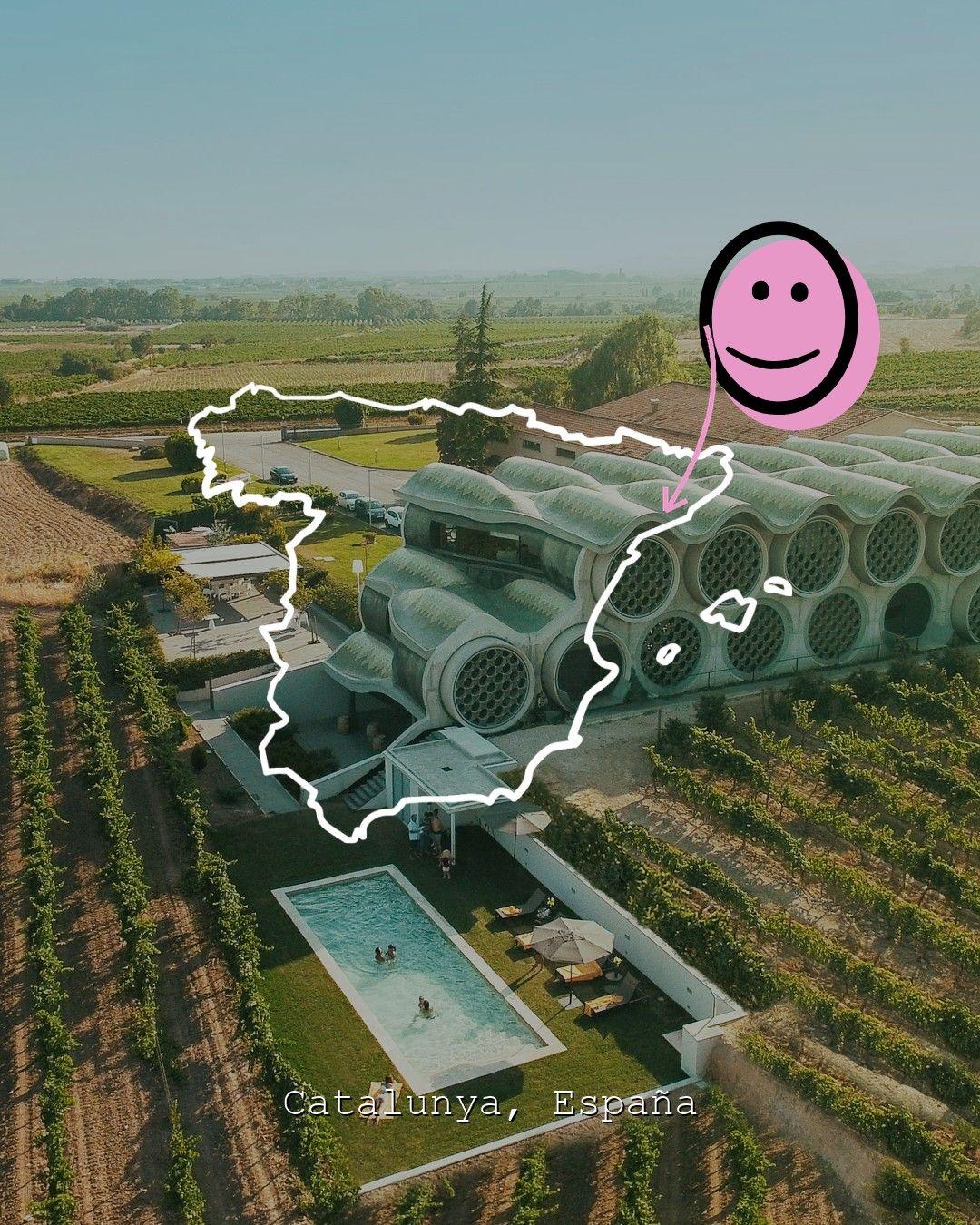
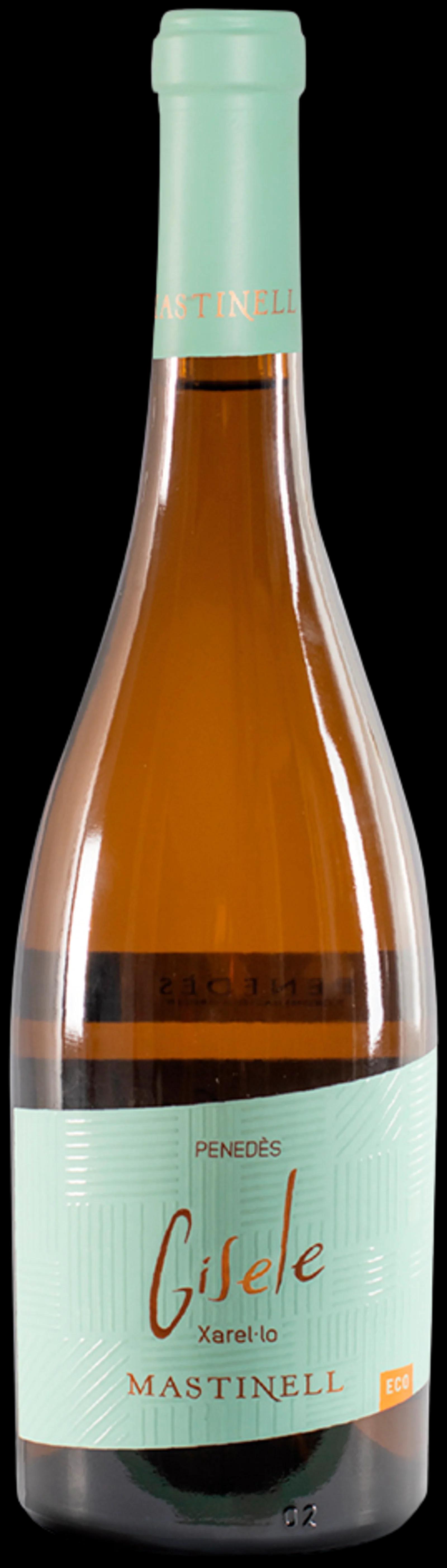
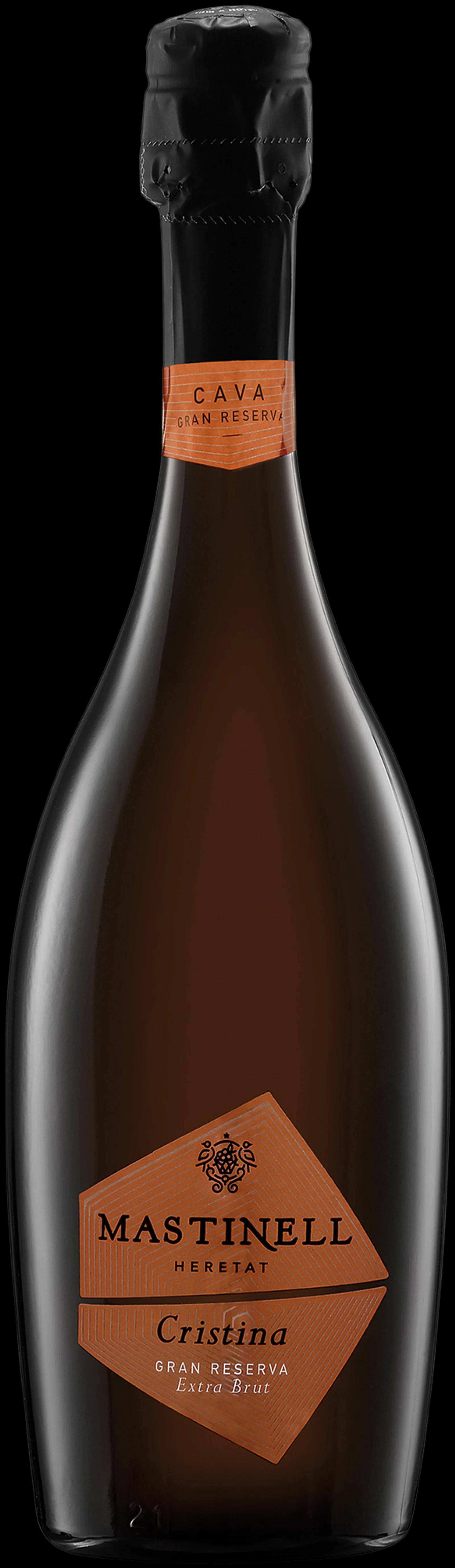
Xarel·lo is a white grape native to Catalonia and one of the three traditional varieties behind Cava, alongside Macabeo and Parellada. Its heartland is the Penedès, the plateau inland from Barcelona where the continental climate gives warm days and cool nights, keeping the grape's natural acidity intact even at full ripeness. That acidity is the reason Xarel·lo became a cornerstone of sparkling wine: it holds its freshness through the second fermentation and gives Cava its backbone and structure. Outside the Cava appellation, Catalonia's growers have spent the past two decades bottling Xarel·lo as a still white, often unoaked or lightly aged on its lees, producing wines that are mineral, savoury and textural in a way that sets them apart from the more aromatic white grapes of northern Spain. The grape also appears occasionally in orange and oxidative styles, where its thick skin and firm structure handle extended maceration without losing definition. If you want to understand why Catalan producers feel strongly about their indigenous varieties, Xarel·lo is a good place to start.
How Xarel·lo tastes and what to drink it with
Still Xarel·lo is typically dry, full-bodied for a white wine, and marked by savoury rather than fruity aromatics: green apple, fennel, white flowers and a stony mineral note that reads almost like Catalan limestone. Alcohol tends to run higher than you would expect from a cool-climate grape, because Xarel·lo ripens fully in the Penedès heat while its acidity remains high regardless. That combination of body, acid and savouriness makes it a very food-friendly wine. Grilled fish and seafood are the classic pairing, particularly the salt-cod dishes and grilled cuttlefish common across Catalonia. It also sits naturally alongside cured meats, aged cheeses and the olive-oil-heavy vegetable dishes of the region. In its sparkling form inside a Cava, the same structural qualities make it a reliable companion through a long meal rather than just an aperitif. Producers working with older Xarel·lo vines often make wines that reward a year or two in the cellar, where the savoury character deepens and the texture rounds out. On Free Grape Society, each bottle ships directly from the producer's own cellar, with no importer or warehouse adding time or distance between vineyard and glass.
Buying Xarel·lo direct from independent producers
Most Xarel·lo in the market moves as Cava, inside bottles that carry a brand name rather than a grower's name. The independent producers working with the grape as a single-variety still wine represent a much smaller slice of what is bottled, and they are rarely the ones filling supermarket shelves. That gap is where Free Grape Society is built to help: the producers listed here bottle their own wines and ship directly to your door, without agents or importers deciding what reaches you. You can browse more Spanish wines by region on the Catalonia wines and Aragon wines pages, or explore other white grapes from the same territory such as Garnacha or Godello. If you are deciding between producers or styles and would like a second view, independent wine experts on Free Grape Society review wines they have personally tasted and their notes are visible on each wine page. Free Grape Society is a society of producers, independent experts and wine lovers, not a shop.