
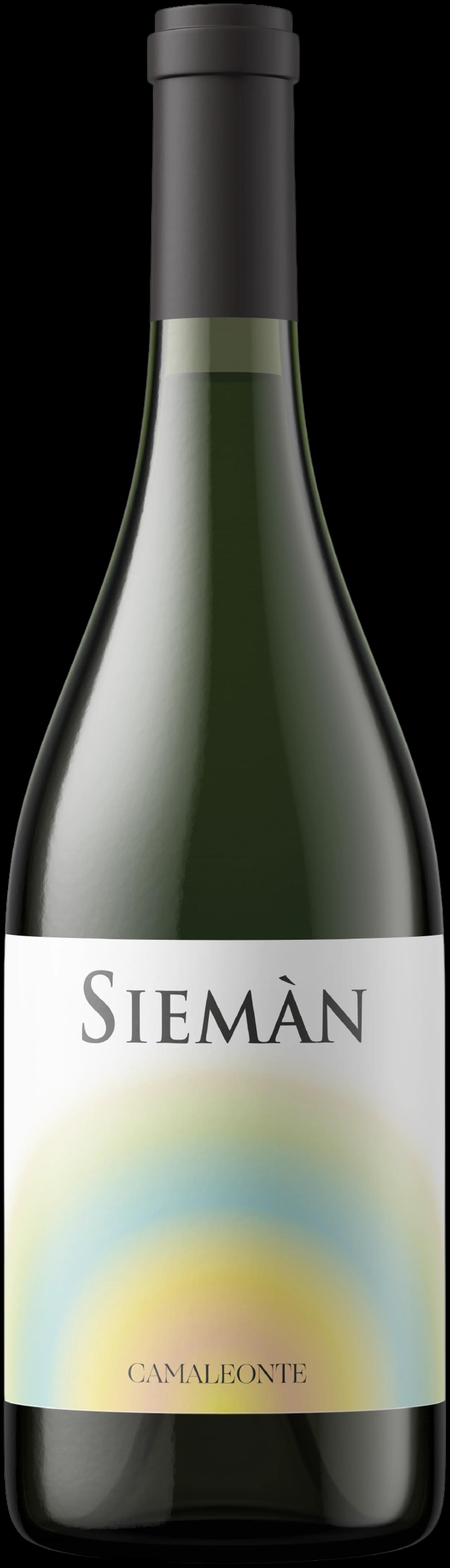
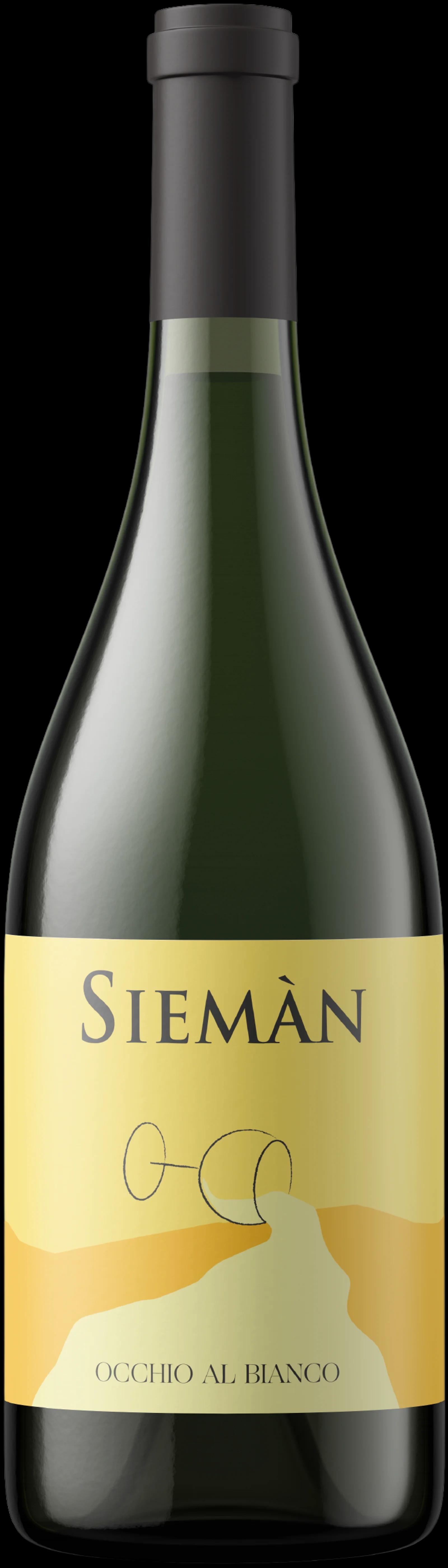
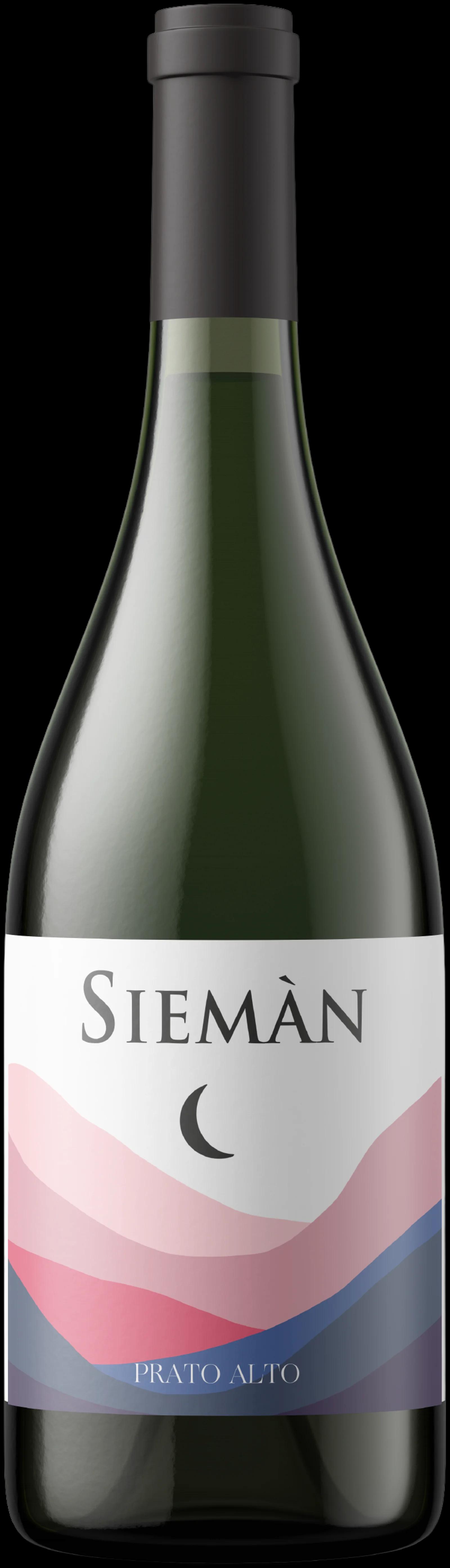
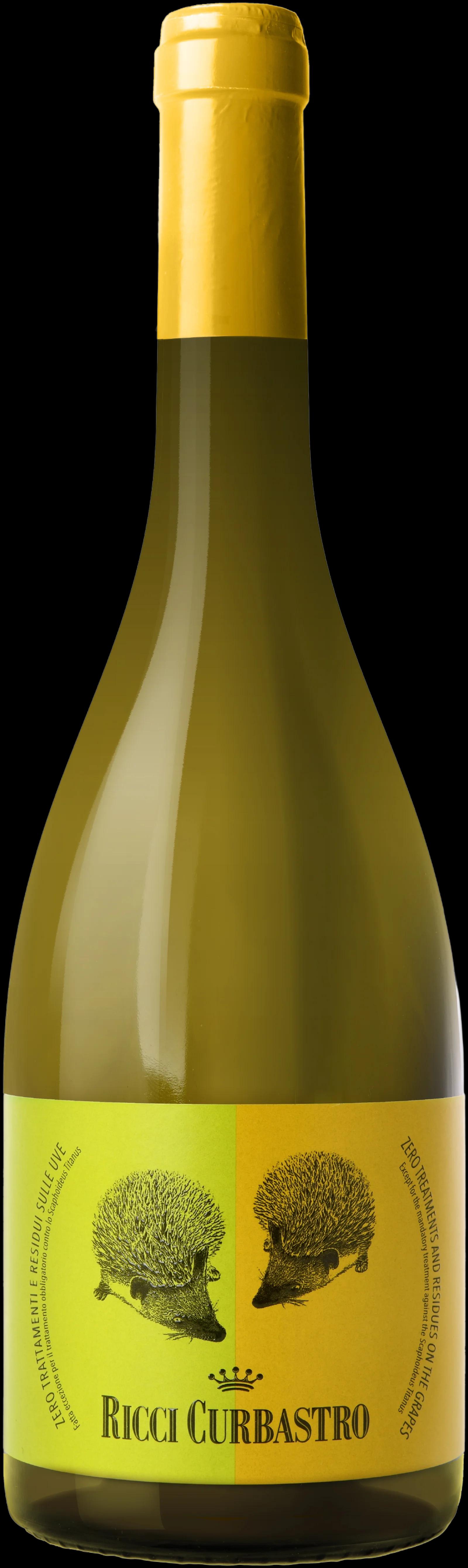







Who are the producers?
All wines on Free Grape Society come directly from independent European wineries — no middlemen, no big brands.
Bronner wine is made from one of the most disease-resistant hybrid grapes developed in modern viticulture, bred to thrive with minimal treatment. The producers below grow it as part of a commitment to low-intervention farming.
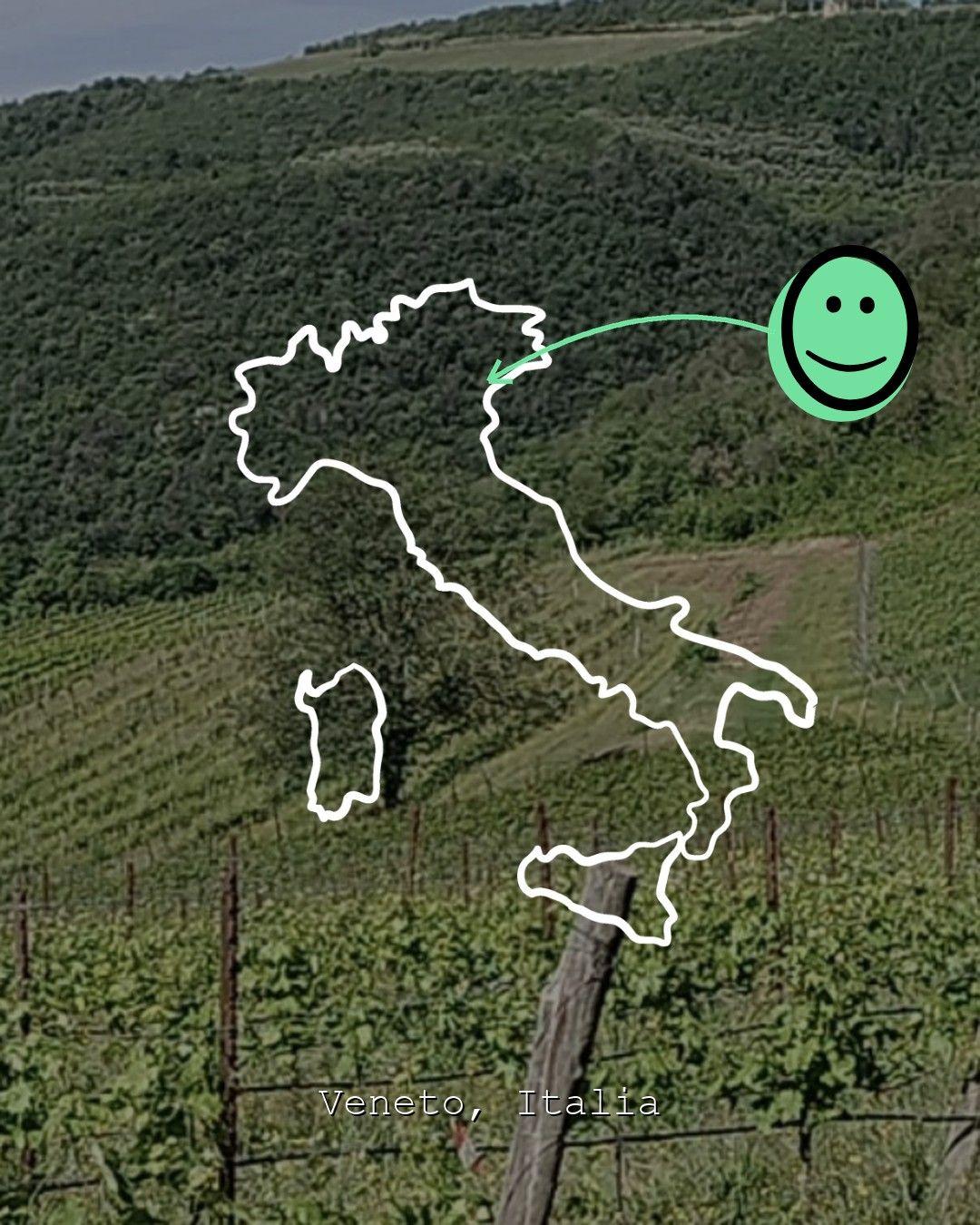
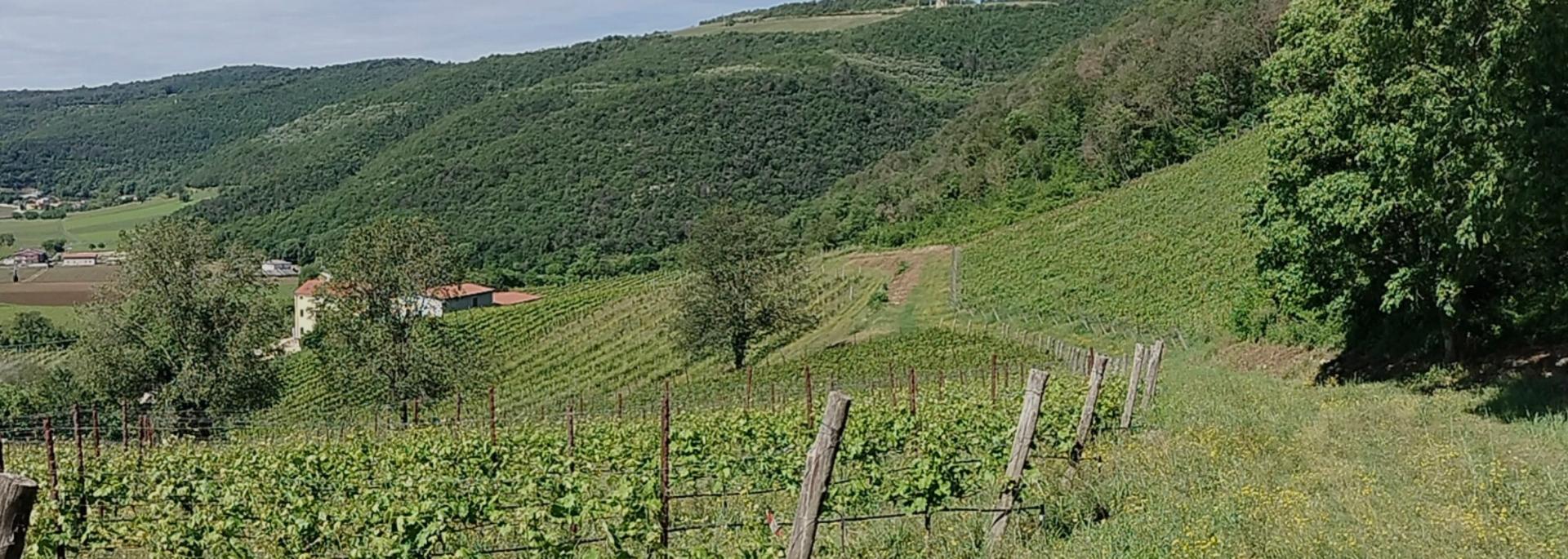
Photo: Siemàn
Color

Type
Country
Region
Grape
Pairing
Sort by
Bronner was bred in Germany in the 1970s and 1980s as part of a programme to develop grapes that resist fungal disease without repeated chemical treatment. It is a complex cross involving several Vitis vinifera varieties alongside disease-resistant rootstock lines. The result is a vine that can be farmed with very few sprays, which makes it a natural fit for producers working organically or biodynamically. The wines tend to be aromatic and fresh, with floral and stone-fruit character. On Free Grape Society, each bottle ships directly from the grower's cellar, with no importer or warehouse in between.
4 of 4 wines
A wine case here is a producer's own selection of six bottles, assembled as the recommendation they would make if you visited their cellar. For a variety like Bronner, grown by producers who tend to take a careful approach in the vineyard, a case often reflects how the grape performs across different years or alongside other low-input varieties. Free Grape Society is a society of producers, independent experts and wine lovers, not a shop.
The growers below work with Bronner because the variety fits how they want to farm — with fewer interventions and a lighter footprint. Some are in Germany, where much of the original breeding work was done; others have planted it in Austria and neighbouring countries where the climate suits it. Reading a producer's own notes is a good way to understand what drew them to the grape, and the wine-advice service is there if you want a view before choosing.
Independent wine experts review wines they have personally tasted, and their ratings and notes appear on each wine page and on the expert's own profile. Several of the experts below have reviewed Bronner wines featured on this page, so you can see what they found before deciding.


All wines on Free Grape Society come directly from independent European wineries — no middlemen, no big brands.
Use the country and region filters above, or browse directly via URLs like /wines/france or /wines/france/burgundy.
Yes! Our mixboxes let you sample wines from multiple producers in one order. Browse them under Mixboxes.
Bronner is a disease-resistant hybrid grape developed in Germany in the 1970s and released in 1975 by the grape-breeding programme at Freiburg. It was created by crossing Merzling with a complex Vitis vinifera hybrid, with resistance to fungal diseases — particularly downy and powdery mildew — as the primary goal. Because Bronner needs fewer fungicide treatments than classic varieties, it is well suited to organic and low-intervention viticulture. Most of the plantings are in Germany, Alsace, and Austria, though it has spread to other cool-climate wine regions where growers are looking for resilient, low-spray alternatives. The grape ripens early, which makes it useful in northerly sites where a later variety might struggle to reach full maturity. You can find other white wines from its home regions on the German wines and Alsace wines pages.
Bronner produces white wines that tend toward floral and stone-fruit aromas — peach, apricot, and sometimes a light herbal note — with moderate acidity and a fairly rounded body. In warmer years and in the hands of growers who pick late, it can develop a richer, more honeyed character. Because it is not a neutral variety, it shows clearly in the glass: the aromatic profile is closer to Gewurztraminer or Muscat than to Riesling, though it is generally less intense than either. It works well with lightly spiced dishes, grilled vegetables, soft cheeses, and fish. Growers who work with it often position it as an everyday drinking wine rather than a cellar candidate, though well-made examples can age for a few years. For other aromatic whites from the same part of Europe, the Grüner Veltliner wines and Riesling wines pages show what the region's more established varieties do.
Bronner rarely appears on supermarket shelves or in large wine warehouses — the variety is grown almost entirely by smaller, independent estates who have made a deliberate choice to work with it, usually as part of a broader commitment to organic or biodynamic farming. That makes it a grape where buying direct from the grower makes particular sense: the people who plant it tend to have a clear point of view about why they do, and that context shows in the wine. On Free Grape Society, Bronner wines are shipped directly from each producer's own cellar, with no importer or warehouse in between. Free Grape Society is a society of producers, independent experts and wine lovers, not a shop — and wines tasted before listing means the selection reflects real knowledge of what each producer makes. If you want to explore other disease-resistant varieties grown in similar conditions, the Johanniter wines and Solaris wines pages cover two related grapes with a comparable story.