Where Pinot Bianco comes from and how region shapes it
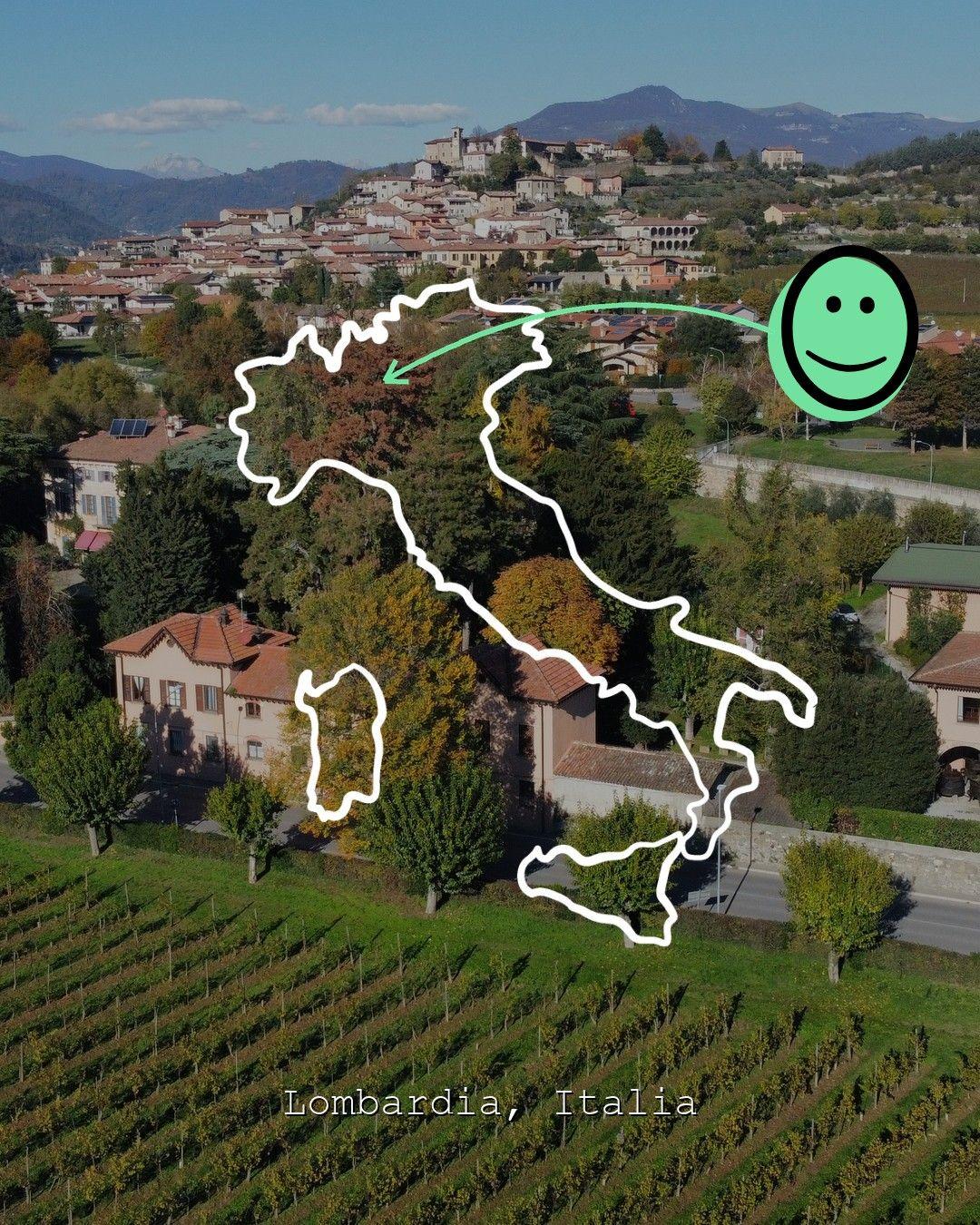
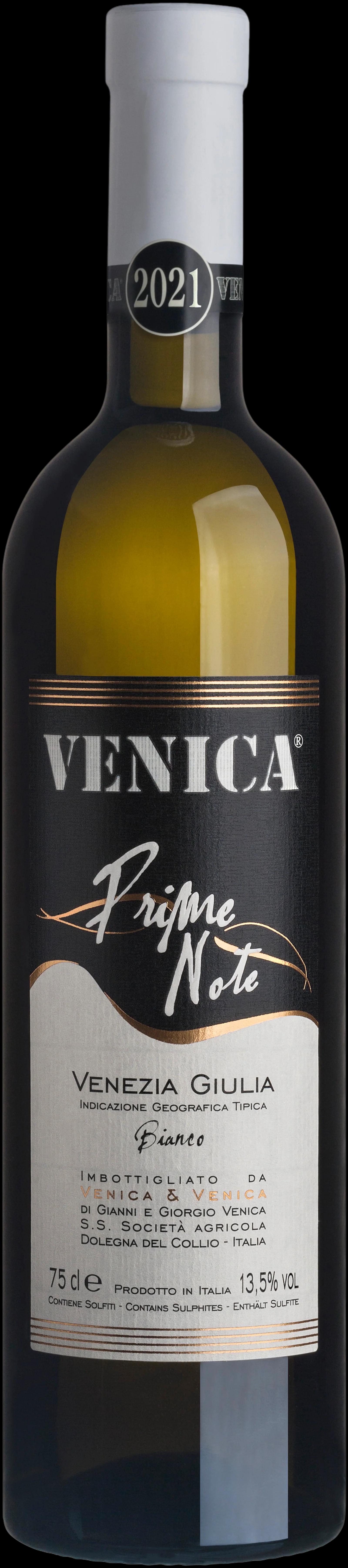
Pinot Bianco is a white mutation of Pinot Noir, first documented in Burgundy but now grown almost entirely in the Alpine arc stretching from Alsace through Germany and Austria into north-eastern Italy. Its heartland today is Trentino-South Tyrol and Friuli Venezia Giulia, where it goes by the name Pinot Bianco, and Austria, where it is called Weissburgunder and the Niederösterreich and Steiermark regions produce some of the most precise examples in Europe. In Alsace it is grouped under the Pinot Blanc label and often blended, while in Germany it tends to be vinified as a single-variety wine with an emphasis on freshness and mineral texture. The grape's character shifts noticeably with altitude and latitude: higher sites in the Italian Alps yield taut, citrus-driven wines with firm acidity, while lower-lying Lombardy and the Veneto produce rounder, softer styles. What stays consistent is a certain quietness -- Pinot Bianco is not a showy grape. Its appeal is in its balance and its ability to carry a meal from start to finish without demanding attention.
How Pinot Bianco tastes, and what to drink it with
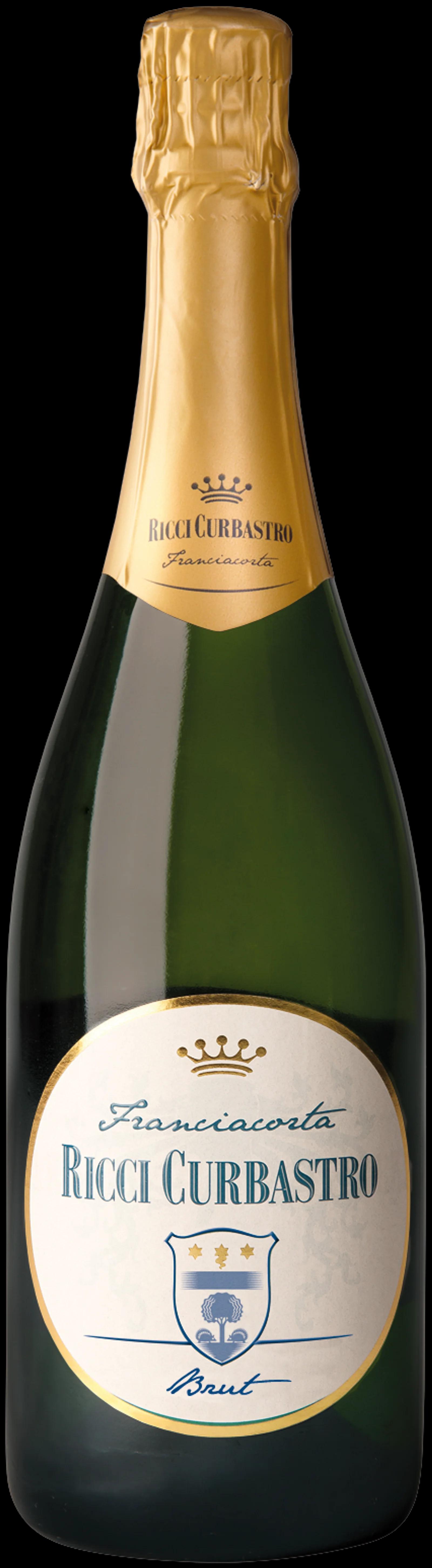
Pinot Bianco tends toward pale straw in the glass, with aromas of white apple, pear, almond, and a faint floral note that is more delicate than, say, Gewürztraminer or Viognier. Acidity is medium to high, body is medium, and the finish is clean and relatively dry. Oak is used sparingly by most growers -- those who do use it tend toward large old casks that add texture without dominating the fruit. At the table, it is one of the more versatile white grapes around: it works with lighter fish dishes, risotto, soft cheeses, white asparagus, and the kind of food that would overwhelm a richer Chardonnay. Producers in Friuli Venezia Giulia and Trentino-South Tyrol often note that it is their go-to recommendation for guests who find white Burgundy too bold or Pinot Grigio too neutral -- Pinot Bianco sits usefully between the two. For sparkling versions, the grape also appears in Lombardy's Franciacorta and in various traditional-method wines across Austria, where its natural acidity supports long ageing on lees.
Buying Pinot Bianco direct from independent producers
Most of the Pinot Bianco sold in supermarkets and large retail chains comes from high-yield production designed for consistent, inexpensive volume rather than site expression. The producers on Free Grape Society work differently: they grow the grape at lower yields, bottle under their own label, and ship directly from their own cellar -- with no importer or warehouse in between. That direct route means the wine arrives in the same condition it left the producer, and it means the price reflects what the grower actually charges rather than a stack of intermediary margins. The range here spans still and sparkling styles, from the mineral, age-worthy Weissburgunder of Niederösterreich and Steiermark to the softer, food-friendly Pinot Bianco of Friuli Venezia Giulia and the structured examples from Trentino-South Tyrol. Wines are tasted before listing. Free Grape Society is a society of producers, independent experts and wine lovers, not a shop -- if you want a recommendation before choosing, independent wine experts are available to help.