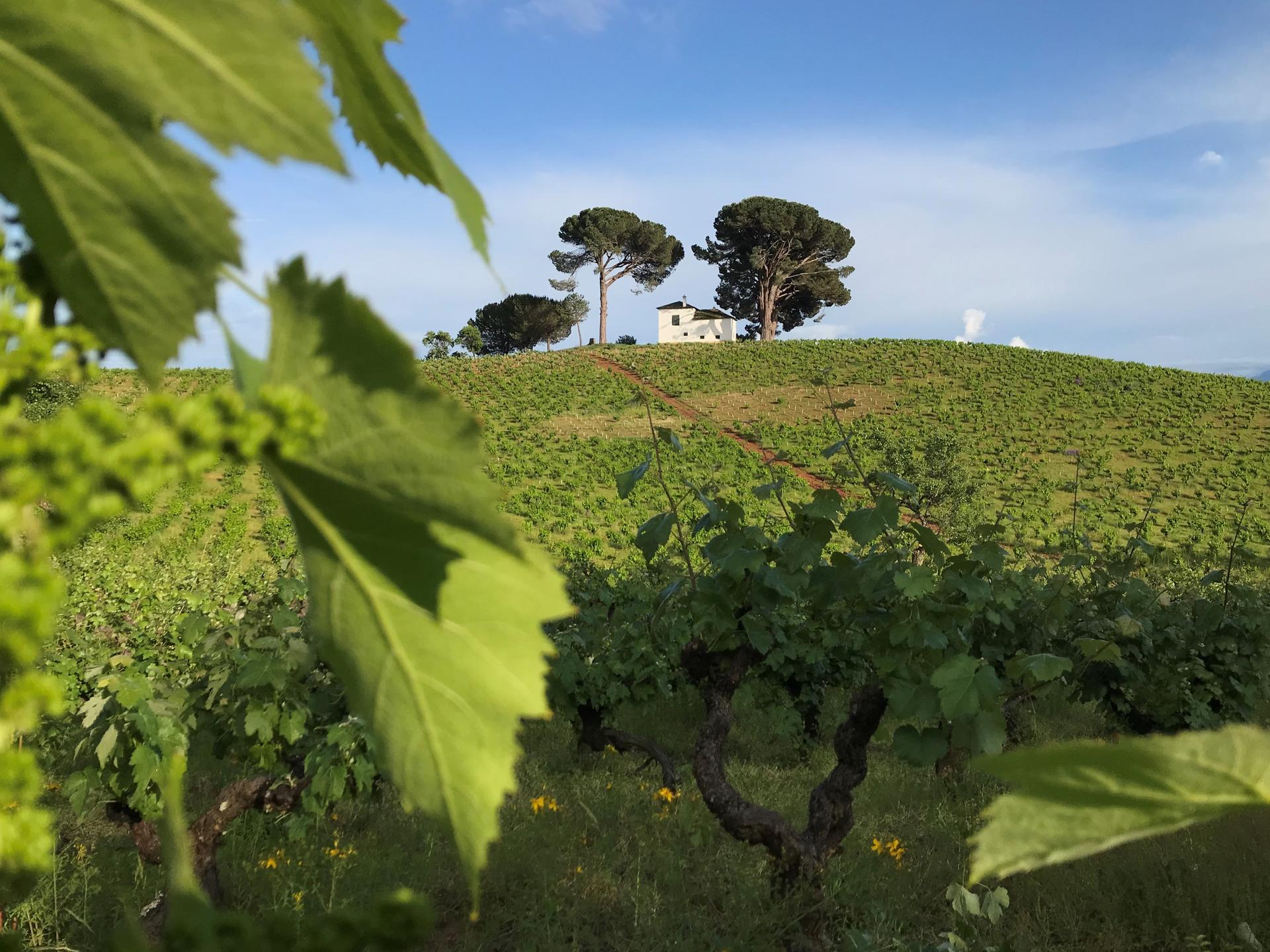
Where Alicante Bouschet comes from and what makes it unusual
Alicante Bouschet is one of the few red wine grapes that is a teinturier — meaning its flesh, not just its skin, is red. Most red grapes have colourless pulp and get their colour from extended skin contact during fermentation; Alicante Bouschet produces deeply pigmented juice from the moment the berry is crushed. This is what gives wines made from it their characteristic depth of colour and their capacity to hold that colour even after years in bottle.
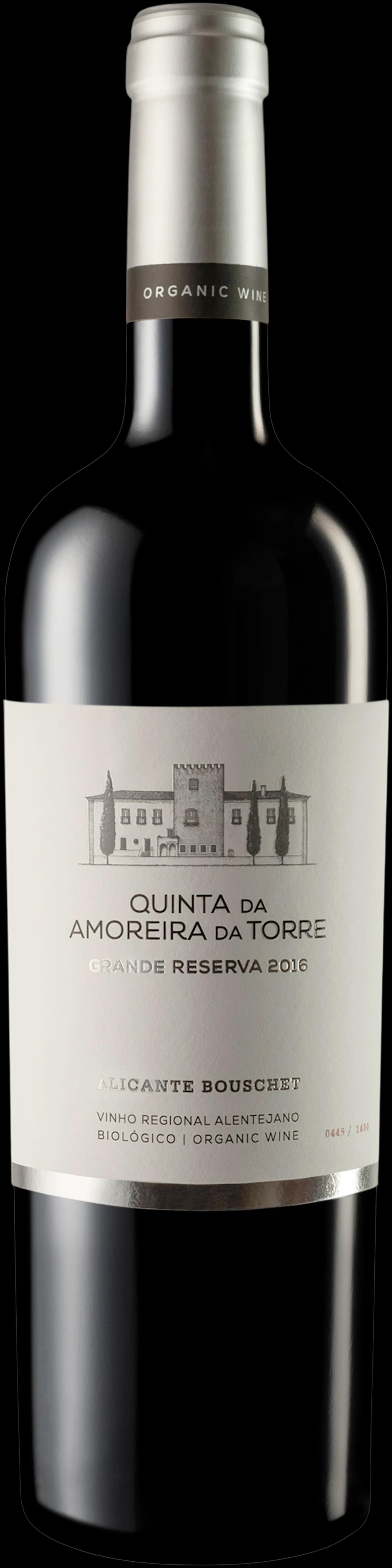
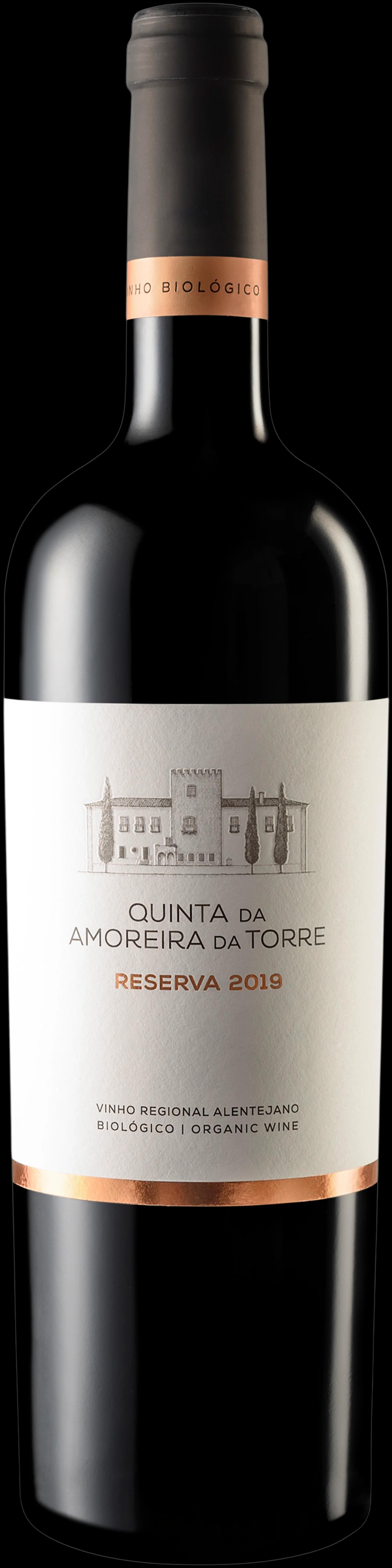
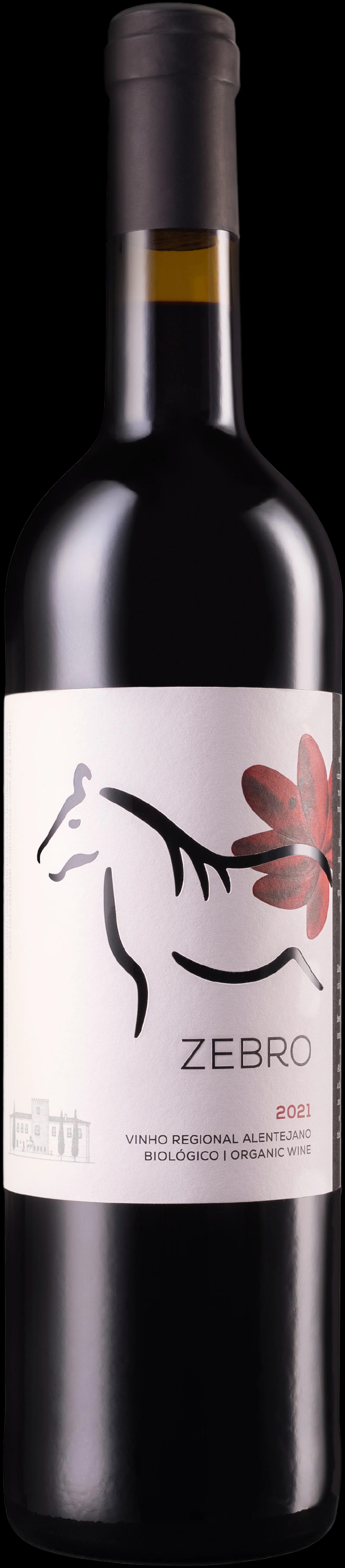
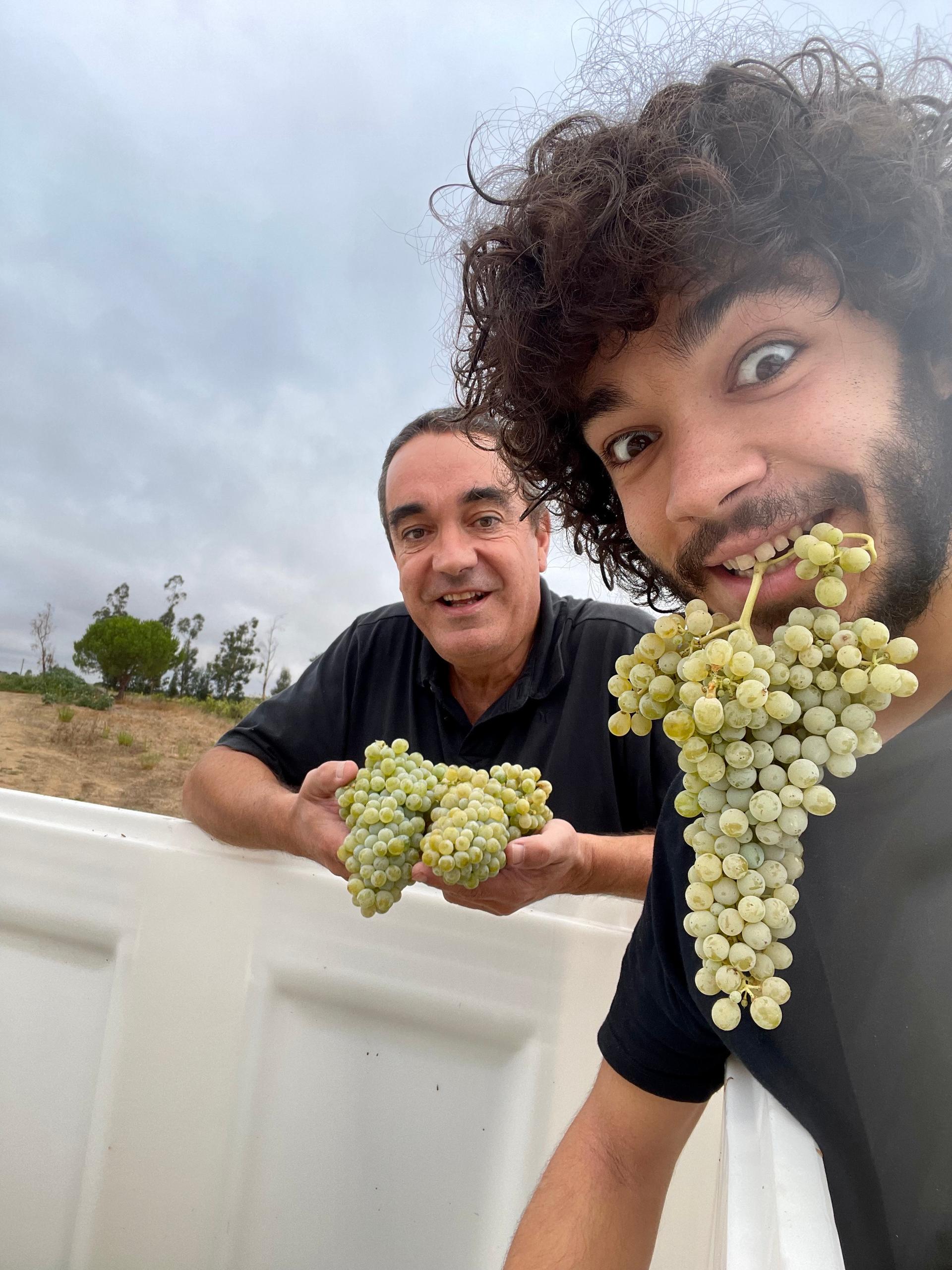
The variety was bred in France in the nineteenth century by Henri Bouschet, who crossed Petit Bouschet with Grenache Noir. It spread quickly across southern France, Spain, and eventually Portugal, where it found one of its most convincing homes. In the Alentejo, where summers are long and the clay-limestone soils retain heat well into the night, Alicante Bouschet produces wines with a concentration and texture that the grape rarely achieves elsewhere. Portuguese producers often work it as a single variety rather than blending it away, which is unusual for a grape that was historically used to beef up pale, thin wines. You can find a range of Alentejo producers working with it on the Portugal wines page.
How Alicante Bouschet tastes, and what to drink it with
The wines are typically full-bodied, with dark fruit at the centre — blackberry, plum, a hint of dried fig — and a firm but approachable structure. Tannins tend to be rounded rather than sharp, which makes the wines accessible relatively young, though the better examples reward a few years in the cellar. There is often a savoury, earthy quality underneath the fruit, and in warmer growing years a spice note that comes partly from the grape's Grenache parentage.
Because of its weight and texture, Alicante Bouschet suits food that can hold its own alongside it: slow-cooked lamb, beef stews, mature hard cheeses, dishes built around lentils or pulses. It also works well with the kind of Iberian charcuterie — jamón, chouriço — that shares its southern European roots. Lighter expressions, made with less extraction and earlier picking, sit comfortably with grilled vegetables or mushroom-based dishes. For a broader look at the southern European reds it sits alongside, the Alentejo wines, Andalusia wines, and Languedoc-Roussillon wines pages give a sense of the regional neighbours.
Buying Alicante Bouschet direct from independent producers
Because Alicante Bouschet is not one of the internationally marketed names, most of the producers who work with it seriously are small, independent estates that sell directly rather than through large distribution networks. On Free Grape Society, each wine ships directly from the producer's own cellar, with no importer or warehouse in between — which means the wines arrive as the producer intended them to, and the price reflects the work in the vineyard rather than a chain of intermediaries.
The grape appears across several of the countries represented on the platform. Portugal carries the strongest tradition of varietal Alicante Bouschet, particularly from the Alentejo, but producers in Spain, France, and Italy also grow it, usually as part of a southern blend. If you want to compare expressions across countries, the red wines section lets you filter by region and style. Free Grape Society is a society of producers, independent experts and wine lovers, not a shop — and wines tasted before listing means the selection reflects genuine quality across the board.