Rheinriesling: Austria's workhorse white, from Niederösterreich to Steiermark

Rheinriesling wine in Austria is the same grape as German Riesling — grown here in cooler continental and alpine sites, it produces a distinctly dry, mineral-driven style. Browse bottles from independent Austrian producers below.

High acidity, steely minerality, and a dry style that sets it apart from its German cousin.

Color

Dropdown arrow

Type

Dropdown arrow

Country

Dropdown arrow

Region

Dropdown arrow

Grape

Dropdown arrow

Pairing

Dropdown arrow

Sort by

Sort arrow
Rheinriesling

Rheinriesling wines

Austria uses the name Rheinriesling specifically to distinguish the grape from Welschriesling, an unrelated variety with no connection to the Rhine. The two taste nothing alike. Rheinriesling grown in Austria — particularly in Niederösterreich and Steiermark — tends toward a dry, high-acid style with pronounced minerality, reflecting the granite and gneiss soils and the cool nights that slow ripening well into autumn. On Free Grape Society, every bottle ships directly from the producer's own cellar, with no importer or warehouse in between.

1 of 1 wine

Previous1 of 1Next

Rheinriesling wine cases

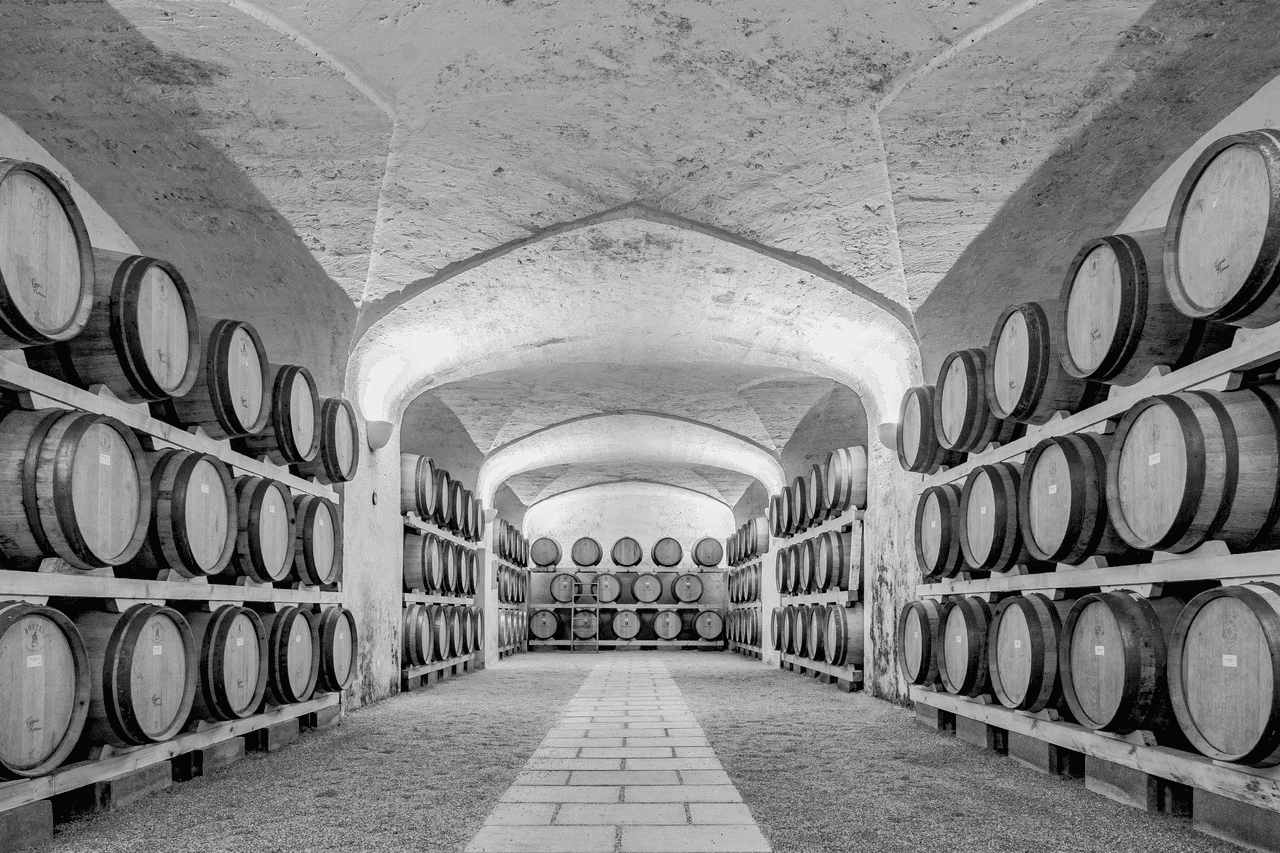
A mixbox is six bottles put together by the producer as the recommendation they would make if you visited their winery in person. For a grape like Rheinriesling, that often means tasting different vineyard sites or elevations side by side — the differences between a river-valley site and a hillside plot can be striking even within one estate. Free Grape Society is a society of producers, independent experts and wine lovers, not a shop.
View all mixboxes

Wine experts

Rheinriesling attracts serious attention from wine experts precisely because the dry Austrian style rewards careful tasting — small differences in site, vintage and winemaking show clearly in the glass. Independent wine experts on Free Grape Society review wines they have personally tasted, and those reviews appear on the wine page and on each expert's own profile. Several of the experts here have reviewed Rheinriesling wines featured on this page.

View all wine experts

Frequently asked questions

How do I order Rheinriesling wine through Free Grape Society?

Browse the Rheinriesling wines listed on this page, add bottles to your cart and check out. Payment is handled securely via Klarna or card. Each bottle ships directly from the producer's own cellar — your order may arrive in separate deliveries if you are buying from more than one winery.

What happens if a bottle arrives broken or doesn't taste right?

Send a photo to Free Grape Society customer support within 7 days of delivery. We will arrange a replacement or a refund. Because producers ship directly, quality issues are handled with the producer's direct involvement. Shared responsibility is built into how FGS works.

Can I order Rheinriesling from more than one Austrian producer in the same order?

Yes. You can add bottles from different producers in a single checkout. Because each producer ships from their own cellar, orders with multiple wineries will arrive as separate deliveries. Shipping is free on all orders.

How long does delivery take?

Average delivery is 8 to 9 days from order to door. The full range is 4 to 14 days depending on the producer's location and your delivery address. Wines ship directly from the producer's cellar, not from a central warehouse.

How do I choose between the different Rheinriesling wines on this page?

Start with the region: Wachau, Kamptal and Kremstal (all in Niederösterreich) tend to produce structured, mineral-driven wines, while Steiermark wines are often lighter and more aromatic. The producer's own tasting notes on each wine page give you the most direct guide to style. The wine-advice service is also available if you want a personal recommendation.

Is Austrian Rheinriesling always dry?

The dominant style in Austria is dry, and most Rheinriesling produced here is vinified fully dry or close to it — this is one of the clearest differences from German Riesling, which covers a wide range from bone-dry to very sweet. A small number of Austrian producers make late-harvest or sweet styles in exceptional vintages, but they are the exception rather than the rule.

Which Rheinriesling wine expert can recommend something for me?

The wine experts listed on this page have reviewed Rheinriesling wines personally. You can read their reviews on the individual wine pages or on each expert's profile. If you would like a direct recommendation, the wine-advice service lets you ask a question and receive a personal reply.

Why don't you sell supermarket-brand Rheinriesling wines?

Free Grape Society lists wines from independent producers who grow, make and bottle their own wine. Supermarket own-label wines are typically blended and bottled by large négociants or commercial wineries. The producers here stake their name on every bottle — that accountability is part of what makes the wines worth seeking out.

How does buying Rheinriesling directly from the producer differ from buying in a shop?

In most European markets, wine passes through an importer, a distributor and a retailer before it reaches you — each adds a margin. On Free Grape Society, the producer ships directly to your door. That means a shorter supply chain, a fresher bottle, and a price set by the producer rather than shaped by several layers of handling.

Where Rheinriesling comes from and how region shapes it

Rheinriesling is the name used in Austria, Italy's Alto Adige, and parts of Central Europe for the same grape known simply as Riesling in Germany and Alsace. The distinction matters in the cellar as much as on the label: grown on the steep slate slopes of the Rheingau or along the Danube in Niederösterreich, it produces wines of high acidity, mineral tension, and slow-developing complexity. In Alsace, the same grape tends toward more body and weight; in Moravia and Luxembourg's Moselle, growers work with cooler conditions that keep the wines lean and precise. Climate is the main variable: the later the harvest, the more residual sugar is left in, and the more the wine shifts from bone-dry to off-dry or fully sweet. This range, from steely Kabinett to honeyed Auslese, is unusual for a single variety and makes Rheinriesling one of the most versatile white grapes grown by independent producers across Europe.

How Rheinriesling tastes, and what to drink it with

The structural signature of Rheinriesling is high natural acidity, which keeps the wine fresh even when residual sugar is present. Dry expressions tend toward citrus, green apple, and a distinct mineral or petrol note that develops with age and that no other white grape quite replicates. Off-dry versions balance that acidity against stone fruit and floral character, making them surprisingly versatile at the table. Dry Rheinriesling from Austria or Germany works well alongside fish, shellfish, and dishes with some acidity of their own, such as salads dressed with vinegar or pork with apple. Slightly sweeter styles match well with spiced food, soft cheeses, and anything where a touch of sweetness in the wine provides contrast. Because the grape holds acidity across all sweetness levels, it rarely feels heavy, which is why the same producer will sometimes offer a dry, an off-dry, and a late-harvest wine from the same vineyard in the same year. If you want to understand how site and harvest timing change the wine, a mixbox from an Austrian producer or a German winery that works with Rheinriesling across styles is a good way to compare them side by side.

Buying Rheinriesling direct from independent producers

Most of the Rheinriesling available in supermarkets and large retail chains comes from large négociants or cooperatives that source across whole regions and blend for consistency. Independent producers who grow, bottle, and sell their own Rheinriesling work differently: the wine reflects a single vineyard or a small set of parcels, and the winemaking decisions, how dry to ferment, whether to use steel or old wood, how long to leave the wine on its lees, are the producer's own. On Free Grape Society, producers ship directly from their own cellar, with no importer or warehouse in between. That means you are buying from the person who grew the grape, at the price they set. Wines on Free Grape Society are tasted before listing, so the range you see has already been evaluated. Independent wine experts also review wines they have personally tasted, and those reviews are visible on the wine page and on the expert's own profile. If you are not sure which style of Rheinriesling to start with, whether a dry Austrian expression or a lighter German version, the wine-advice service is there to help before you order. Free Grape Society is a society of producers, independent experts and wine lovers, not a shop.