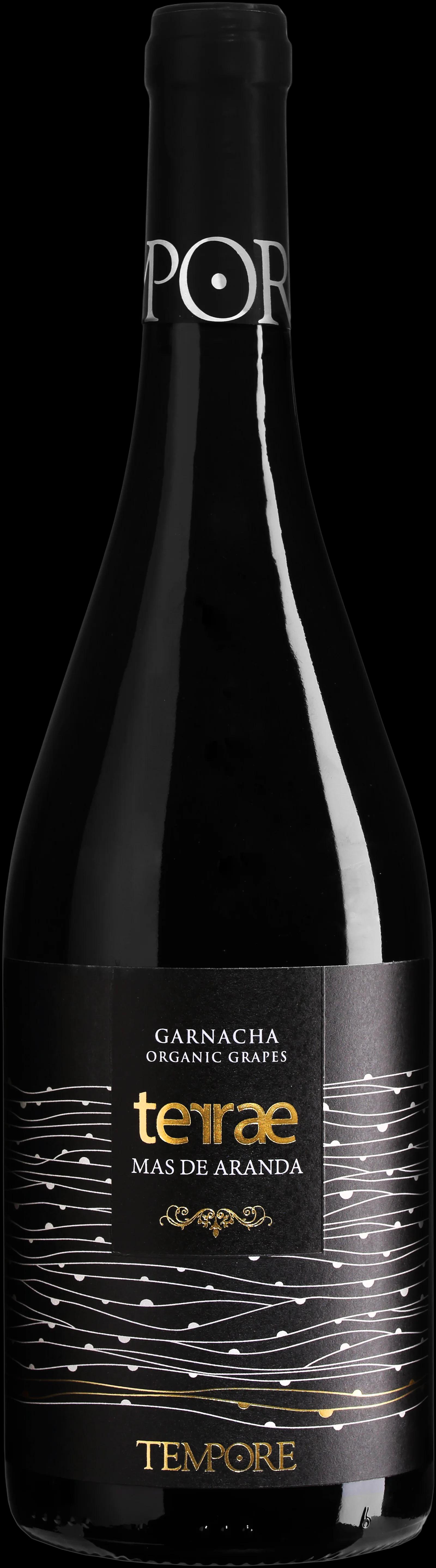
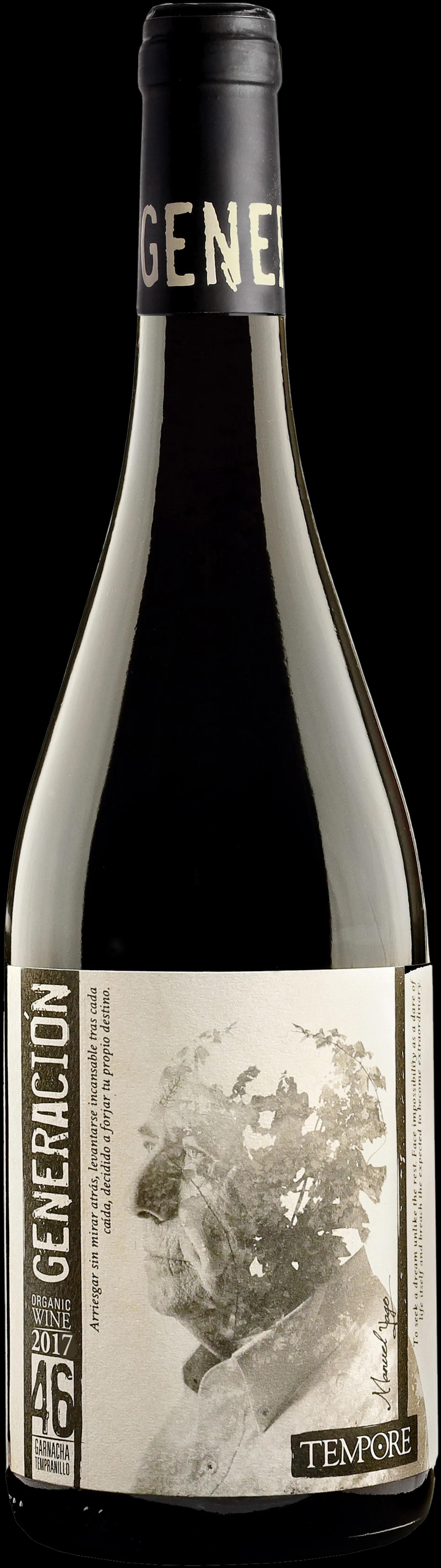
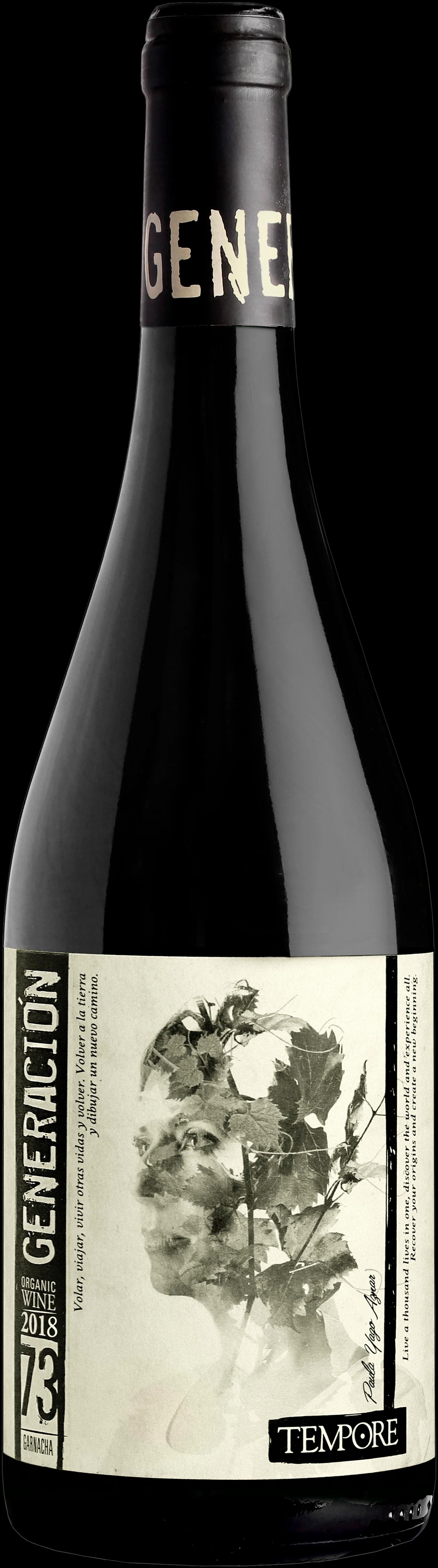
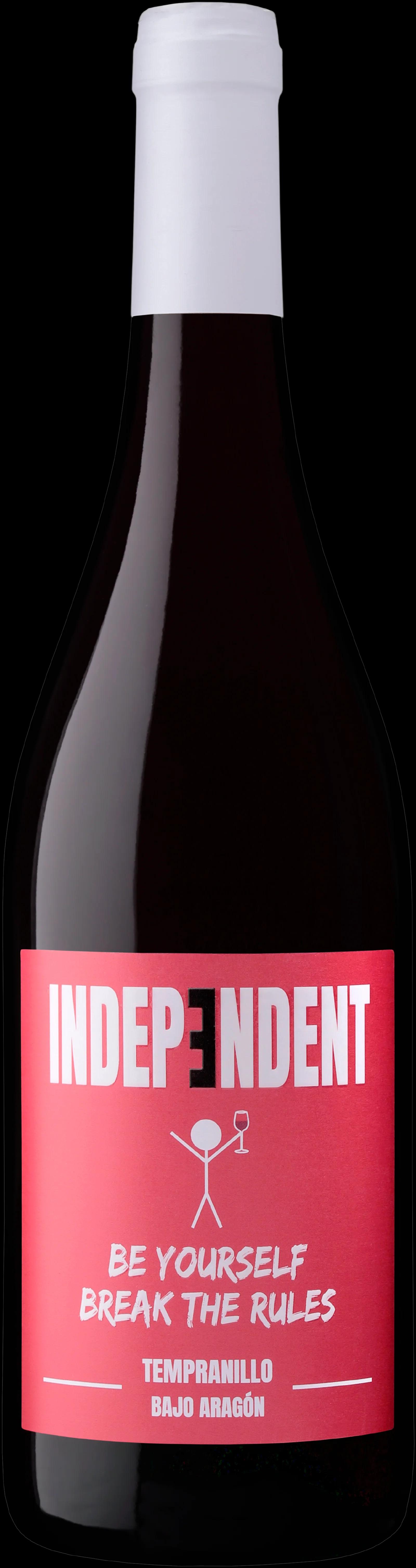



Saint-Macaire: a rare white grape from Bordeaux's oldest vineyard traditions

Saint-Macaire wine is one of the lesser-known white grapes permitted in the Bordeaux appellation, historically blended but increasingly found on its own from growers who want to preserve it. The producers below work with varieties like this because they matter to the places they come from.

Grown in small plots across southwest France, Saint-Macaire produces dry whites with quiet structure and regional character.

Color

Dropdown arrow

Type

Dropdown arrow

Country

Dropdown arrow

Region

Dropdown arrow

Grape

Dropdown arrow

Pairing

Dropdown arrow

Sort by

Sort arrow
Saint-Macaire

Saint-Macaire wines

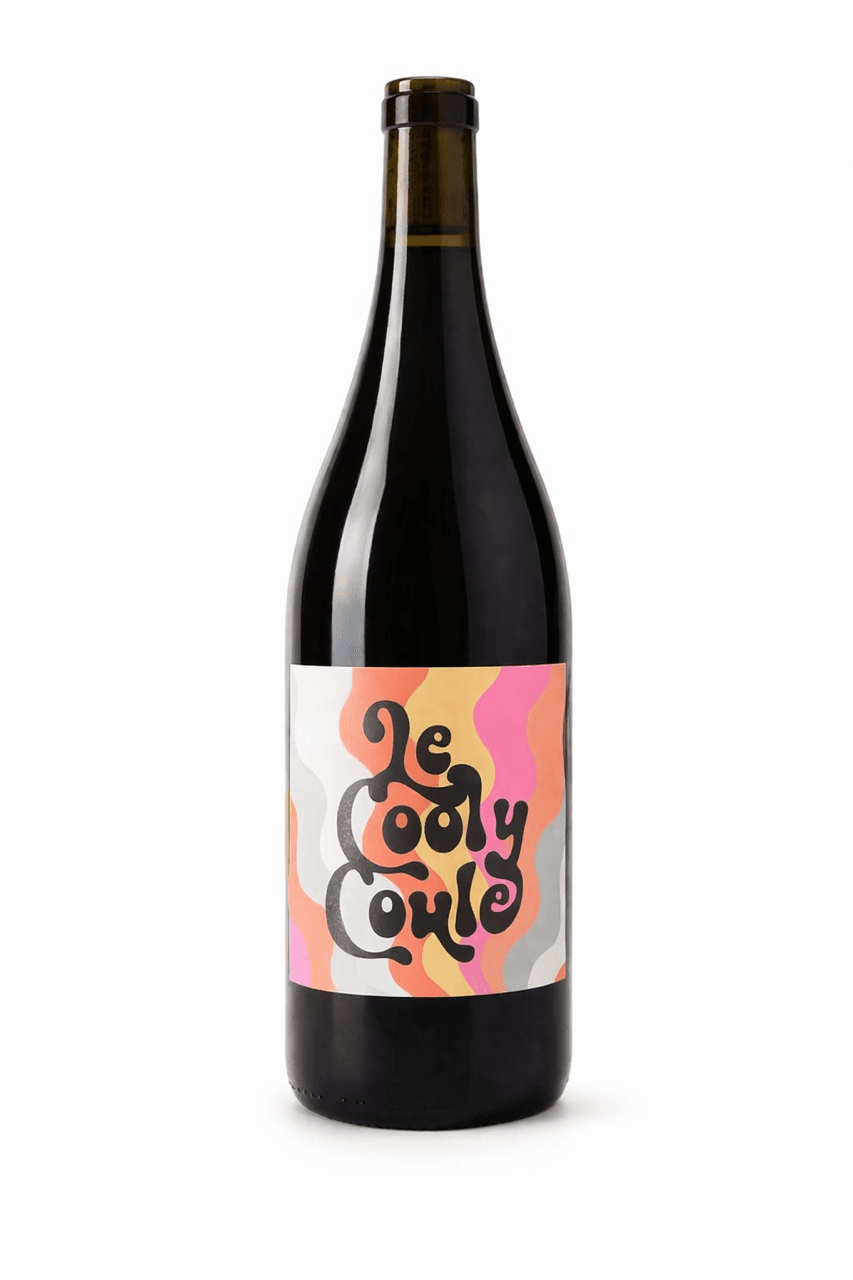
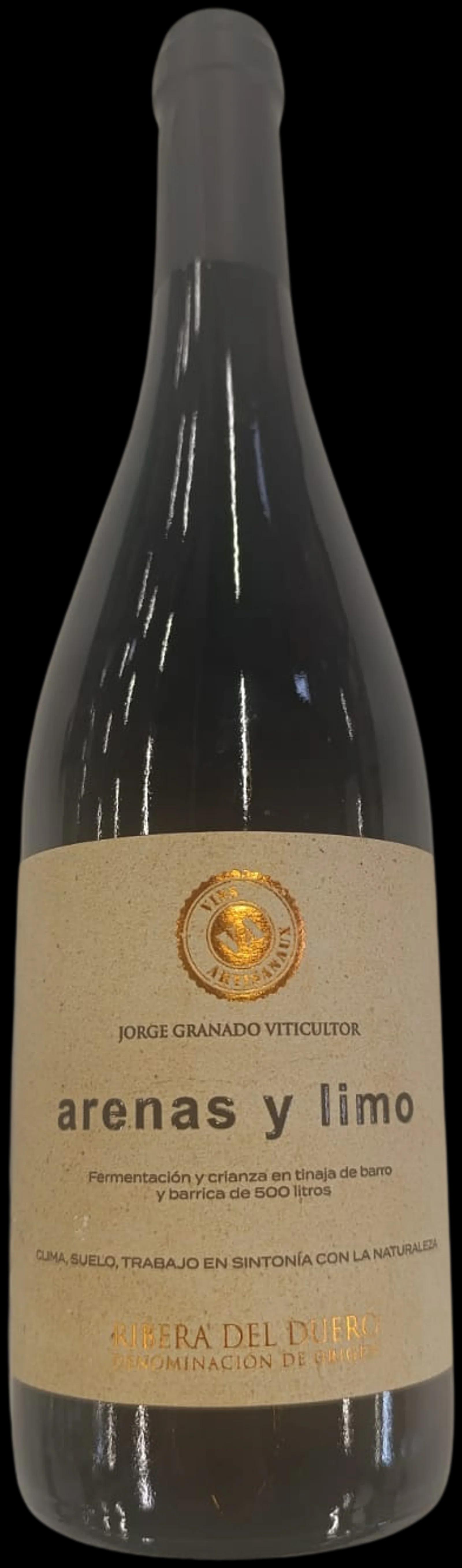
Saint-Macaire is one of a handful of old white Bordeaux varieties that never made it into the mainstream. It was once blended alongside Sémillon and Sauvignon Blanc but lost ground as growers consolidated around better-known grapes. The producers who still grow it tend to do so because they see it as part of their land's history. On Free Grape Society, each bottle is shipped directly from the grower's own cellar, with no importer or warehouse in between.

1 of 1 wine

Previous1 of 1Next

Saint-Macaire wine cases

A wine case built around Saint-Macaire is rare by definition. Where a producer has put one together, it usually reflects how they work with the grape across different plots or vintages — a way of showing what the variety can do in their hands rather than in a blend. Free Grape Society is a society of producers, independent experts and wine lovers, not a shop.

View all mixboxes

Wine experts

Wines made from rare or recovering grape varieties often benefit from a second opinion, and independent wine experts on Free Grape Society review wines they have personally tasted. Their notes are visible on each wine page and on the expert's own profile. Several of the experts below have reviewed southwest France whites and can give you a grounded view of what to expect.

View all wine experts

Frequently asked questions

How do I order Saint-Macaire wine on Free Grape Society?

Find a bottle on this page, add it to your cart, and complete checkout with Klarna or a card. Each order ships directly from the producer's cellar to your door. Free shipping is included, and delivery typically takes 8 to 9 days, within a 4 to 14 day range depending on where the producer is based.

What happens if a bottle arrives broken or doesn't taste right?

Send a photo to Free Grape Society customer support within 7 days of delivery. We will arrange a replacement or a refund. Because producers ship directly, quality issues are handled with the producer's direct involvement. Shared responsibility is built into how FGS works.

Can I order Saint-Macaire alongside other wines in the same order?

Yes. You can add wines from different producers to the same order. Each producer ships their own bottles separately from their cellar, so you may receive more than one delivery if your order includes wines from multiple growers. Shipping is free on all of them.

How long does delivery take?

Average delivery is 8 to 9 days from order to door. The full range is 4 to 14 days depending on the producer's location and your delivery address. Wines ship directly from the producer's cellar, not from a central warehouse.

How do I choose between different Saint-Macaire wines on this page?

Saint-Macaire is rare enough that the choice is largely about the producer and their approach. Reading the grower's own notes tells you whether the wine is made for early drinking or has more structure. If the page includes expert reviews, those are worth checking too. The wine-advice service is available if you want a recommendation before committing.

Why is there so little Saint-Macaire available compared to other white Bordeaux grapes?

Saint-Macaire was historically a blending grape and was never widely planted on its own. Over the twentieth century, growers in Bordeaux shifted toward Sémillon and Sauvignon Blanc, which were better understood commercially. What remains is in the hands of producers who chose to keep it, often in very small plots. The selection on Free Grape Society reflects what those growers have made available directly.

Which Saint-Macaire wine expert can recommend something for me?

The independent wine experts on Free Grape Society specialise across different regions and varieties. For a rare southwest France white like Saint-Macaire, look at the experts listed on this page — their profiles show which wines they have reviewed and where their knowledge is deepest. You can submit a question directly through the wine-advice form.

Why don't you sell supermarket-brand Saint-Macaire wines?

Free Grape Society lists wines from independent producers who grow, make and bottle their own wine. Supermarket-label wines are typically sourced and blended by large négociants rather than a single grower, which means there is no direct relationship with the person behind the wine. The producers here are the ones who actually made it.

Can I find Saint-Macaire wine in a wine shop or supermarket?

Rarely. Saint-Macaire is not commercially distributed in most European markets. It sits outside the standard retail range and is almost never stocked by supermarkets or general wine merchants. Buying directly from a producer who still grows it is the most reliable way to find it.

Where Saint-Macaire comes from and what it produces

Saint-Macaire is a rare red grape variety native to the Bordeaux region of south-west France, where it has been cultivated for centuries alongside better-known varieties like Merlot, Cabernet Franc and Cabernet Sauvignon. It is classified as an authorised variety in Bordeaux but has never become a dominant force in the region's blends, which is precisely why it has survived mainly in the hands of small independent growers rather than large commercial estates. The grape produces wines that tend toward medium body, moderate tannin and fresh acidity — a profile shaped by the temperate Atlantic climate of Bordeaux and the wider South-West France area where it occasionally appears. Because it is rarely bottled as a single variety, finding a wine made primarily from Saint-Macaire requires going directly to the producers who still grow it — the kind of growers you find on Free Grape Society.

How Saint-Macaire tastes and what to drink it with

Wines made from Saint-Macaire are typically light to medium in colour, with red fruit character — think fresh cherry and plum — alongside earthy, herbaceous notes that reflect its Bordeaux origins. The variety shares some structural similarities with Cabernet Franc in its freshness and with lighter expressions of Merlot in its fruit profile, though it tends to be less extracted than either. That relative lightness makes it a practical companion at the table: it works well with roasted poultry, duck, lamb, mushroom dishes and soft cheeses. If you enjoy the red wines of the Loire Valley or lighter styles from Beaujolais, Saint-Macaire occupies a similar drinking register — approachable young but with enough structure to reward a year or two of patience.

Buying Saint-Macaire direct from independent producers

Because Saint-Macaire is a variety with almost no commercial footprint outside specialist producers, the most reliable way to find it is to go directly to the growers who still farm it. On Free Grape Society, producers ship wines directly from their own cellars, with no importer or warehouse in between — which matters for a grape like this, where the bottles exist in small quantities and often never reach conventional retail. Wines tasted before listing means every bottle has been assessed before it appears on the platform. You can browse the red wines of Bordeaux and South-West France for context on the region, or explore French wines more broadly to understand where Saint-Macaire fits alongside the varieties it has always grown beside. Free Grape Society is a society of producers, independent experts and wine lovers, not a shop — and that distinction matters when the wine you are looking for is grown by only a handful of people in the world.