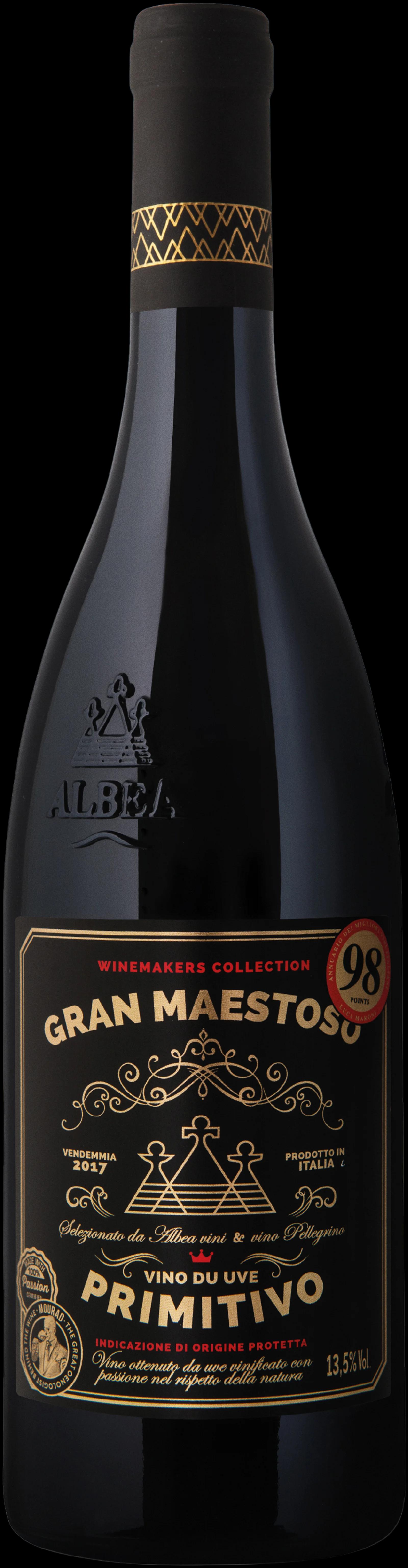
The producers of Apulia
Apulia stretches down the heel of Italy, a long, flat peninsula between the Adriatic and the Ionian Sea, and the producers here have been farming vines for longer than almost anywhere else in Europe. For much of the twentieth century, Apulian wine travelled north in tankers to bolster blends in France and northern Italy — the region's grapes were prized for their depth of colour and concentration, but rarely bottled under their own name. That changed as a generation of growers decided to bottle what they grew, and the transformation has been significant. Today, independent estates across the Salento peninsula, the Murge plateau, and the hills around Foggia are making wines that carry the character of the land directly. The estates listed here work their own vineyards and sell directly, which means the wine you receive was bottled by the person who grew the grapes — no intermediary changed hands, no warehouse sat between the cellar and your door. Apulia's producers range from small family operations farming a few hectares of old-vine Primitivo or Negroamaro to slightly larger estates working across multiple DOCs, but the common thread is a direct relationship with the vineyard and a style that is built on the warmth and ripeness the region reliably delivers.
How we choose our producers
We work directly with the growers behind the wines, which means getting to know how they farm and what they charge before a single bottle is listed. Apulian producers send samples, and those samples are tasted before a wine is listed — so the decision rests on what is in the glass rather than on a label or a regional reputation. We look for pricing that reflects the work in the vineyard without the mark-ups that importers and warehouses add along the way, and we keep the relationship direct so the grower sets their own terms. For a region like Apulia, where old-vine Primitivo and Negroamaro can be listed at widely varying prices depending on how many hands a bottle has passed through, that directness matters. Once a wine is listed, independent wine experts rate and review individual bottles, building a public track record that buyers can read on the wine page. We do not try to carry the full output of the region: we list wines tasted before listing, from producers we have a direct relationship with.
Winemaking traditions in Apulia
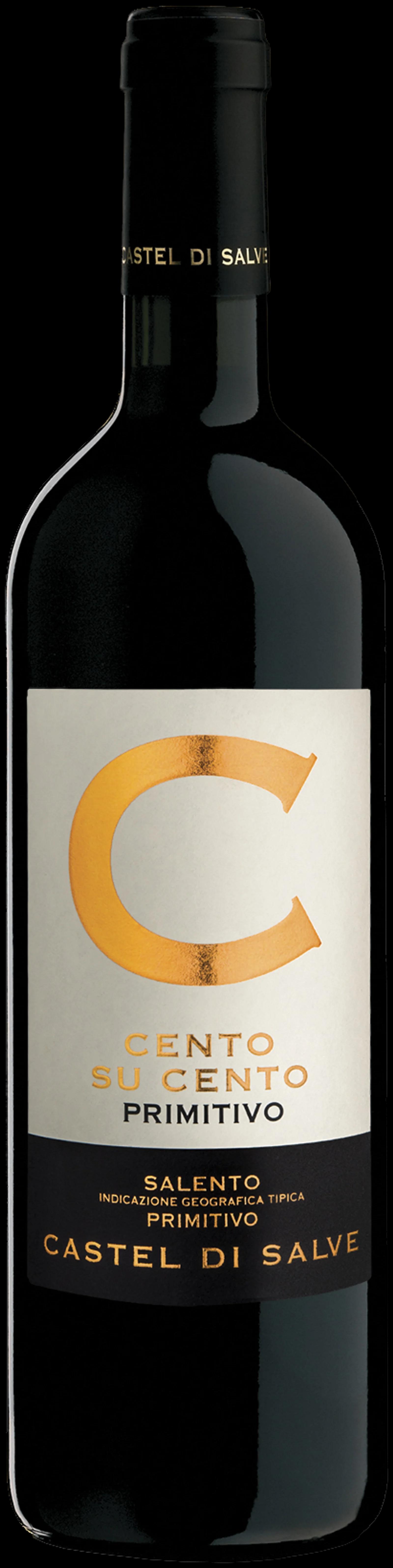
Two grapes define Apulia more than any others. Primitivo — genetically identical to Zinfandel — thrives on the sandy soils of the Manduria plain and the Taranto coast, producing wines with deep colour, ripe dark fruit, and enough structure to age. The DOC Primitivo di Manduria and the DOCG Primitivo di Manduria Dolce Naturale, a naturally sweet style made by partially drying the grapes, represent the grape at its most expressive. Negroamaro, whose name translates roughly as 'black and bitter', dominates the Salento peninsula and forms the backbone of Salice Salentino and Brindisi DOC. It tends toward a darker, earthier character than Primitivo, with a herbal edge and tannins that soften with a few years in bottle. For white wines, Fiano and Verdeca are the varieties most closely associated with the region, particularly in the Valle d'Itria, where the terrain rises and temperatures drop enough to retain freshness. Apulia also has a strong tradition of Rosato — dry rosé made primarily from Negroamaro — which has found a new audience as demand for serious, dry pink wines has grown. Across all these styles, Apulian producers work in a climate with reliable sun and very little rainfall, which means drought-resistant old vines trained in the traditional alberello (bush vine) form are common, particularly for Primitivo and Negroamaro. Browse Italian wines or explore producers in neighbouring Sicily, Campania, and Calabria. If you are looking for Apulia's wines by grape, Primitivo and Negroamaro are good starting points, or browse the full range of Apulian wines directly.