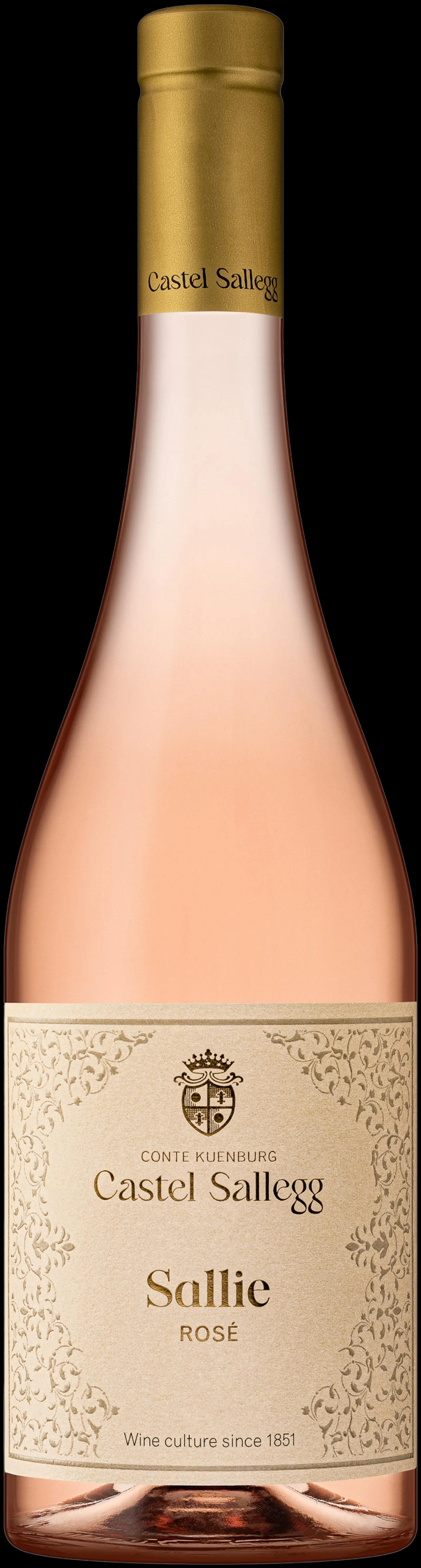
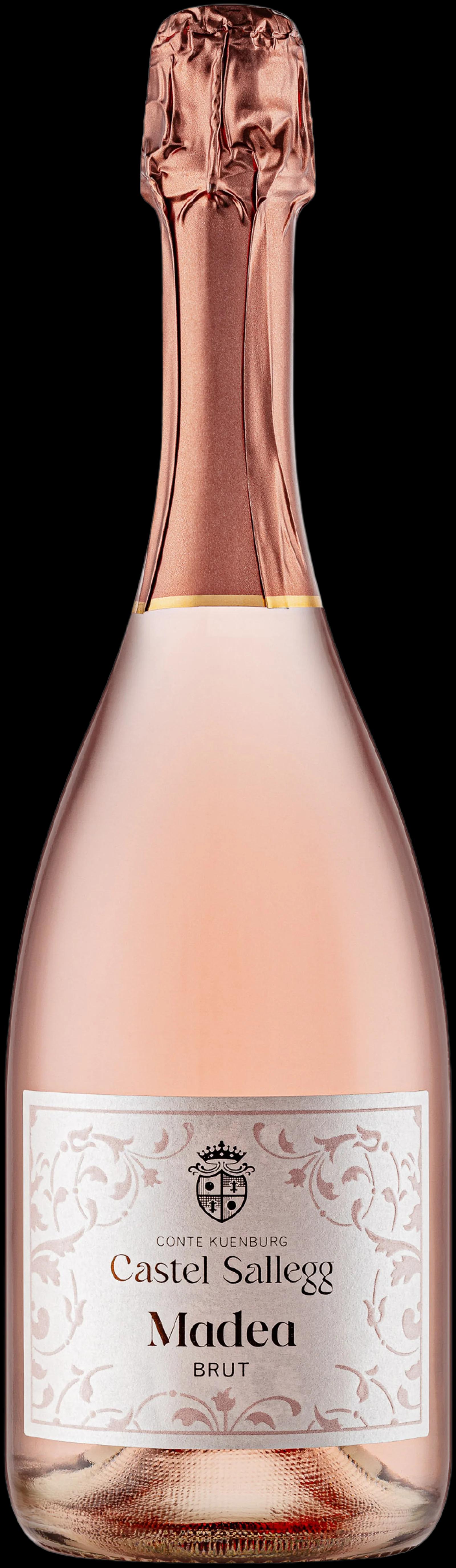
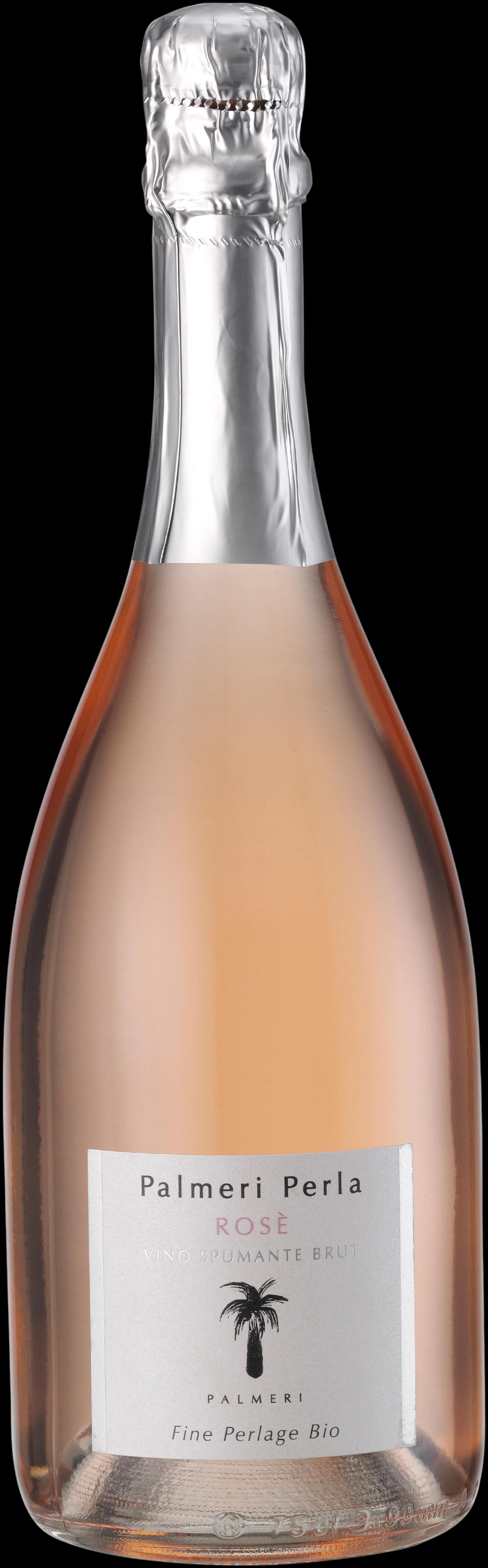
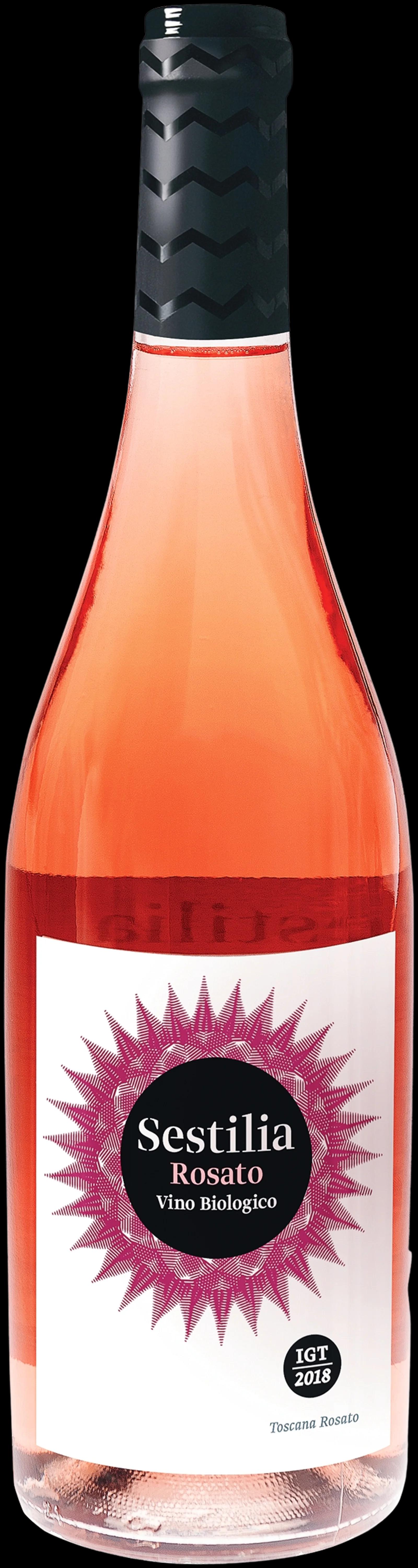
Key grapes in Italian rosé wine
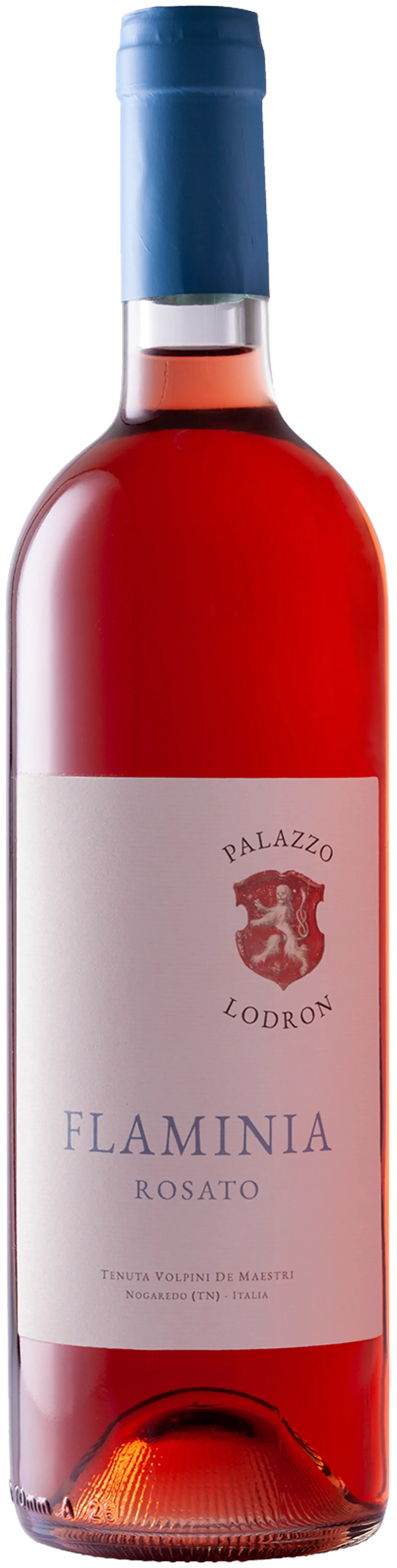
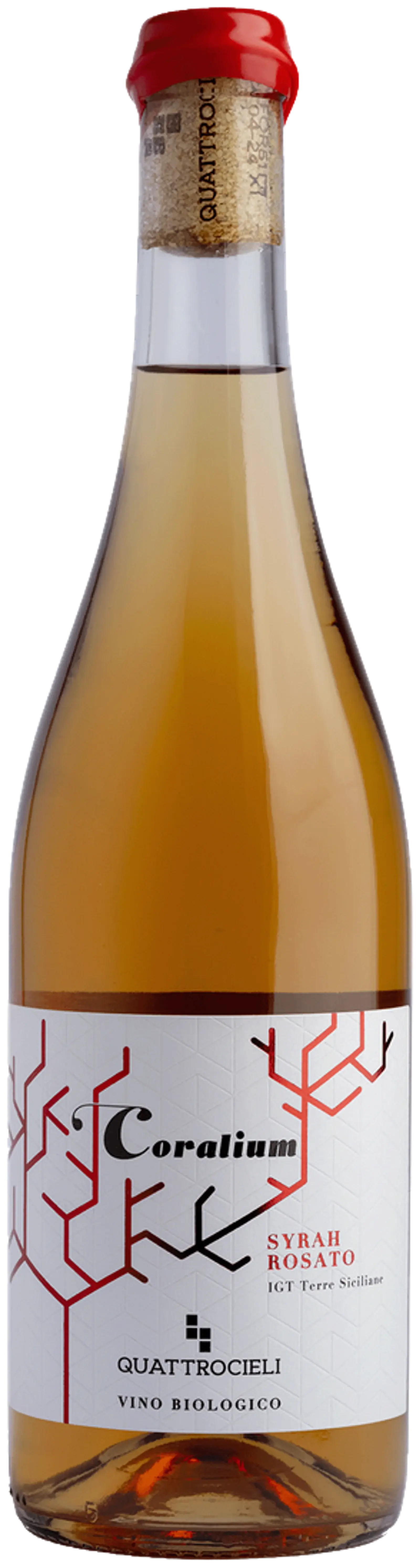
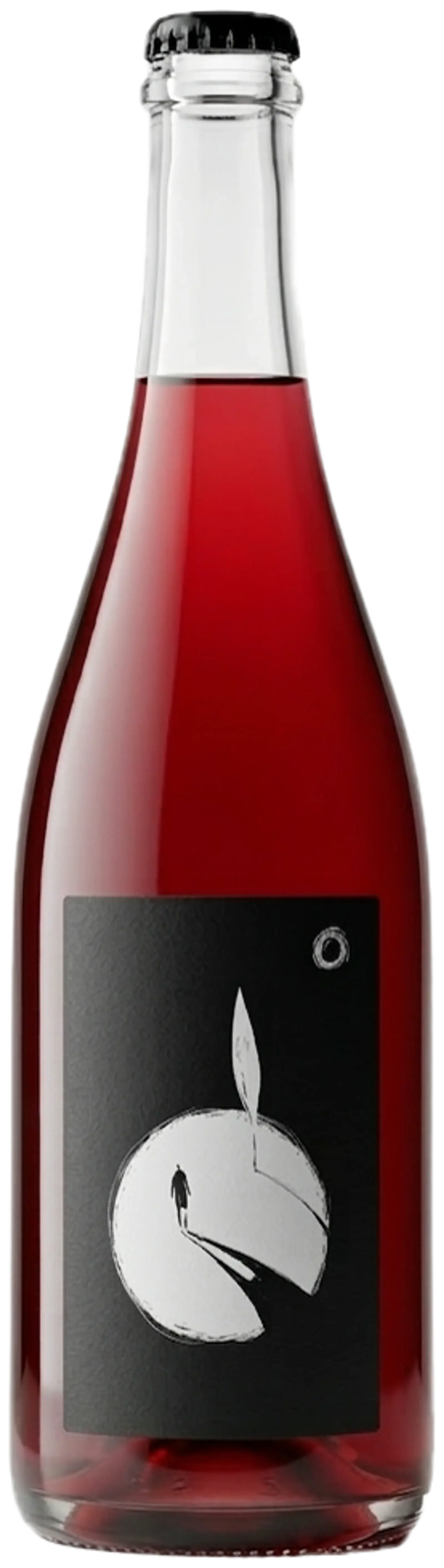
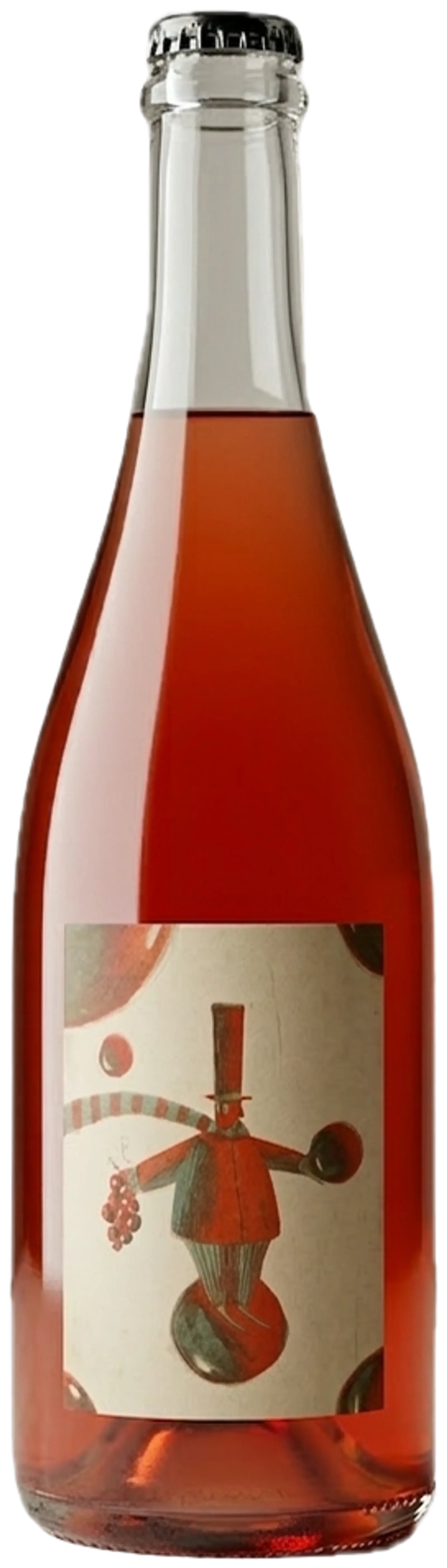
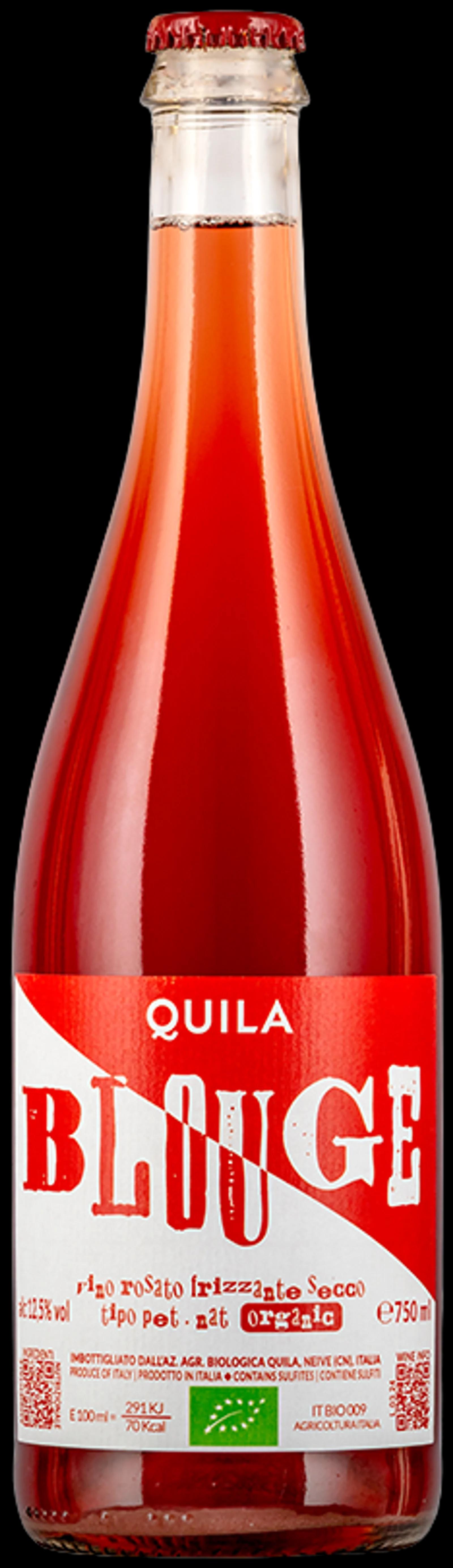
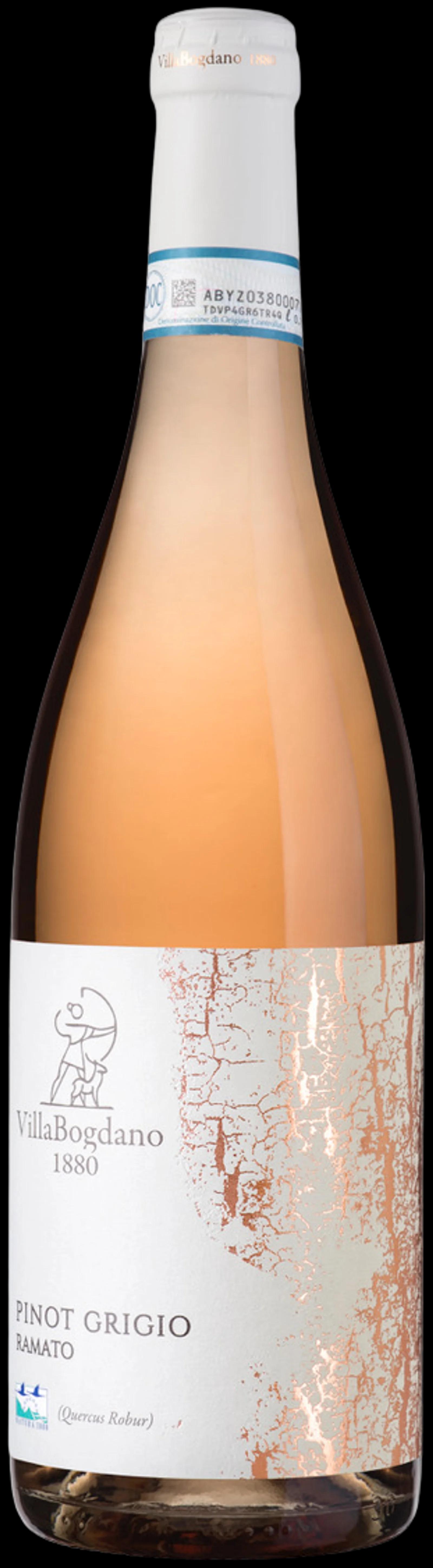
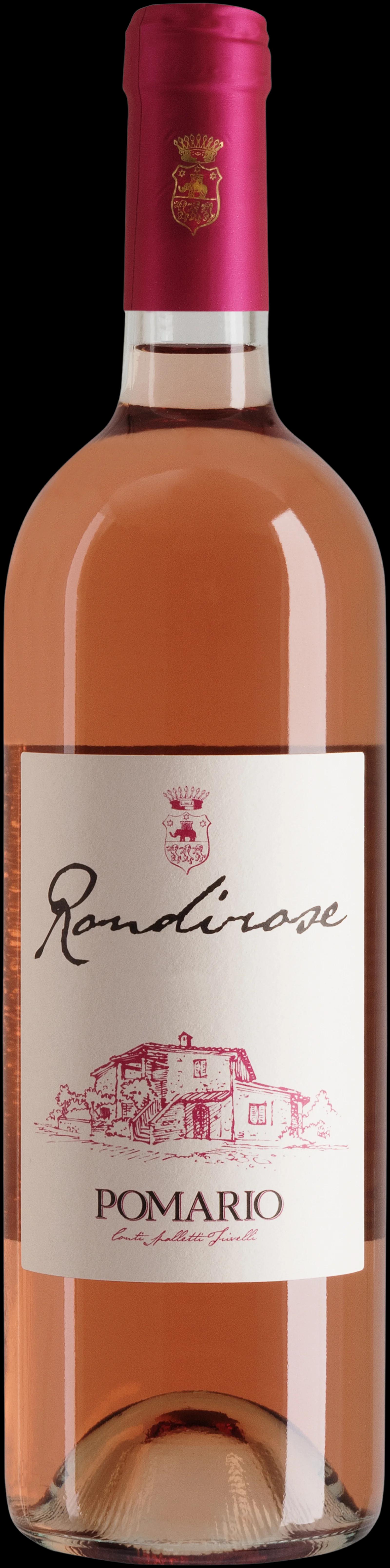
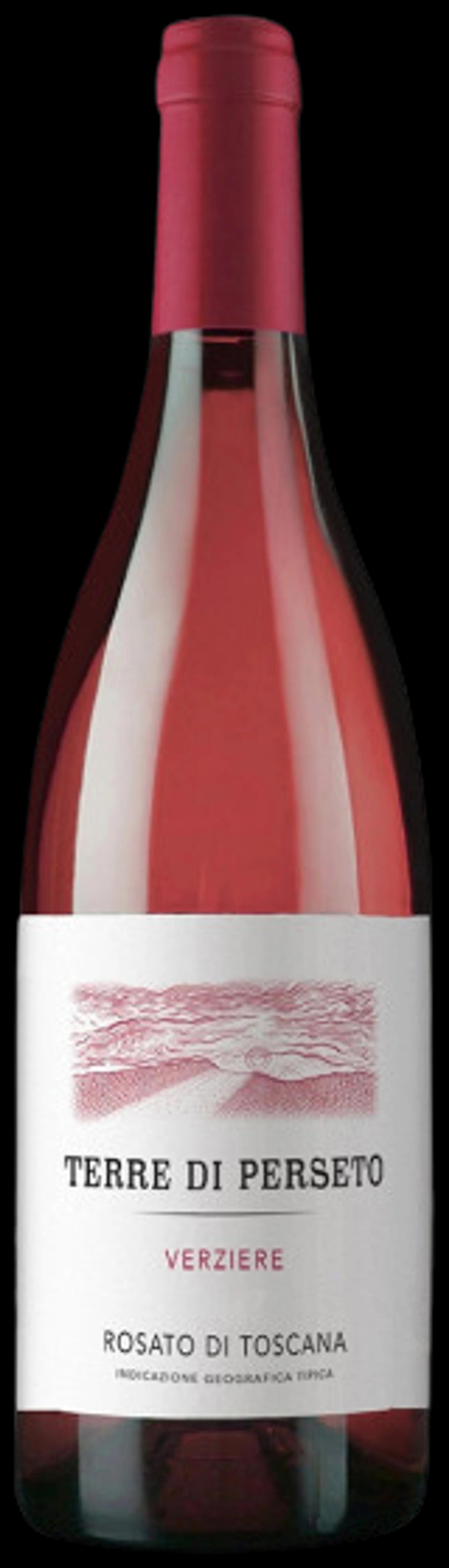
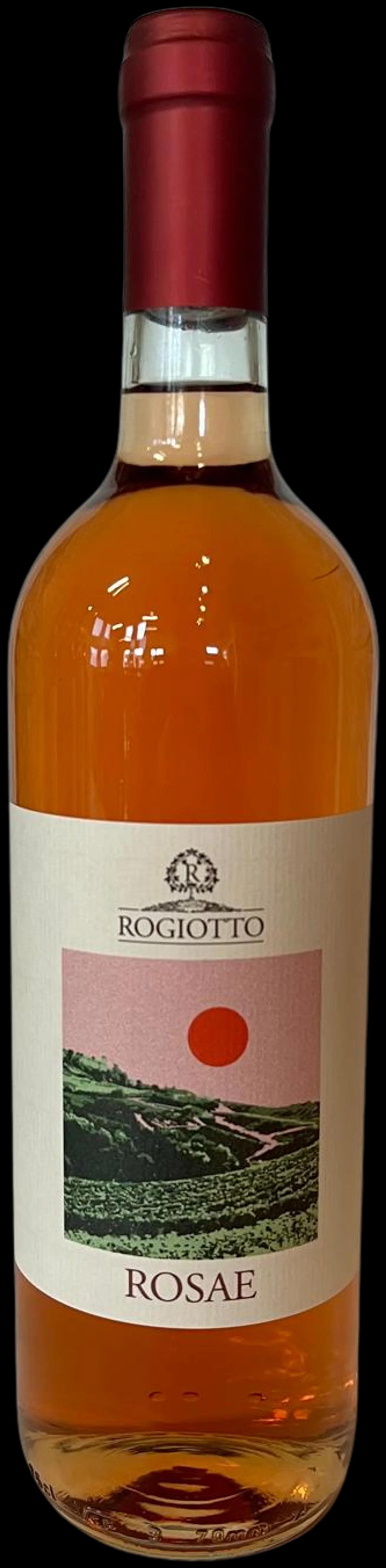
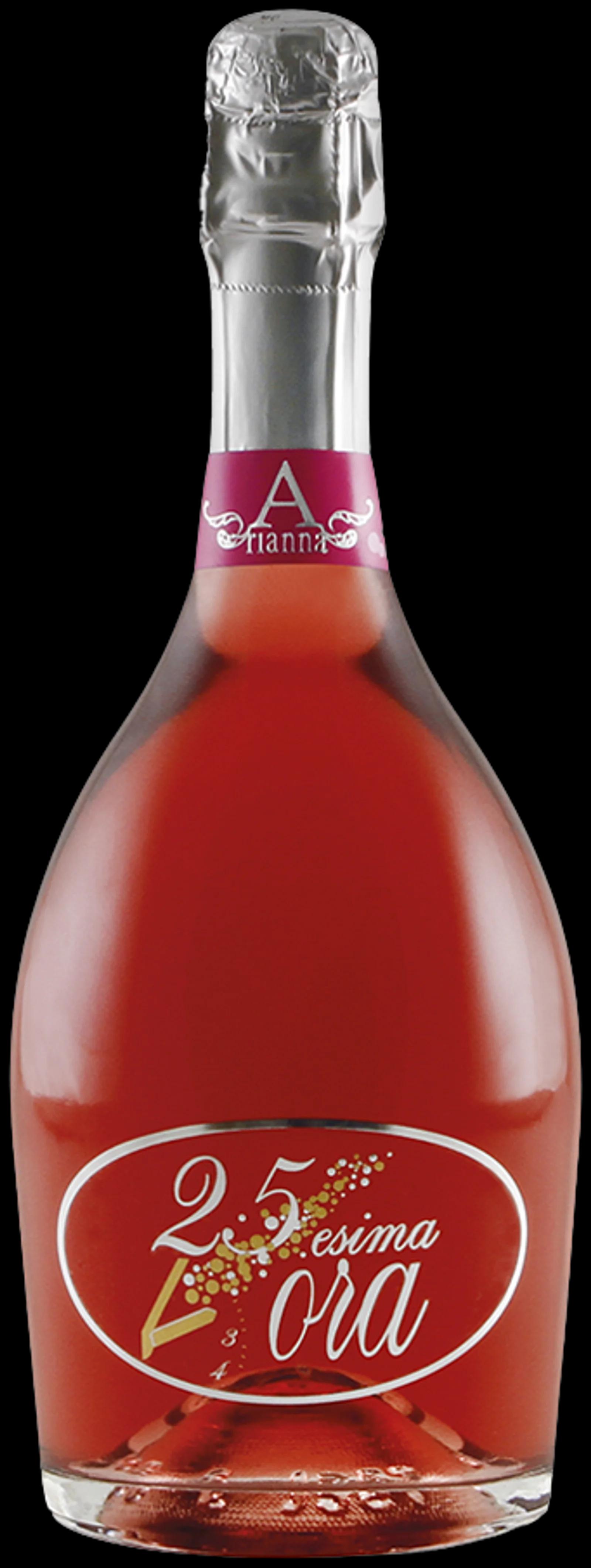
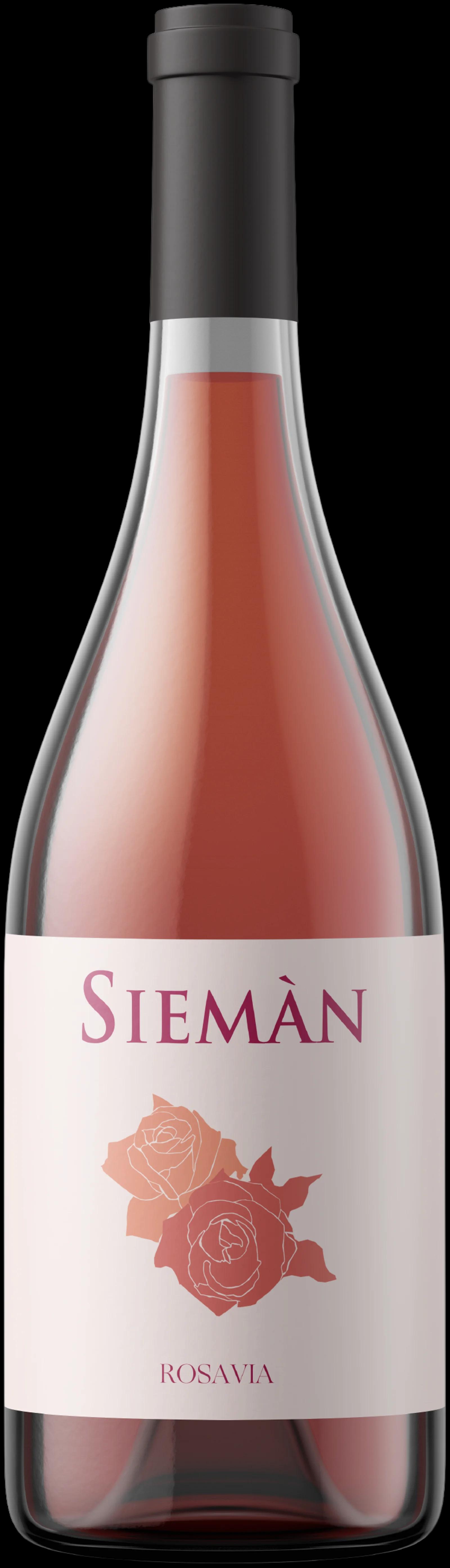
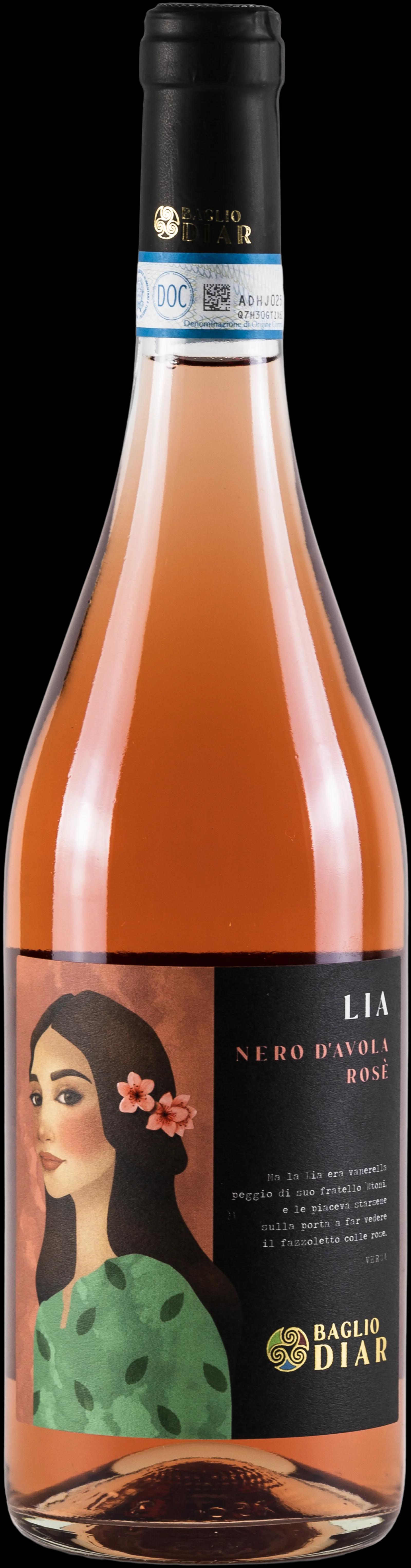
Italian rosé is not built around one grape. The variety used changes dramatically by region, and so does the resulting wine. In the northeast, Pinot Nero grown in Trentino-Alto Adige produces pale, high-acid rosé with fine mineral texture — a direct consequence of altitude and diurnal temperature range. In Tuscany, Sangiovese dominates; the same grape behind Chianti and Brunello makes rosé with noticeably higher tannin structure than most producers in Provence would accept. Cerasuolo d'Abruzzo is one of Italy's few DOC designations built exclusively around rosé: Montepulciano d'Abruzzo vinified as rosato, producing deep-coloured wines with 13–14% alcohol that behave structurally more like light reds than what most drinkers associate with rosé. In the south, Negroamaro in Salento gives pigmented, full-bodied rosé, while Nero d'Avola on Sicily contributes savory, herb-edged wines. The Italian rosé map is fragmented by design — regional identity matters more than category cohesion.
Regional variation in Italian rosé wine
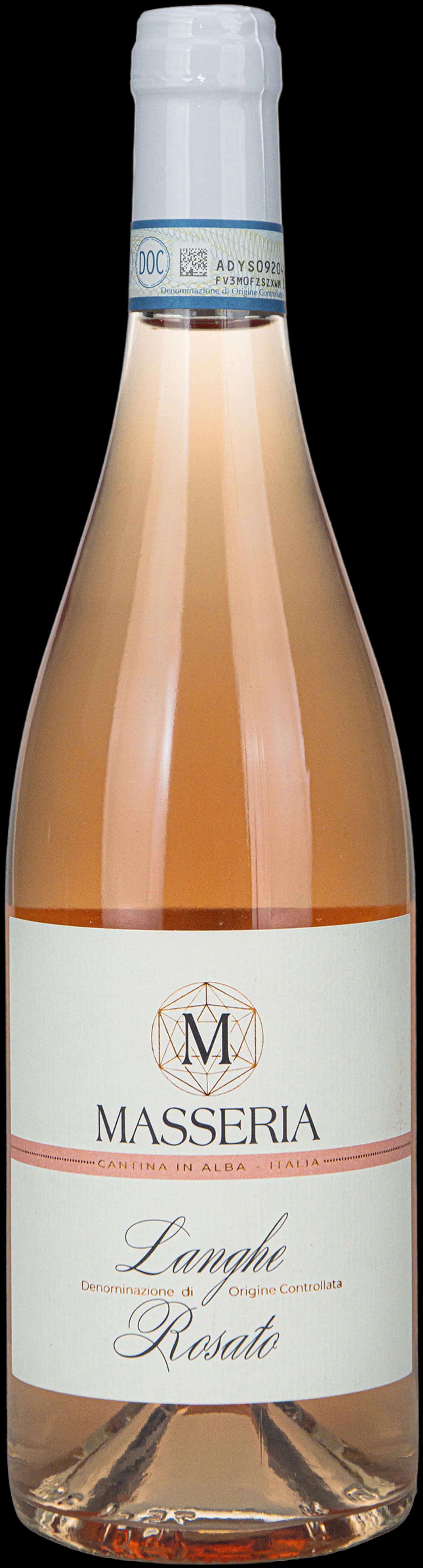
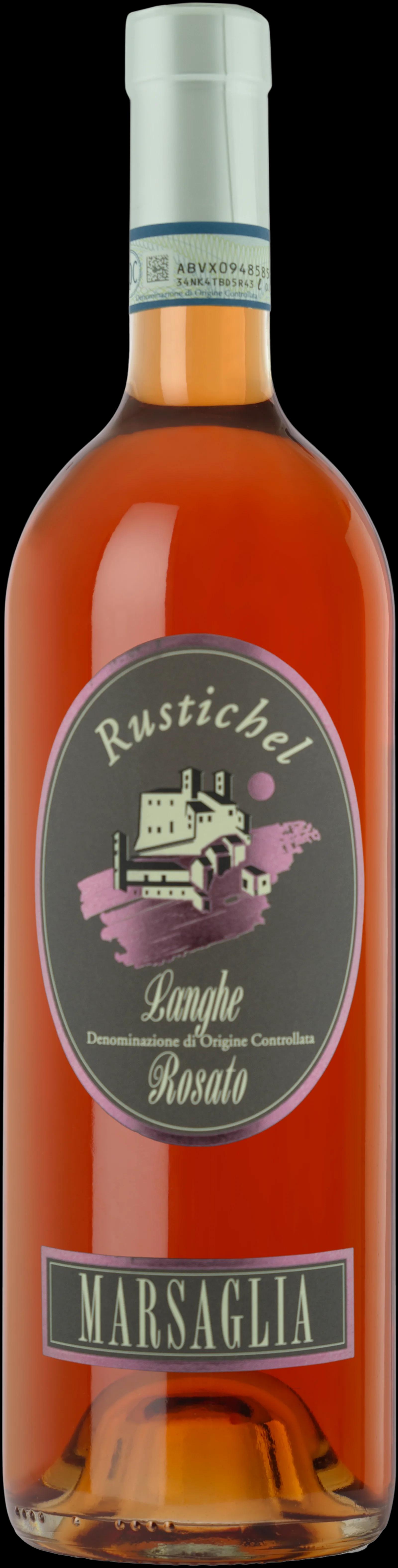
The style gap between a rosé from Piedmont and one from Sicily is wider than the gap between two rosés from different countries using the same grape. In Piedmont, Barbera and Nebbiolo are sometimes vinified as rosato: Nebbiolo rosé retains the variety's characteristic high acid and austere tannin even when the juice spends only hours on skins. In Veneto, Bardolino Chiaretto — produced from Corvina, Rondinella, and Molinara — is deliberately pale and delicate, often more similar to Provençal rosé than to anything made in Campania. Further south, the warmer climate pushes ripeness higher: rosé from Puglia or Calabria regularly exceeds 13.5% alcohol and carries a deeper colour, reflecting longer maceration and riper fruit at harvest. These are not stylistic choices in isolation — they are responses to what the grapes do in those specific soils and temperatures. Producers on Free Grape Society listing Italian rosé tend to be single-region operations; a producer in Tuscany is not blending in grapes from Puglia to balance the wine. What you see is what the region gave them.
How Italian rosé is made — and why production method matters
Most Italian rosé is made by direct pressing or short maceration, but the time on skins varies enough to produce wines that look and taste structurally different. Cerasuolo d'Abruzzo producers macerate for up to 24 hours, producing wines with a deep ruby-pink hue and tannin you can feel. Bardolino Chiaretto producers press immediately and aim for a colour closer to pale copper. Neither approach is correct — they reflect what the grape and the producer's market require. A second method found in northern Italy is saignée: bleeding off juice from a red wine fermentation to concentrate the red wine and use the bled-off juice for rosé. Saignée rosé is often a by-product decision rather than a deliberate rosé programme, which affects consistency vintage to vintage. Producers making rosé as their primary focus — not as a surplus outlet — typically show more intentionality in maceration time and pressing pressure. The Italian rosé wines listed here come from producers who tasted before listing and who set their own price without a third party adjusting it. No importer, no wholesaler. The price reflects what the producer agreed to — nothing more.