Sankt Laurent: Austria's dark, velvety red from Niederösterreich and Burgenland

Sankt Laurent wine is Austria's quietly serious red — deep-coloured, often earthy, with firm tannin and more weight than its Pinot Noir relative. The independent producers below grow it where it thrives: the continental vineyards of Niederösterreich and Burgenland.

Thin-skinned and sensitive to grow, Sankt Laurent ripens early and rewards cool continental sites with depth and structure.

Color

Dropdown arrow

Type

Dropdown arrow

Country

Dropdown arrow

Region

Dropdown arrow

Grape

Dropdown arrow

Pairing

Dropdown arrow

Sort by

Sort arrow
Sankt Laurent

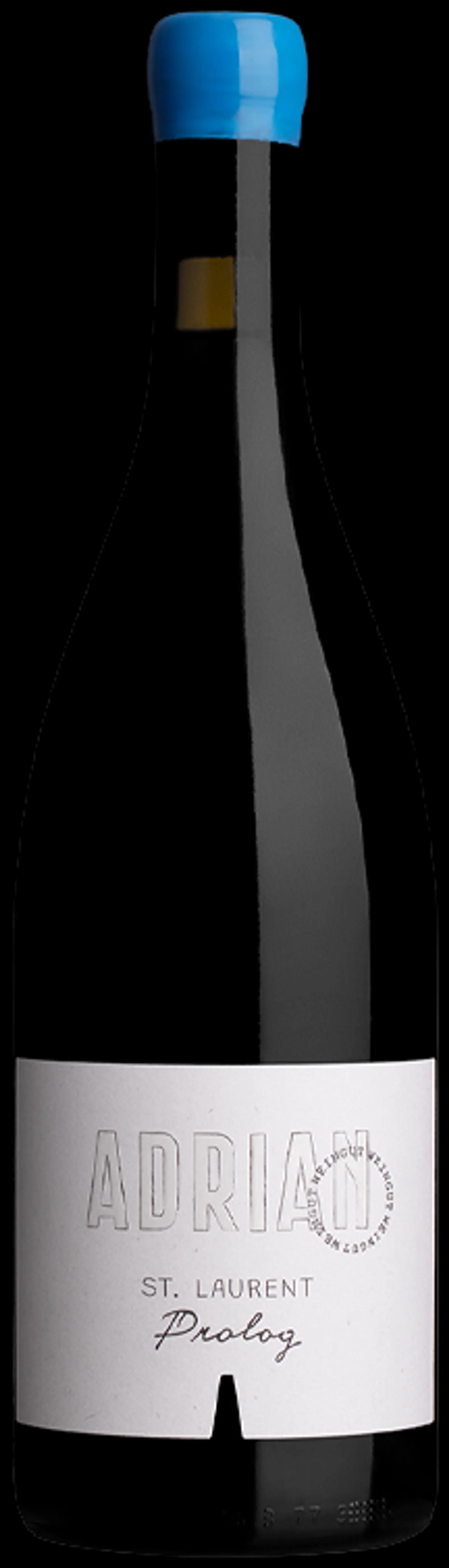
Sankt Laurent wines

Sankt Laurent is a natural crossing of Pinot Noir and an unknown second parent, registered in Austria in the nineteenth century and named after the saint's feast day on the 10th of August — around the time it begins to ripen. It ripens earlier than most Central European red varieties, which makes it well-suited to the cooler continental sites of Niederösterreich and Burgenland, where it produces wines with deep colour, earthy complexity, and tannin that softens with a few years in the cellar. On Free Grape Society, each bottle ships directly from the grower's own estate, with no importer or warehouse in between.

Previous1 of 1Next

Sankt Laurent wine cases

A Sankt Laurent wine case is a producer's own selection of six bottles, put together as the recommendation they would make if you visited their cellar. For a grape this closely tied to specific Austrian sites, that often means tasting one estate's interpretation across different vineyard parcels or styles — still, from single sites, or aged in large oak — where the continental climate and the producer's own choices shape what ends up in the glass. Free Grape Society is a society of producers, independent experts and wine lovers, not a shop.

View all mixboxes

Wineries

Sankt Laurent is grown by a relatively small number of producers, concentrated in Niederösterreich and Burgenland, where the variety has the longest track record and the best-suited soils. The growers listed here work with it as a serious variety in its own right rather than as a secondary red, and reading their own notes is often the clearest way to understand how each approaches it. The wine-advice service is there if you would rather talk through the options before choosing.

View all wineries

Wine experts

Independent wine experts review wines they have personally tasted, and their notes are visible on each wine's page and on the expert's own profile. Sankt Laurent is not the most widely reviewed Austrian red internationally, so an expert who knows it well is a useful guide to which producers are working at the top of their game. Several of the experts below have reviewed Sankt Laurent wines featured on this page.

View all wine experts

Frequently asked questions

How do I order Sankt Laurent wine through Free Grape Society?

Browse the wines on this page, add bottles to your basket, and check out. Each bottle is shipped directly from the producer's cellar to your door. Free shipping is included, and you can pay securely with Klarna or card. Delivery takes between four and fourteen days depending on where the producer is based.

What happens if a bottle arrives broken or doesn't taste right?

Send a photo to Free Grape Society customer support within 7 days of delivery. We will arrange a replacement or a refund. Because producers ship directly, quality issues are handled with the producer's direct involvement. Shared responsibility is built into how FGS works.

Can I order Sankt Laurent from more than one producer in the same delivery?

Yes. When producers ship from the same location or fulfilment point, bottles travel together. Where they ship separately, you receive more than one delivery. Your order confirmation will confirm the expected shipping arrangement and timeline for each part of your order.

How long does delivery take?

Average delivery is 8 to 9 days from order to door. The full range is 4 to 14 days depending on the producer's location and your delivery address. Wines ship directly from the producer's cellar, not from a central warehouse.

How do I choose between different Sankt Laurent wines on this page?

Sankt Laurent ranges from lighter, earlier-drinking styles to denser, more structured wines aged in large oak. The producer's own notes on each wine page are the best starting point. If you want a second view, expert reviews are visible on the wine pages, and you can use the wine-advice service to ask an independent expert directly.

How does Free Grape Society select the Sankt Laurent producers on this page?

Producers apply to join Free Grape Society and wines are tasted before listing. The selection reflects independent growers who bottle their own Sankt Laurent rather than selling it in bulk — producers for whom the variety is a deliberate choice rather than a secondary red.

Which Sankt Laurent wine expert can recommend something for me?

The wine experts listed on this page have reviewed Sankt Laurent wines and can give you a personal recommendation. Use the wine-advice form to ask your question — you will receive a response from an independent expert who knows the variety and the producers on the platform.

Why don't you sell supermarket-brand Sankt Laurent wines?

Free Grape Society lists wines from independent producers who grow, make, and bottle their own wine. Supermarket-branded Sankt Laurent is typically produced at scale by large co-operatives or négociants and sold under a retailer's label. The producers on this page are the people who actually grow the grapes and make the decisions in the winery.

Can I find Sankt Laurent outside Austria?

Sankt Laurent is almost entirely an Austrian variety. Small plantings exist in the Czech Republic — particularly in Moravia — and in Germany, but Austria accounts for the overwhelming majority of production. Niederösterreich and Burgenland are the two regions where it has the longest history and the most serious growers.

Where Sankt Laurent comes from and how region shapes it

Sankt Laurent is an old Central European variety whose origins remain debated, though DNA profiling has confirmed it as a natural offspring of Pinot Noir — which explains the family resemblance in the glass. Its heartland is Austria, particularly Niederösterreich and Burgenland, where it has been cultivated for well over a century and where it achieves its most complete expression. It is also grown in the Czech Republic, above all in Moravia, and in parts of Germany, though in smaller quantities. Climate has a pronounced effect on how it tastes. In cooler sites it produces wines that are pale, aromatic and fine-boned, with fresh acidity and a delicate red-fruit profile. In warmer, richer soils — parts of Burgenland in particular — the same variety can yield something considerably denser, with dark fruit, more grip and real ageing potential. The grape ripens early, which makes it sensitive to autumn warmth, and it has thin skin, so careful handling in the vineyard matters. Growers who understand its temperament can coax a remarkable range from it.

How Sankt Laurent tastes, and what to drink it with

Sankt Laurent tends toward a deep ruby colour with a violet edge, and the aromatics lean to black cherry, plum and a characteristic hint of black pepper or spice, sometimes with a slightly earthy, forest-floor quality that recalls its Pinot Noir parentage without replicating it. The tannins are generally fine and approachable, and the acidity is well-defined, giving the wine freshness even when the fruit is ripe. At lighter styles it works well with dishes where Pinot Noir is the usual recommendation: duck, game birds, mushroom-based sauces, and mild-aged cheeses. Fuller, warmer-climate expressions — particularly from Burgenland — can hold their own alongside beef, braised lamb, or richer stews. It is also a grape that rewards a few years in the bottle; the mid-weight styles in particular tend to open up and gain complexity with time. If you are exploring Austrian reds and want something beyond Blaufränkisch or Zweigelt, Sankt Laurent is a natural next step.

Buying Sankt Laurent direct from independent producers

Because Sankt Laurent is grown almost exclusively in Central Europe, it rarely reaches wine shops outside Austria, Germany and the Czech Republic in any depth, which makes direct trade a practical advantage rather than just a philosophical one. On Free Grape Society, producers ship directly from their own cellar, with no importer or warehouse in between — so the wines that reach you are the ones the grower actually bottles, not a commercial selection filtered for export markets. The growers listed on this page work with Sankt Laurent as a variety they have made a deliberate choice to grow, and their producer pages explain how and why. If you want to compare how the same grape expresses itself across Austria's two main regions, the Niederösterreich and Burgenland pages are a useful place to start, and the Austrian wineries page gives an overview of the independent producers Free Grape Society works with there. Free Grape Society is a society of producers, independent experts and wine lovers — not a shop — and wines are tasted before listing.