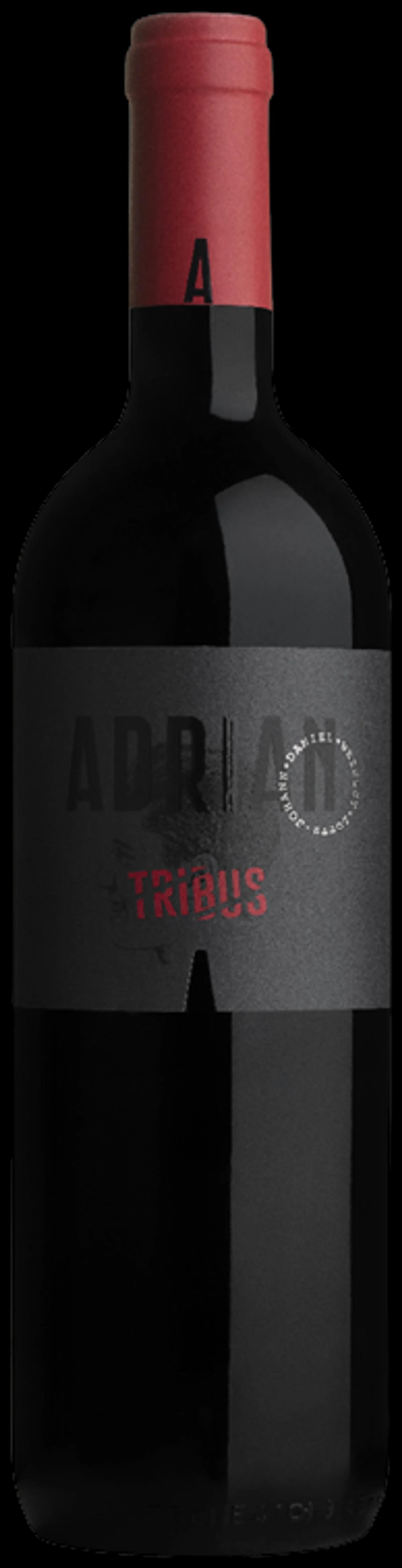
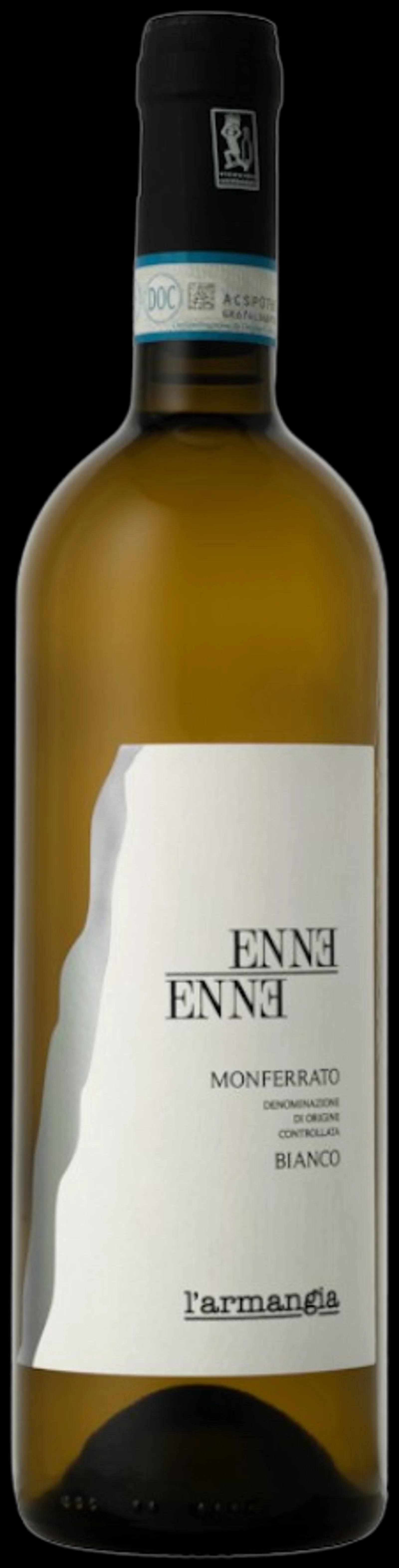
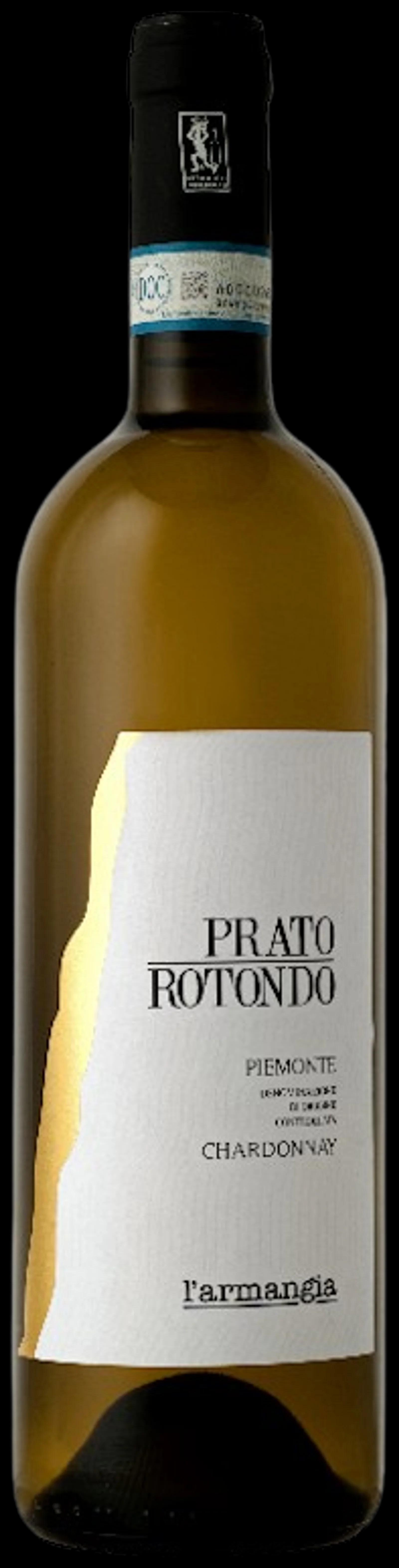
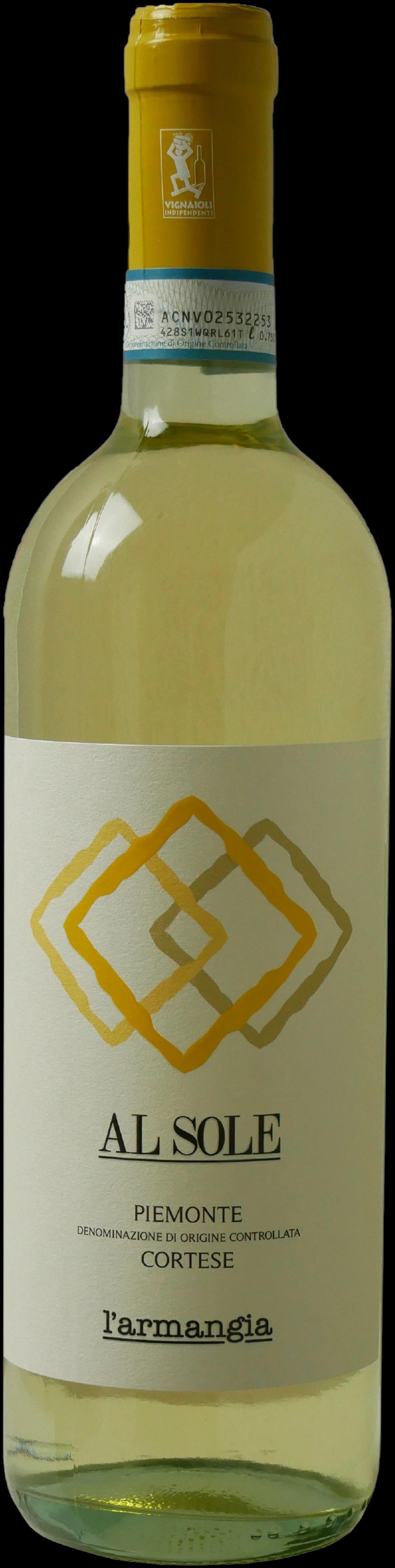
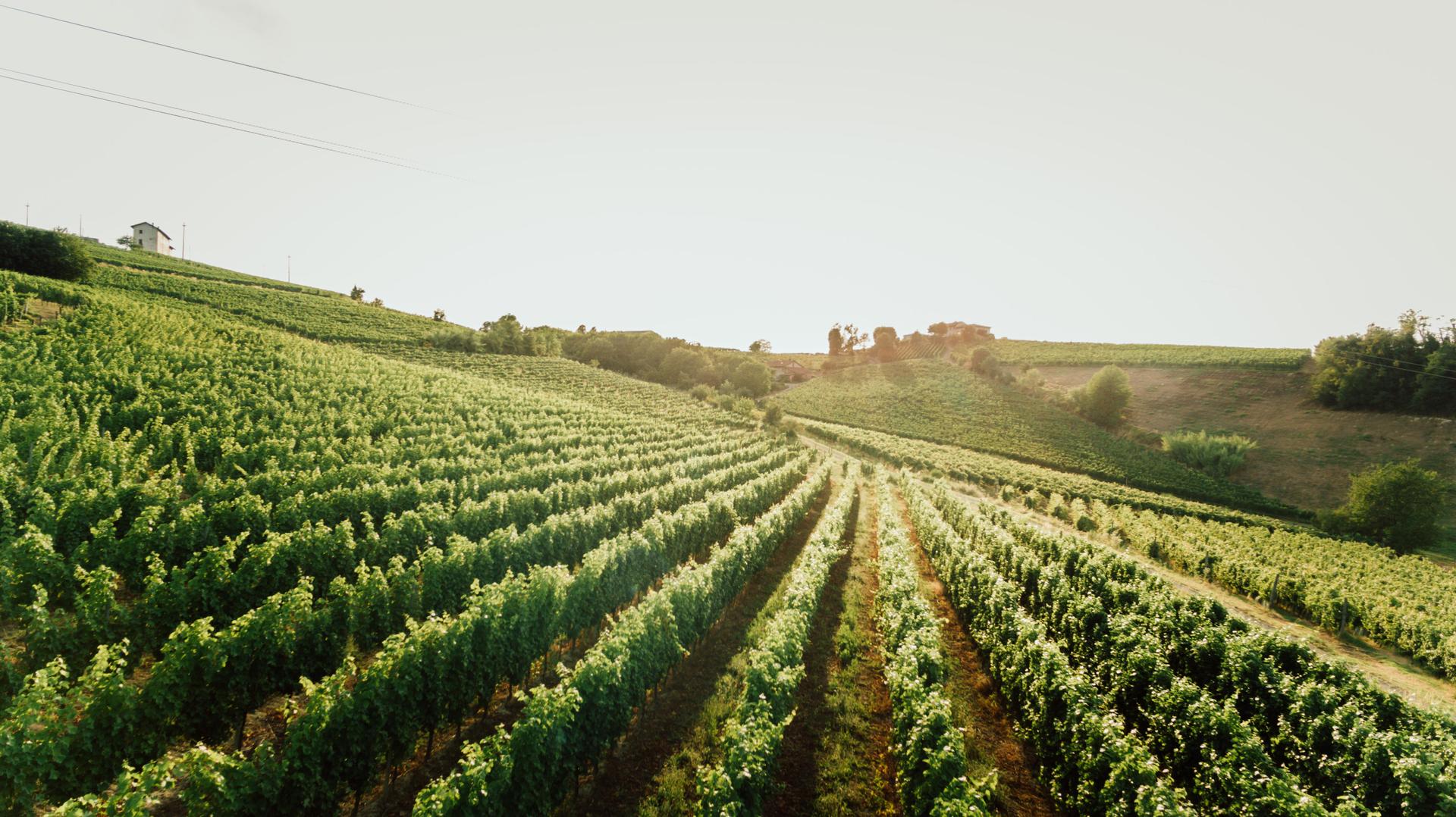
Albarossa: a rare Piedmontese red from independent Italian growers

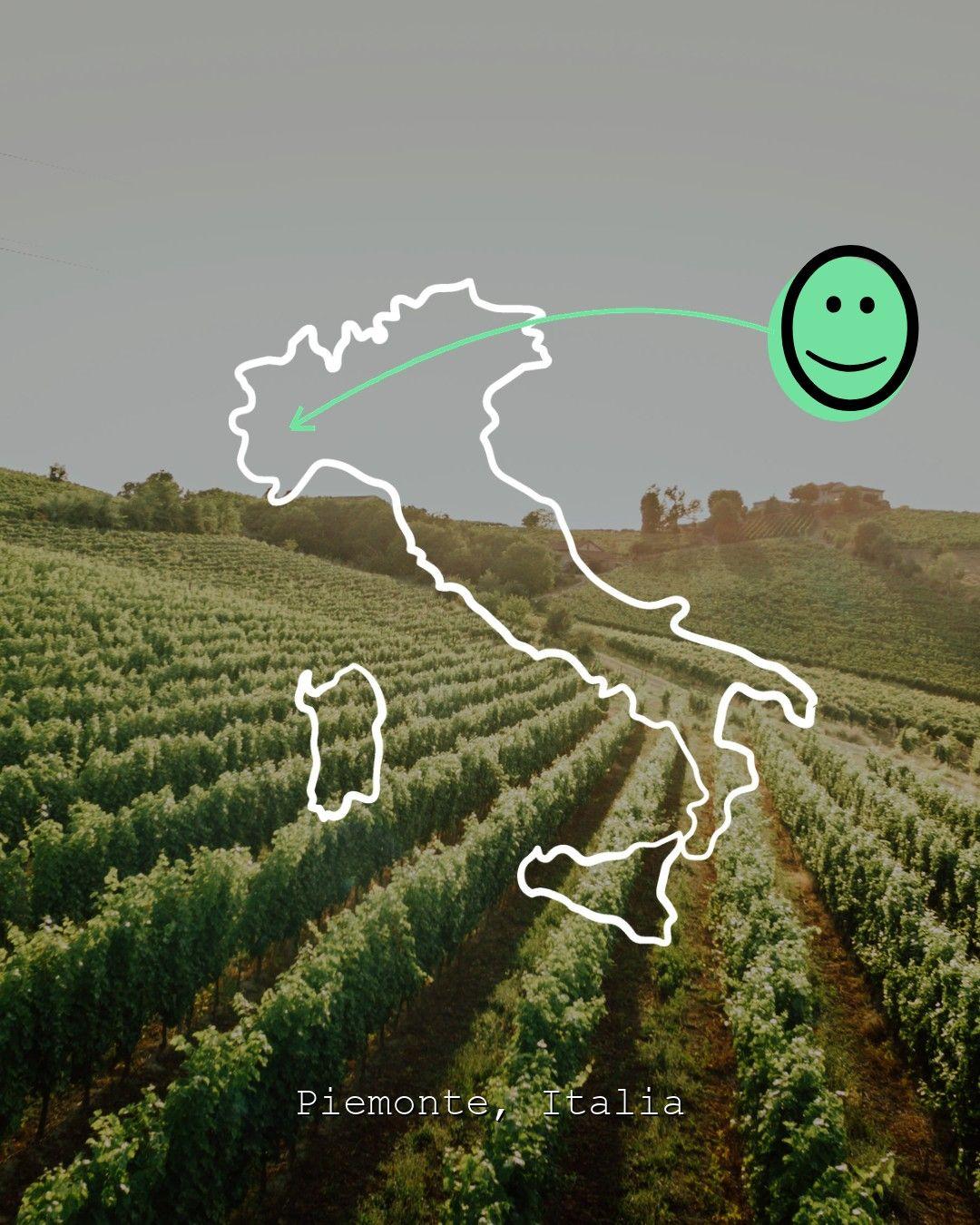
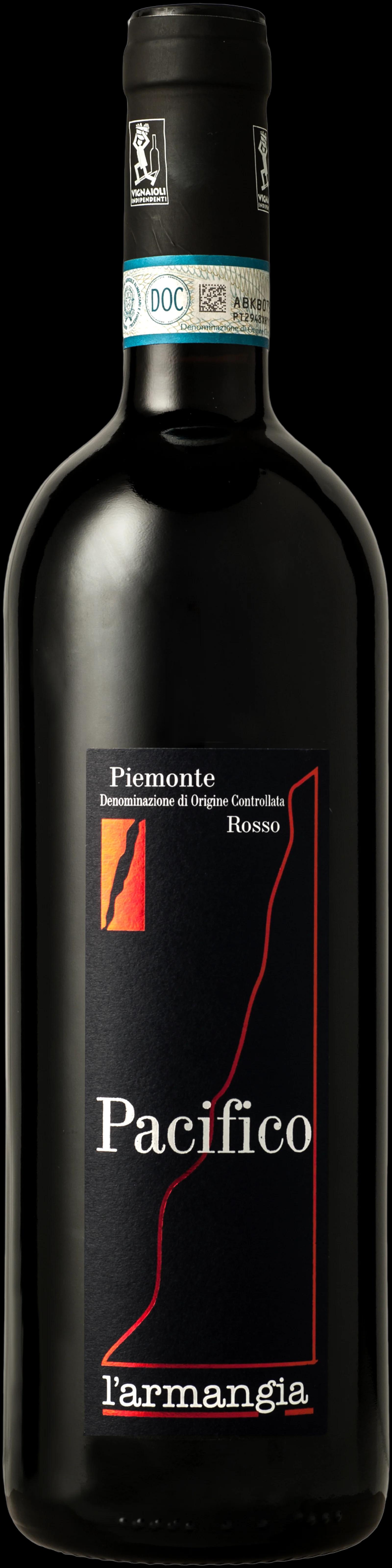
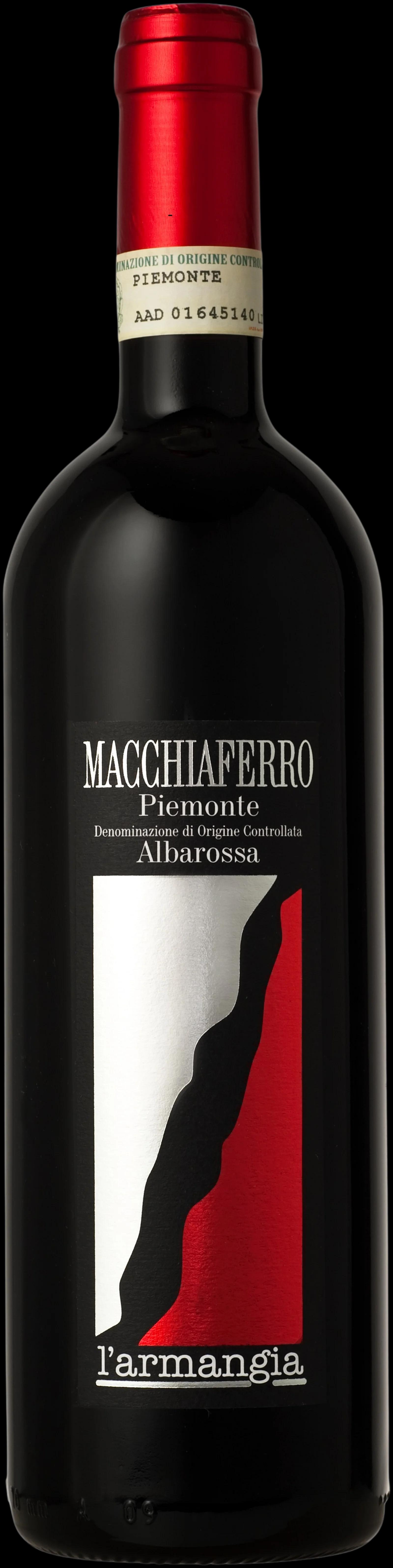
Albarossa wine is a cross of Barbera and Chatus, bred in Piedmont and grown almost exclusively by small independent estates. The producers below work with this uncommon variety and ship directly from their own cellars.

Deep colour, generous structure and the warmth of northern Italy in every glass.

Color

Dropdown arrow

Type

Dropdown arrow

Country

Dropdown arrow

Region

Dropdown arrow

Grape

Dropdown arrow

Pairing

Dropdown arrow

Sort by

Sort arrow
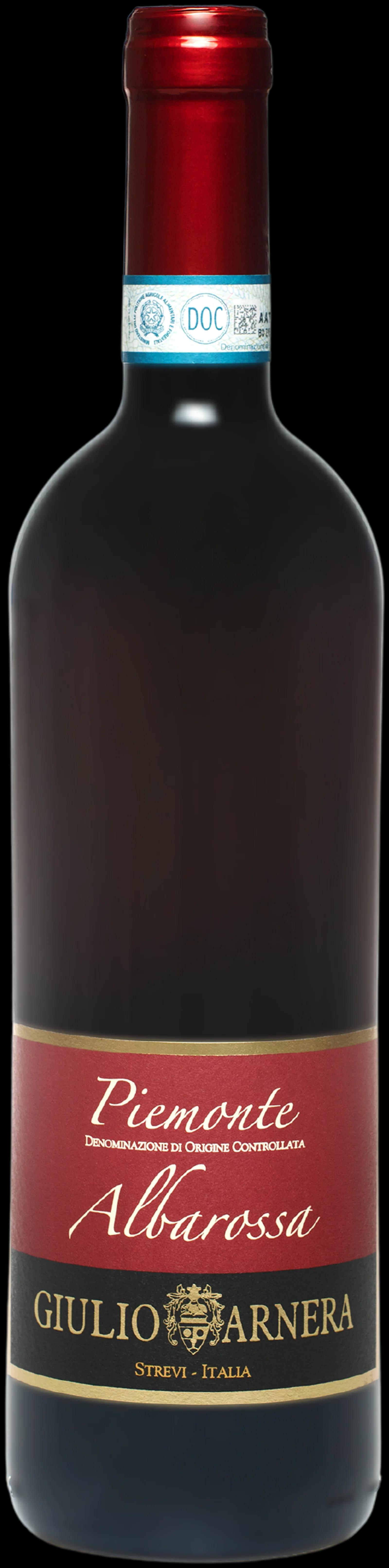
Albarossa

Albarossa wines

Albarossa was developed at the Conegliano Veneto research station in the mid-twentieth century as a cross between Barbera and Chatus, a variety of French origin once widespread in northern Italy. The result is a grape with Barbera's acidity and fruit depth combined with Chatus's colour and structure. It remains rare outside Piedmont, grown by a small number of estates who see it as a genuine expression of the region rather than a novelty. Each bottle on this page ships directly from the producer's own cellar, with no importer or warehouse in between.

3 of 3 wines

Previous1 of 1Next

Albarossa wine cases

A wine case here is a producer's own selection of six bottles, put together as the recommendation they would make if you visited their cellar in person. For a grape as uncommon as Albarossa, that often means tasting it alongside the other varieties the estate grows — which is one of the clearest ways to understand how it fits into a producer's range. Free Grape Society is a society of producers, independent experts and wine lovers, not a shop.

View all mixboxes

Wineries

The estates below grow Albarossa in Piedmont, mostly in the provinces where Barbera has long been at home — Asti, Alessandria and Cuneo. Because the variety is so rarely planted outside this corner of Italy, each producer's approach tends to reflect their own winemaking philosophy more than a regional tradition, which makes reading their own notes a useful starting point. The wine-advice service is there if you would like a second opinion before choosing.

View all wineries

Wine experts

Independent wine experts review wines they have personally tasted, and their reviews appear on each wine page and on the expert's own profile. Because Albarossa is produced by very few estates, expert reviews of this variety are relatively rare — but several of the experts below have experience with Piedmontese reds and can help you navigate the style.

View all wine experts

Frequently asked questions

How do I order Albarossa wine on Free Grape Society?

Browse the Albarossa wines listed above, add bottles to your cart and check out. Each bottle is shipped directly from the producer's own cellar. Your order includes the wine, packaging and delivery to your door — no membership fee is required to place an order.

What happens if a bottle arrives broken or doesn't taste right?

Send a photo to Free Grape Society customer support within 7 days of delivery. We will arrange a replacement or a refund. Because producers ship directly, quality issues are handled with the producer's direct involvement. Shared responsibility is built into how FGS works.

Can I order Albarossa from more than one producer in a single order?

Yes. You can add wines from different producers to the same cart. Each producer ships their wines separately, so you may receive more than one delivery if your order includes bottles from multiple estates. Shipping is free regardless.

How long does delivery take?

Average delivery is 8 to 9 days from order to door. The full range is 4 to 14 days depending on the producer's location and your delivery address. Wines ship directly from the producer's cellar, not from a central warehouse.

How do I choose between Albarossa wines from different producers?

Albarossa is grown by a small number of estates, so the differences between bottles tend to come from the producer's winemaking approach — ageing vessel, extraction, harvest date — rather than from regional sub-zones. Reading each producer's own notes is a good starting point, and the independent wine experts on the platform can help you narrow it down.

Is Albarossa a good choice if I normally drink Barbera or Nebbiolo?

It sits closer to Barbera in weight and fruit profile, but with deeper colour and firmer tannin. If you like Barbera d'Asti for its acidity and red fruit and want something a little more structured, Albarossa is a natural next step. Nebbiolo drinkers who find that grape demanding may find Albarossa an easier entry point into Piedmontese reds.

Which wine expert can recommend an Albarossa for me?

The independent wine experts on Free Grape Society review wines they have personally tasted. Ask a wine expert using the advice service on the platform and one of the experts listed above — several of whom have experience with Piedmontese reds — will respond with a personal recommendation.

Why don't you sell supermarket-brand Albarossa wines?

Supermarket wine ranges are built around volume and consistency at scale. Albarossa is planted by a very small number of estates and is not produced in quantities that suit large retail distribution. The producers on Free Grape Society grow it because they believe in the variety, not because it fits a commercial brief — which is why you rarely find it anywhere else.

Can I find Albarossa in wine shops or at the supermarket?

Rarely. Albarossa is produced in very small quantities by a handful of Piedmontese estates and does not reach mainstream retail distribution in most European markets. Buying directly from the producer via Free Grape Society is one of the most reliable ways to find it outside Italy.

Where Albarossa comes from and what makes it unusual

Albarossa is a crossing developed in Italy in the 1930s by Giovanni Dalmasso at the viticulture research station in Conegliano. It is a cross between Nebbiolo and Barbera — two of Piedmont's most planted red grapes — which makes it a purely Italian creation, bred for productivity and colour rather than discovered in a vineyard over centuries. Despite its prestigious parentage, Albarossa remained largely obscure for decades and is still grown almost exclusively in Piedmont, where a small number of independent producers have revived interest in it since the 1990s. It produces a deeply coloured red wine with firm structure, drawing the tannic backbone of Nebbiolo and the high natural acidity of Barbera into one variety. If you are already familiar with Barbera or Nebbiolo, Albarossa sits somewhere between them in character — structured but not austere, with more colour than either parent.

How Albarossa tastes and what to drink it with

Wines made from Albarossa tend to be deeply pigmented, with a dense ruby colour that reflects its high anthocyanin content — one of the traits Dalmasso was selecting for. On the palate, expect firm tannin and lively acidity, a combination that makes it well suited to food rather than to drinking on its own. The aromatic profile is typically red and dark fruit, with earthy and spiced notes that develop with age. Because the tannin is present but not as fine-grained as in a mature Barolo, Albarossa is often approachable earlier than Nebbiolo-based wines. It pairs well with braised and roasted red meats, aged hard cheeses, and dishes with umami depth — a slow-cooked ragù or a beef stew will stand up to it comfortably. Producers who work with it sometimes age it in oak, which softens the tannin and adds a darker, more resinous quality to the fruit. On Free Grape Society, each bottle ships directly from the producer's own cellar, with no importer or warehouse in between.

Buying Albarossa wine from independent producers

Because Albarossa is a niche variety even within Italian wine, it is rarely stocked by retailers outside specialist shops, and supermarket versions are almost nonexistent. That makes direct access to the producers who actually grow it more useful here than for better-known varieties. The growers you find on these pages are independent estates — not négociants or large commercial wineries — and the wines they make from Albarossa reflect individual choices about yield, winemaking, and ageing rather than a standardised house style. If you want to explore the variety more broadly, Piedmont wines and wines made from Barbera or Nebbiolo give useful points of comparison, since all three grapes share a regional identity and a structural profile built around acidity and tannin. Free Grape Society is a society of producers, independent experts and wine lovers, not a shop — wines are tasted before listing, and expert reviews are visible on each wine page where available.