Sylvaner: a grape that speaks quietly and clearly

Sylvaner wine ranges from lean and stony to broader and textured depending on where it is grown. The producers below work with it across Alsace, Franken, and beyond.

High acidity, low aromatics, and a remarkable ability to carry the mineral character of the soils it grows in.

Color

Dropdown arrow

Type

Dropdown arrow

Country

Dropdown arrow

Region

Dropdown arrow

Grape

Dropdown arrow

Pairing

Dropdown arrow

Sort by

Sort arrow
Sylvaner

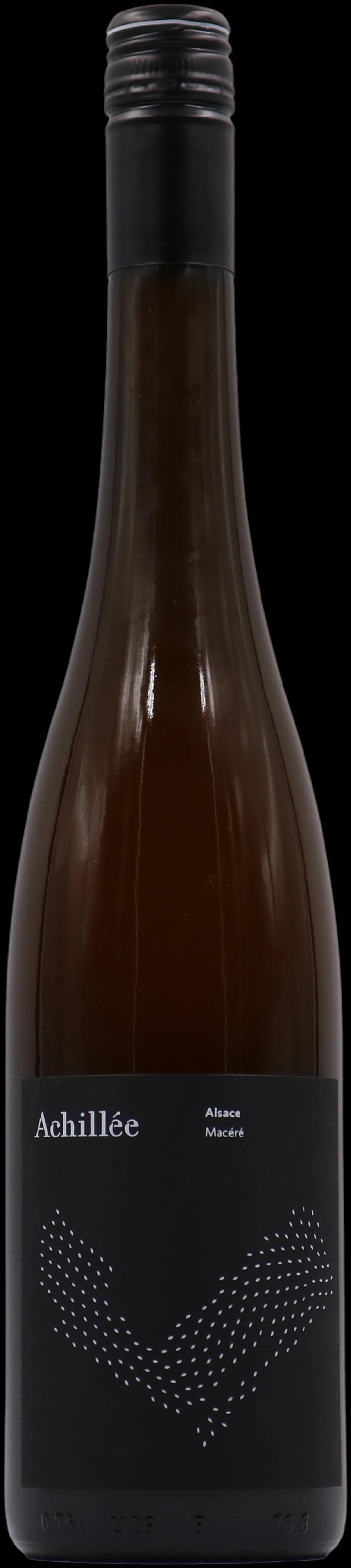
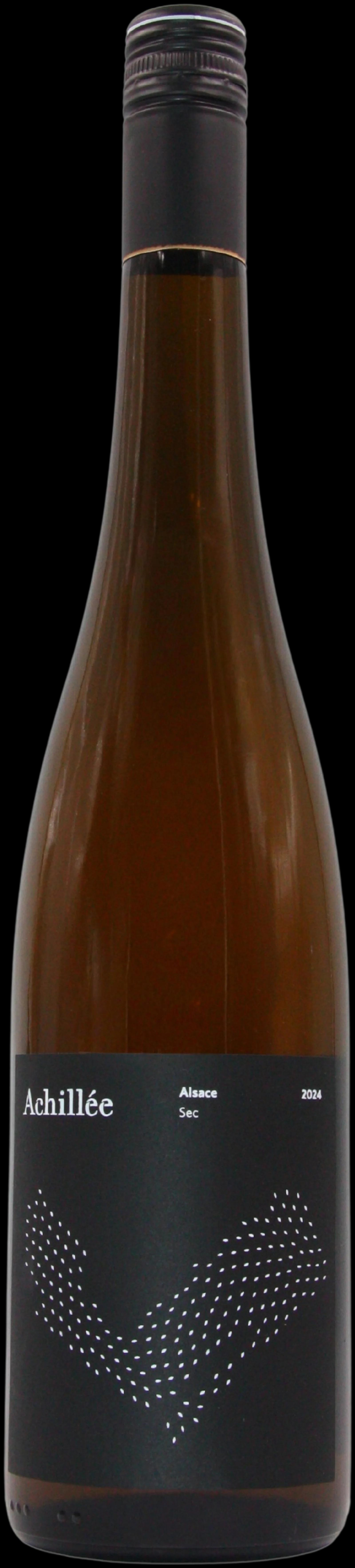
Sylvaner wines

Sylvaner is an old variety with deep roots in Central Europe, most at home in Alsace and in Franken, where it is sometimes bottled in the traditional flat Bocksbeutel. It tends to be understated: lower in aromatics than Riesling or Gewurztraminer, but capable of real precision in the right soils. On limestone or volcanic sites it can develop a stony, almost saline quality that makes it genuinely interesting at the table. On Free Grape Society, each bottle is shipped directly from the producer's own cellar, with no importer or warehouse in between.

2 of 2 wines

Previous1 of 1Next

Sylvaner mixboxes

A mixbox is the producer's own recommendation — six bottles chosen by the grower as a way into their range. For a variety like Sylvaner, where the character shifts noticeably between regions and even between parcels on the same estate, tasting a producer's selection side by side is one of the more direct ways to understand what the grape can do. Free Grape Society is a society of producers, independent experts and wine lovers, not a shop.

View all mixboxes

Wineries

The growers working with Sylvaner come from the places where the variety has been cultivated longest: Alsace, Franken, and parts of Austria and Luxembourg. Each producer's own notes explain the site choices and farming approach behind their wines, and the wine-advice service is available if you would like a recommendation before choosing.

View all wineries

Wine experts

Sylvaner is not a grape that tends to generate strong opinions at first — it rewards attention rather than demanding it. Independent wine experts review wines they have personally tasted, and their notes are visible on each wine page and on the expert's own profile. Several of the experts below have reviewed Sylvaner wines featured on this page, so you can read what they found before deciding.

View all wine experts

Frequently asked questions

How do I order Sylvaner wines on Free Grape Society?

Browse the Sylvaner wines listed on this page and add bottles to your order. Each wine ships directly from the producer's cellar. Delivery takes between 4 and 14 days, with an average of around 8 to 9 days. Payment is by card or Klarna, and shipping is free.

What happens if a bottle arrives broken or doesn't taste right?

Send a photo to Free Grape Society customer support within 7 days of delivery. We will arrange a replacement or a refund. Because producers ship directly, quality issues are handled with the producer's direct involvement. Shared responsibility is built into how FGS works.

Can I order Sylvaner from more than one producer in the same order?

Yes. You can add wines from different producers to your basket. Each producer ships their own wines separately from their own cellar, so bottles from different estates arrive in separate deliveries. The shipping is free regardless of how many producers you order from.

How long does delivery take?

Average delivery is 8 to 9 days from order to door. The full range is 4 to 14 days depending on the producer's location and your delivery address. Wines ship directly from the producer's cellar, not from a central warehouse.

How do I choose between different styles of Sylvaner?

Sylvaner from Franken tends to be leaner and more mineral; Alsace expressions are often slightly broader and rounder. Reading the producer's own notes on each wine page is a good starting point. If you would rather talk it through, you can put a question to an independent wine expert directly through the site.

How are the Sylvaner producers on Free Grape Society selected?

Free Grape Society works with independent producers who sell and ship directly. Wines are tasted before listing. The selection reflects the range of estates working seriously with Sylvaner across its main growing regions — there is no preference for any one producer or country.

Which Sylvaner wine expert can recommend something for me?

The independent wine experts on Free Grape Society each have their own profile showing the wines they have reviewed and their areas of focus. You can browse the experts on this page and send a question to one whose palate and background look relevant. There is no fee for asking.

Why don't you sell supermarket-brand Sylvaner wines?

Free Grape Society works only with independent producers who bottle and ship their own wine. Supermarket-brand wines are produced at scale by large négociants and distributors who are not part of the direct-trade model the platform is built on. The Sylvaner wines here come from growers who made them.

Is Sylvaner easy to find in shops and supermarkets outside Germany and France?

Sylvaner has a low commercial profile outside its home regions. In most European markets it rarely appears in supermarkets or mainstream retail, and where it does it is usually a single industrial-scale label. The variety is much better represented among small independent estates, which is where the wines on this page come from.

Where Sylvaner comes from and how region shapes it

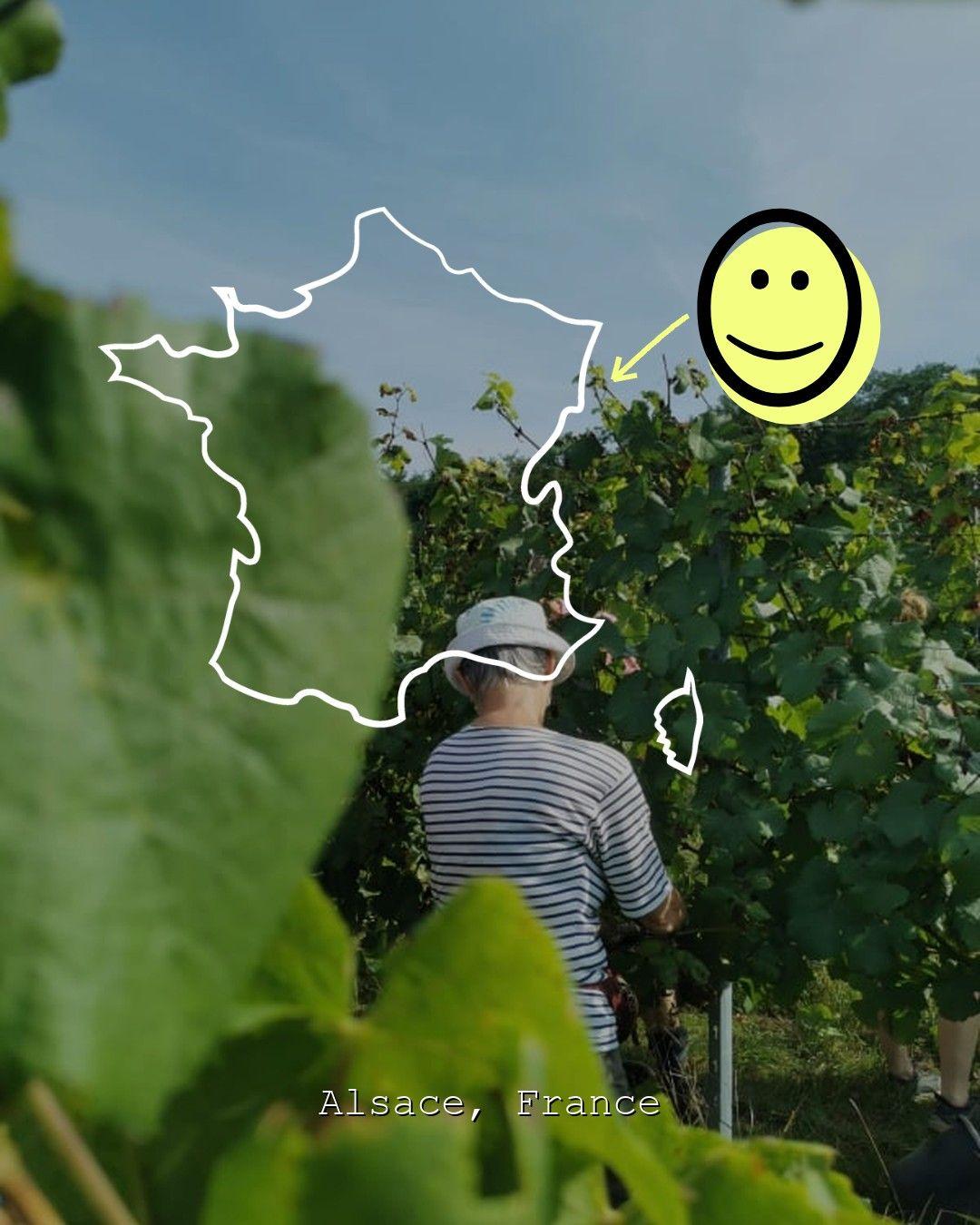
Sylvaner's origins are debated, but its most important home is Alsace, where it produces dry, mineral whites with relatively low acidity and a gentle earthiness that pairs well with food. Across the border in Germany, it found its second great address in Franken, where the variety fills the region's distinctive flat Bocksbeutel bottles and tends toward a broader, more savoury style than its Alsatian counterpart. In the Pfalz it shows a softer, more approachable side. Sylvaner also appears in Alsace as a blending component and occasionally as a late-harvest wine, where it develops unexpected concentration. Outside France and Germany, small plantings survive in Austria, Luxembourg, and parts of northern Italy, though the variety has steadily lost ground to higher-profile whites across most of these regions. What unites the wines is a tendency toward restraint: Sylvaner rarely shouts, but in the right hands it delivers something precise and direct that more fashionable grapes often do not.

How Sylvaner tastes, and what to drink it with

Sylvaner typically produces white wines that are dry, relatively low in alcohol, and built around texture rather than aromatic intensity. The profile runs toward green herbs, white pepper, and a stony, sometimes earthy quality, with stone fruit appearing in warmer sites or riper vintages. Acidity is moderate, which makes it more immediately approachable than Riesling but also less obviously age-worthy. At the table, that restraint becomes a strength. Sylvaner works well with freshwater fish, white asparagus, light vegetable dishes, and charcuterie, and it is one of the few wines that handles artichoke and asparagus without a fight. Alsatian producers often match it with choucroute and local terrine. If you are exploring the variety for the first time, a Franken Sylvaner alongside a Germain or Alsatian example will show how much site and winemaking can shift what is fundamentally a quiet, food-first grape.

Buying Sylvaner direct from independent producers

Sylvaner is not a variety you find often in general retail, which makes direct access to the growers who still champion it particularly worthwhile. The producers working with Sylvaner on Free Grape Society tend to be estates where the variety has a long history — wineries in Alsace and Franken where it has been grown for generations alongside better-known neighbours. On Free Grape Society, those producers ship directly from their own cellars, with no importer or warehouse in between, which means you are getting the wine as the grower intends it to be received. Some also put together mixboxes that include their Sylvaner alongside other whites from the same estate, which is a useful way to understand how the variety fits into a producer's broader range. French mixboxes and German wineries are good starting points if you want to find producers who work with the variety seriously. Free Grape Society is a society of producers, independent experts and wine lovers, not a shop — and Sylvaner, a grape that rewards those who seek it out, fits that idea well.