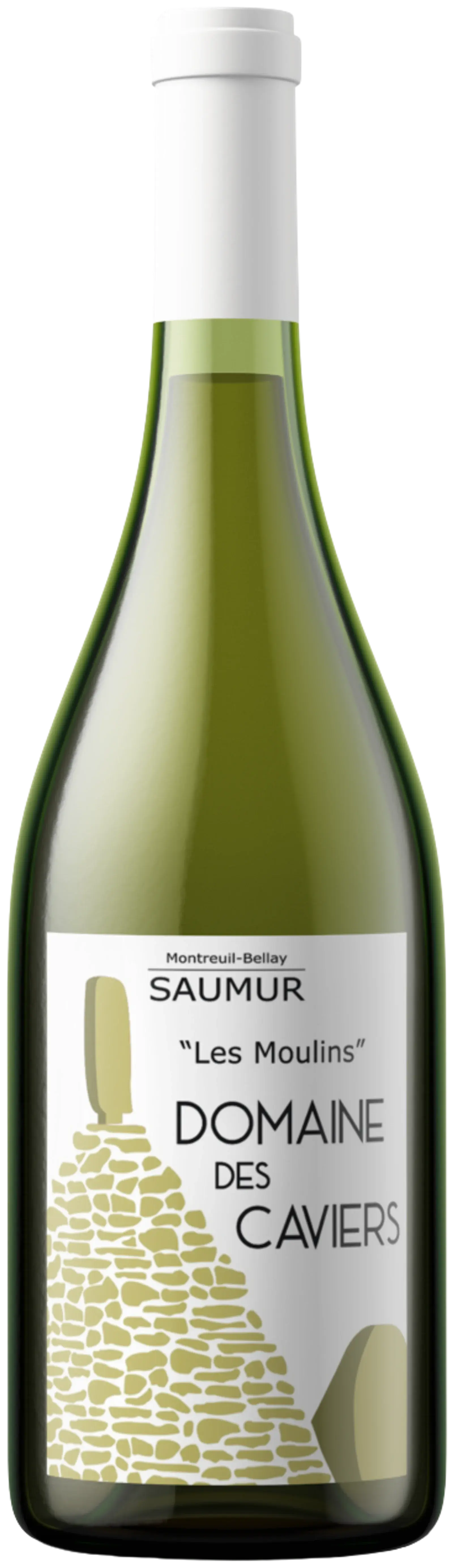
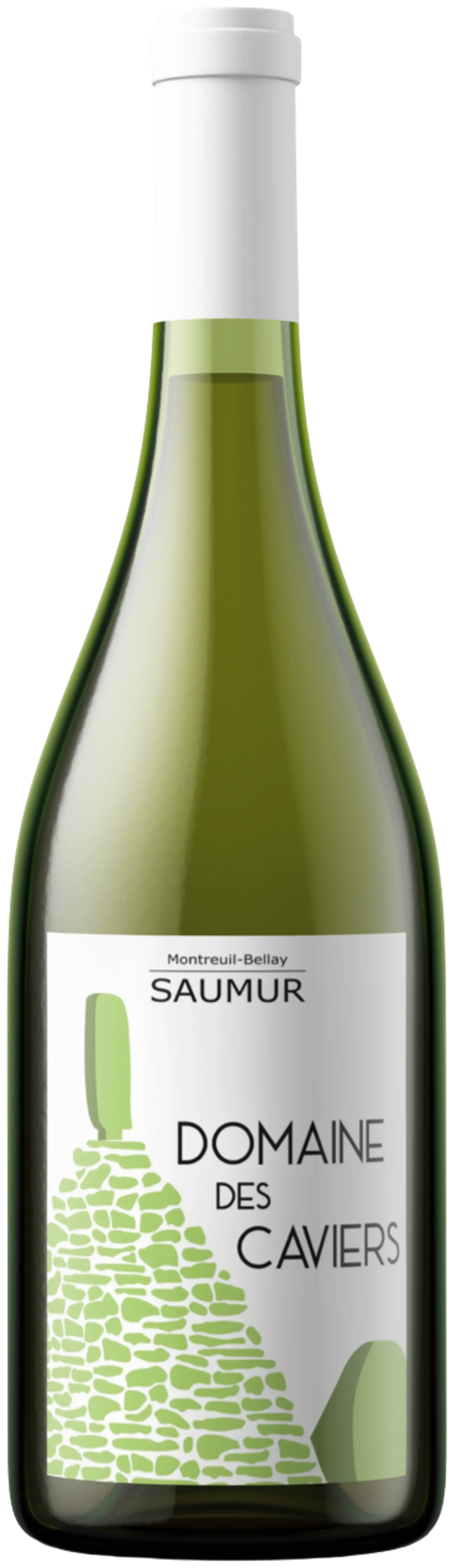
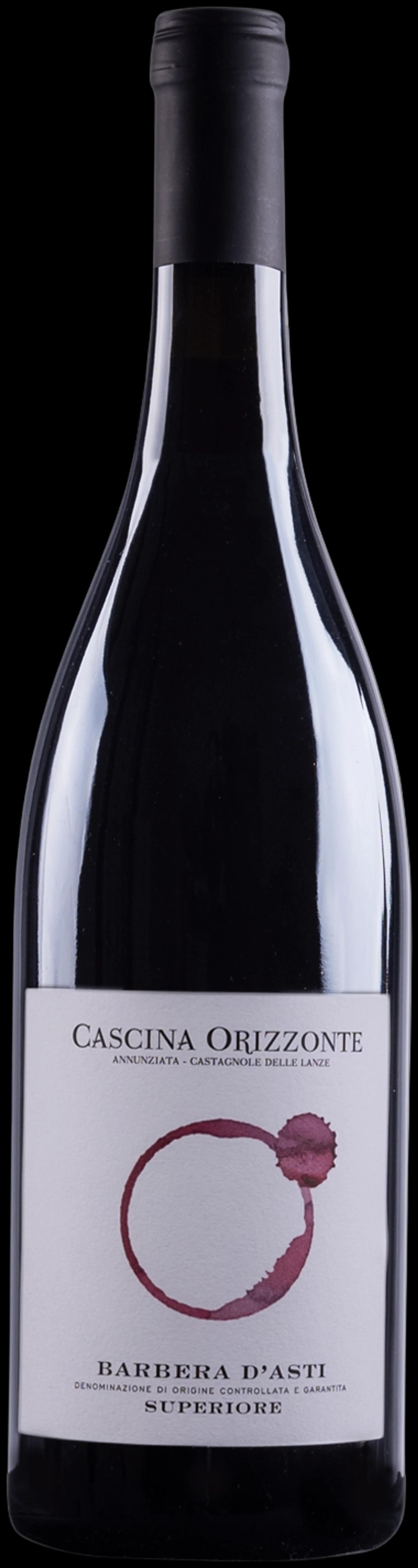
Palomino: the grape behind Sherry, from independent bodegas

Palomino wine is almost invisible on its own — pale, low in acid, quietly structured — and that is precisely what makes it the ideal canvas for Sherry. The producers below work with Palomino in its Andalusian heartland and beyond.

A neutral, high-yielding white grape that transforms under flor and oxidation into some of Spain's most complex wines.

Color

Dropdown arrow

Type

Dropdown arrow

Country

Dropdown arrow

Region

Dropdown arrow

Grape

Dropdown arrow

Pairing

Dropdown arrow

Sort by

Sort arrow
Palomino

Palomino wines

Palomino is one of those grapes that rewards patience. On its own, freshly pressed, it gives a wine that is light, almost featureless, and quick to fade. Put it in a Sherry bodega, let a layer of flor yeast form on the surface, and leave it to age under partial oxidation, and something entirely different emerges. The wines below come from producers who understand that transformation — and ship each bottle directly from their own cellar, with no importer or warehouse in between.

5 of 5 wines

Previous1 of 1Next

Palomino wine cases

A Palomino wine case is a producer's own selection of six bottles, assembled as the recommendation they would make if you visited the bodega in person. With a grape this closely tied to a single production method, a case often tells the story of one house's approach across styles — a Fino next to a Manzanilla, or a dry Amontillado beside something older and more oxidative. Free Grape Society is a society of producers, independent experts and wine lovers, not a shop.

View all mixboxes

Wineries

The bodegas below are the people behind the wines. Sherry production is traditionally a craft of place and patience — the solera system means a wine in your glass may contain traces of many different harvests, blended gradually over years. Reading a producer's own notes on how they manage that process is often more useful than any tasting descriptor, and the wine-advice service is there if you would rather talk through the styles before choosing.
View all wineries

Wine experts

Palomino divides opinion in a way that few white grapes do — partly because the Sherry styles it produces range so widely, from bone-dry Fino to rich, sweet Pedro Ximénez blends. Independent wine experts review wines they have personally tasted, and their notes are visible on each wine page and on the expert's own profile. Several of the experts below have reviewed Palomino-based wines featured on this page, so you can read their assessments before deciding.

View all wine experts

Frequently asked questions

How do I order Palomino wines on Free Grape Society?

Browse the Palomino wines listed on this page, add bottles to your basket, and check out with Klarna or card. Each bottle ships directly from the producer's own cellar. Delivery takes between four and fourteen days on average, and shipping is free.

What happens if a bottle arrives broken or doesn't taste right?

Send a photo to Free Grape Society customer support within 7 days of delivery. We will arrange a replacement or a refund. Because producers ship directly, quality issues are handled with the producer's direct involvement. Shared responsibility is built into how FGS works.

Can I order Palomino wines from more than one producer in the same order?

Yes. You can add bottles from different producers to the same basket. Each producer ships their wines separately from their own cellar, so you may receive more than one delivery. There are no combined-shipment fees — shipping is free from every producer.

How long does delivery take?

Average delivery is 8 to 9 days from order to door. The full range is 4 to 14 days depending on the producer's location and your delivery address. Wines ship directly from the producer's cellar, not from a central warehouse.

How do I choose between the different Palomino wine styles on the page?

Start with the style. Fino and Manzanilla are pale, dry, and best drunk fresh and chilled. Amontillado has been aged longer under flor and then exposed to air, giving a nuttier, more complex character. Oloroso skips the flor entirely and ages oxidatively from the start. The producer's own notes on each wine page will tell you how a specific bottle fits into that spectrum.

Why do some Palomino wines on the page taste so different from others?

Palomino itself is a neutral grape — the variation comes almost entirely from the winemaking. Flor-aged wines like Fino stay pale and saline; oxidatively aged wines like Oloroso grow darker and richer over time. The solera system, in which younger wine is progressively blended with older, also means two Amontillados from different producers can taste very different depending on the age and composition of their solera.

Which Palomino wine expert can recommend something for me?

Use the wine-advice form to ask a question — an independent wine expert who knows Palomino and Sherry styles will reply with a personal recommendation. Experts on Free Grape Society review wines they have personally tasted, so their recommendations are grounded in direct experience of the specific bottles on the platform.

Why do you not sell supermarket-brand Palomino wines?

Free Grape Society lists wines from independent producers who bottle their own. Large commercial Sherry brands source Palomino from many growers and blend it at scale. The producers on this page grow, vinify, and bottle their own wines, which means the person who made it is the person selling it to you.

Can I find Palomino wines in European retail shops?

Fino and Manzanilla appear in specialist wine shops, but the range is almost always limited to a handful of large commercial labels. Smaller bodegas, single-vineyard expressions, and older solera wines rarely reach retail distribution outside Spain. On Free Grape Society, independent producers sell directly across Europe, which is how wines that never reach a shop shelf get to you.

Where Palomino comes from and what it does

Palomino is a white grape from southern Spain, grown most densely in the Jerez-Xérès-Sherry triangle of Andalusia. It is the grape behind Sherry in almost all its forms — from bone-dry Fino and Manzanilla to the richer, oxidative styles of Oloroso and Amontillado. Outside Jerez it appears in the Condado de Huelva and in Galicia, though its role there is smaller. The grape itself is naturally low in sugar and acidity, which makes it unremarkable as a table wine but well suited to the biological and oxidative ageing processes that define Sherry production. In the Jerez region, Palomino is typically grown on albariza soils — the chalky white earth that reflects heat, retains moisture, and gives the wines their particular lean structure. The same variety also grows in small quantities outside Spain, including in South Africa, where it is called Fransdruif, though European independent producers working with it are almost entirely concentrated in Spain.

How Palomino wine tastes, and what to drink it with

Because Palomino is almost always associated with Sherry, the taste profile depends heavily on how the wine has been made and aged rather than on the grape's own aromatics. A young Fino, aged under a layer of flor yeast in the solera system, is pale, dry, saline and sharp — closer in feel to a very dry white wine than to the sweet, nutty image some people carry of Sherry. Manzanilla, made in the coastal town of Sanlúcar de Barrameda, carries a particular briny quality from the sea air. Amontillado sits in between: the flor has died away, oxidative ageing has taken over, and the wine picks up hazelnut and dried-fruit notes alongside its underlying dryness. Oloroso is fully oxidative, deeper in colour and richer, though still dry unless blended. At the table, a chilled Fino or Manzanilla works well with shellfish, cured ham, anchovies and almonds. Amontillado and Oloroso suit harder cheeses, game and roasted meats. Producers working with Palomino in Andalusia often recommend pairing with local food traditions, which grew up alongside these wines over centuries.

Buying Palomino wines direct from independent producers

Most Palomino on the market comes from large Sherry houses whose wines pass through several stages of import and distribution before reaching the buyer. On Free Grape Society, producers ship directly from their own cellar, with no importer or warehouse in between — which means the wines arrive fresher and the price reflects what the producer actually charges rather than accumulated margins. Independent growers working with Palomino tend to be smaller operations with closer control over individual plots and solera management. If you are exploring the variety for the first time, the Spanish wines and Andalusia wines pages give a broader view of what independent producers across the region are making. Free Grape Society is a society of producers, independent experts and wine lovers — wines tasted before listing, shipped directly, with expert advice available if you want a second opinion before choosing.