Where Malbec comes from and how region shapes it
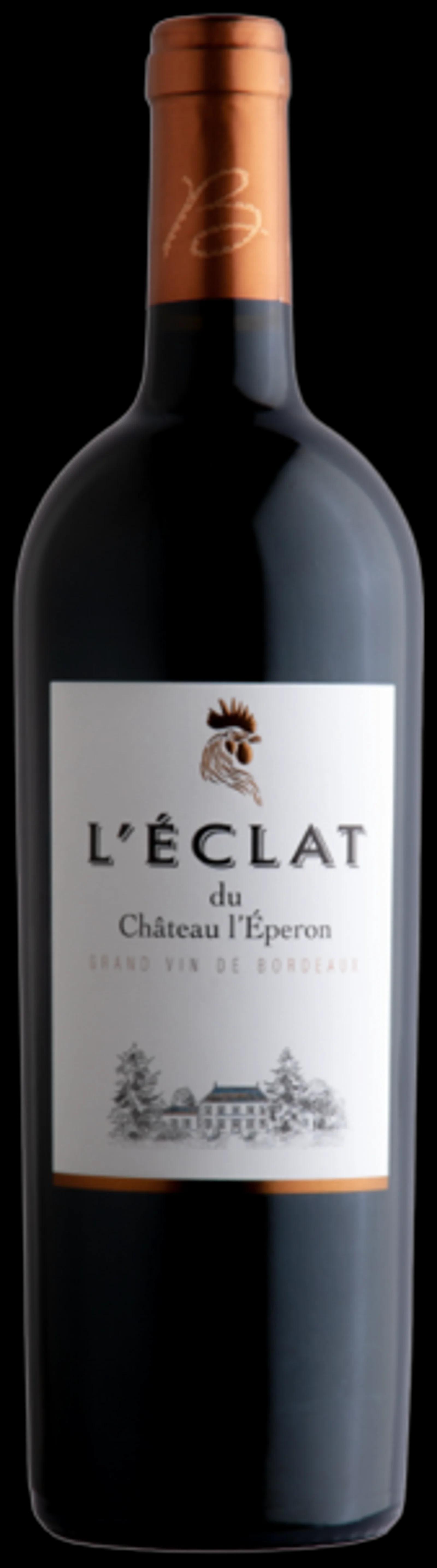
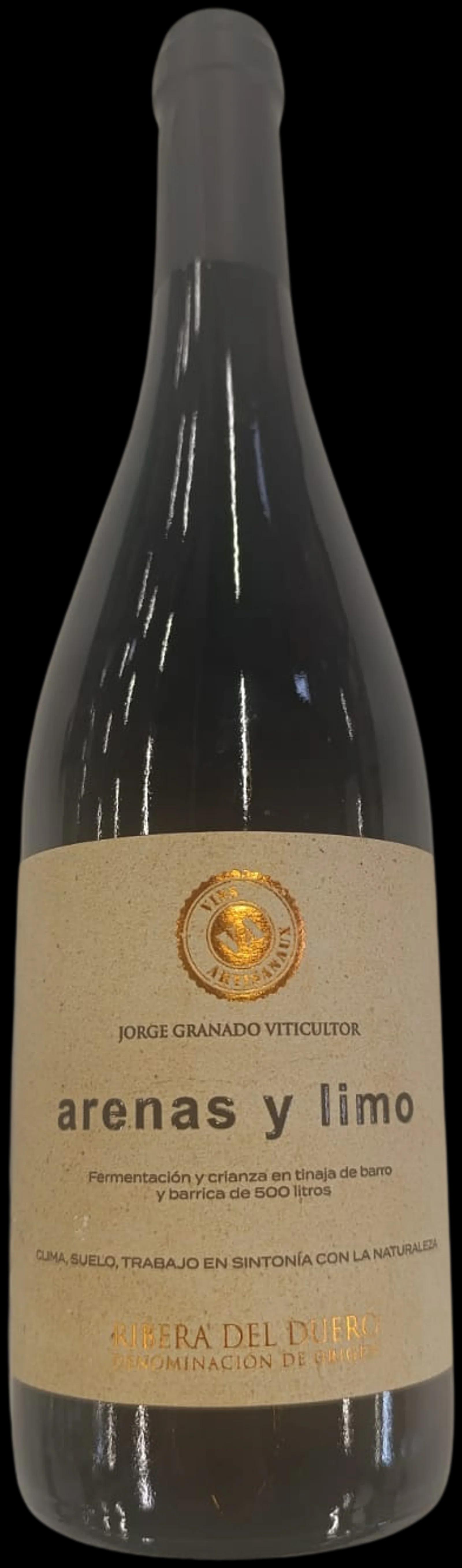
Malbec is one of the six permitted grapes in Bordeaux, where it was once widely planted before frost and disease reduced its presence to a minor blending role. The variety found its real home elsewhere: in the foothills and high-altitude valleys of Argentina, where it produces wines with deeper colour, softer tannin and riper fruit than its European counterparts. In Europe, it has held on most visibly in Southwest France, particularly in Cahors, where the local appellation has used it — under the name Côt or Auxerrois — to make structured, often austere reds for centuries. The same grape grown at 900 metres above sea level in the Andes and at river level in the Lot valley produces wines that can taste almost unrelated, which makes Malbec one of the clearer illustrations of how altitude, temperature range and soil type shape a variety's character more than the grape itself. On the Free Grape Society platform, the producers working with Malbec include growers in France, Spain and Italy, each bringing their own regional context to the variety.
How Malbec tastes, and what to drink it with
At its most typical, Malbec produces red wines with deep purple colour, moderate to firm tannin, and flavours that run from fresh plum and blackberry in cooler sites to dark chocolate and dried fruit where the harvest is warmer and riper. Acidity is generally lower than in Cabernet Sauvignon or Nebbiolo, which gives Malbec wines a softer, more immediately approachable texture. This makes them well suited to food: the tannin structure handles red meat cleanly, while the fruit weight works with dishes that have some richness — braised lamb, duck confit, grilled beef, or hard aged cheeses. European Malbec, particularly from Cahors, tends to be leaner and more tannic than what most drinkers associate with the grape, and it benefits from time in the glass or a few years in the cellar. If you are exploring the variety across different expressions, tasting a red wine from Southwest France alongside a bottle from a warmer European site will show clearly how much climate moves the style. You can also find Malbec among the red wines on Free Grape Society, with producers across several countries working with the grape.
Buying Malbec direct from independent producers
Most Malbec sold in European supermarkets and retail chains comes through import and distribution networks that add margin at each step and tend to favour large-volume producers over smaller growers. On Free Grape Society, producers ship directly from their own cellar, with no importer or warehouse in between — which means the wine arrives as the grower intended it, and the price reflects the production rather than the distribution chain. The independent producers who work with Malbec on the platform are growers who bottle their own wine and set their own prices. Several are in regions where Malbec appears as a blending component alongside other local varieties, so the wines tell you something about how a region uses the grape rather than presenting it as a standalone international style. If you want to understand Malbec in a European context — as a blending grape, as a variety with a long regional history, or simply as a wine you want to taste from a producer who made it themselves — the wineries on Free Grape Society are a good place to start. Free Grape Society is a society of producers, independent experts and wine lovers, not a shop.