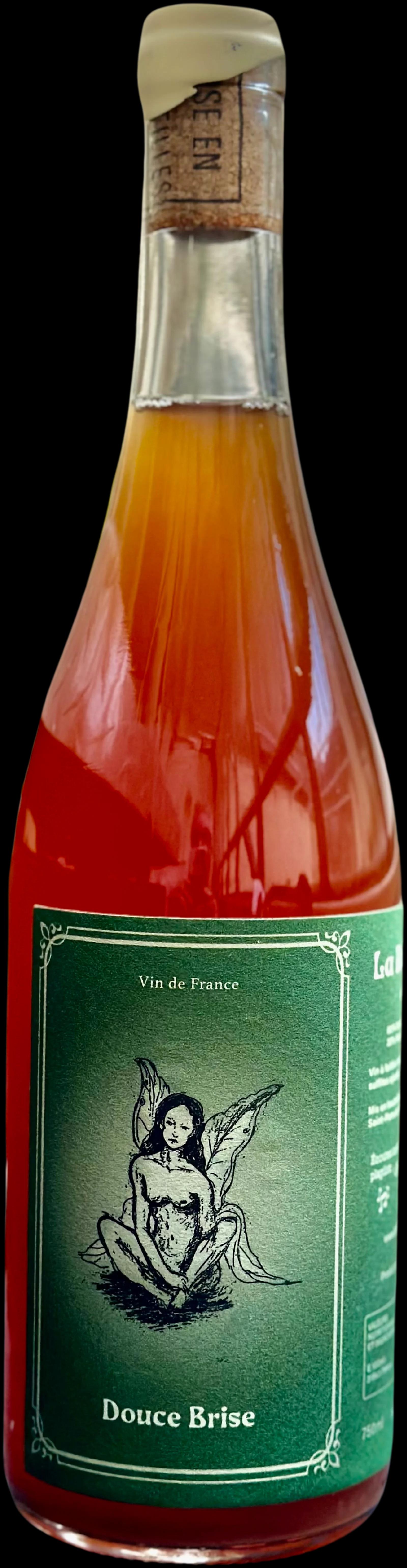
What makes a wine orange
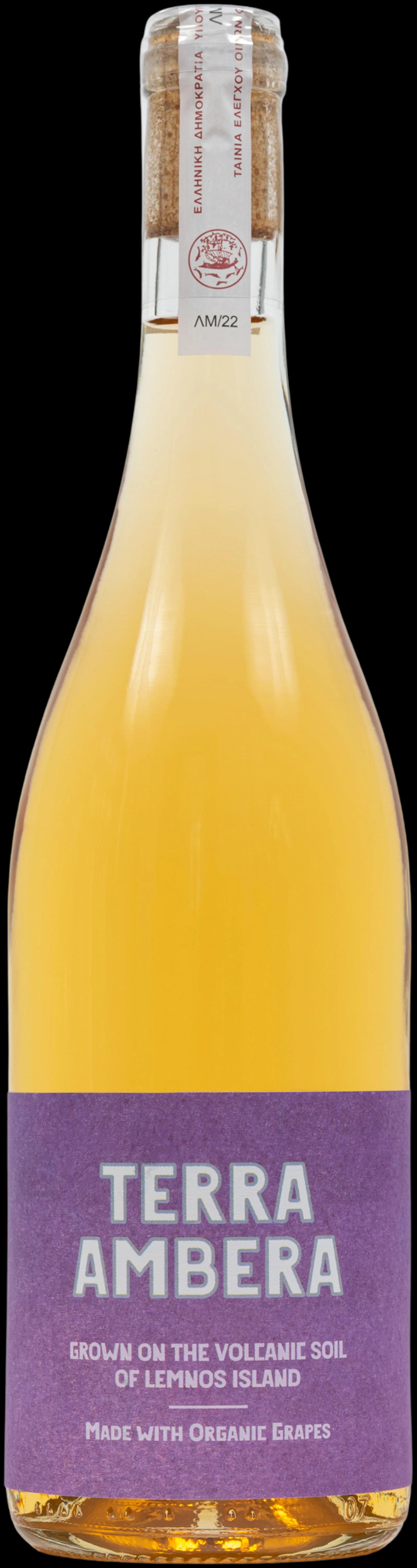
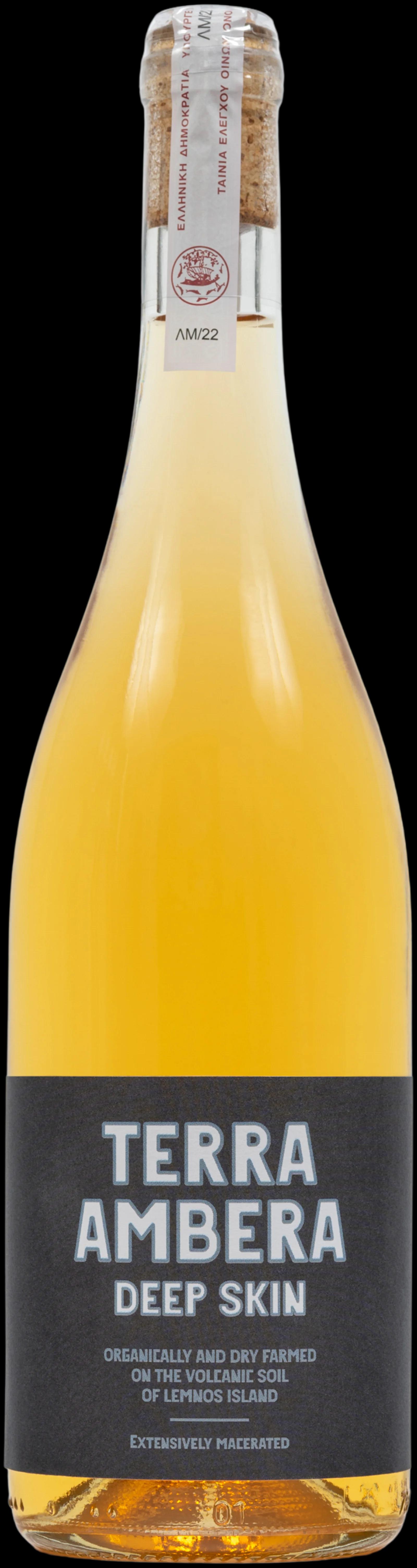
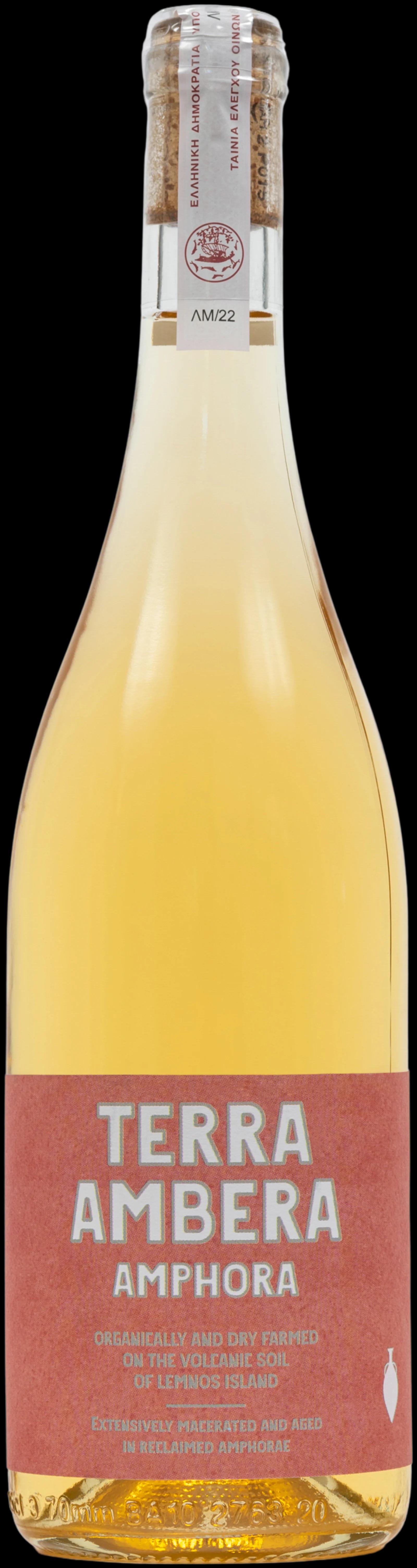
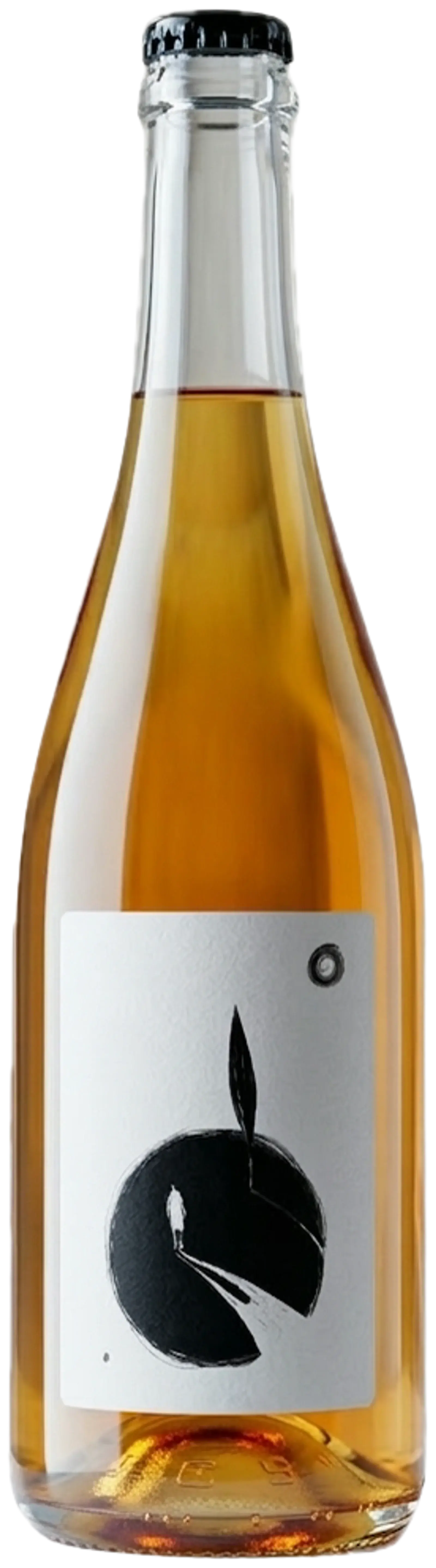
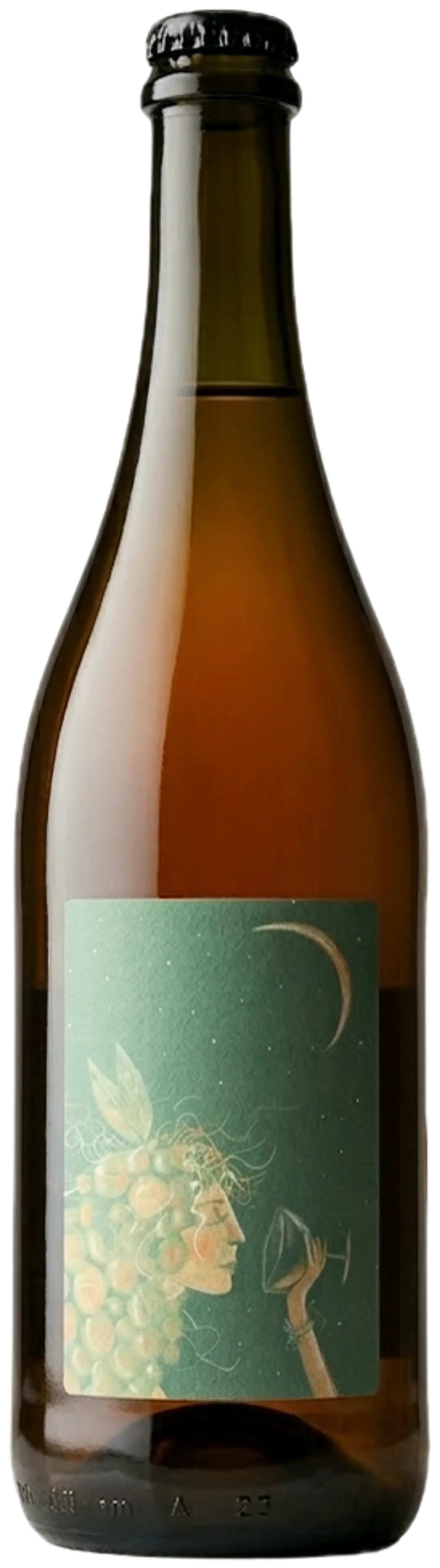
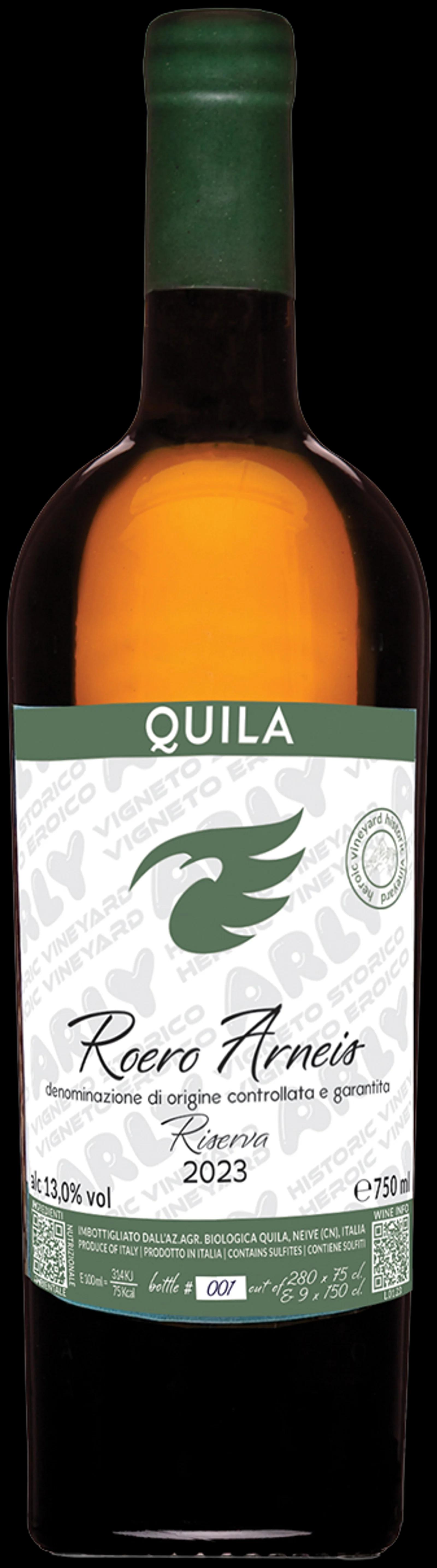
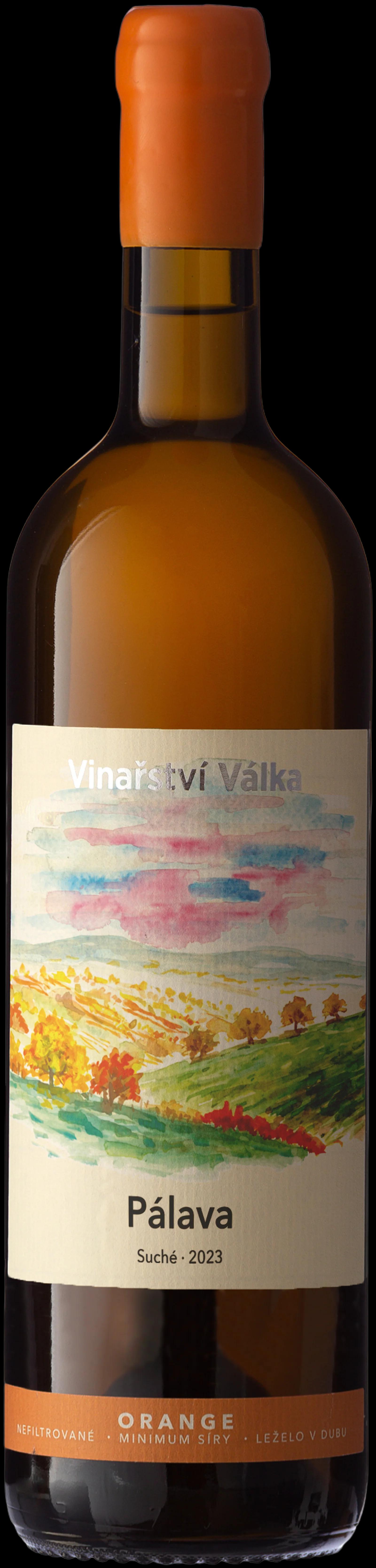
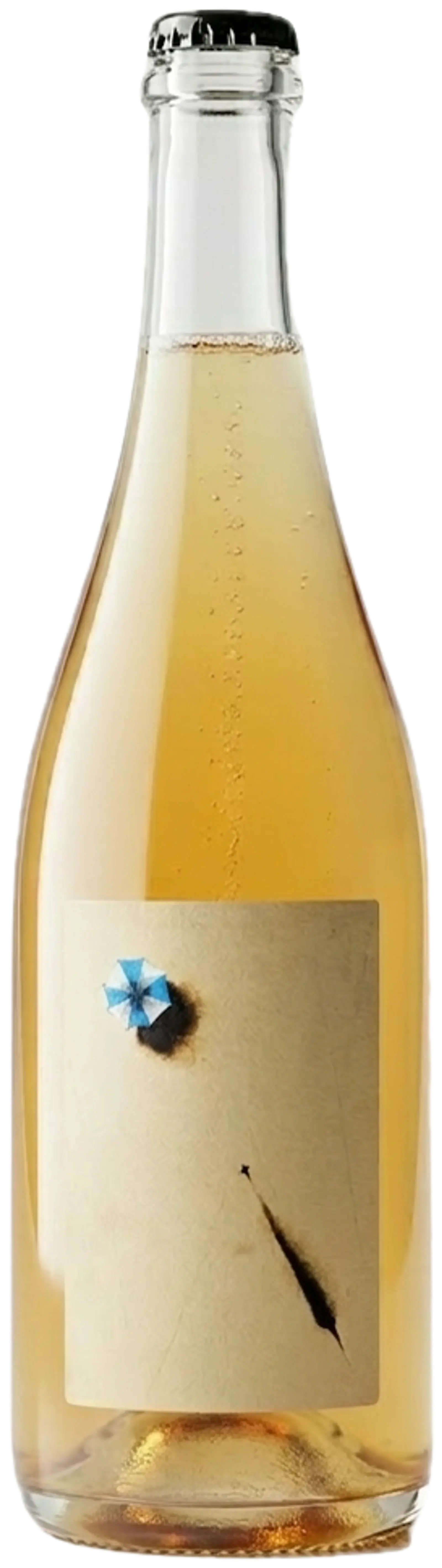
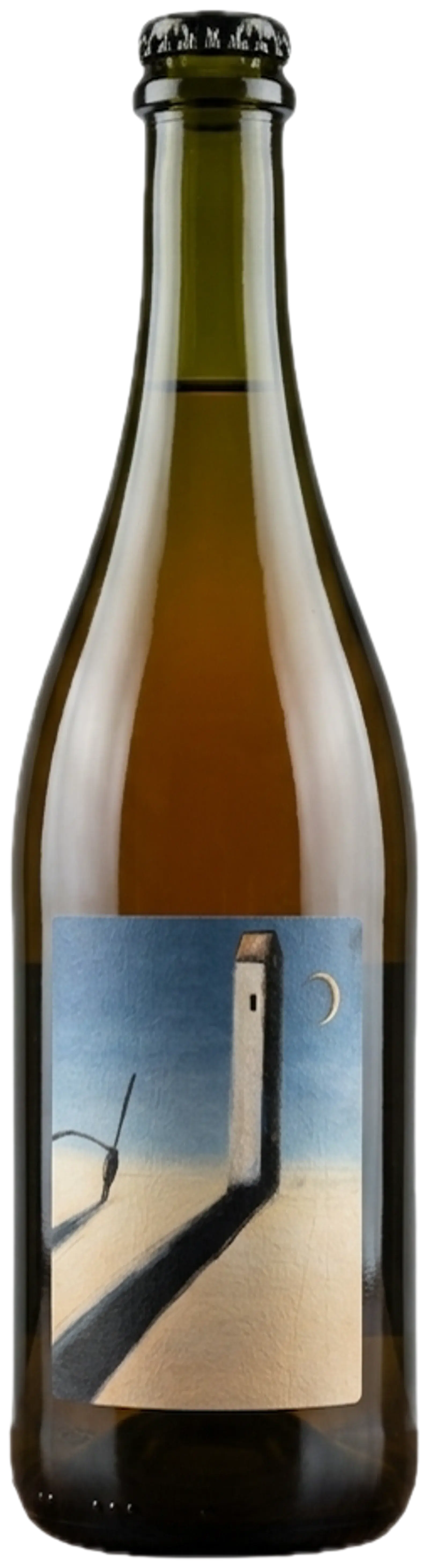
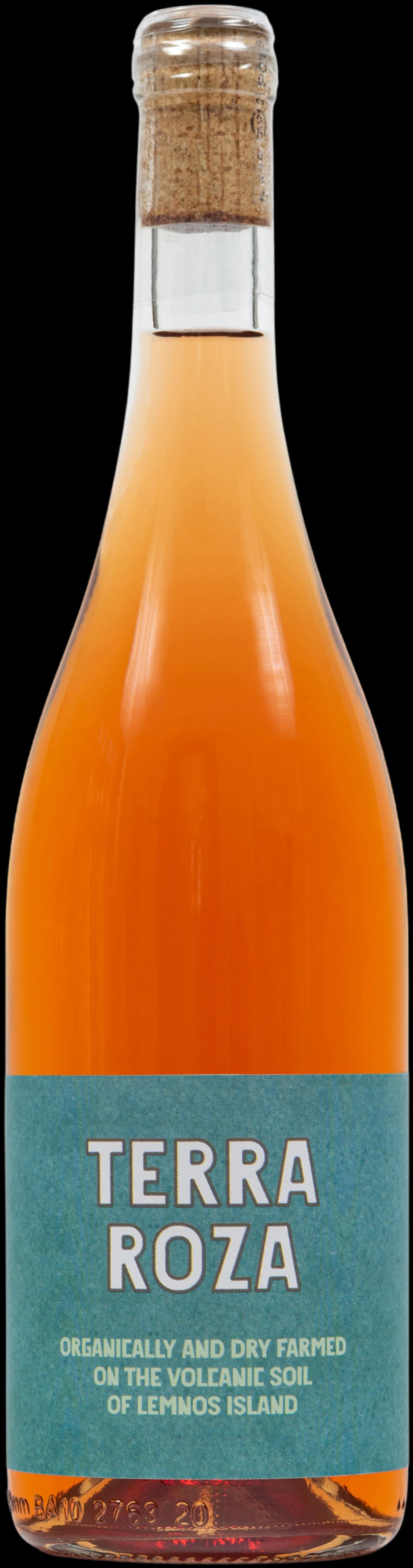
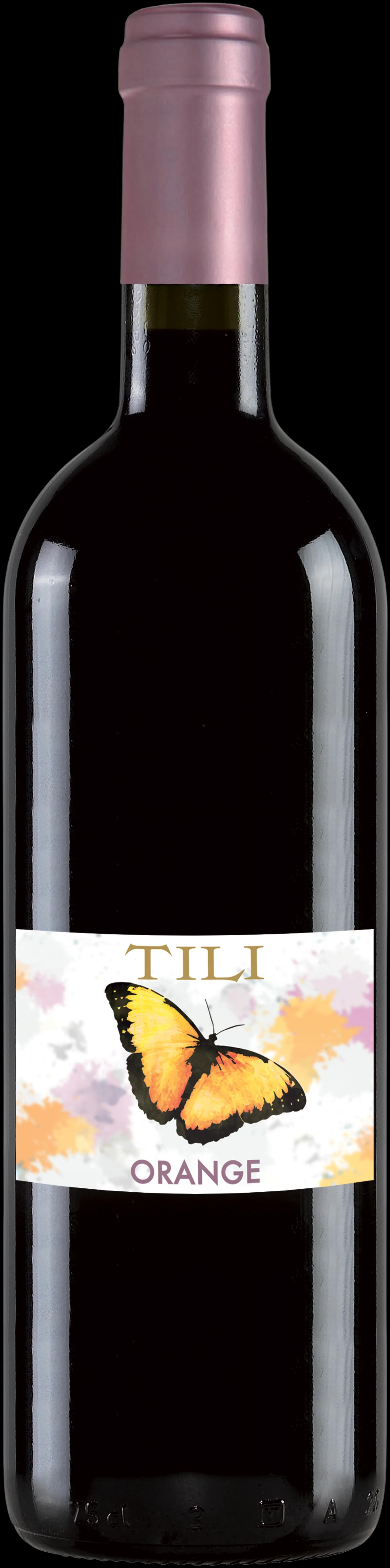
Orange wine is white wine made like red wine. White grapes are fermented with their skins left in contact with the juice — sometimes for a few days, sometimes for several months. That skin contact is what gives orange wine its colour, which ranges from pale copper to deep amber depending on how long the grapes and juice stay together.
Skin contact also transfers tannin, which is unusual in a white wine. The result is a wine with more grip, more texture, and more structural complexity than a conventionally pressed white. Aromas shift too: fresh fruit gives way to dried fruit, beeswax, tea, and sometimes a savoury, almost nutty quality. The method is ancient — winemakers in Georgia have been fermenting white grapes on their skins in buried clay vessels called qvevri for at least eight thousand years — but it has been revived and refined across Friuli-Venezia Giulia, the Loire Valley, Alsace, and Slovenia's border regions over the past three decades.
The colour itself is not a style guarantee. A wine with two days of skin contact is light, aromatic, and closer to a textured white. A wine fermented for six months on its skins is tannic, deeply coloured, and built to sit alongside food that would overwhelm most whites.
Grapes and regions behind orange wine
Almost any white grape can be vinified as an orange wine, but some varieties suit the method particularly well. Ribolla Gialla — native to Friuli-Venezia Giulia and neighbouring Slovenia — has thick skins and high acidity, which means it holds its structure through long macerations without becoming flat or astringent. Pinot Gris, grown across Alsace and Austria, gives wines with weight and spice that the skin contact amplifies rather than obscures. Gewurztraminer, Malvasia Istriana, and Garganega are also common choices.
Geographically, orange wine concentrates where winemakers have a tradition of working with whole clusters and minimal intervention. Friuli-Venezia Giulia and the Slovenian border are the modern reference point — producers like Josko Gravner and Stanko Radikon established the revival there in the 1990s. Georgia is the historical heartland, where skin-contact whites in qvevri remain a living tradition rather than a trend. Elsewhere, producers in the Rhône Valley, Languedoc-Roussillon, Moravia, and Aragon have all built their own approaches to the method, shaped by local grapes and climate.
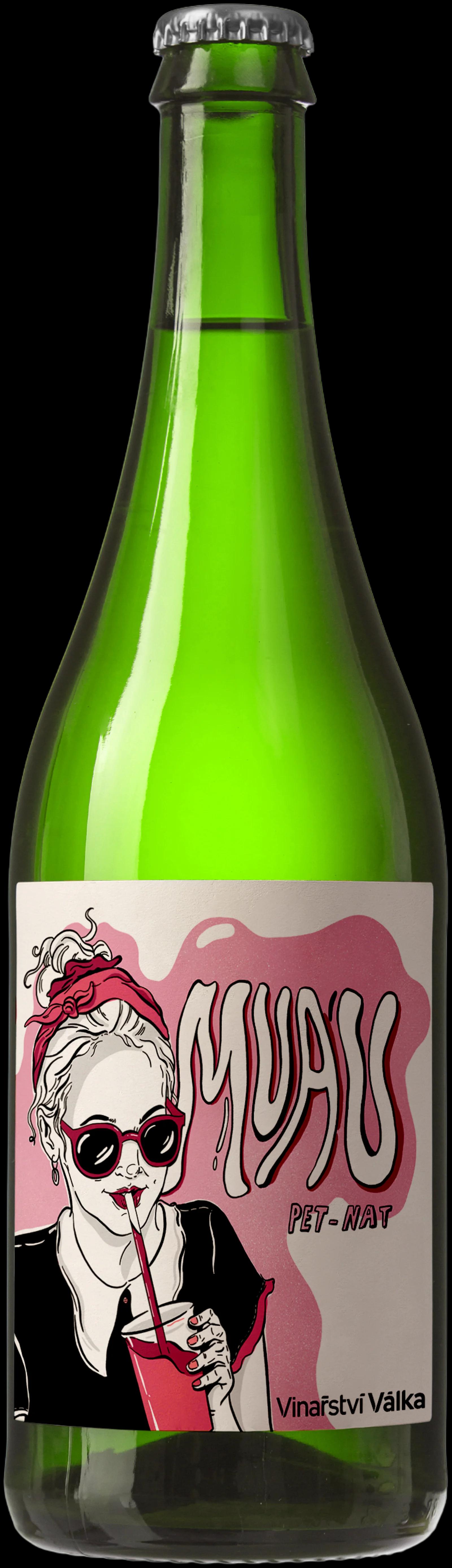
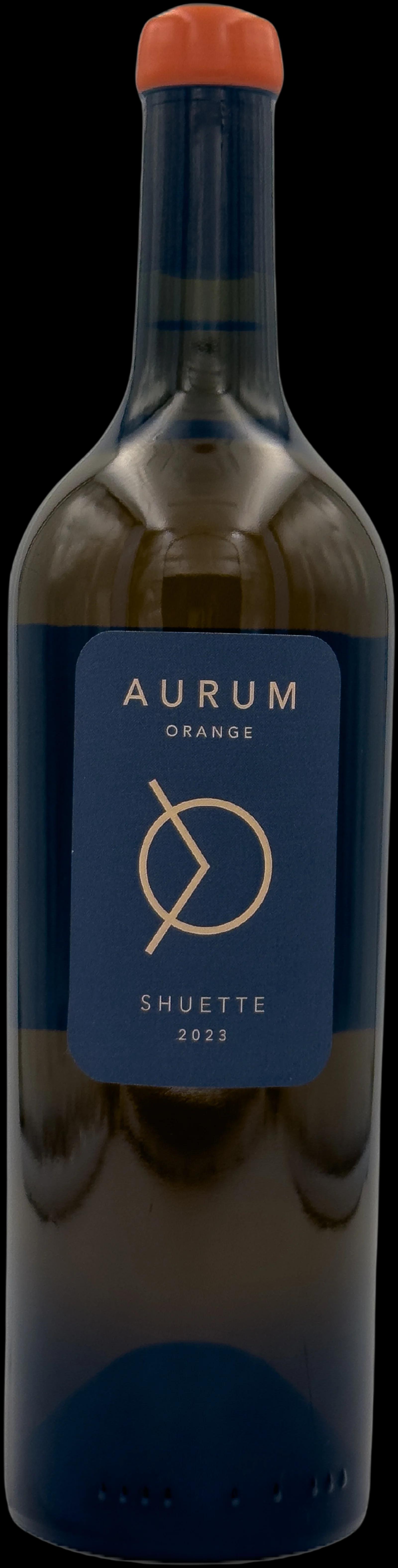
On Free Grape Society, orange wines sit alongside red, white, and rosé in the mixbox selection — each bottle shipped directly from the producer's own cellar, with no importer or warehouse in the chain. Wines are tasted before listing. Free Grape Society is a society of producers, independent experts, and wine lovers, not a shop.
How to choose an orange wine for a mixed case
The most useful question is how much skin contact you want, because that determines the weight and tannin of the wine more than the grape or region does.
A short maceration — two to five days — gives a wine that drinks like a fuller, more textured white. The colour is pale gold or light copper. There is more body than a conventionally pressed white from the same grape, some gentle grip on the finish, and the primary fruit is still present. These wines work well alongside food that suits a rich white: fish, aged cheese, roasted vegetables, dishes with cream or butter.
A long maceration — several weeks to several months — produces a wine that is closer in structure to a light red. The colour is deeper amber. Tannin is noticeable. Dried fruit, oxidative notes, and savouriness come forward. These wines are at home with cured meats, braised pulses, spiced dishes, and fermented foods that would overwhelm a delicate white.
If you are building a mixed orange wine case and want range across the spectrum, look for producers from different regions and ask about maceration length. The individual orange wine bottles on Free Grape Society each carry producer information that gives you the material to compare — or fill in the form to ask a wine expert for a recommendation built around what you actually plan to cook.