




Zweigelt: Austria's most-planted red grape, from cool-climate estates

Zweigelt wine ranges from light and juicy to deeply structured, depending on where in Austria it is grown and how long it spends in oak. The producers below grow it across Burgenland, Niederösterreich and Steiermark.

A cross bred for the cold — structured, cherry-fruited, and distinctly Austrian.

Color

Dropdown arrow

Type

Dropdown arrow

Country

Dropdown arrow

Region

Dropdown arrow

Grape

Dropdown arrow

Pairing

Dropdown arrow

Sort by

Sort arrow
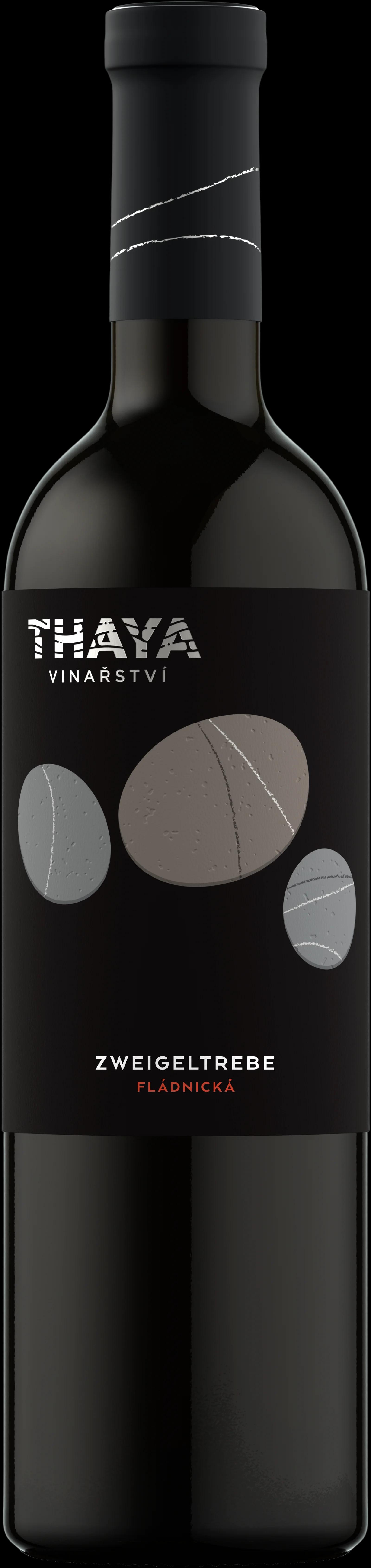
Zweigeltrebe

Zweigelt wines

Zweigelt was bred in Austria in the 1920s by crossing Blaufränkisch with St. Laurent — a deliberate attempt to create a red grape that would ripen reliably in cool Austrian conditions. It worked: Zweigelt is now Austria's most widely planted red variety. In the right hands it produces wines with vivid cherry fruit, supple tannin and a freshness that holds even in warm years. On Free Grape Society, each bottle is shipped directly from the grower's own cellar, with no importer or warehouse in between.

1 of 1 wine

Previous1 of 1Next

Zweigelt wine cases

A Zweigelt wine case is a producer's own selection of six bottles, put together as the recommendation they would make if you visited their cellar. For a variety with as much range as Zweigelt — from light, early-drinking reds to oak-aged reserve wines — a producer's case is often the most honest way to understand what a single estate can do with the grape. Free Grape Society is a society of producers, independent experts and wine lovers, not a shop.

View all mixboxes

Wineries

The growers below all work with Zweigelt, but they approach it differently — some in the warm, deep soils of Burgenland's lakeside vineyards, others on the cooler slopes of Niederösterreich and Steiermark. Reading a producer's own notes is usually the quickest way to understand their style, and the wine-advice service is there if you would rather talk it through before choosing.

View all wineries

Wine experts

Zweigelt is one of those grapes where a second opinion helps, especially if you are choosing between a light, unoaked style and a structured reserve. Independent wine experts review wines they have personally tasted, and their ratings and notes are visible on each wine page and on the expert's own profile. Several of the experts below have reviewed Zweigelt wines featured on this page.

View all wine experts

Frequently asked questions

How do I order Zweigelt wines on Free Grape Society?

Browse the Zweigelt wines above, add bottles to your basket and check out with Klarna or card. Each bottle ships directly from the producer's cellar to your door. Free shipping is included, and delivery takes between 4 and 14 days depending on where the producer is based.

What happens if a bottle arrives broken or doesn't taste right?

Send a photo to Free Grape Society customer support within 7 days of delivery. We will arrange a replacement or a refund. Because producers ship directly, quality issues are handled with the producer's direct involvement. Shared responsibility is built into how FGS works.

Can I order Zweigelt from more than one producer in the same order?

Yes. You can add wines from different producers to the same basket. Each producer ships their own bottles separately, so you may receive more than one delivery. There are no extra shipping charges — free shipping applies to every producer in your order.

How long does delivery take?

Average delivery is 8 to 9 days from order to door. The full range is 4 to 14 days depending on the producer's location and your delivery address. Wines ship directly from the producer's cellar, not from a central warehouse.

How do I choose between the different Zweigelt styles available?

Zweigelt ranges from light, juicy reds with little or no oak to structured reserve wines aged in barrel. If you want freshness and easy drinking, look for unoaked or lightly oaked styles from cooler sites in Niederösterreich or Steiermark. For more weight and complexity, Burgenland producers working with older vines tend to produce the most concentrated examples.

How does the selection of Zweigelt producers on Free Grape Society work?

Free Grape Society works with independent estates across Austria that produce and bottle their own wines. Wines are tasted before listing. You will find producers from Burgenland, Niederösterreich and Steiermark — the three regions where Zweigelt is most widely grown — each with their own approach to the variety.

Which Zweigelt wine expert can recommend something for me?

The independent wine experts on Free Grape Society have tasted and reviewed Zweigelt wines from producers on the platform. You can read their notes on the individual wine pages, or use the wine-advice service to ask an expert directly — they can recommend a style or producer based on what you are looking for.

Why don't you sell supermarket-brand Zweigelt wines?

Free Grape Society lists wines from independent estates that grow, make and bottle their own Zweigelt. Large-volume supermarket brands are typically produced by negociants who buy in bulk rather than farming their own vineyards. The producers here are the people who actually grew the grapes — that difference shows in the wine.

Can I buy Zweigelt from an Austrian winery in a European retail shop?

Some Austrian producers export through distributors, but independent estates rarely reach retail shelves outside Austria. Free Grape Society connects you directly with the growers, so wines that would otherwise be unavailable in your market can be ordered and shipped straight from the cellar.

Where Zweigeltrebe comes from and how it relates to Zweigelt

Zweigeltrebe is the original botanical name for the grape more commonly known as Zweigelt, Austria's most widely planted red variety. It was bred in 1922 at the federal research institute in Klosterneuburg by Fritz Zweigelt, who crossed Blaufränkisch with Sankt Laurent to combine the structure and acidity of the former with the fruit and colour of the latter. The result became the backbone of Austrian red wine production, particularly in Burgenland and Niederösterreich, where the grape's adaptability to a range of soils and its reliable ripening made it the natural choice for growers across the country. Whether the label says Zweigelt or Zweigeltrebe, the grape is the same; the names are used interchangeably depending on the producer and the context.

How Zweigeltrebe tastes, and what to drink it with

Zweigeltrebe produces red wines with a characteristic profile: relatively deep colour for the weight, fresh acidity, soft tannins, and a fruit character centred on sour cherry, redcurrant, and a light peppery note that comes partly from the Blaufränkisch parentage. The wines sit comfortably in the medium-bodied range, which makes them versatile at the table. Lighter, younger styles work well with poultry, pork, and Austrian classics like Wiener Schnitzel; more structured examples from warmer sites in Burgenland can handle roasted meats, game, and aged hard cheese. The grape's natural acidity also makes it a reliable match for dishes with some richness or fat, where that freshness cuts through cleanly. Producers who work with it have considerable latitude in style: some favour early bottling to preserve fruit, others give the wine time in oak to add depth, and the difference between the two approaches is worth exploring if you are new to the variety.

Buying Zweigeltrebe direct from independent Austrian producers

Most Zweigeltrebe on the market passes through an importer or distributor before it reaches the buyer, which limits both the range available and the connection to the people who grew the grapes. On Free Grape Society, producers ship directly from their own cellar, with no importer or warehouse in between, so the wines you find here come from estates that bottle their own fruit rather than selling in bulk. The Austrian wineries on the platform include growers from Burgenland and Niederösterreich, the two regions that account for the majority of Zweigeltrebe production, as well as estates in Steiermark where the variety appears in smaller quantities. If you want to explore how the grape moves across Austria's producing regions, the red wines from Austria page is a good place to start. Free Grape Society is a society of producers, independent experts and wine lovers, not a shop, and wines are tasted before listing so you can order with confidence.