Where Moscato comes from and how region shapes it
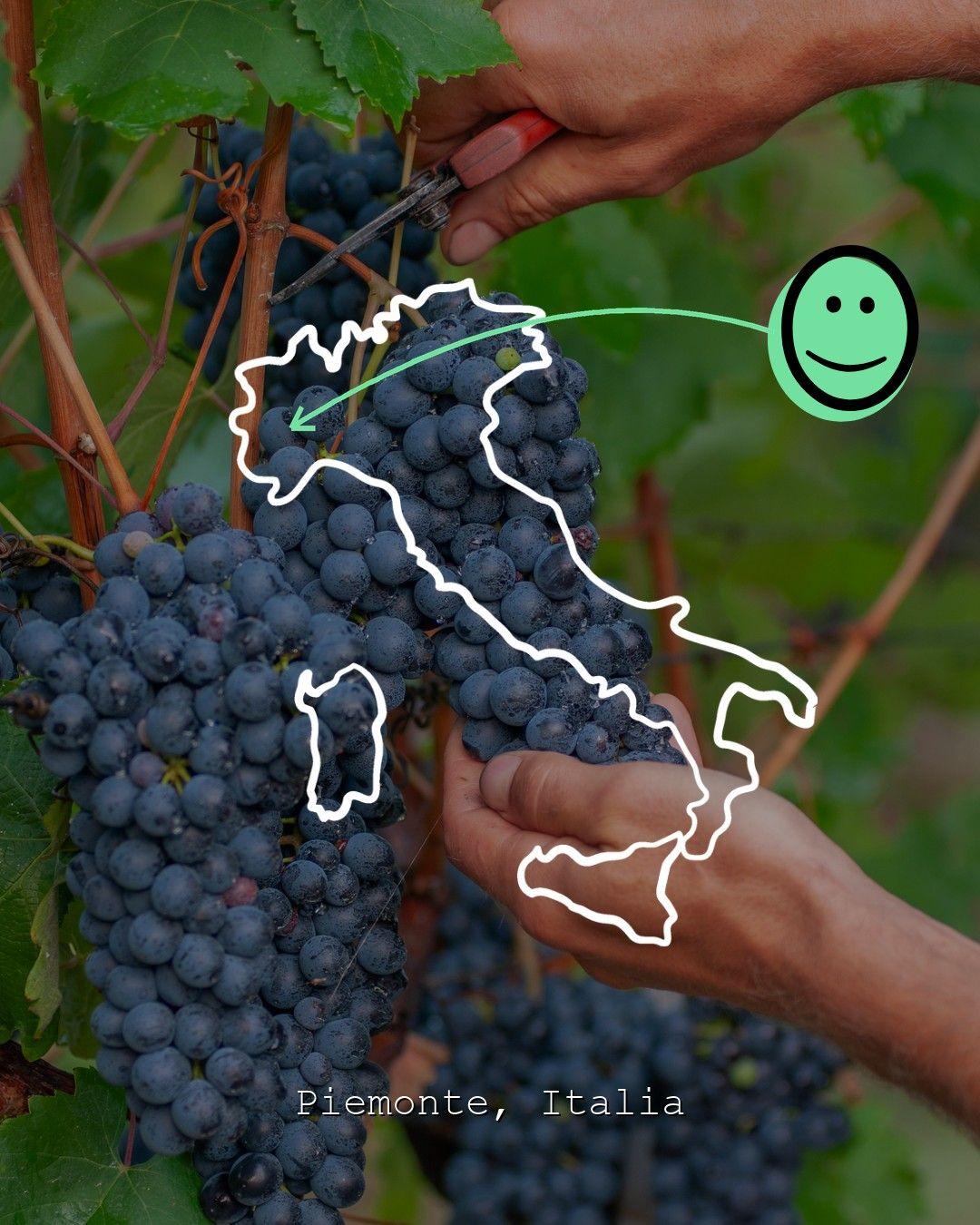
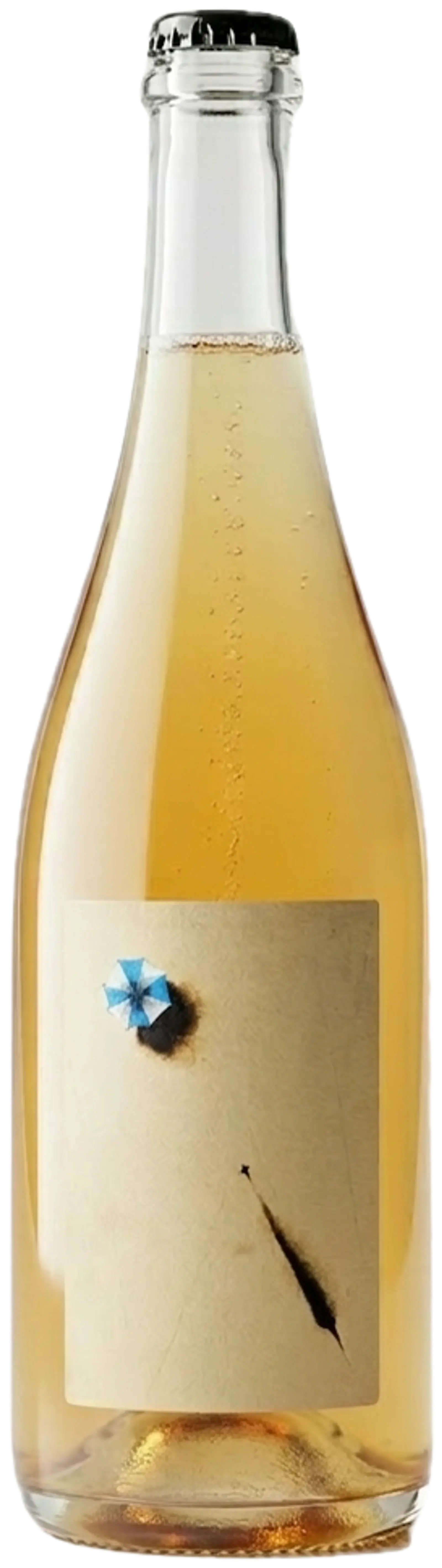
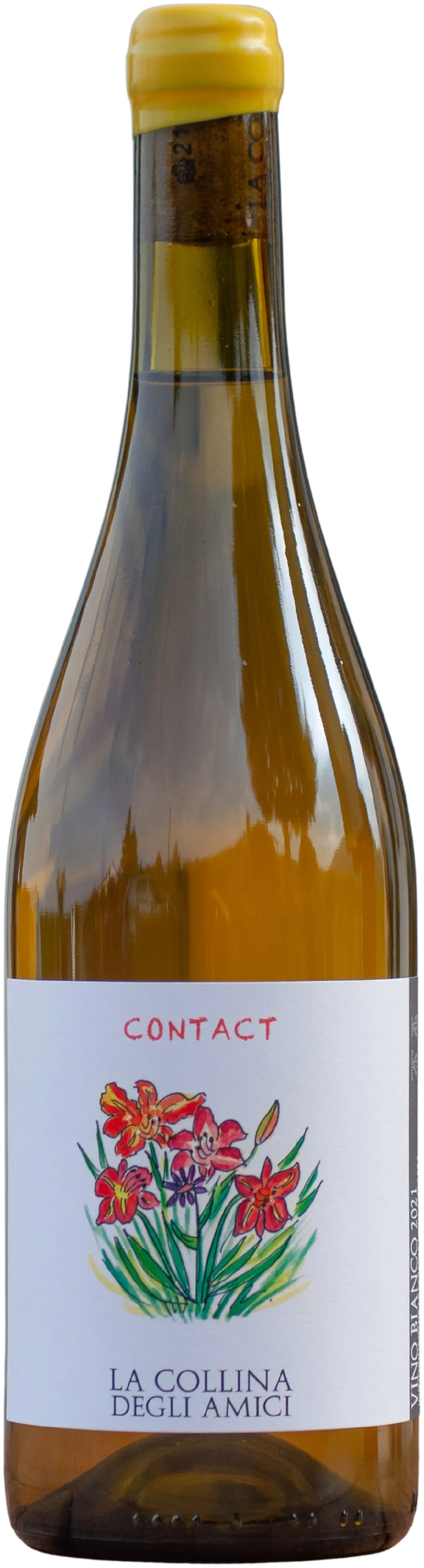
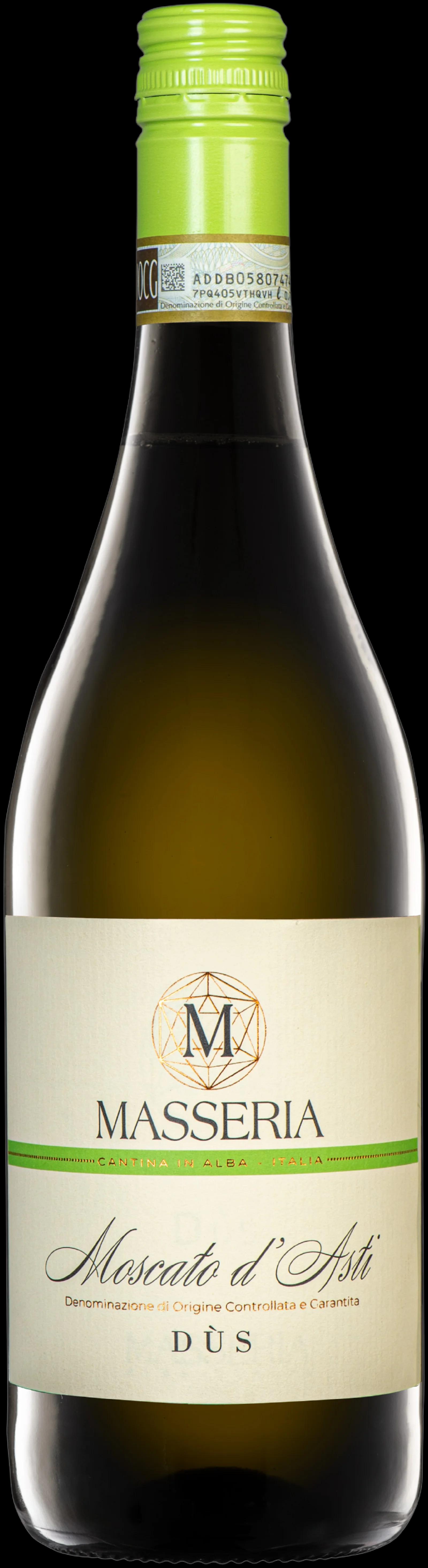
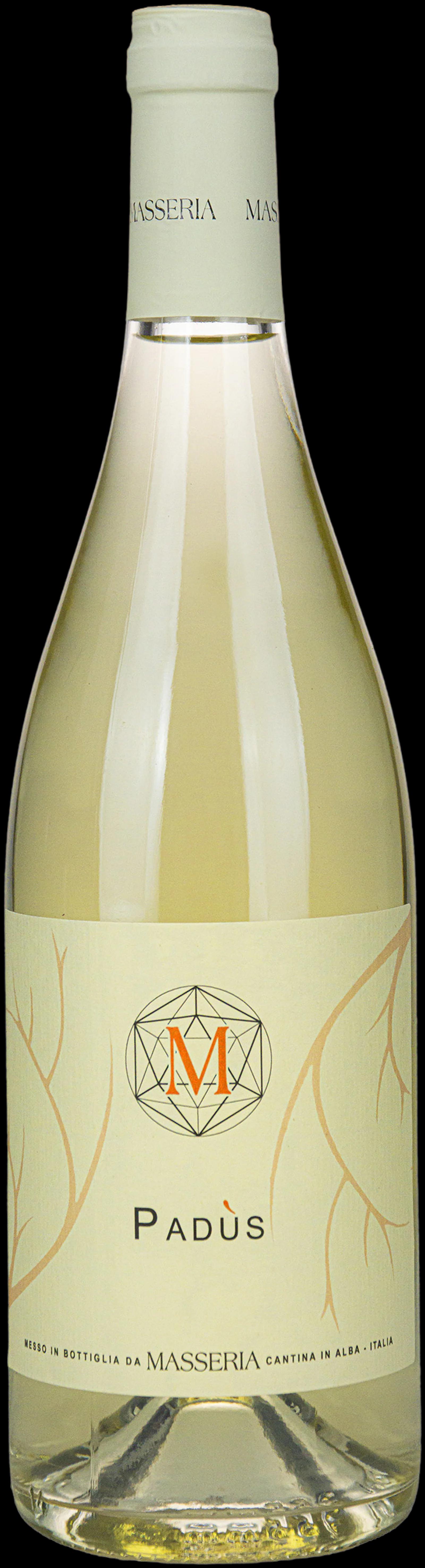
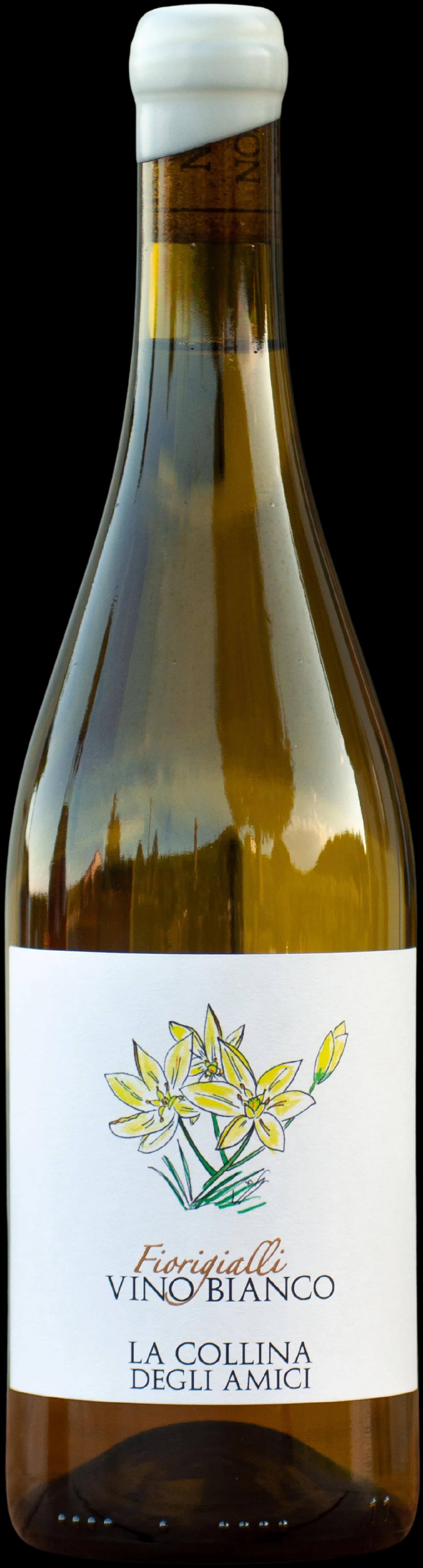
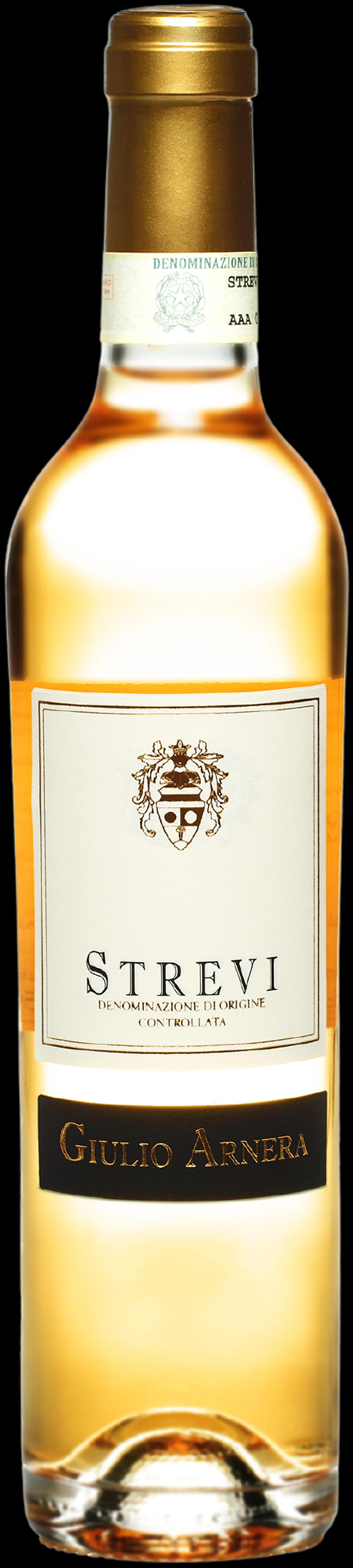
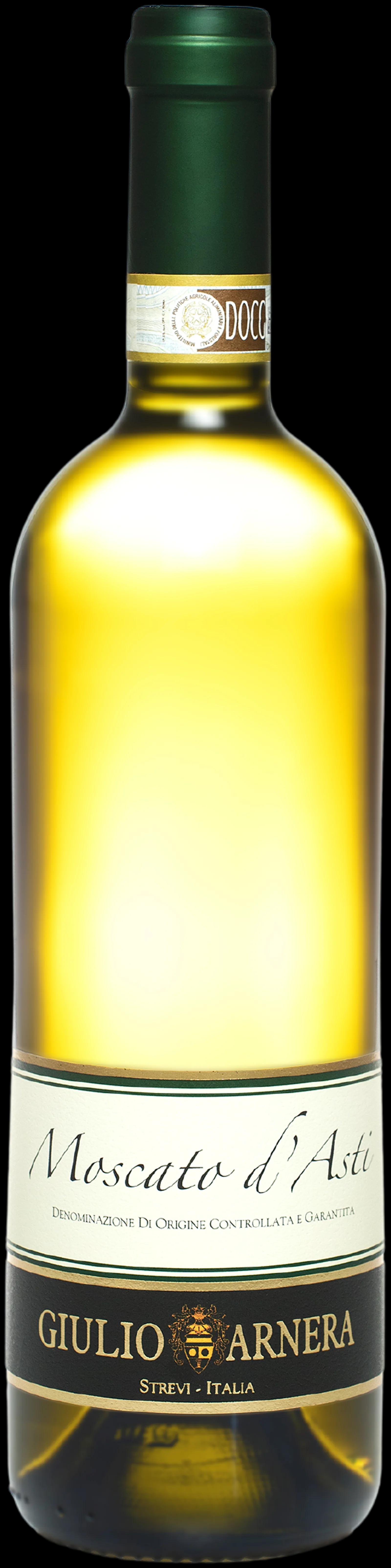
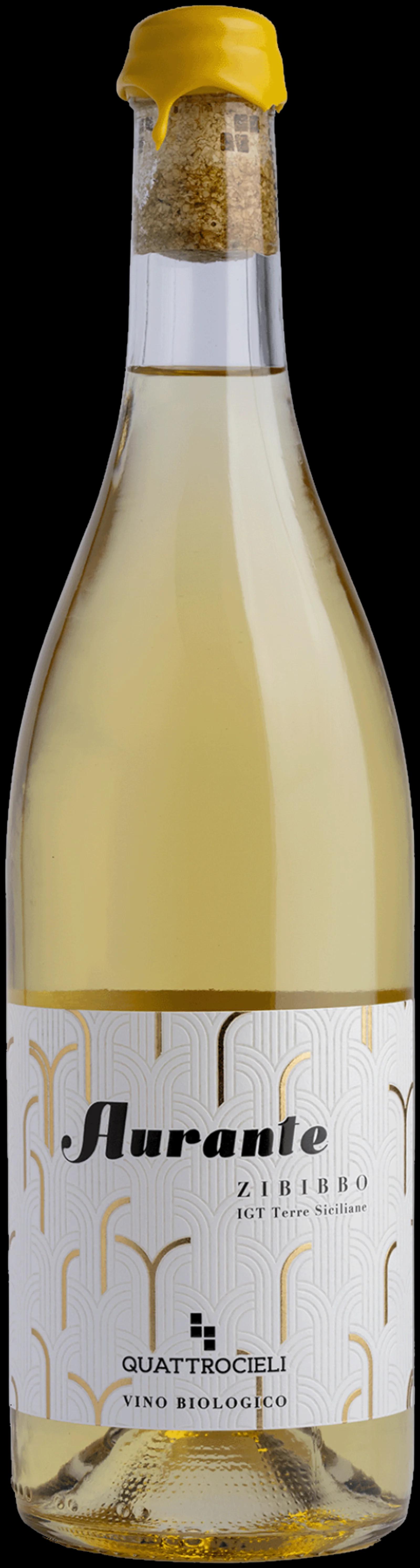
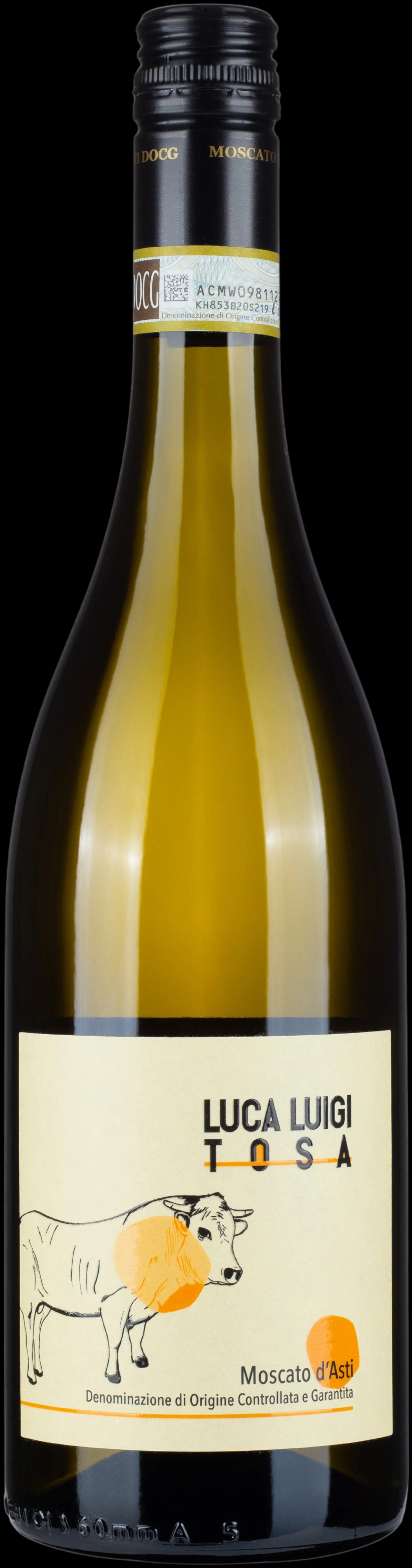
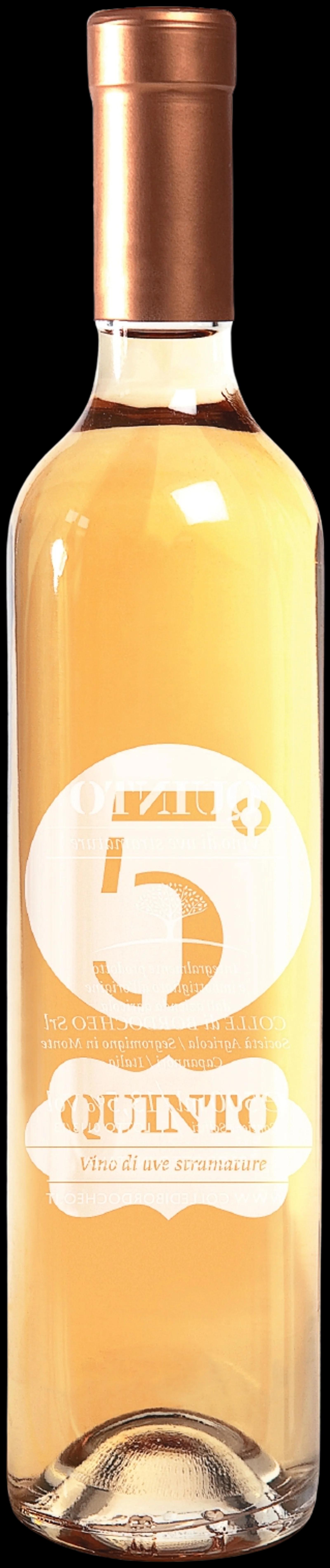
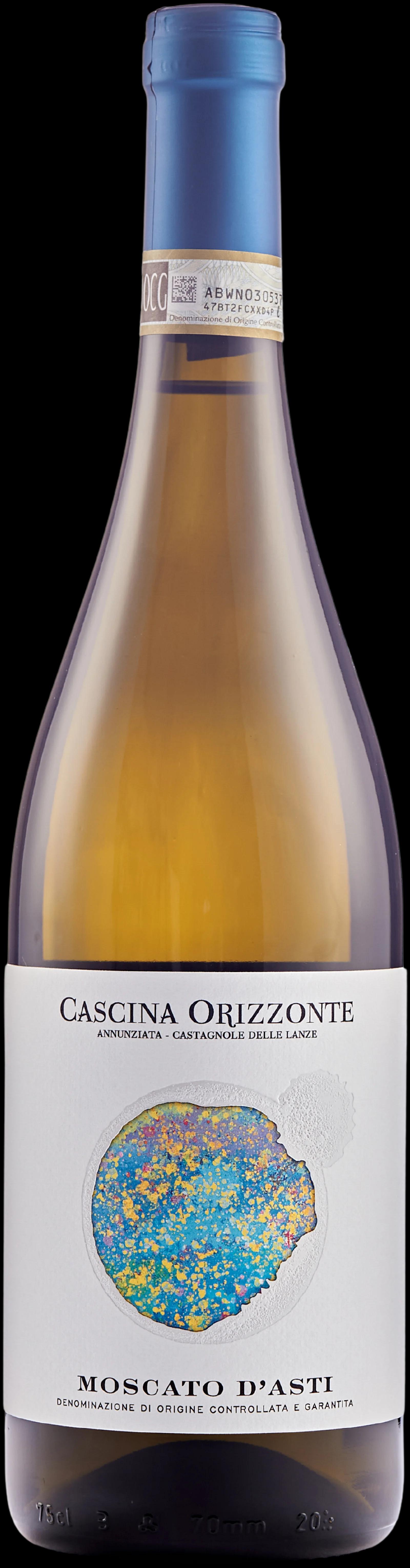
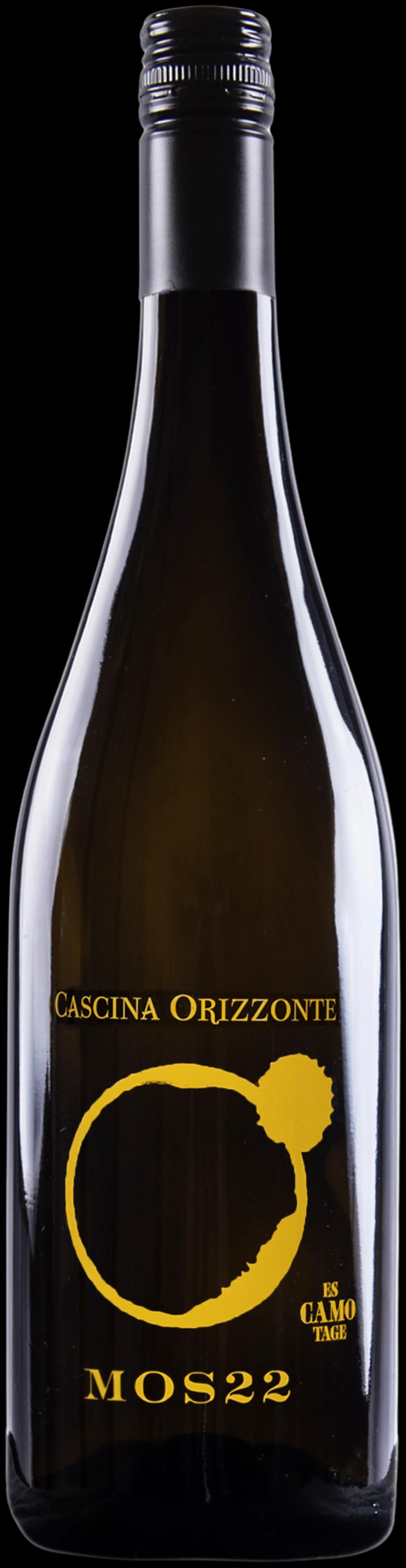
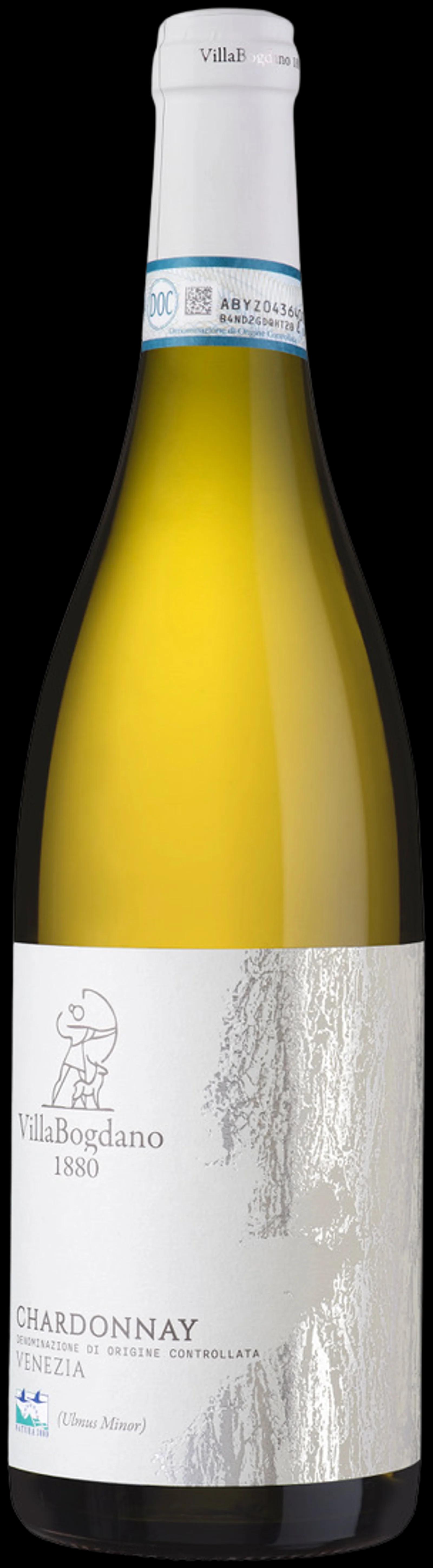
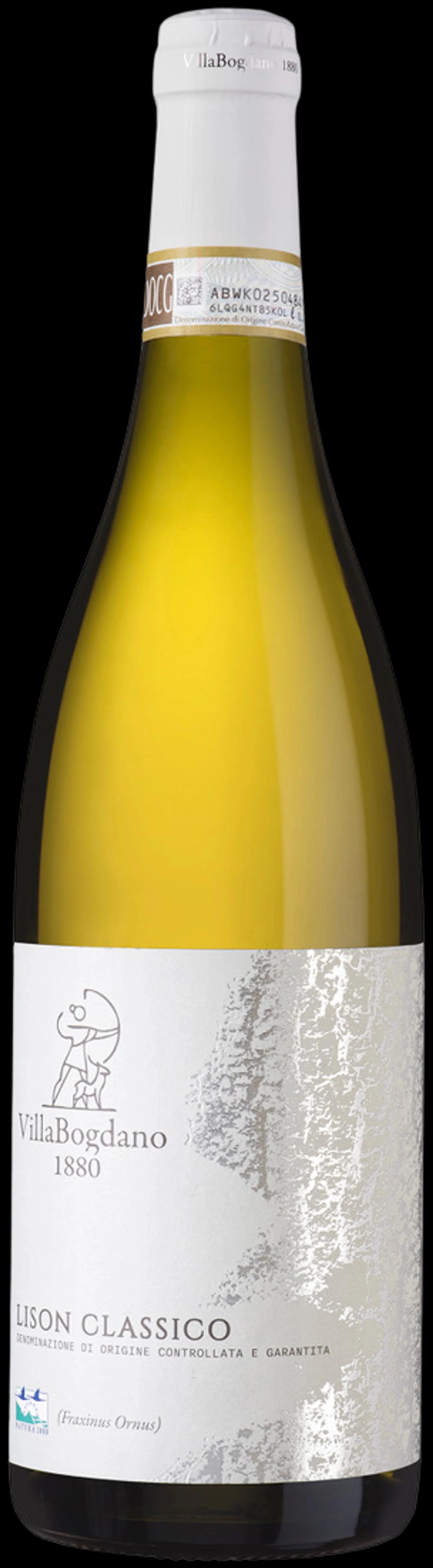
Moscato is one of the oldest grape families in the world, with origins traced to the eastern Mediterranean and records of cultivation going back thousands of years. Today it grows across a wide arc of Europe, from Piedmont in northern Italy to Sicily in the south, across into Spain, Portugal, Greece, and beyond. The variety most associated with the name is Muscat Blanc à Petits Grains, the small-berried form that produces the most aromatic wines, but the family is large: Moscato Giallo, Moscato Rosa, Moscatel, and Muscat of Alexandria all belong to it, each behaving differently depending on where it is grown and how it is made. In Piedmont, the grape ripens in the hills around Asti and Canelli, producing wines that are low in alcohol, gently sparkling, and intensely floral. In Sicily, the same family yields the rich, amber-coloured Passito di Pantelleria, made from sun-dried grapes on a volcanic island. Climate and winemaking intent shape the outcome more than almost any other variety — which is why two bottles both labelled Moscato can taste so entirely different. Producers growing it in Piedmont, Sicily, and Veneto each work with their own expression of the grape.
How Moscato tastes, and what to drink it with
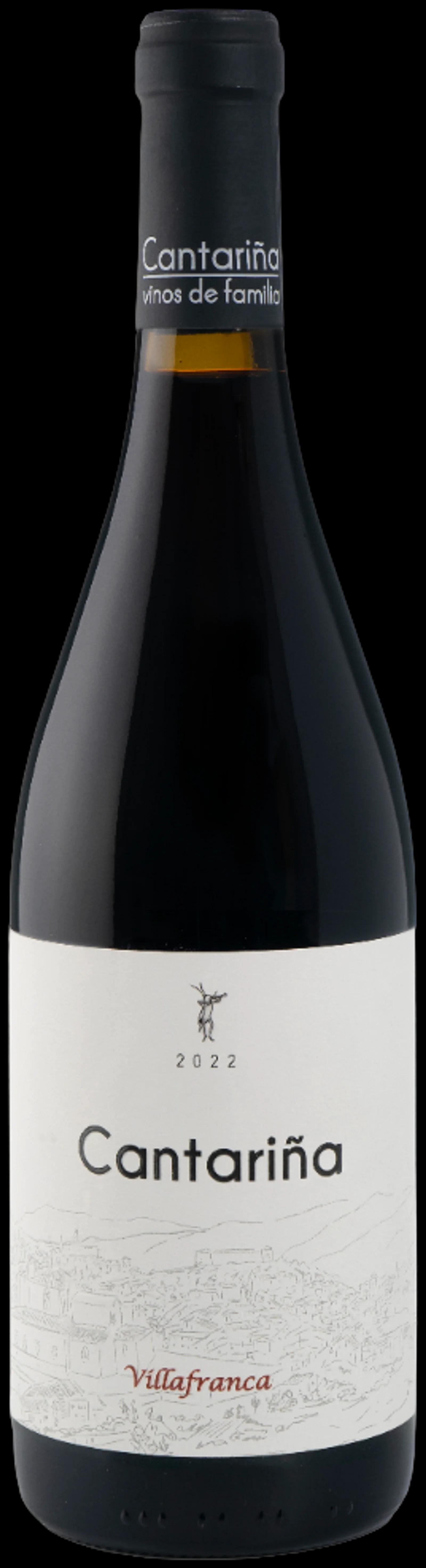
The hallmark of Moscato across its many forms is fragrance: orange blossom, peach, apricot, and a floral lift that comes from the grape's naturally high concentration of aromatic compounds. The wines are typically lower in alcohol than most — often between 5 and 8 percent for the sparkling styles — and carry varying levels of sweetness, from lightly off-dry to fully sweet. Texture ranges from gently fizzy (frizzante) to still to fully sparkling (spumante), with the still and sweet versions tending toward greater concentration and weight. Because of this sweetness and fragrance, Moscato pairs well with food that has its own sweetness or a delicate richness: fresh fruit tarts, almond-based pastries, and soft cheeses work naturally alongside it. It also holds up to spiced food better than most white wines — the residual sugar softens heat without masking flavour. For a contrast-based pairing, try it alongside something salty: the combination of sweet, aromatic wine and aged hard cheese or cured meat is a long-standing tradition in the regions where the grape is grown. Producers across Italy, Spain, and Portugal each bring their own take on how the grape is best expressed at the table.
Buying Moscato direct from independent producers
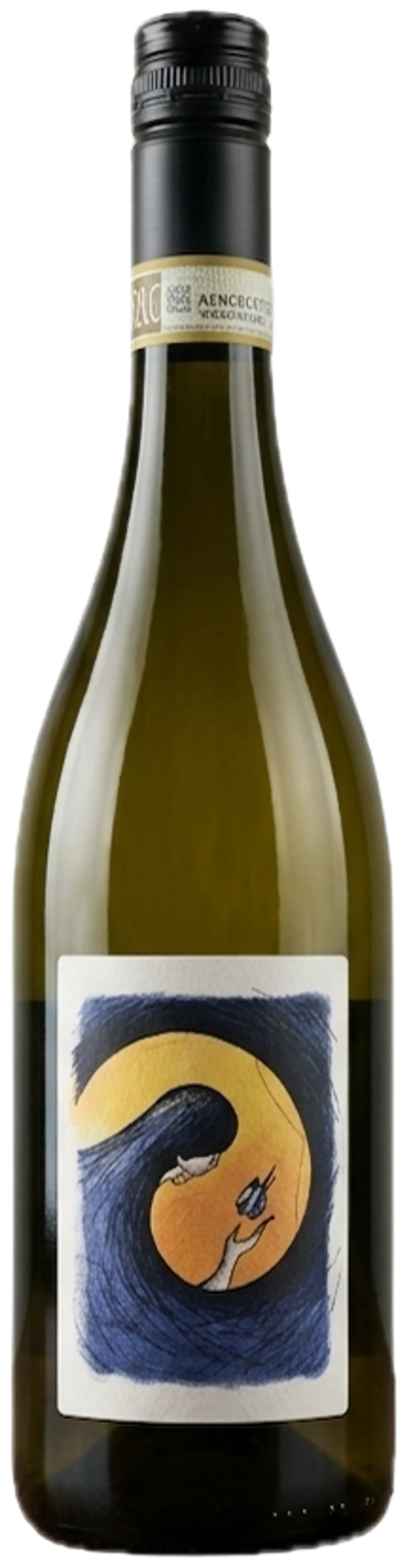
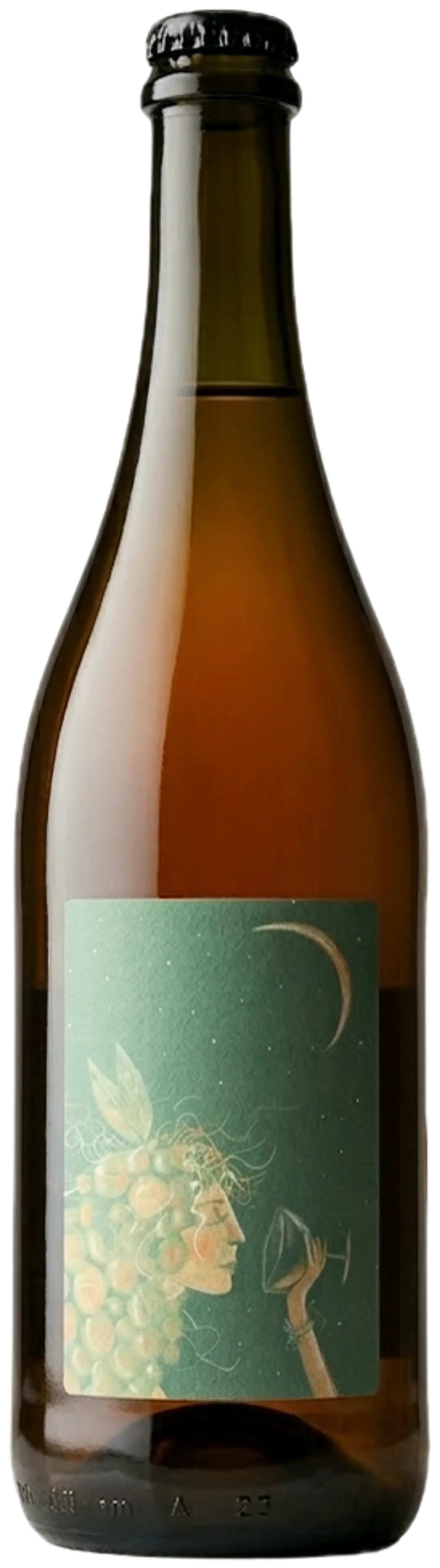
Most Moscato found in supermarkets and large retail chains comes from industrial co-operatives that process enormous volumes of fruit, blending across regions and vintages to hit a consistent, low-cost profile. The wines are technically made from Moscato, but the grape's character — its site-specific fragrance and the personality of the producer behind it — is largely absent. The producers on Free Grape Society work differently. They grow the grape themselves, make decisions about harvest timing and winemaking that reflect their own land, and bottle under their own name. That means the wine you receive was shaped by a specific person in a specific place, not optimised for volume. Each order ships directly from the producer's own cellar, with no importer or warehouse in between — so the wine travels a shorter path and you know exactly where it came from. Wines tasted before listing means the range reflects real quality rather than availability alone. If you are exploring the broader Muscat family, the Muscat Blanc à Petits Grains and Muscat pages cover closely related expressions, and Italian white wines offer further context on the grape's home territory. Free Grape Society is a society of producers, independent experts and wine lovers, not a shop — and Moscato, with its long history and wide range of styles, is one of the more rewarding varieties to explore through it.