Where Trincadeira comes from and how region shapes it
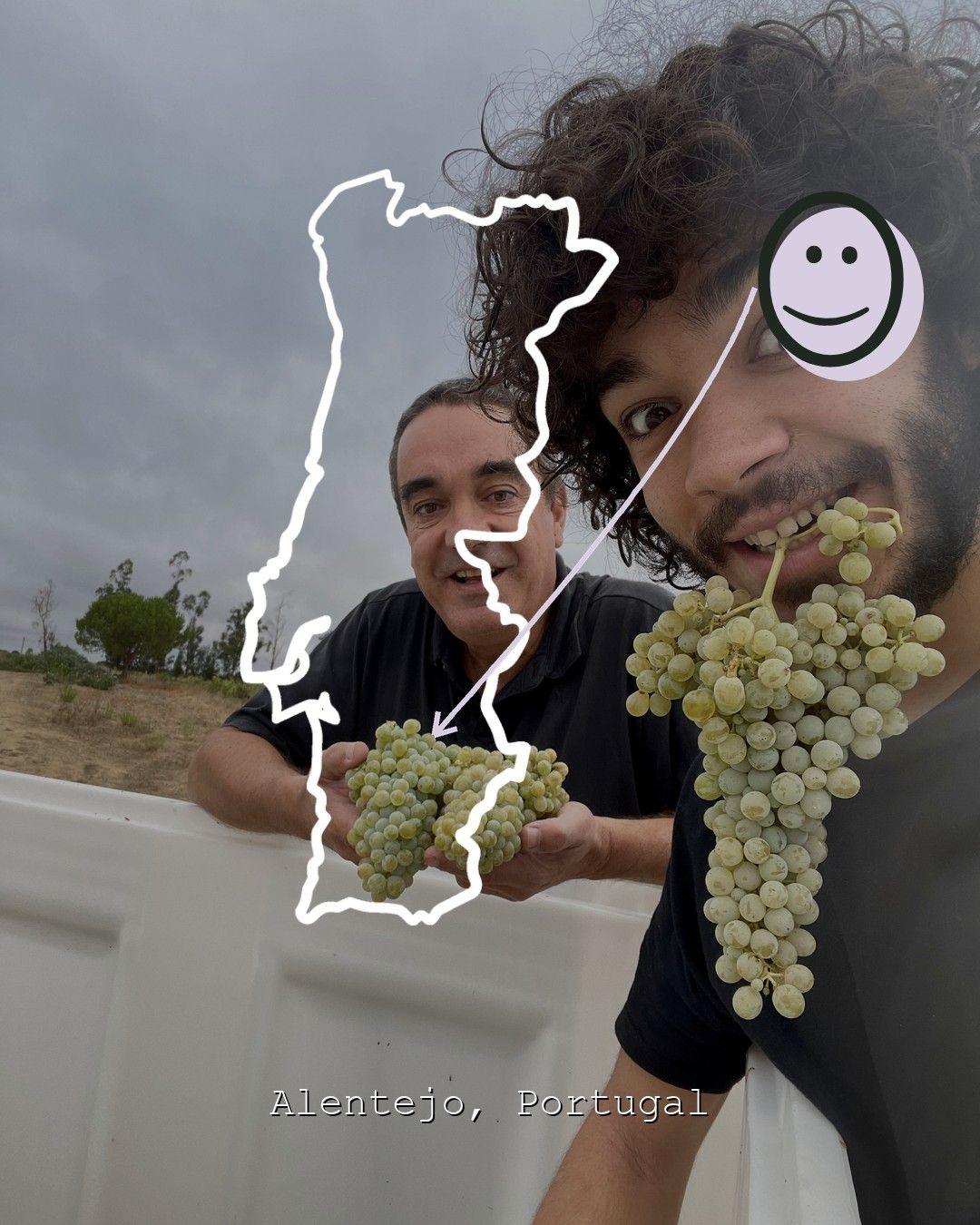
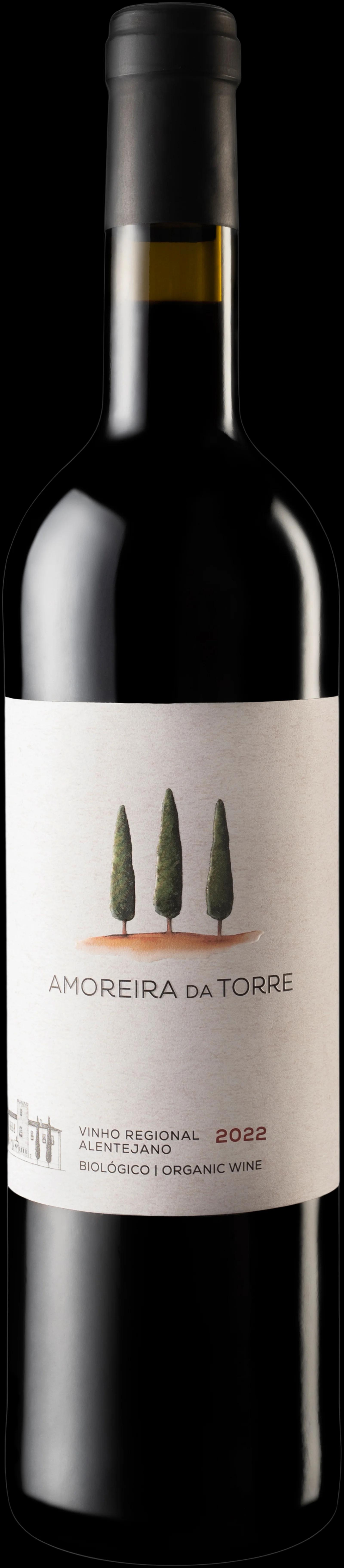
Trincadeira is a Portuguese red grape with its roots in the Alentejo, the vast, sun-baked plain east of Lisbon where hot summers push the fruit to full ripeness and the skins to a deep, inky colour. It is one of Portugal's most widely planted red varieties, grown across the country under different names — in the Douro it is sometimes called Tinta Amarela, and in the Dão and Ribatejo it appears under local synonyms. The Alentejo remains its most expressive home: the combination of extreme summer heat, cool nights and schist or clay soils gives the wines structure alongside the warmth. In cooler Atlantic-influenced zones, the same grape produces something more restrained and aromatic. Because it is so strongly associated with one country, Trincadeira wines carry an unmistakably Iberian character that sets them apart from other full-bodied southern European reds. You can explore the Portuguese producers who grow it on the Alentejo wines and Portugal wines pages, and compare bottles with neighbouring Spanish wines to see how the Iberian peninsula's heat plays out differently across borders.
How Trincadeira tastes, and what to drink it with
Trincadeira is a thick-skinned grape that produces deeply coloured red wines with notable tannin and ripe, dark fruit — blackberry, plum and dried fig are common descriptors from Alentejo examples. The variety is naturally high in sugar, which in hot growing seasons can translate to generous alcohol levels, but well-managed examples balance this with lively acidity that keeps the wine fresh. There is often a spicy, almost peppery edge alongside the fruit, and in wines with some barrel ageing, notes of tobacco and cedar develop alongside the primary character. Because of its weight and structure, Trincadeira works well with foods that can stand up to it — lamb grilled with herbs is a classic Alentejo pairing, and the grape's spice notes complement slow-cooked pork, game, and aged sheep's milk cheese. It also appears as part of blends, particularly in the Alentejo, where it is commonly combined with Aragonez and Alicante Bouschet to add aromatics and colour depth.
Buying Trincadeira wine directly from independent producers
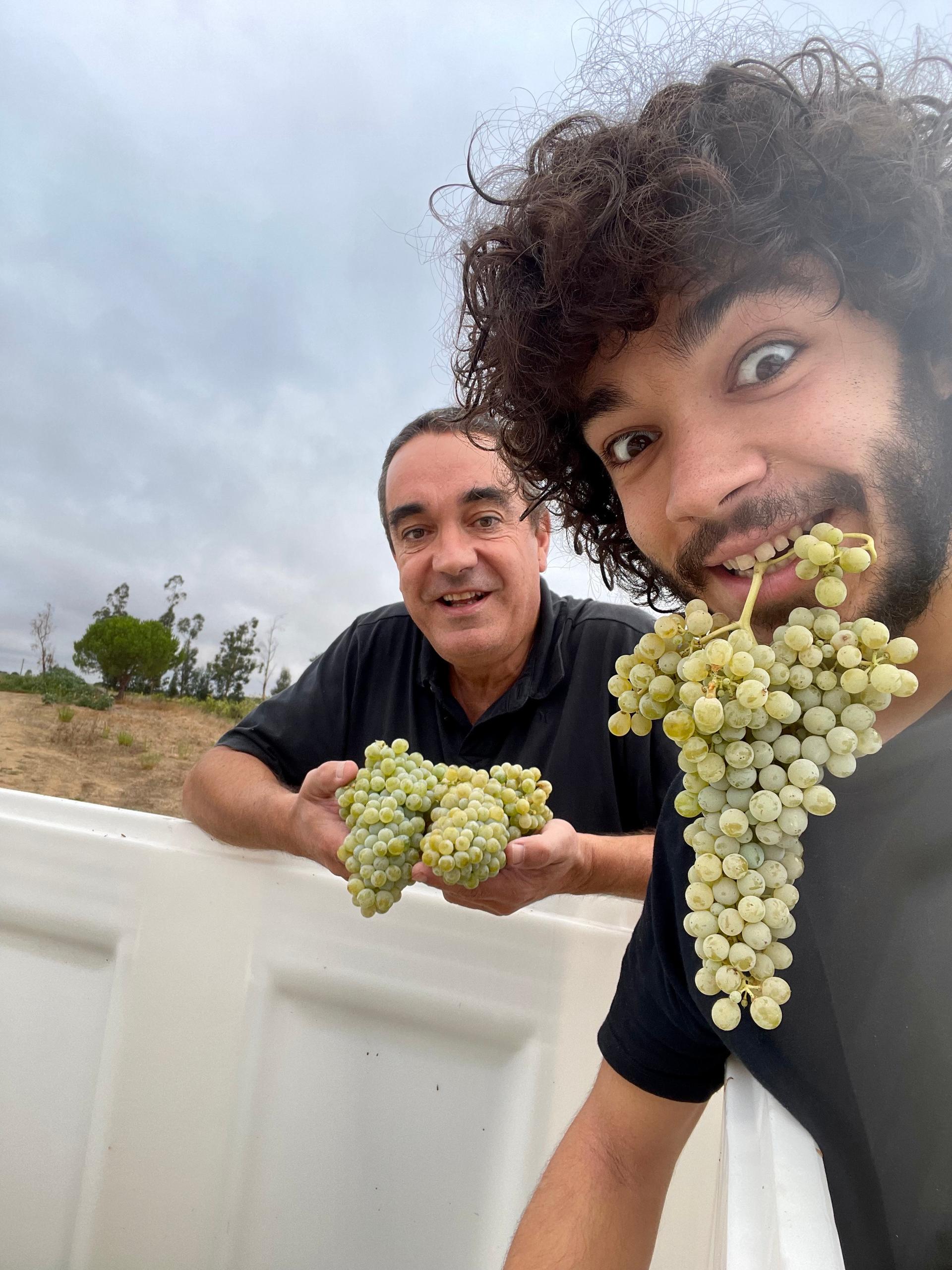
Trincadeira is a grape that rarely travels beyond specialist wine merchants in most European markets, which makes it genuinely interesting to discover through producers who grow and bottle it themselves. Independent estates in the Alentejo tend to treat it as a flagship variety rather than a blending afterthought, and buying directly from these growers means you get the wine at the price the producer sets, without an importer margin added on top. Wines tasted before listing means you are not buying blind. On Free Grape Society, producers ship directly from their own cellars, with no importer or warehouse in between — so the bottle arrives as the estate intended it. Free Grape Society is a society of producers, independent experts and wine lovers, not a shop. If you want to explore further, the Portugal mixboxes page brings together six-bottle selections chosen by the producers themselves, and the Alentejo mixboxes page narrows it to the grape's heartland region.