






Aragonez: Portugal's backbone red grape, from Alentejo to the Douro

Aragonez wine is full-bodied, warm and structured, shaped by the heat and schist soils of southern Portugal. The producers below grow it across Alentejo and beyond, bottling it under their own labels.

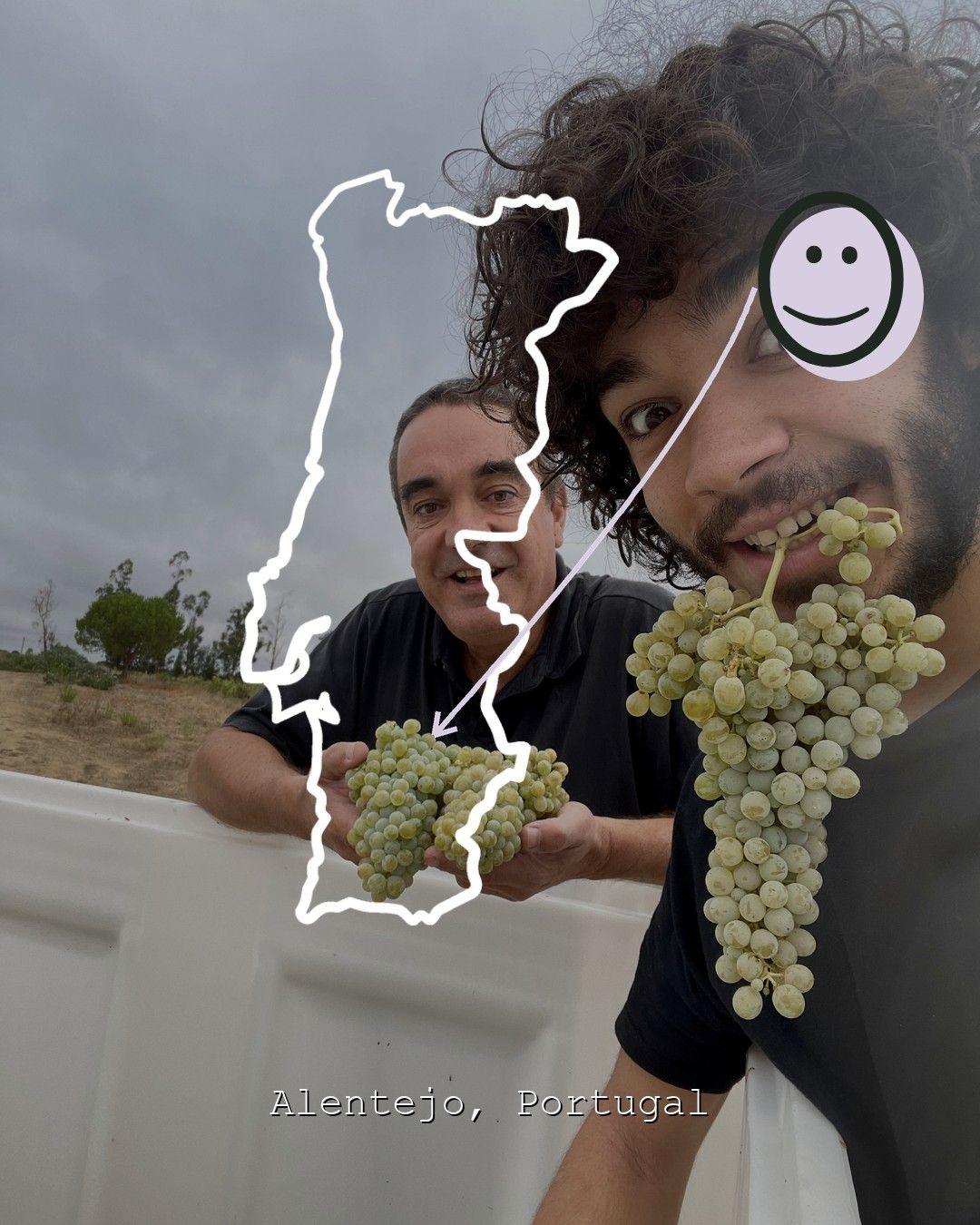
The same variety as Tempranillo, but grown under the Alentejo sun it becomes something altogether its own.

Color

Dropdown arrow

Type

Dropdown arrow

Country

Dropdown arrow

Region

Dropdown arrow

Grape

Dropdown arrow

Pairing

Dropdown arrow

Sort by

Sort arrow
Aragonez

Aragonez wines

Aragonez is the Portuguese name for a grape that travels under many aliases — Tempranillo in Spain's Rioja, Tinta Roriz in the Douro, Tinto Fino on the Castilian plateau. In Portugal's Alentejo it found a climate that suits it: long, hot summers and wide temperature swings between day and night that preserve the grape's acidity. The wines here are typically full-bodied with dark fruit and a warm, spiced finish. Each bottle ships directly from the grower's own cellar, with no importer or warehouse in between.

Previous1 of 1Next

Aragonez wine cases

A wine case from an Aragonez producer is the grower's own recommendation — six bottles that show how they work with the grape across vintages, blends or individual plots. In a warm-climate variety like Aragonez, that often means tasting the difference between a lighter, earlier-picked style and a more concentrated, oak-aged expression side by side. Free Grape Society is a society of producers, independent experts and wine lovers, not a shop.

View all mixboxes

Wineries

The producers below range from large family estates in the Alentejo heartland to smaller growers working in cooler sub-regions where Aragonez holds on to more freshness. If you want to understand why two bottles from the same grape taste so different, reading a producer's own notes is the quickest starting point. The wine-advice service is there if you would rather talk it through before choosing.

View all wineries

Wine experts

Aragonez produces a style of wine that splits into distinct camps — plush and early-drinking on one side, structured and cellar-worthy on the other — which makes a second view genuinely useful. Independent wine experts review wines they have personally tasted, and their notes are visible on each wine page and on the expert's own profile. Several of the experts below have reviewed Aragonez wines from the producers featured here.

View all wine experts

Frequently asked questions

How do I order Aragonez wine from Free Grape Society?

Browse the Aragonez wines on this page, add bottles to your basket and check out with Klarna or card. Each bottle is fulfilled by the individual producer, who ships it directly from their cellar. Delivery to your door typically takes between four and fourteen days, and shipping is free.

What happens if a bottle arrives broken or doesn't taste right?

Send a photo to Free Grape Society customer support within 7 days of delivery. We will arrange a replacement or a refund. Because producers ship directly, quality issues are handled with the producer's direct involvement. Shared responsibility is built into how FGS works.

Can I order Aragonez wines from more than one producer in the same order?

Yes. You can add wines from different producers to the same basket. Because each producer ships independently, bottles from separate wineries arrive in separate packages. You pay once at checkout, and Free Grape Society coordinates the fulfilment with each producer on your behalf.

How long does delivery take?

Average delivery is 8 to 9 days from order to door. The full range is 4 to 14 days depending on the producer's location and your delivery address. Wines ship directly from the producer's cellar, not from a central warehouse.

How do I choose between the different styles of Aragonez on this page?

Start with the producer's own description and any expert reviews on the wine page. Aragonez divides broadly into lighter, fruit-forward styles and more structured, oak-aged expressions — filtering by region is a useful shortcut, as Alentejo tends towards the warmer end of the spectrum. If you are unsure, ask a wine expert directly through the advice form.

How does the selection of Aragonez producers on Free Grape Society work?

Every producer on Free Grape Society is an independent winery that markets and ships its own wines. Wines are tasted before listing. The selection grows as new growers join the platform — you are buying from the producer directly, not from a curated superstore.

Which Aragonez wine expert can recommend something for me?

The independent wine experts on this page have reviewed Aragonez wines they have personally tasted. Browse their profiles to see their notes, or use the ask-a-wine-expert form to put a question directly to an expert. There is no fee and no obligation to buy.

Why don't you sell supermarket-brand Aragonez wines?

Free Grape Society lists wines from independent producers who bottle under their own label. Supermarket own-brands are produced at scale by large négociants or cooperatives and sold through retail chains — the opposite of direct. The wines here come from growers who make their own decisions about viticulture, harvest and winemaking, and who stand behind every bottle they ship.

Can I buy Aragonez wine this way in a regular wine shop?

Most independent wine shops carry a limited range of Portuguese reds, and Aragonez-dominant wines are not always well represented outside specialist retailers. Buying through Free Grape Society means going directly to the producer, which opens up wines that never reach the standard import and distribution chain in most European markets.

Aragonez: Portugal's native red grape and what makes it distinctive

Aragonez is the Portuguese name for Tempranillo, one of the Iberian Peninsula's most widely planted red varieties. In Portugal, it is grown primarily in the Alentejo, where the hot, dry summers produce wines that tend to be fuller-bodied and riper than their Spanish counterparts. The grape ripens early, which in warm climates can mean high sugar levels and deep colour, but in the hands of careful growers the result is a wine with dark fruit, firm structure and enough acidity to hold its shape. You will also find it under the name Tinta Roriz in the Douro, where it plays a supporting role in port blends and increasingly appears as a standalone variety in table wines. The same grape, grown on the same peninsula, can taste quite different depending on altitude, soil and how much the winemaker intervenes — which is exactly why tasting across producers matters.

How Aragonez tastes, and what to drink it with

Wines made from Aragonez tend to show dark plum and cherry fruit, a hint of leather or dried herb, and tannins that are present but rarely aggressive. In the Alentejo, where many of the independent producers on Free Grape Society are based, the wines often carry a warmth and weight that pairs well with slow-cooked meat, roasted lamb or hard, aged cheeses. If you are new to the variety, a useful comparison is to taste one Alentejo Aragonez alongside a Tempranillo from Spain or a Monastrell from Murcia — grapes from the same climate band that share structural similarities but diverge in character. Aragonez tends to be a little more generous and rounded than Tempranillo from the northern Spanish plateau, and less tannic than Monastrell at its most concentrated.

Buying Aragonez direct from independent Portuguese producers

Most Aragonez sold through conventional retail channels passes through importers and distributors before reaching the shelf, which compresses the range to a handful of the largest estates. On Free Grape Society, producers ship wines tasted before listing directly from their own cellars, so the selection includes smaller estates that rarely appear outside Portugal. The Alentejo wineries page shows the independent growers working with this and other native Portuguese varieties. If you want a broader look at what Portugal produces across its regions, the Portugal wines page and Portugal mixboxes are good starting points. Free Grape Society is a society of producers, independent experts and wine lovers — the producers here are not filtered by a distributor's list but by their own commitment to bottling and shipping what they grow.