Where Doña Blanca comes from and how region shapes it
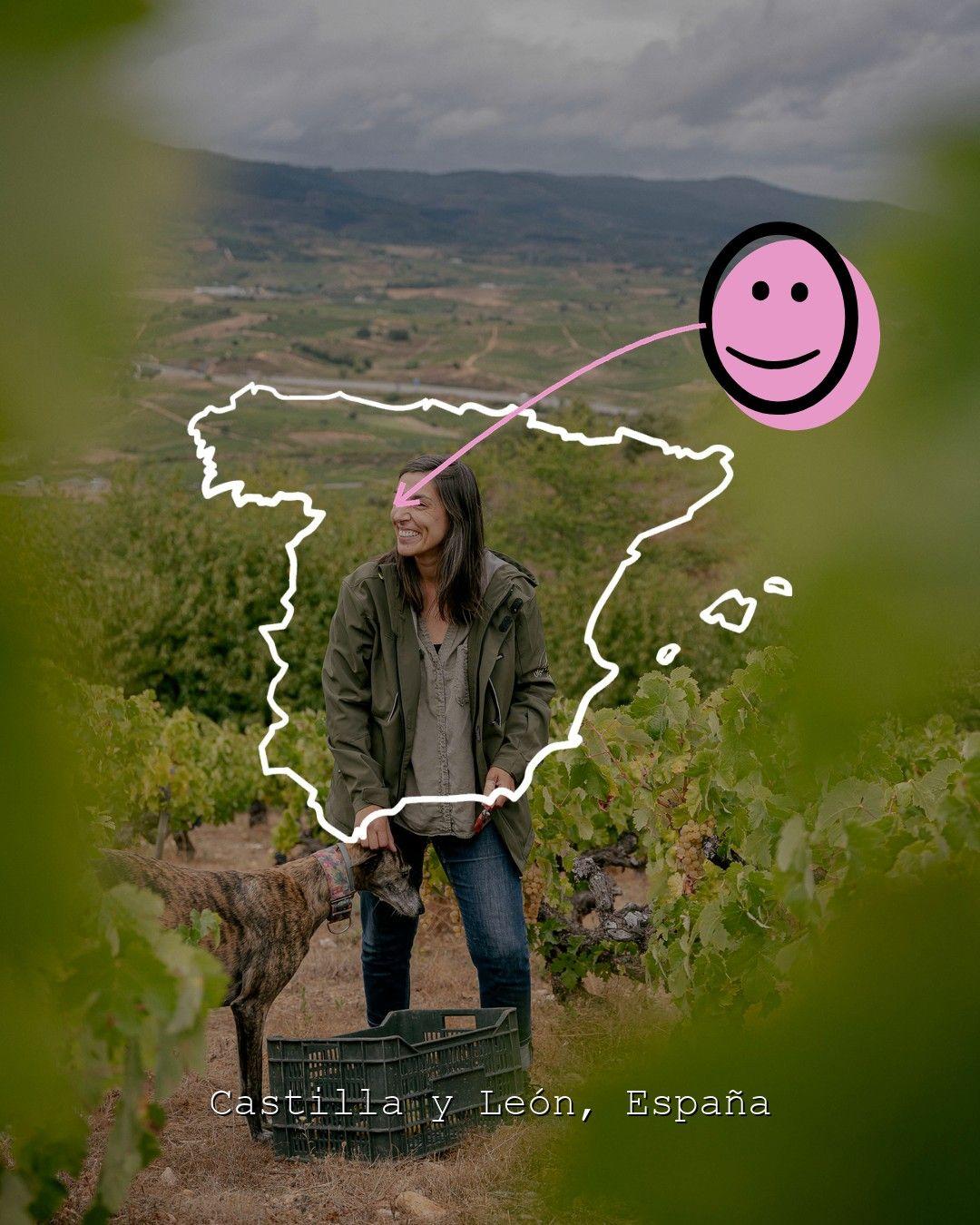
Doña Blanca is a white grape variety native to northwest Spain, grown primarily in Galicia and the neighbouring regions of Castile and León. It is most closely associated with the Valdeorras and Monterrei denominations in Galicia, where it has been cultivated for centuries, often alongside Godello. The grape is thin-skinned and naturally high in acidity, which means the wines it produces vary considerably depending on altitude, soil composition, and how the winemaker chooses to handle it. At higher elevations in Valdeorras, the cooler temperatures preserve freshness and aromatic lift; in lower, warmer sites the wines tend toward more body and texture. Doña Blanca is also grown in parts of Portugal, where it appears in Trás-os-Montes and contributes to some white Port blends, though the Spanish expressions are more widely documented. Because the variety is rarely exported as a varietal wine through conventional trade, most wine drinkers encounter it only through producers who bottle it specifically — which is exactly where independent growers working outside large distribution chains tend to be most active.
How Doña Blanca tastes, and what to drink it with
Wines made from Doña Blanca tend to be pale-coloured with pronounced natural acidity and aromas that lean toward green apple, white pear, citrus blossom, and sometimes a faint herbaceous or mineral note that reflects the granite soils common in Galicia. The palate is typically dry, medium-bodied, and refreshing rather than heavy, though some producers work with extended skin contact or aged versions that add texture and complexity. Because the grape's acidity is a constant feature, Doña Blanca pairs well with dishes that can stand up to or complement it: seafood is the obvious match in Galicia itself, where percebes, crab, and grilled fish are a natural fit. It also works well alongside lighter white meats, fresh goat's cheese, and Galician empanada. The variety shares some structural similarities with Godello and Albariño, the two grapes most associated with Galician whites, though Doña Blanca tends to be slightly leaner and less aromatic than either. For anyone already familiar with those varieties, it offers a quieter, more mineral-driven alternative worth exploring.
Buying Doña Blanca direct from independent producers
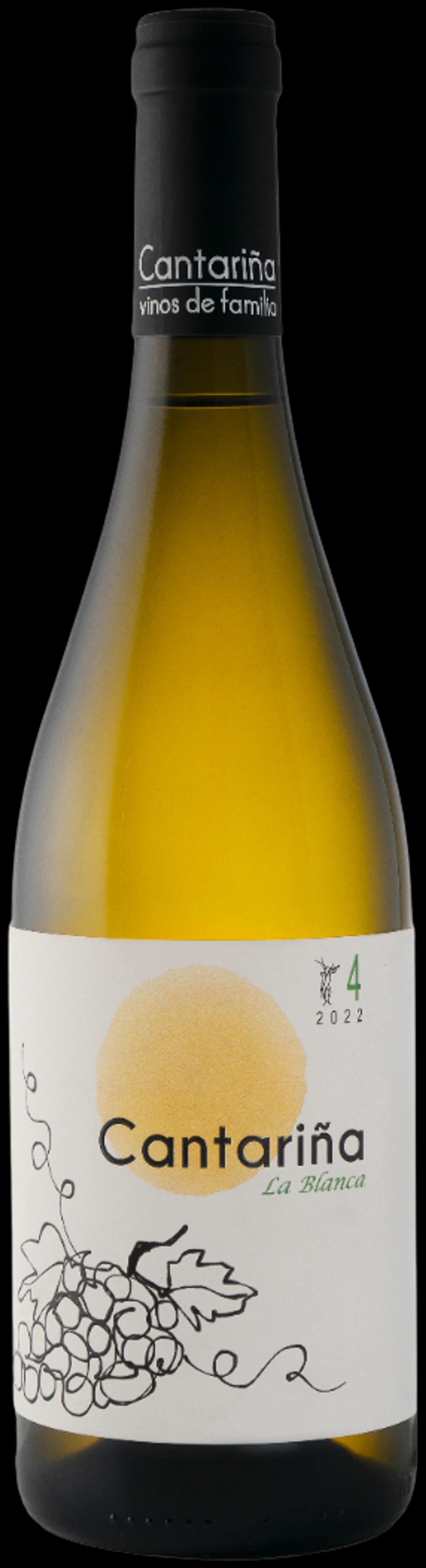
Doña Blanca rarely appears on supermarket shelves or in large-scale wine retail outside Spain, which makes independent producers the most reliable route to finding it. On Free Grape Society, producers ship directly from their own cellars, with no importer or warehouse in between — which matters for a variety like this, where the wines are made in small volumes and the producer's own decisions about fermentation vessel, élevage, and bottling time define what ends up in the glass. Free Grape Society is a society of producers, independent experts and wine lovers, not a shop, and that structure is part of why varieties like Doña Blanca appear here at all. If you want to explore the broader picture of northwest Spanish wines, the Galicia page and the Castile and León page are good starting points, or you can compare Doña Blanca alongside the wider range of white wines from Spain. Independent wine experts review wines they have personally tasted, and those reviews are visible on each wine page — a useful reference when choosing between producers working with the same grape in different sites and styles.