Where Lagrein comes from and how its Alpine home shapes it
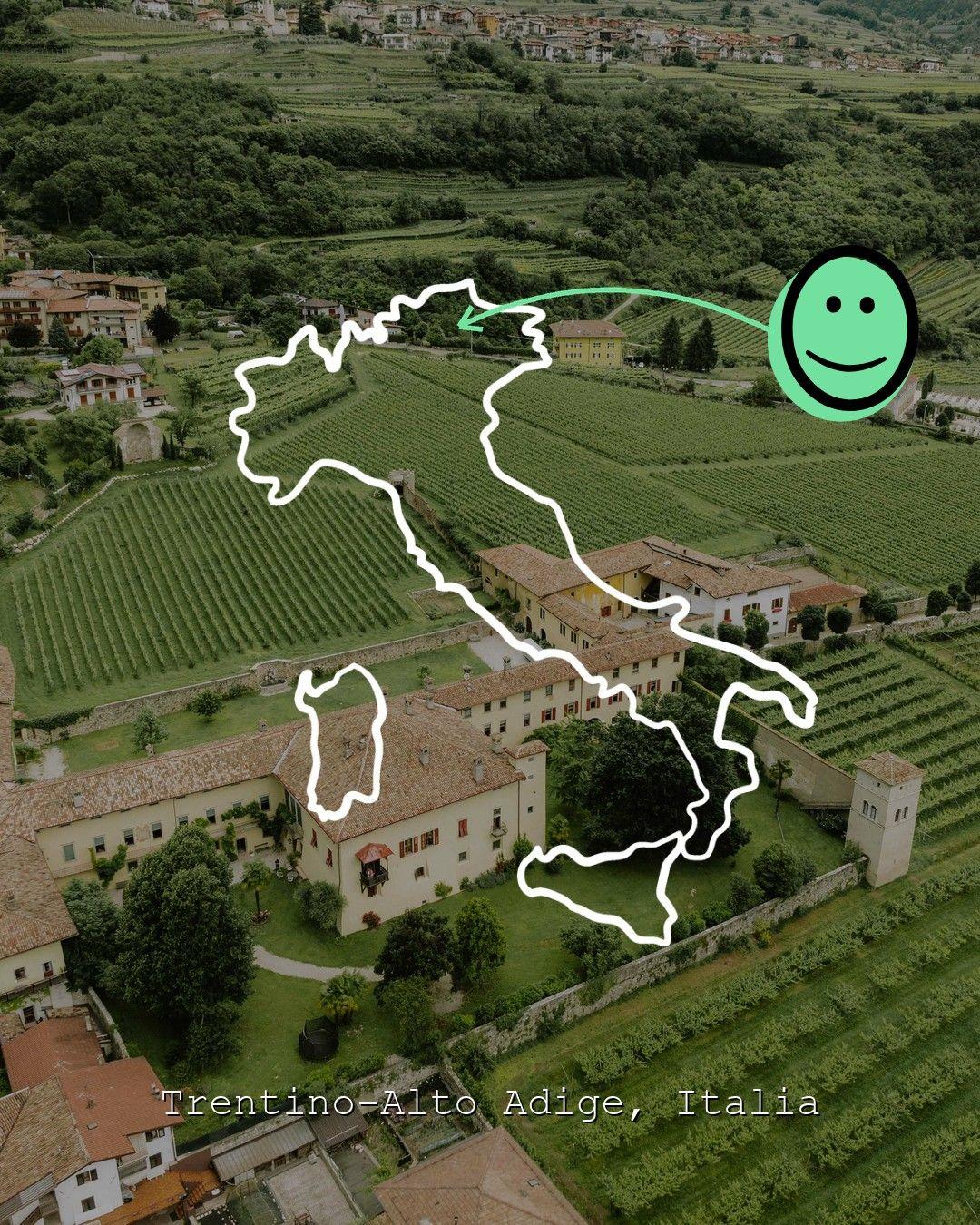
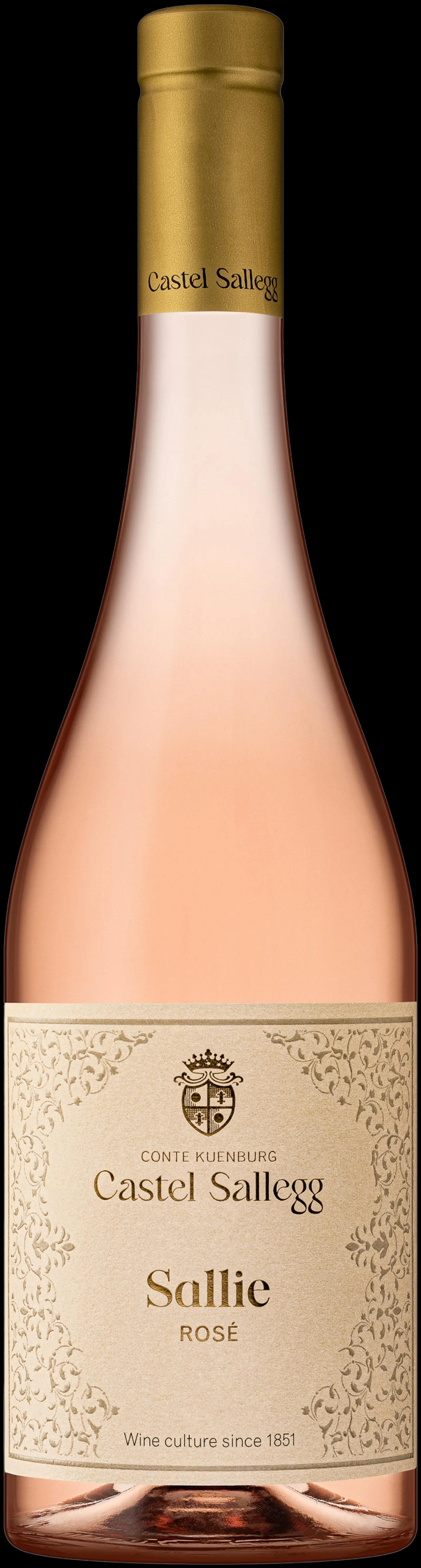
Lagrein is native to Trentino-South Tyrol in the far north of Italy, a region where the Alps meet a surprisingly warm and sheltered climate. The Adige valley funnels warm air northward from the Po plain while the surrounding mountains keep nights cool, and that contrast is written into the grape: Lagrein builds deep colour and considerable body, yet the altitude preserves an acidity that keeps the wine from feeling heavy. It is one of the few dark-skinned varieties with a genuine claim to be indigenous to this corner of the Alps, with records in the Bolzano area going back several centuries. The same variety also produces a rosé style, known locally as Lagrein Kretzer, which tends toward pale cherry colour and fresh, direct fruit. For other grapes that have grown up alongside it in the same region, the Trentino-South Tyrol wines page shows the full range of varieties the area produces.
How Lagrein tastes, and what to drink it with
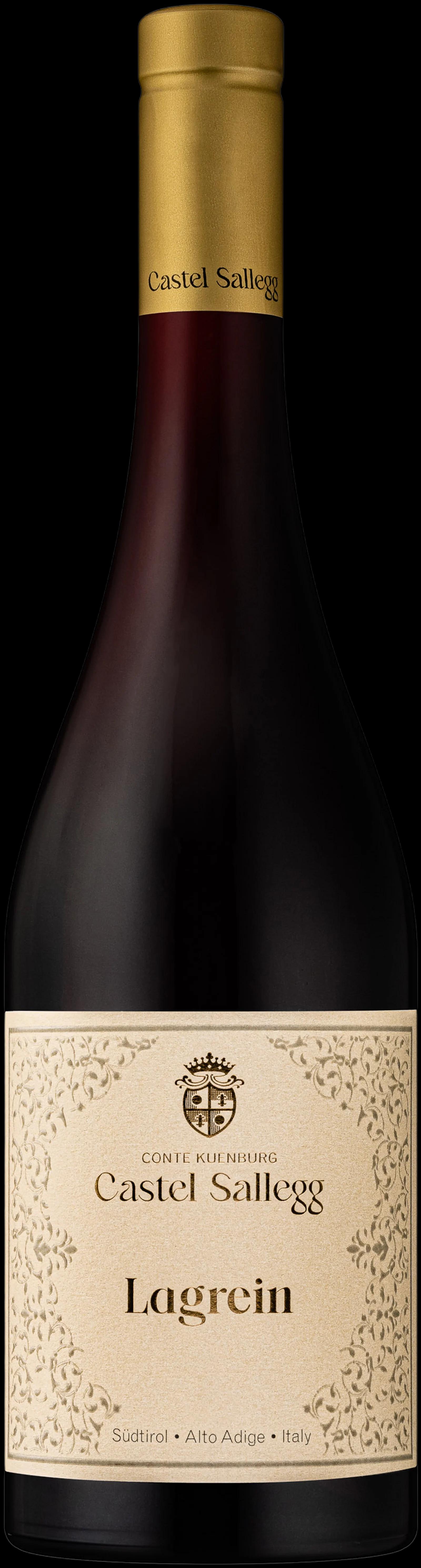
A red Lagrein typically shows dark plum and blackberry, a slight bitterness on the finish that is characteristic of the grape, and a texture that is fuller than you might expect from a cool-climate wine. The tannins are present but not grippy, and the acidity is lively enough to make it useful at the table. It pairs well with roasted meats, venison, and dishes with a little fat to meet the body of the wine — the South Tyrolean tradition of serving it with game reflects the landscape it comes from. The rosé version works closer to a light red in terms of food affinity: charcuterie, grilled fish, and dishes with some spice all suit it. If you are exploring other Italian reds with a similar combination of body and freshness, Nebbiolo wines, Sangiovese wines and Montepulciano wines are worth comparing.
Buying Lagrein direct from independent producers
Because Lagrein is grown almost exclusively in one corner of northeastern Italy, the producers who work with it tend to know the grape with unusual depth. On Free Grape Society, each bottle is shipped directly from the producer's own cellar, with no importer, agent, or warehouse in between. That means the wine travels fewer hands and arrives closer to how the grower intended it. Alongside individual bottles, some producers offer a mixbox — a selection of six bottles they have put together themselves, which is often the most direct way to understand how a single estate works across different wines. The Trentino-South Tyrol wineries page lists the independent producers from the region on the platform. For Italian red wines more broadly, the Italian red wines and Italian wines pages show what else is available from independent growers across the country. Free Grape Society is a society of producers, independent experts and wine lovers, not a shop — and wines are tasted before listing.