Albilla: a rare white grape from the heart of Spain

Albilla wine is made from one of Spain's older indigenous varieties, cultivated in scattered pockets across the interior and islands. The producers below work with it in very different soils and climates.

Grown across Castile, La Mancha and the Canary Islands, it produces dry whites with gentle acidity and a quietly aromatic character.

Color

Dropdown arrow

Type

Dropdown arrow

Country

Dropdown arrow

Region

Dropdown arrow

Grape

Dropdown arrow

Pairing

Dropdown arrow

Sort by

Sort arrow
Albilla

Albilla wines

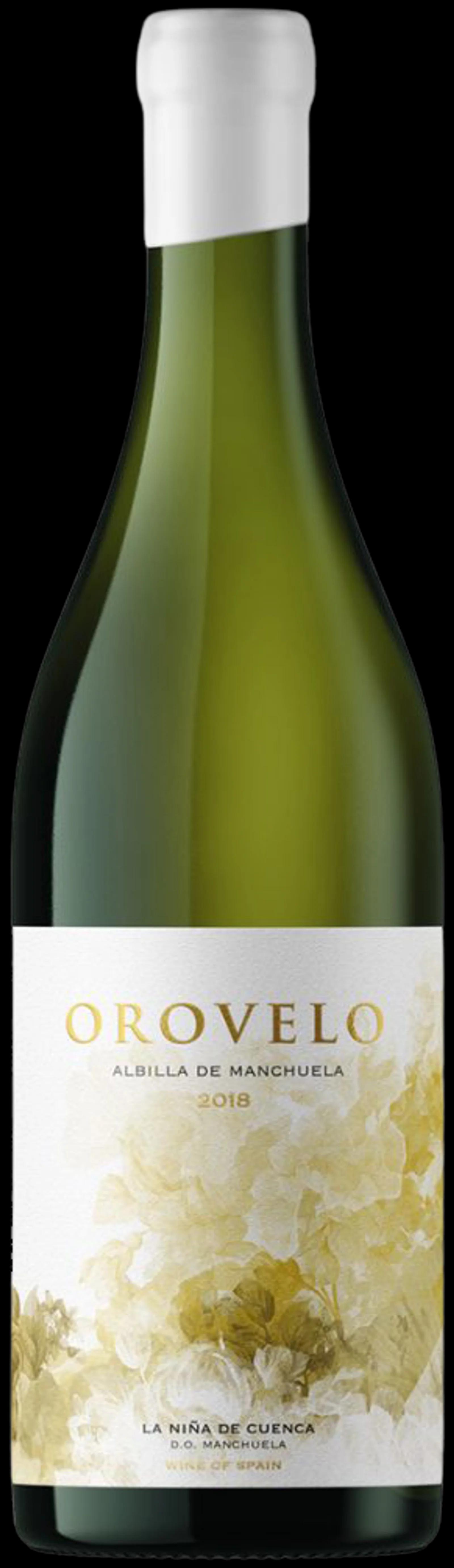
Albilla is an old Spanish white variety that has never chased fashionable markets, which is part of why it remains interesting. It tends toward moderate alcohol, pale colour and a soft, slightly floral profile — not a grape that shouts, but one that rewards attention. You find it in Castile, in parts of La Mancha, and most notably in the Canary Islands, where the volcanic soils of Gran Canaria and La Palma push it toward a more mineral, saline expression. Each bottle below is shipped directly from the producer's own cellar, with no importer or warehouse in between.

1 of 1 wine

Previous1 of 1Next

Albilla wine cases

A wine case is a producer's own selection of six bottles — the recommendation they would make if you visited their cellar in person. For a grape as site-specific as Albilla, that often means exploring how one estate works across different parcels or vintages rather than comparing producers side by side. Free Grape Society is a society of producers, independent experts and wine lovers, not a shop.

View all mixboxes

Wineries

The growers below each bring their own interpretation to Albilla — some working it on the Spanish mainland in continental conditions, others in the island microclimates where Atlantic winds and volcanic rock change the wine considerably. If you are choosing between them and want a second view, the wine-advice service is there before you decide.

View all wineries

Wine experts

Albilla is not a grape that generates large volumes of critical commentary, which makes independent expert reviews particularly useful when they exist. Independent wine experts on Free Grape Society review wines they have personally tasted, and their notes appear on the wine page and on the expert's own profile. Several of the experts below may have reviewed Albilla wines featured on this page.

View all wine experts

Frequently asked questions

How do I order Albilla wine on Free Grape Society?

Browse the wines above, add bottles to your basket and check out. Each order ships directly from the producer's own cellar. Delivery takes between 4 and 14 days depending on where the producer is based, and free shipping is included.

What happens if a bottle arrives broken or doesn't taste right?

Send a photo to Free Grape Society customer support within 7 days of delivery. We will arrange a replacement or a refund. Because producers ship directly, quality issues are handled with the producer's direct involvement. Shared responsibility is built into how FGS works.

Can I order Albilla wines from more than one producer in the same order?

Yes. You can add bottles from different producers to a single basket. Each producer ships their wines separately from their own cellar, so you may receive two deliveries if you order from two producers. Each shipment is covered by the same delivery and quality terms.

How long does delivery take?

Average delivery is 8 to 9 days from order to door. The full range is 4 to 14 days depending on the producer's location and your delivery address. Wines ship directly from the producer's cellar, not from a central warehouse.

How do I choose between the different Albilla wines here?

The most useful distinction is where the wine comes from. Albilla grown on the Canary Islands — particularly Gran Canaria and La Palma — tends to show more mineral and saline character because of the volcanic soils. Mainland versions from Castile or La Mancha are usually rounder and more fruit-forward. Reading the producer's own notes is a good starting point, and the wine-advice service can help you narrow it down.

Is Albilla always a dry white wine?

Almost always. It is grown primarily as a dry table wine. Some island producers make late-harvest or fortified versions in very small quantities, but these are rare. The wines on this page are dry whites unless the product description says otherwise.

Which wine expert can recommend an Albilla wine for me?

Use the wine-advice service — fill in a short form and an independent wine expert will come back with a personal recommendation. Experts on Free Grape Society review wines they have personally tasted, so any advice is grounded in direct experience of the wines available.

Why don't you sell supermarket-brand Albilla wines?

Free Grape Society works only with independent producers who make and bottle their own wine. Supermarket-label wines are typically blended and bottled by large negociants rather than the grower. For a grape as rarely bottled as Albilla, estate-grown versions are almost always where the most distinctive expressions are found anyway.

I can't find Albilla in wine shops near me — why is that?

Albilla is planted in relatively small quantities and most of what is produced is consumed locally in Spain. The grape has almost no presence in the international import and distribution system, which means it rarely reaches specialist retailers in other countries. Ordering directly from the producer is often the only way to access it outside Spain.

Where Albilla comes from and how it expresses itself

Albilla is a white grape variety native to Spain, grown in scattered pockets across the interior and the south. It is closely associated with Castile and León and Castilla-La Mancha, where it appears in both still and occasionally sparkling styles, and it turns up in smaller quantities across Andalusia and Valencia. The grape has an old history in the country — it is one of the varieties mentioned in historical accounts of central Spanish viticulture — but it never achieved the commercial momentum of Albariño or Verdejo, which means most of the growers working with it today are small, independent producers rather than large commercial estates. That obscurity is, for many drinkers, part of the appeal. Albilla tends to produce wines with relatively low acidity and a soft, round texture, with aromatic notes that lean toward white stone fruit and gentle floral characters. The wines are not built for long ageing as a rule, but they can carry real charm when made by growers who understand the variety. You will find producers working with it on the Castile and León wines and Castilla-La Mancha wines pages.

Albilla and food: what works and why

Because Albilla tends toward softness rather than high acidity, it pairs well with dishes that do not need a sharp counterpoint. It works alongside mild fish preparations, white-fleshed poultry, and vegetable-based dishes where the wine can sit in the background without competing. The grape's round texture makes it a reasonable match for dishes with a small amount of cream or olive oil, common in the central Spanish kitchen where the variety originates. It is less at home with very rich or heavily spiced food, where a higher-acid white would provide better contrast. If you are exploring Spanish white wines more broadly, the Godello wines page covers a variety with more structural tension, and Garnacha wines shows how a red from the same geography can read very differently. On Free Grape Society, producers ship wines directly from their own cellars, so when you order an Albilla from a small grower in Castilla-La Mancha, it comes from the source rather than via a warehouse.

Buying Albilla wine directly from independent producers

Most Albilla wine never reaches a wine shop outside Spain. The producers who grow it tend to be small, and the variety does not have the international name recognition that drives export demand for better-known Spanish whites. That makes independent platforms a more reliable place to find it than mainstream retail. Free Grape Society is a society of producers, independent experts and wine lovers, not a shop. The producers listed here sell and ship their wines directly, with no importer or large warehouse in between. If you want to explore more of what independent Spanish growers are making, the Spain wineries page covers the full range of producers on the platform, and the Spanish wines page shows the breadth of varieties and regions available. For those who want to taste across multiple wines from a single producer, the Spain mixboxes page gathers the six-bottle selections that producers have composed themselves.