Where Grechetto comes from and what makes it distinctive
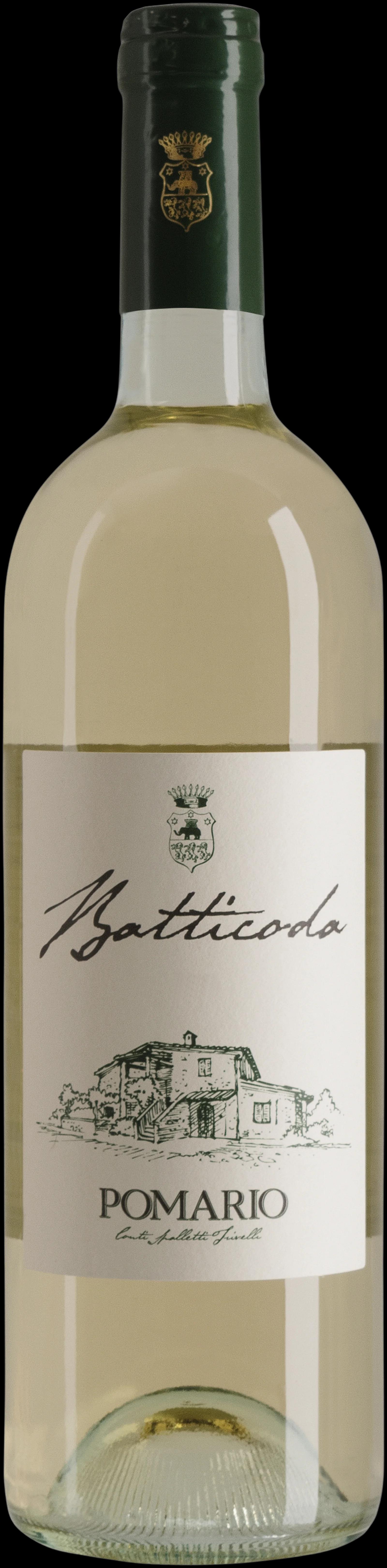
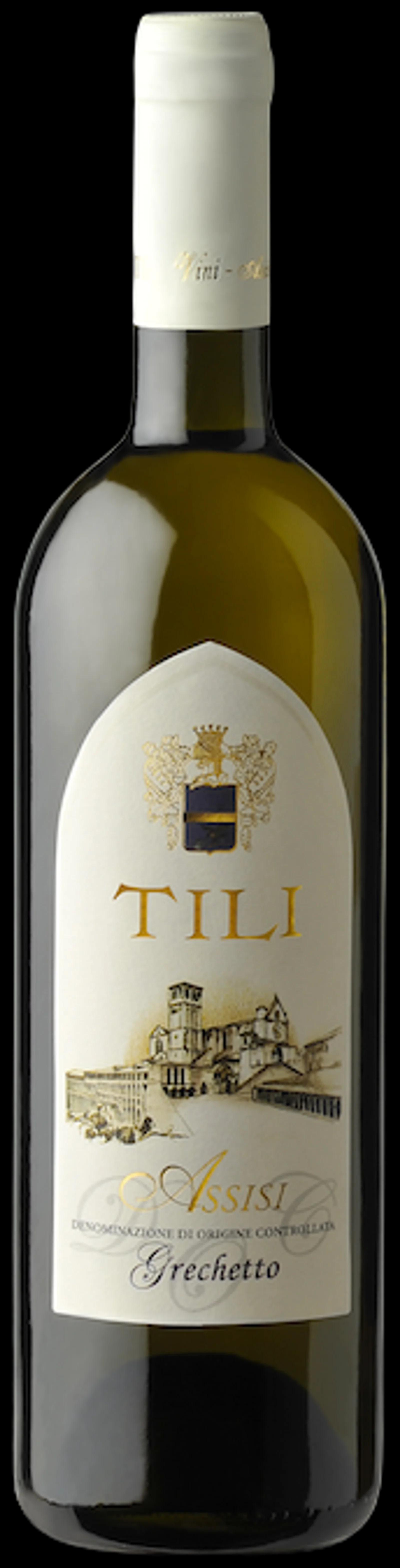
Grechetto is a white grape native to central Italy, grown primarily across Umbria and the neighbouring Marches. Despite its name suggesting Greek origins — a common etymology for ancient Italian varieties — it is now considered an Italian native, most likely brought to the peninsula in antiquity and long since naturalised. It exists in two main biotypes: Grechetto di Orvieto and Grechetto di Todi, the latter carrying more body and aromatic intensity. Both are used in the DOC wines of the Orvieto appellation, one of central Italy's most established white wine zones, where Grechetto is typically blended with Trebbiano. Producers in Umbria who bottle it as a single variety tend to show the grape at its most expressive — and several of them sell directly through Free Grape Society. You will find related producers on the Umbria wineries page, and a broader view of the region's whites on the Tuscany wines and Italian white wines pages.
How Grechetto wine tastes and what to drink it with
Grechetto produces dry white wines with firm acidity, moderate body, and a flavour profile that runs from almond and white blossom through to riper stone fruit when the vintage is warm. One of its more distinctive traits is a slight bitter finish — characteristic of the variety and often described as the marker that distinguishes genuine Grechetto from the blended Orvieto styles that carry it in smaller proportions. It ages better than most central Italian whites: a little time in bottle fills out the texture without losing freshness. At the table, it sits naturally alongside pasta dishes with white sauces, grilled fish, or the truffle-heavy cooking of Umbria itself. For exploratory pairings, the broader Italian white wines page shows what else grows in similar terrain.
Buying Grechetto directly from independent producers
Grechetto is not a grape that travels far — most of what is made stays in Italy and is consumed domestically or in local restaurants, which is part of why it rarely appears on supermarket shelves outside the country. On Free Grape Society, the wines come from independent producers who bottle their own, and they ship directly from their own cellars to your door, with no importer or warehouse adding cost or handling time along the route. That matters with a variety like Grechetto, where freshness and the producer's specific site choices account for much of what ends up in the glass. If you want to explore further before ordering, wines tasted before listing means each bottle has been reviewed for quality. You can browse related varieties from central Italy — including Sagrantino, Verdicchio, and Trebbiano — or look at Umbria wineries for the producers behind the bottles. Free Grape Society is a society of producers, independent experts and wine lovers, not a shop.