Where Bastardo comes from and how it travels
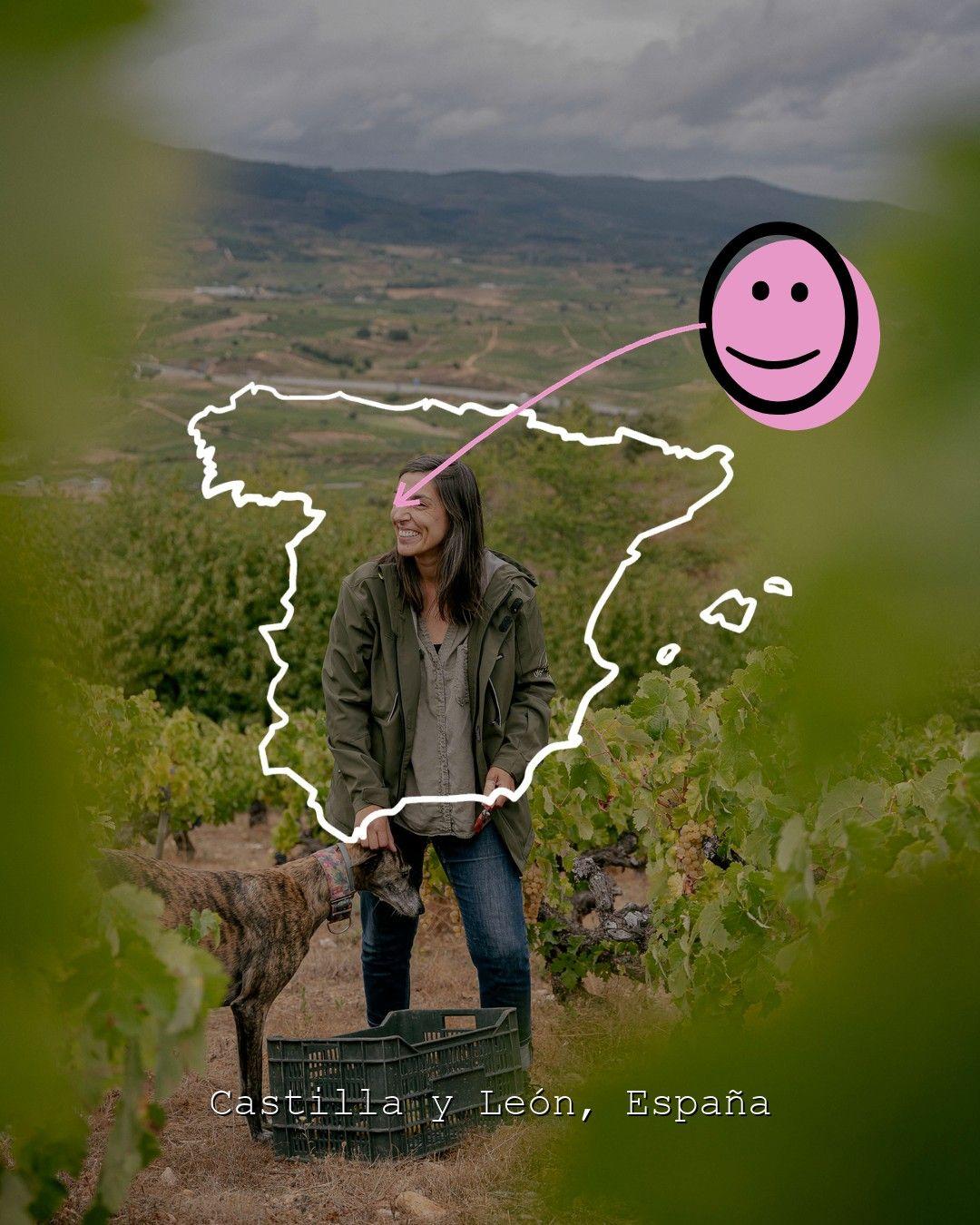
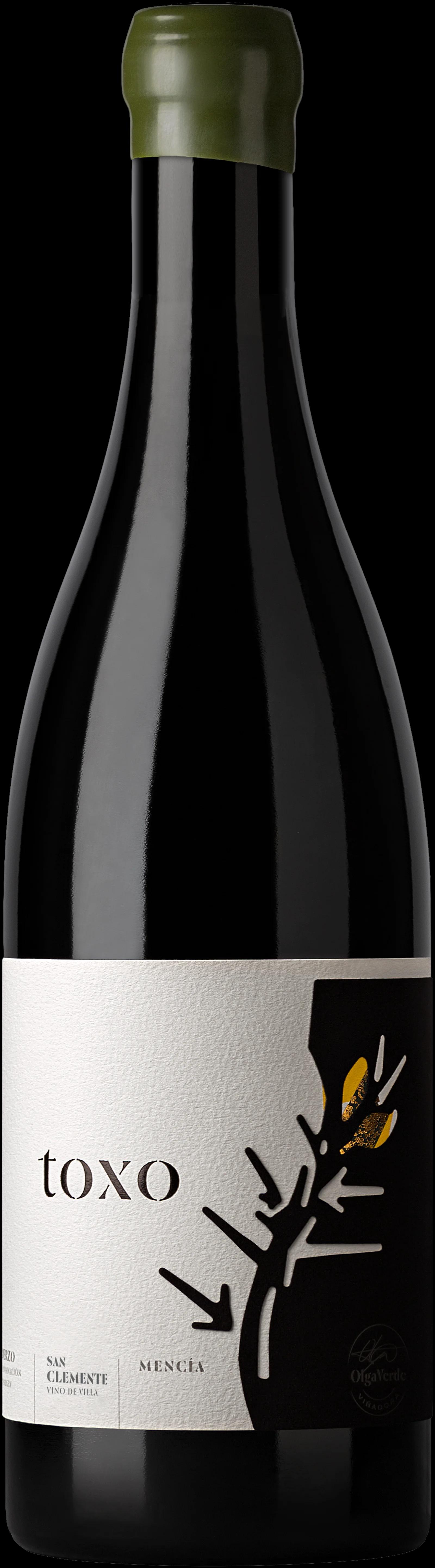
Bastardo is one of Europe's more widely travelled grapes, known under a tangle of names depending on where you find it. In Portugal, where it is most closely associated, it turns up across the Douro and in the Dão, contributing depth and colour to blends and occasionally bottled on its own. In Spain it goes by Merenzao or María Ordoña, appearing in Galicia and parts of Castile and León. Further afield, ampelographers have traced connections to Trousseau in the Jura and to grapes grown on the island of Madeira. The variety's spread across the Iberian peninsula and into southern France reflects centuries of movement by traders and monasteries rather than any deliberate breeding programme. What these different expressions share is a tendency toward moderate colour, relatively high natural acidity, and aromatic freshness that can read as floral or lightly spiced depending on the site and harvest. Portuguese wines and Spanish wines are good places to start exploring the range.
How Bastardo tastes, and what to drink it with
Bastardo produces wines that sit on the lighter end of the red spectrum in terms of colour and tannin structure, which makes them more versatile at the table than their often-obscure reputation suggests. Expect red fruit, some herbal character, and a lively acid line that keeps the wine moving through a meal. In the Douro, where it contributes to port-style blends, it adds aromatic lift; as a still red it often shows cherry, dried rose petal, and a savouriness that becomes more pronounced with age. The relatively low tannin and fresh acidity make it a comfortable match for roasted poultry, game birds, mushroom-heavy dishes, and aged sheep's cheeses — the kind of food pairing where a heavier red would crowd the plate. Producers who work with Bastardo as a single variety tend to be making a deliberate statement about the grape's own character rather than following commercial demand, which is worth bearing in mind when you read their notes. You can find comparable lighter, aromatic reds from Galicia or explore the broader Italian red grape range for structural parallels.
Buying Bastardo directly from independent producers
Bastardo rarely appears on supermarket shelves, which means the most reliable route to it runs through the producers who choose to grow it. On Free Grape Society, producers ship directly from their own cellar, with no importer or warehouse in between — which matters for a grape like this, where the difference between a producer who is genuinely committed to the variety and one who grows it as a minor blending component shows clearly in the bottle. Browsing by region gives you useful context: Alentejo and the broader Portuguese selection cover most of the independent estates working with Bastardo today, while Galicia is the place to look for Spanish growers using it under its local synonyms. For producers who have put together their own six-bottle selection, the Portugal mixboxes and Spain mixboxes are a practical way to taste a range before committing to individual bottles. Free Grape Society is a society of producers, independent experts and wine lovers, not a shop — and for a grape this uncommon, that distinction is exactly what makes it findable.