Yannick Pelletier
Onboarded by: Alexander Holmqvist Winge
Alexander Holmqvist Winge Languedoc-Roussillon, France
About us
Facts
Contact
About us
Here are the few elements about the structure of the estate, and a method of how I take care of the soil, the plants and the wine.
The estate consists of 12.5 ha in the Saint-Chinian AOC. I started up my activity in January 2004 in Organic way of working. The vines are 10 to 90 years old and the average is 45. There are four types of grapes for reds: Syrah (11%), Grenache (47%), Cinsault (18%), Carignan (19%) and Mourvèdre(5%). Two for whites : Terret Bourret is an old indigene grape variety and the vineyard is seventy years old and is planted in grey and white grapes. Grenache is a young vineyard of 10 years that I planted on a high elevation parcel which is east-north exposed. The each parcel of land is relatively distant one from the other, and this permits me to enjoy different types of terroir: 65% of schist, 23 % of clay and limestone, and 12% of pebble and clays.
Grenache, Carignan and Cinsault are trained in the Gobelet, the syrah in the Cordon de Royat system. In average, I let six spurs with one eye on each.
I take care of the soil with one or two plowings a year and a digging, if necessary. I enrich the soil using organic compost (between 500 and 1500 kg/ha). The main part of the work is done manually. There are two reasons for that. For one reason, this means gives a higher quality result than the mechanized way, and the other, it keeps off the passage of vehicles that makes the soil damp down and weaken.
In order to take care of the vine’s health, I use contact product (Cu, SO2), which does not penetrate into the plant, and thus you won’t find it inside the grape.
The ébourgeonnage (or green pruning) is the most important green job that should be done. It consists of the elimination of non-productive branches or the ones that sit in a bad location, i.e. the ones in the center of the plant. It makes possible to give air to the tree stump, to control the production and to concentrate the plant juice in the best branches.
About wines, here are a few explanations aout the way there are made :
In the cellar, the general principal is to protect as much as possible the grappe and wine integrity : harvest in boxes, selection of the grapes, use of the gravity, developpement of the indigenous yeast. The grain is seperated from the wooden components of the grape. The pigeage is mainly done by hand, the pumping over is only done in order to homogenize the harvest, and the second day to help the multiplication of the yeast.
L'Oiselet is made from Cinsault, Grenache, Syrah and Carignan. It is aged during one year in cement vat.
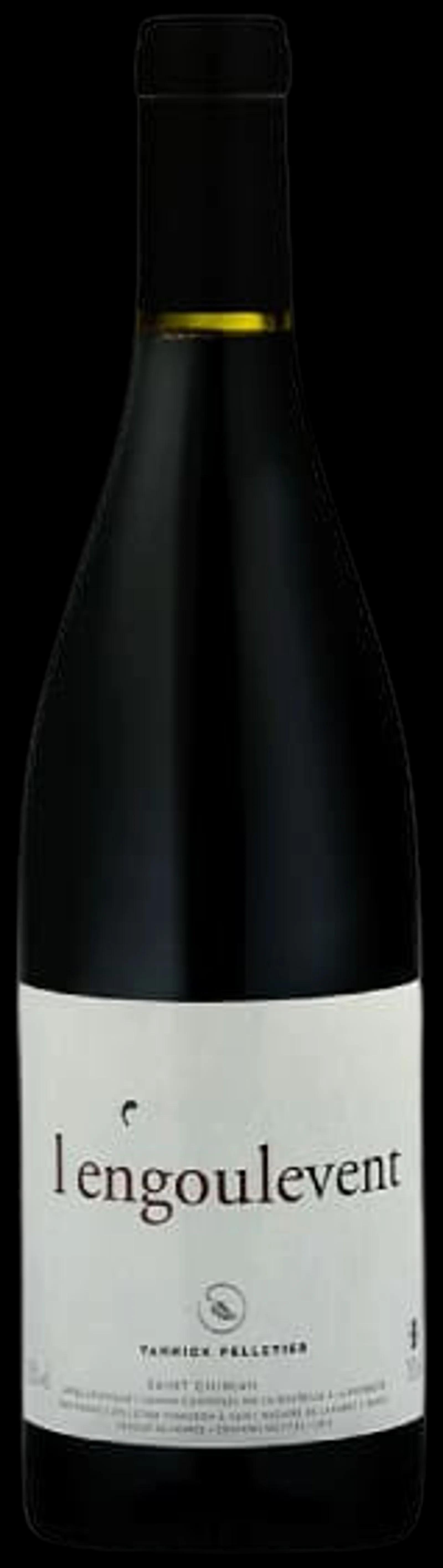
L’Engoulevent is made from grenache and Carignan and a little bit of Syrah and Cinsault. One part of the carignan is vinificated in carbonic maceration, the other part in long maceration, then put into cement vat and cask.
Les Coccigrues are made from carignan and a little bit of syrah and grenache. The carignan and Grenache are old and grow on hillsides which soils are poors. This wine is aged during two years in cask.
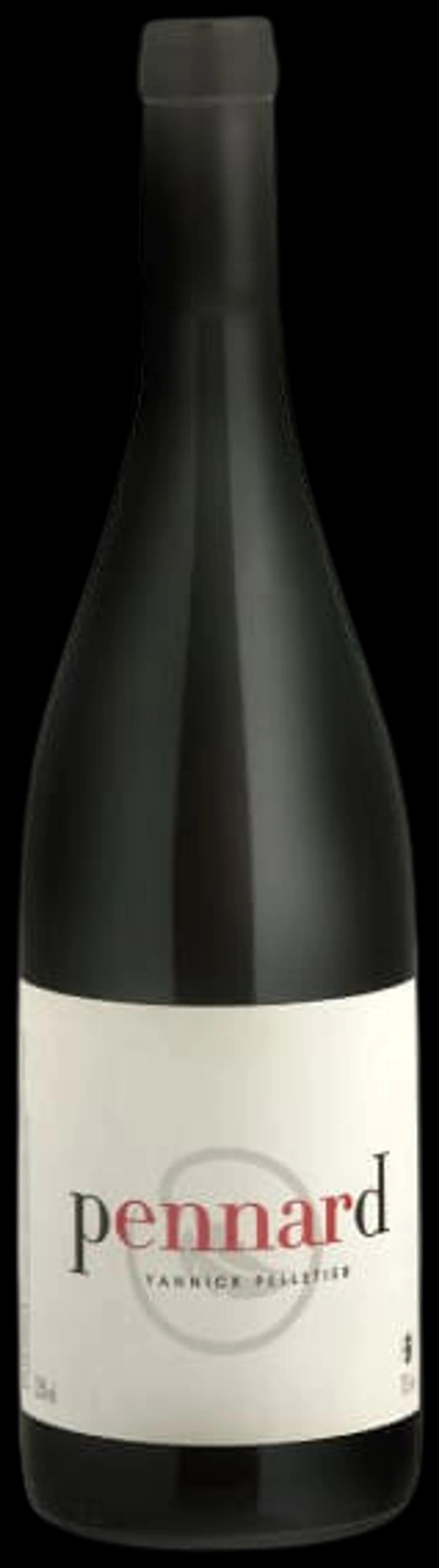
Pennard is a blend of almost all the vineyard ans all the grape variety for three years at least with an ageing in barrels for a part and in vats for the majority.
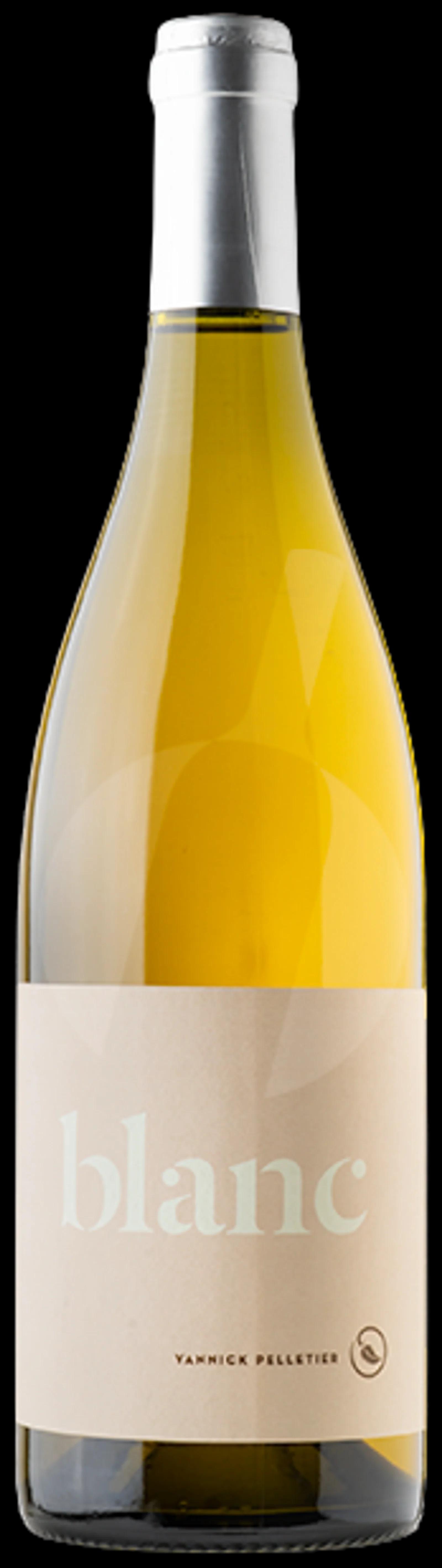
BLANC is a direct press of Terret Bourret and Grenache white and grey for both. The terret is an old indigene grape variety and the vineyard is seventy years old. The ageing is 10 months in vats
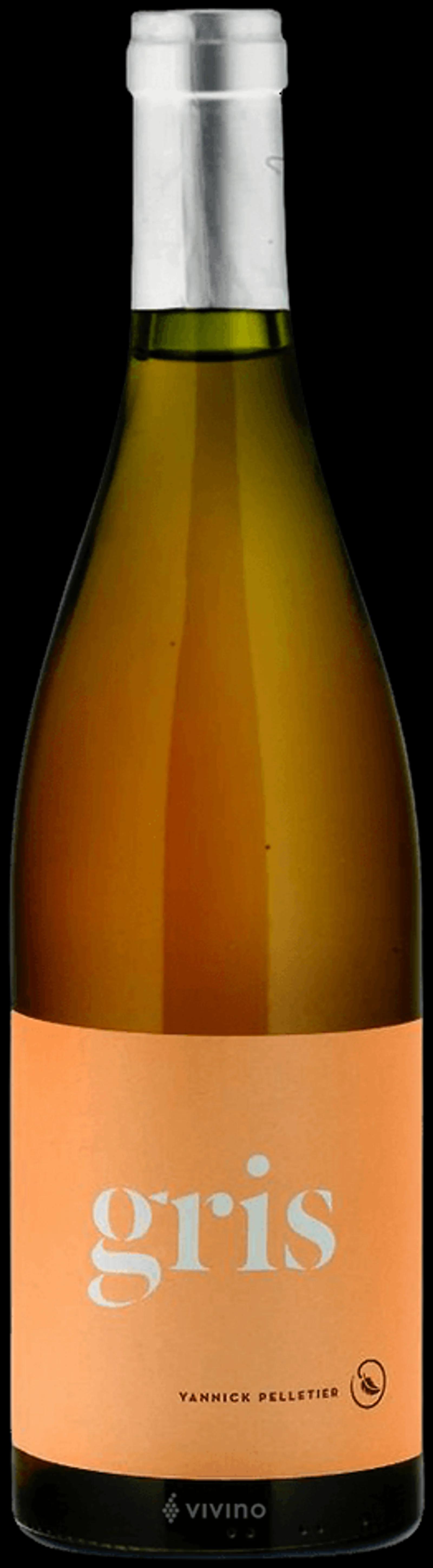
GRIS is a direct press of Grenache Gris from a vineyard which is at 300 hundred meters high. The ageing is a year in barrels.
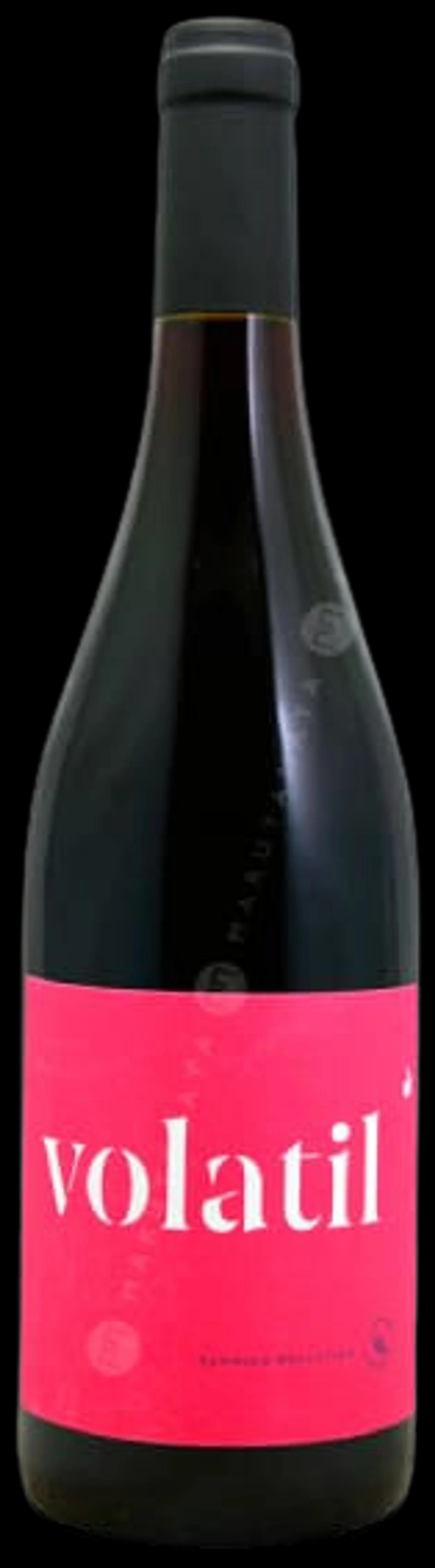
VOLATIL’ is a 100% cinsault 50 years old. 11% vol.
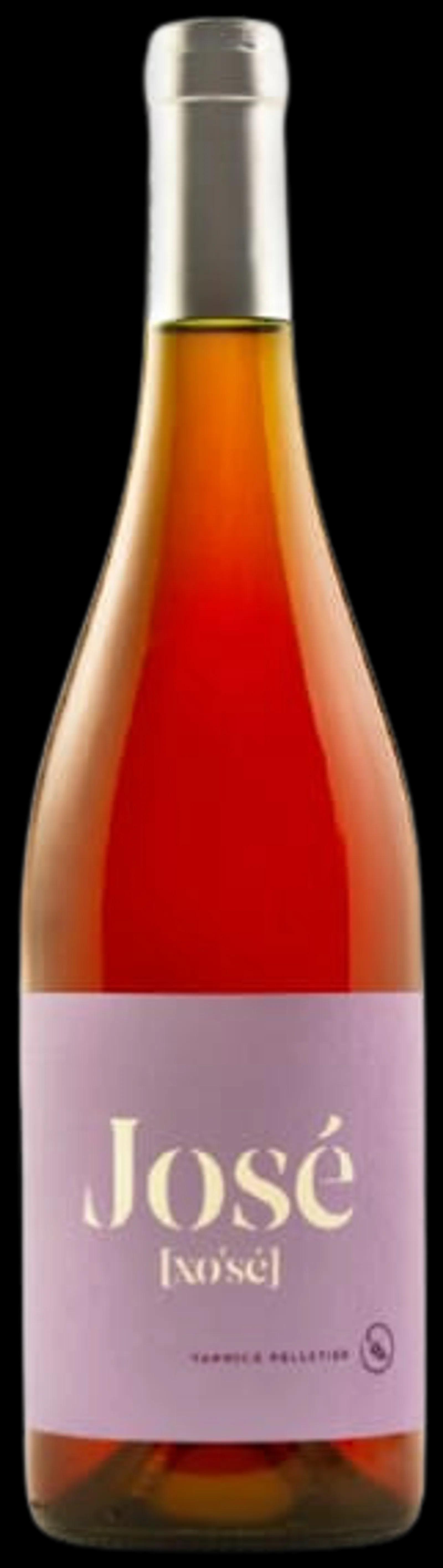
José is a dark rosé mostly made from grenache.
Facts
Country:
France
Region:
Languedoc-Roussillon
Subregion:
Saint-Chinian
Founding year:
2004
Area:
13
hectares
Production volume:
25000
bottles/year
Yield:
2000
liters/hectare
Contact
 No website listed
33664663890

Ancien chemin de Béziers
34490
Saint-Nazaire de Ladarez
Wines from Yannick Pelletier
8 of 8 wines
Yannick Pelletier 2022
Volatil'
750ml11.5%
248,40SEK
Yannick Pelletier 2021
L’Engoulevent
750ml13.5%
279,45SEK
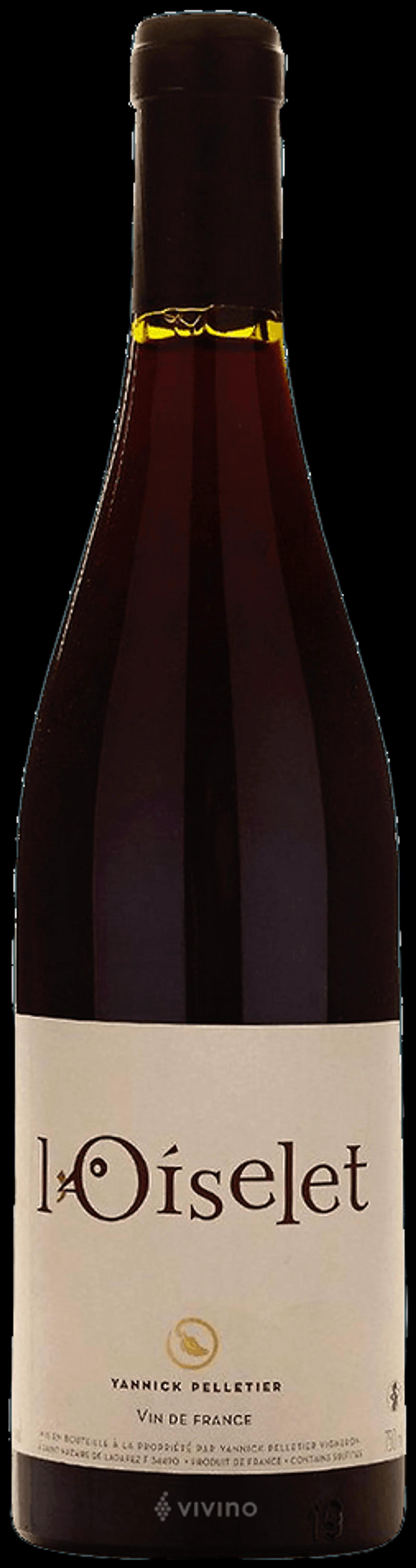
Yannick Pelletier 2022
L'Oiselet
750ml12%
238,39SEK
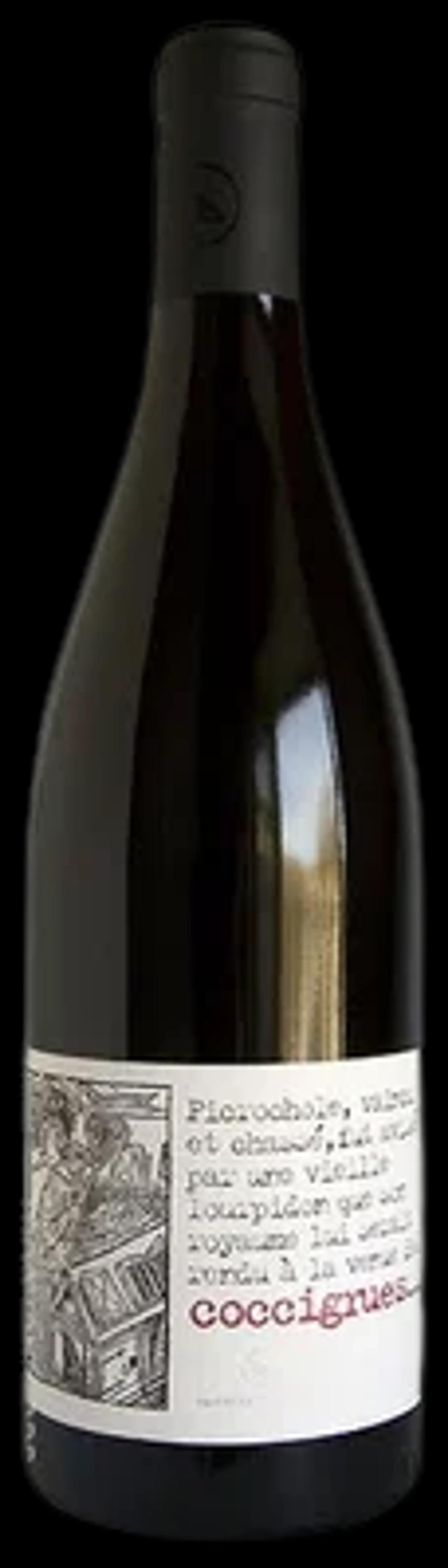
Yannick Pelletier 2021
Les Coccigrues
750ml13.5%
353,62SEK