What does terroir include?
Terroir is usually split into four parts that work together. None of them explains a wine on its own.
- Soil: what the ground is made of, how deep it is and how it holds or drains water.
- Climate: sun, rain, wind and the difference between day and night temperatures.
- Site: altitude, the angle and direction of the slope, and how close it is to lakes, rivers or the sea.
- People: which grapes are planted, how the vineyard is farmed and when the grapes are picked.
Climate: warmth brings ripeness, cool brings acidity
A warm climate gives ripe grapes with more sugar, which means more alcohol, more fruit and often lower acidity. A cooler climate gives lighter wines with higher acidity and more freshness. The gap between day and night matters just as much. Cold nights after warm days slow down ripening, so the grapes have time to build flavour without losing their acidity.
Climate is not only about how far north a place lies. Alsace sits in the rain shadow of the Vosges mountains and is one of the driest wine regions in France, despite being so far north.
Site: altitude, slope and water
Within one region, the site can make a big difference. A south-facing slope gets more sun in the northern hemisphere, and a steep slope drains water away. For every hundred metres you climb, the temperature drops by about 0.6 degrees. In Trentino-South Tyrol, vineyards run from the valley floors up to around 1,000 metres above sea level, and altitude often decides which grapes are planted where. A nearby lake or river evens out the temperature and lowers the risk of frost.
Soil
The soil affects how much water and nutrients the vine gets, and with that the style of the wine. Limestone often gives wines with high acidity and a firm structure, clay holds water and often gives fuller wines, and gravel and stone drain well and warm up quickly. Read more about the most common soil types and what they do to wine on the page Soil types and wine.
People and tradition
Terroir is also about knowledge passed down through generations: which grapes thrive where, how to prune and when to harvest. In Burgundy, monks and growers spent centuries mapping which vineyards give which wines, and the division into small named plots, the climats, still applies today. Many growers believe that place comes through more clearly when as little as possible is added in the cellar, for example by fermenting with wild yeast.
Same grape, different places
The clearest way to understand terroir is to compare the same grape from different places.
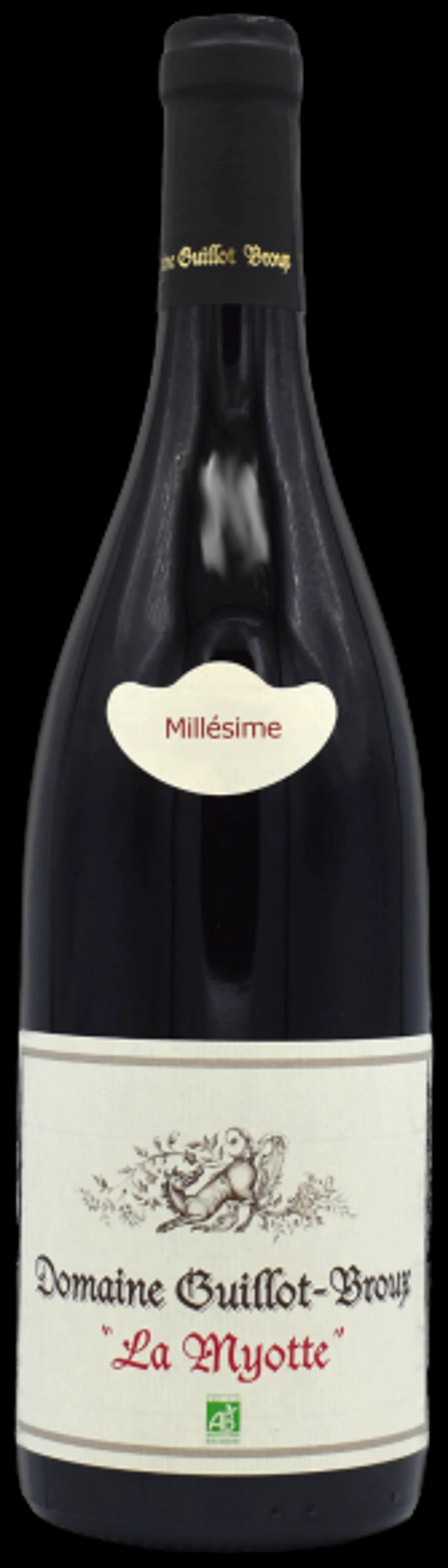
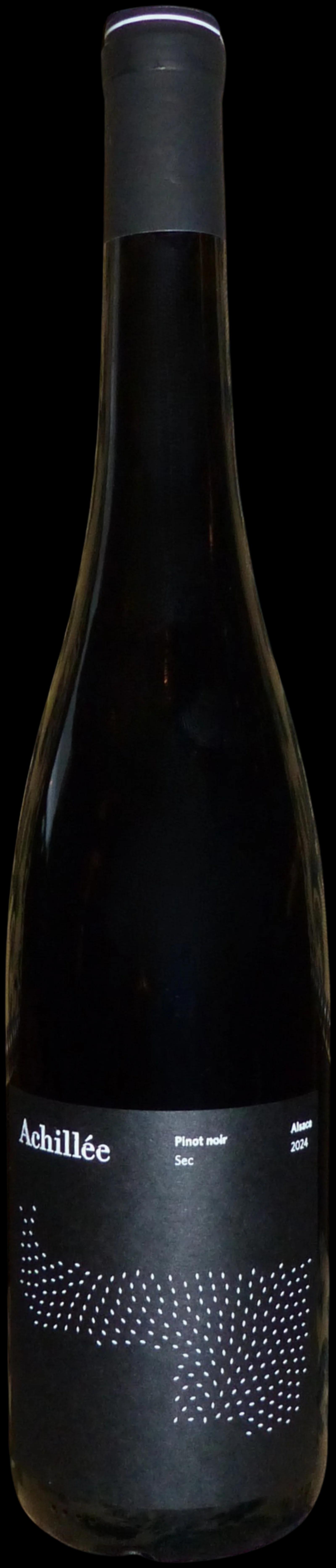
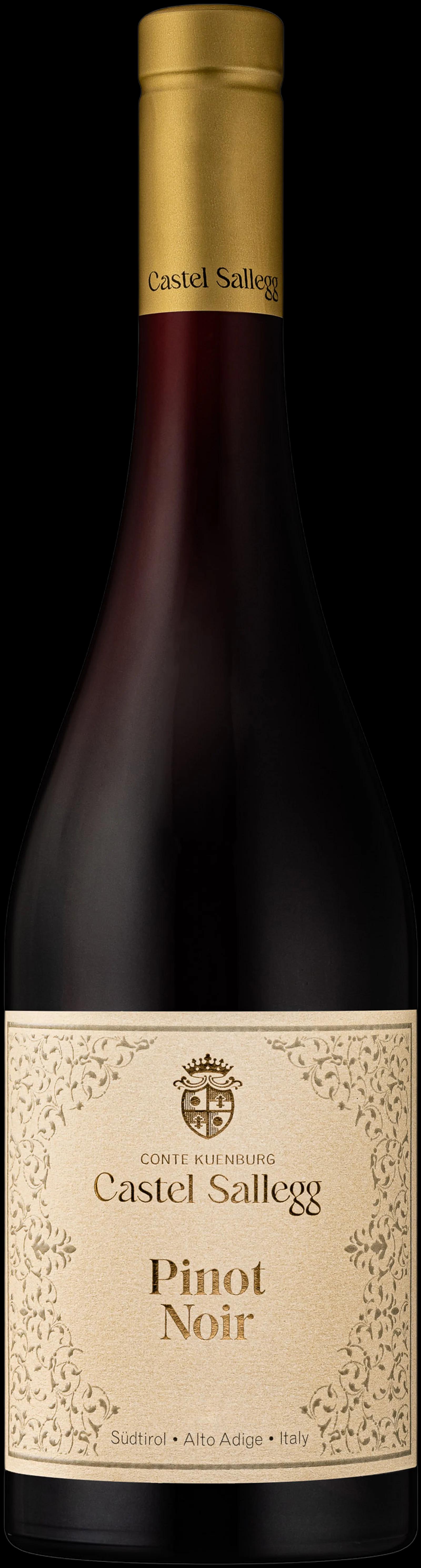
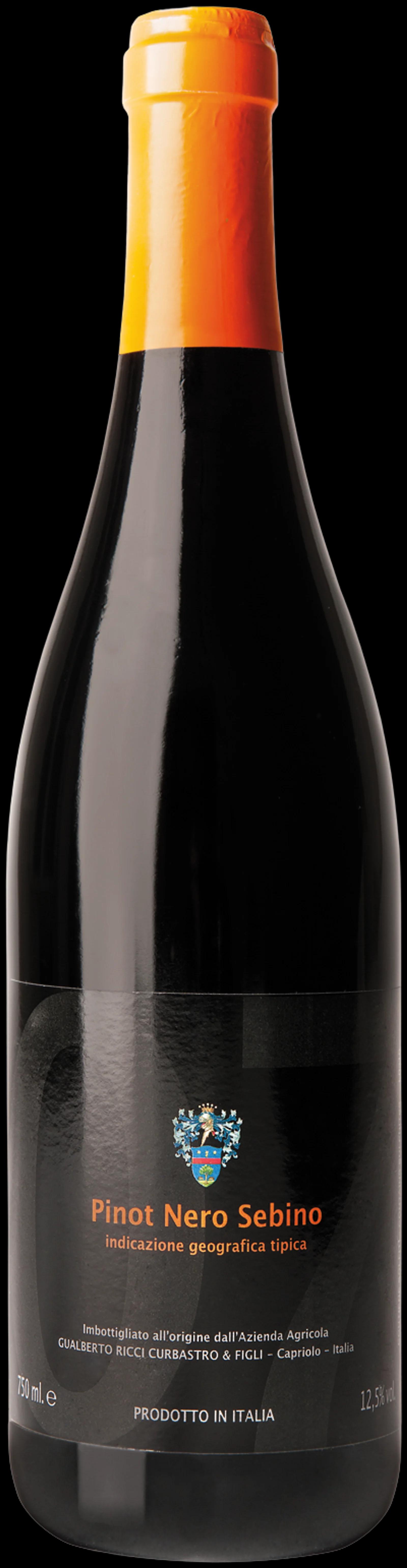
- Pinot Noir: in Burgundy it often grows on limestone and clay and gives wines with red fruit and high acidity. In South Tyrol, altitude brings cool nights and freshness, and in Alsace it grows on everything from limestone to granite.
- Chardonnay: in Chablis, on limestone-rich marl in a cool climate, the wine turns out taut and fresh. Further south in the Mâconnais it becomes rounder and fruitier, and on the chalk of Champagne it is the base for sparkling wine.
- Nebbiolo: in Piedmont, Barolo and Barbaresco lie only about 20 kilometres apart, but differences in soil, altitude and closeness to the Tanaro river mean the wines often differ.
Terroir on the label
Many European classifications are built on terroir. An appellation, such as AOC in France or DOCG in Italy, marks out an area and sets which grapes and methods may be used there. The smaller and more precise the area named, the more the label tells you about the place. In Burgundy the scale runs from regional wines to Premier Cru and Grand Cru, and in Barolo and Barbaresco wines may name specific vineyard areas, known as MGA. There is more about these systems on the page Wine classifications.
How to notice terroir in the glass
Terroir is easiest to pick up when you compare. Choose two wines from the same grape, ideally from the same vintage but from different places, and taste them side by side. Look at the acidity, the body, the character of the fruit and the structure. A wine from a cooler site often has higher acidity and a lighter body, while a warmer site gives riper fruit. Keep in mind that the winemaker's choices, such as oak and harvest date, also play a part, so the differences are never only about the place.