What is a wine classification?
A wine classification ties a wine to a defined origin and to the rules that apply there: which grapes are permitted, how much may be harvested per hectare and sometimes how long the wine must be aged. Within the EU there are two protected levels. The highest is protected designation of origin (PDO), and below it comes protected geographical indication (PGI). Each country has its own names for the levels, and those are what you see on the label.
The idea behind the system is closely related to terroir: a defined area with its own soil and climate gives wines a shared character. The classification protects that origin.
Classifications country by country
France: AOC, IGP and Vin de France
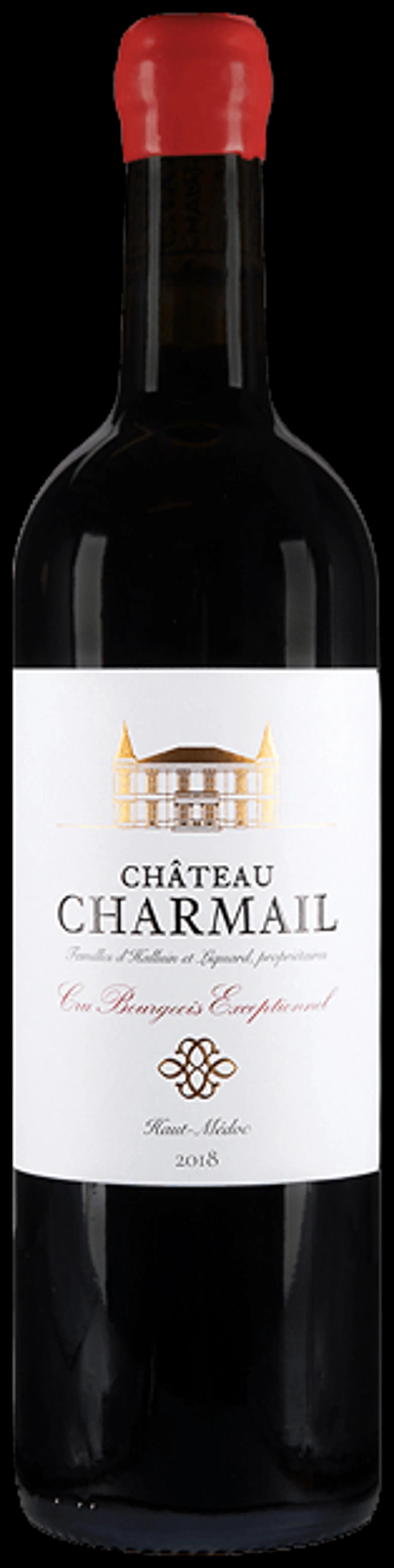
AOC (Appellation d'Origine Contrôlée), today often AOP on the label, is the strictest level. In Burgundy there is also a ladder within AOC: regional appellation, village, Premier Cru and Grand Cru. IGP, formerly Vin de Pays, has looser rules on grapes and yields. Vin de France states only the country as its origin.
Italy: DOCG, DOC and IGT
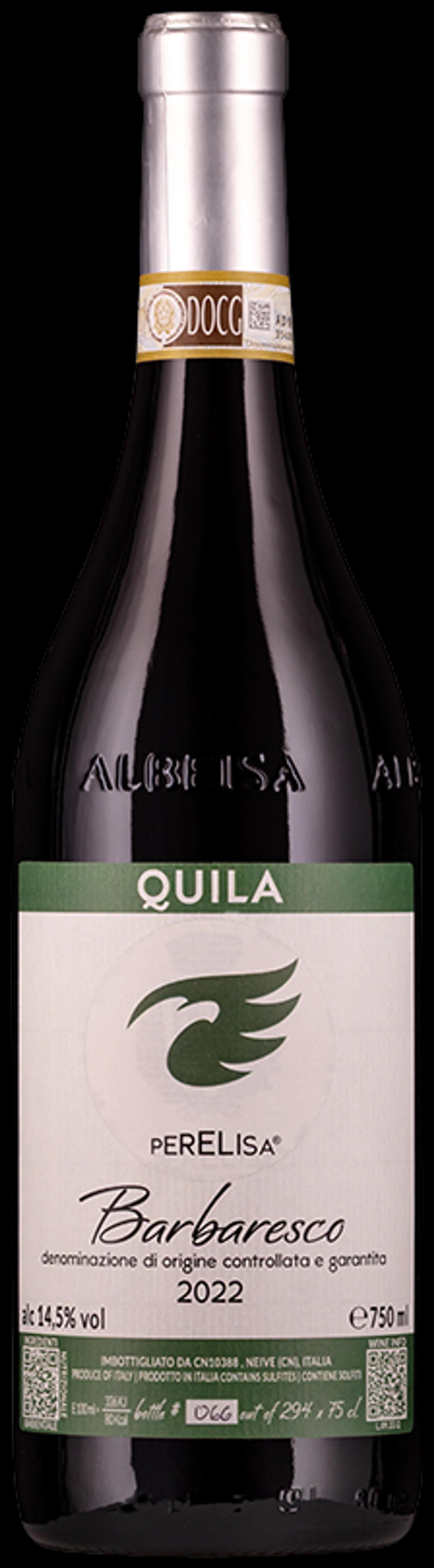
DOCG (Denominazione di Origine Controllata e Garantita) is Italy's highest level. The wine must pass both analysis and tasting before it can be sold, and the bottle carries a numbered state seal around the neck. Examples are Barolo and Barbaresco in Piedmont and Chianti Classico in Tuscany. Then come DOC, IGT and plain Vino. Riserva on the label means the wine has been aged longer than the basic version.
Spain: DOCa, DO and Vino de la Tierra
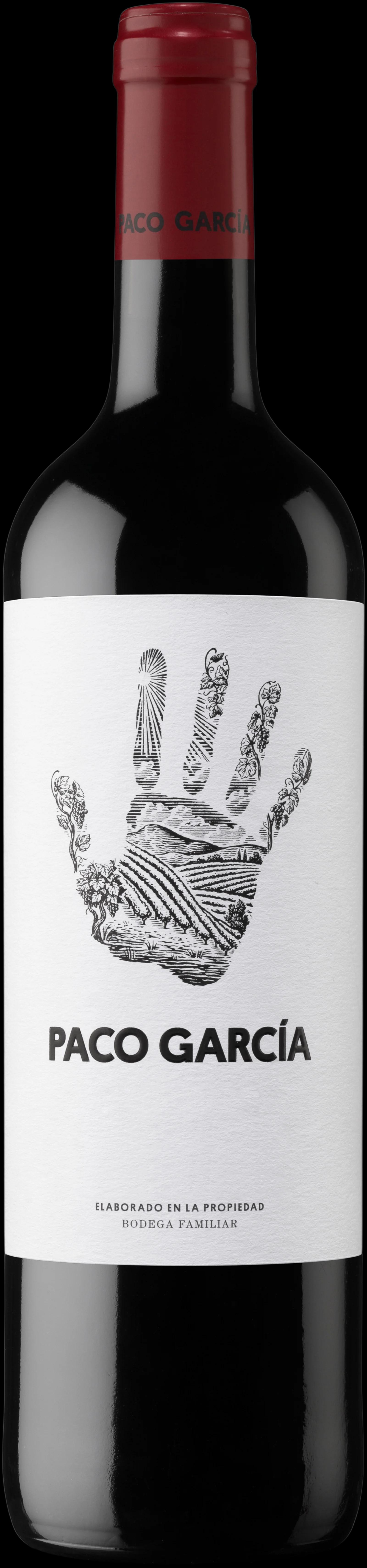
DOCa is the highest regional level and exists only for Rioja and Priorat, which is written DOQ in Catalonia. Vino de Pago applies to individual estates with their own designation. Then come DO, for example Ribera del Duero and Bierzo, and Vino de la Tierra, a looser regional level. In Rioja, Crianza, Reserva and Gran Reserva also show how long the wine has been aged.
Austria: DAC
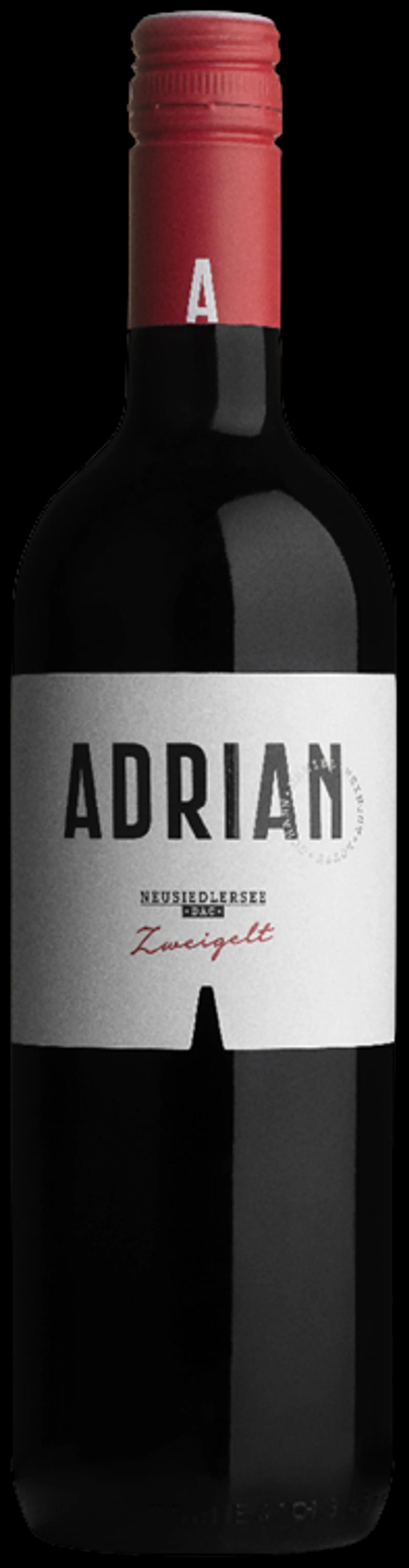
DAC (Districtus Austriae Controllatus) ties an area to a typical grape and style, for example Grüner Veltliner in Weinviertel DAC or Zweigelt in Neusiedlersee DAC in Burgenland. Within the DAC areas, wines are often divided into three steps: Gebietswein from the area, Ortswein from a village and Riedenwein from a single vineyard.
Germany: from Deutscher Wein to Prädikatswein
German wine law has four levels:
- Deutscher Wein: wine whose only stated origin is Germany, the level formerly called Tafelwein.
- Landwein: the PGI level, with looser rules within a larger area.
- Qualitätswein: the PDO level, from one of Germany's 13 wine regions, for example Mosel or Pfalz.
- Prädikatswein: PDO wine graded by the ripeness of the grapes at harvest, from Kabinett and Spätlese, which is harvested later, through Auslese and Beerenauslese to Eiswein and Trockenbeerenauslese.
With the 2021 wine law, the emphasis shifts towards origin, as in France: the smaller and more precise the origin, the stricter the rules. The pyramid runs from wine region through district and village (Ortswein) to single vineyard (Lagenwein), and the changes are being introduced gradually with transition periods.
Alongside the law there is the VDP, an association of German wine estates with its own four-step pyramid: Gutswein, Ortswein, Erste Lage and Große Lage. A dry wine from a Große Lage is called Großes Gewächs, abbreviated GG. You will find more examples among German wines.
What the classification does not tell you
A stricter level means stricter rules, not automatically a wine that suits you. The grower and the vintage matter at least as much. The classification also says nothing about how the grapes were farmed, because organic and biodynamic farming are separate certifications. On our wine pages, the classification is shown under Product details, on the Classification line, and any certification on the Certification line.
Why do so many natural wines "only" say Vin de France?
Many growers end up outside the appellation or choose to leave it. This may be because they use grapes or methods the rules do not allow, or because the wine is rejected at the appellation's tasting panel for being considered atypical, which unfiltered natural wines often are. That is why high-quality natural wines often carry Vin de France or IGT.