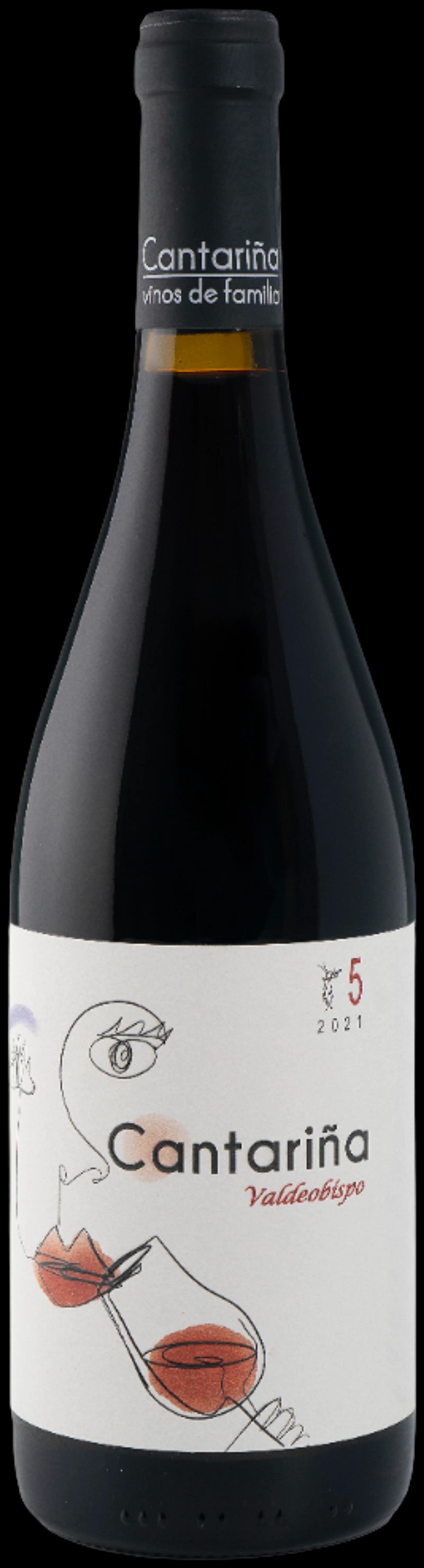
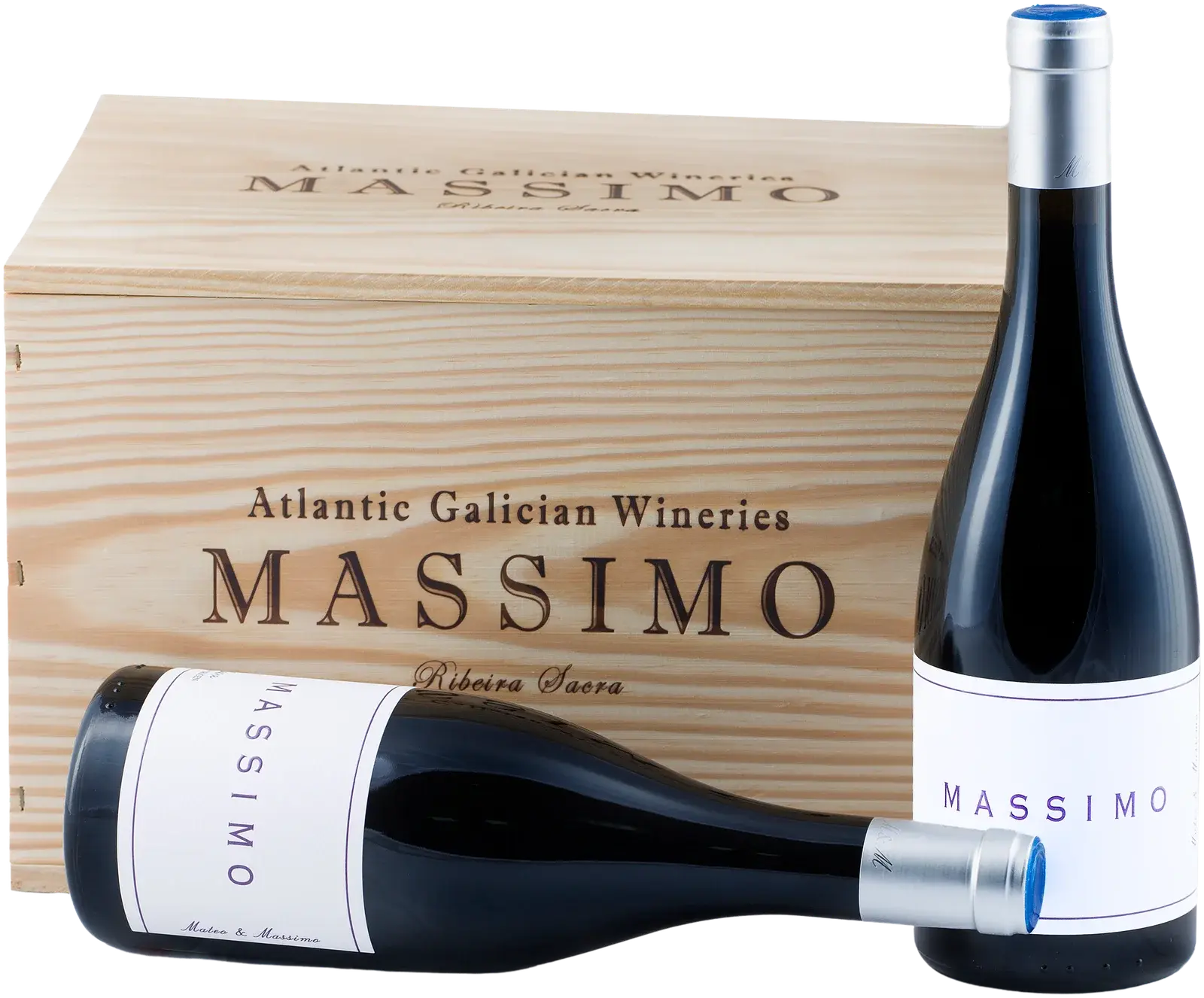
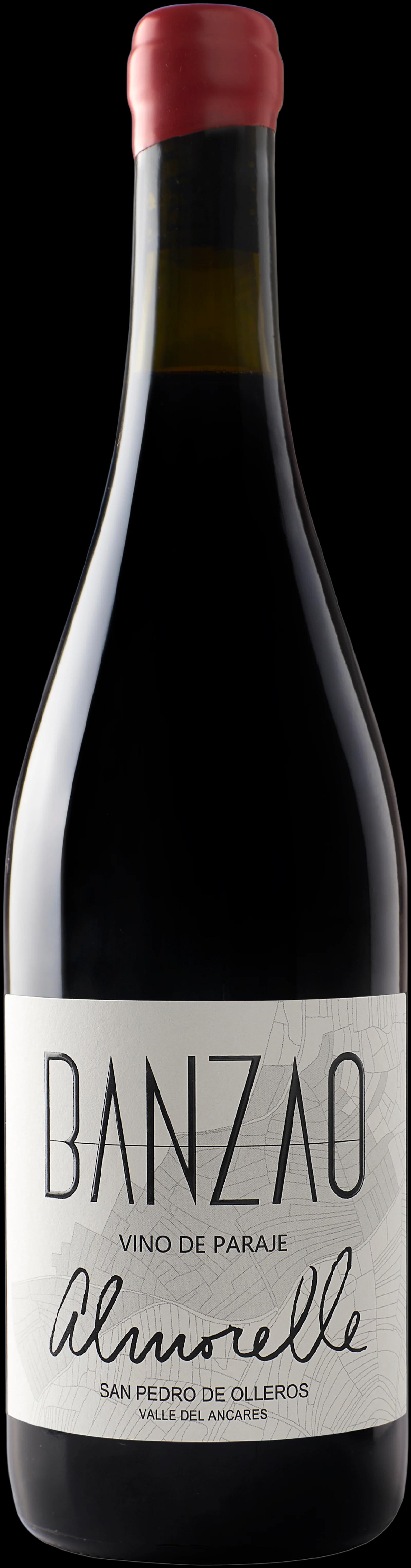
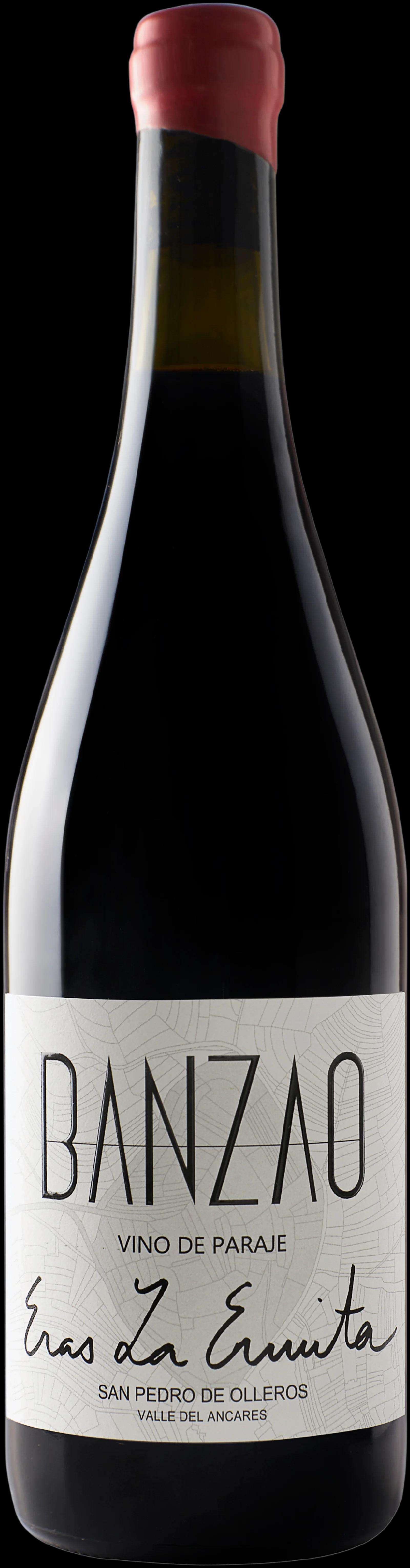
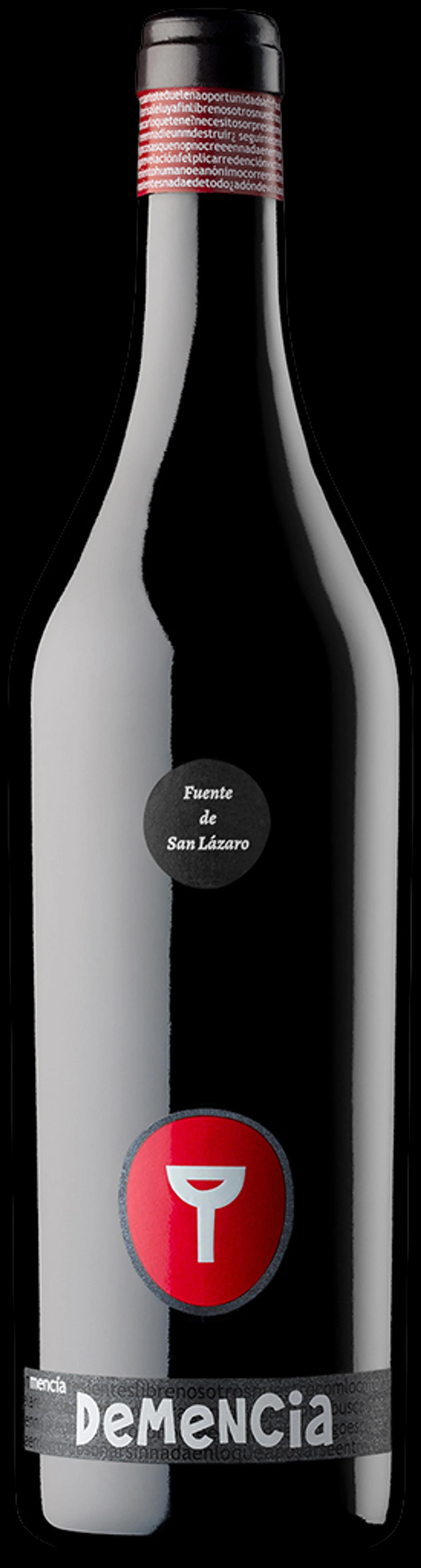
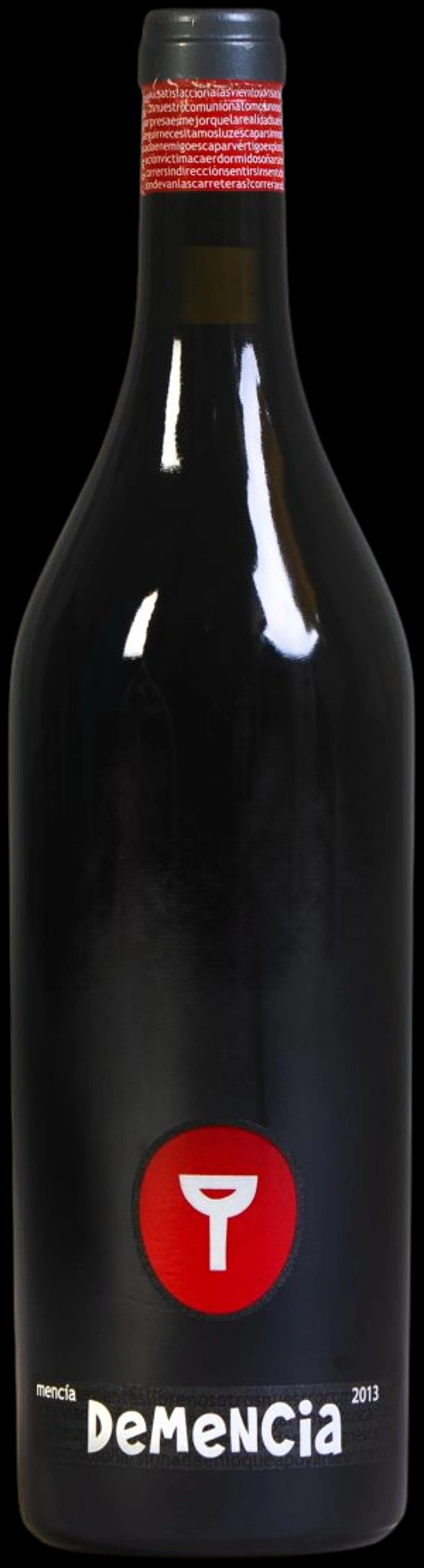
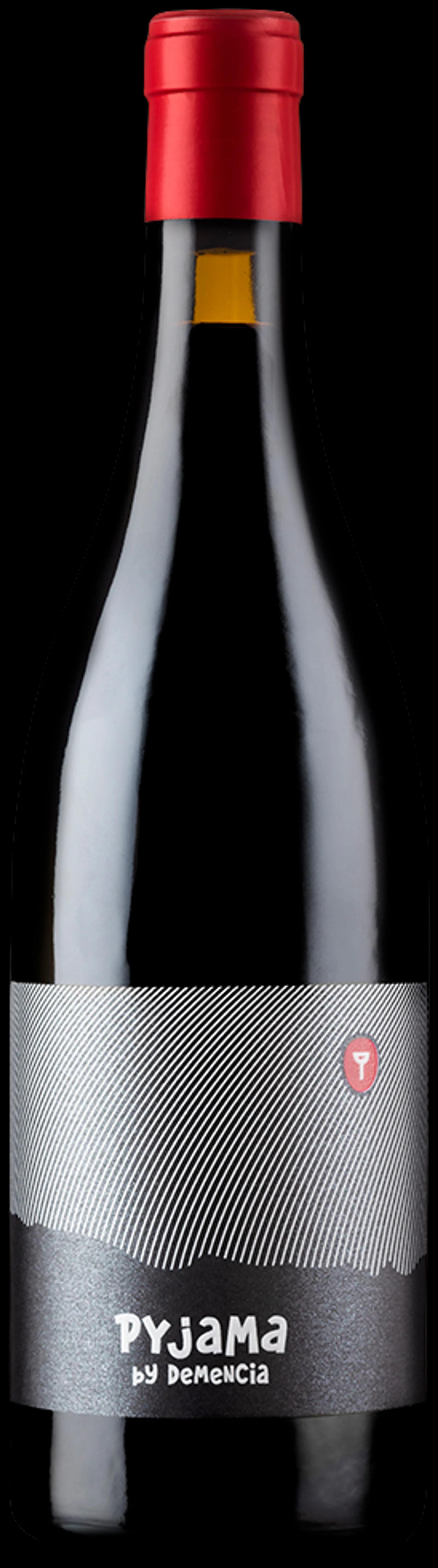
Mencía in Spain: soil, altitude, and why the northwest matters
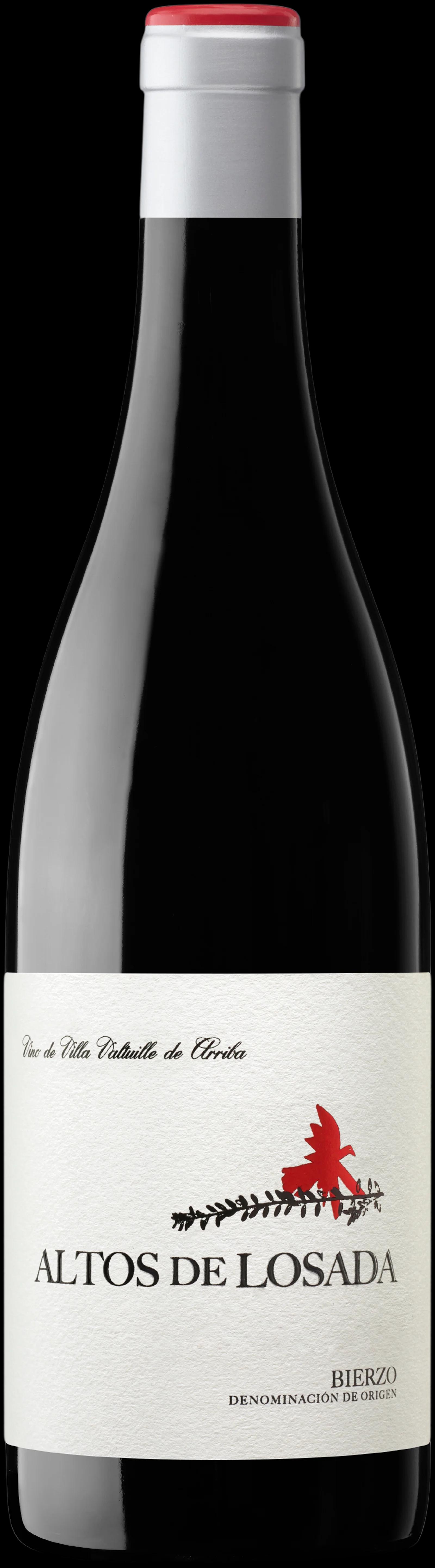
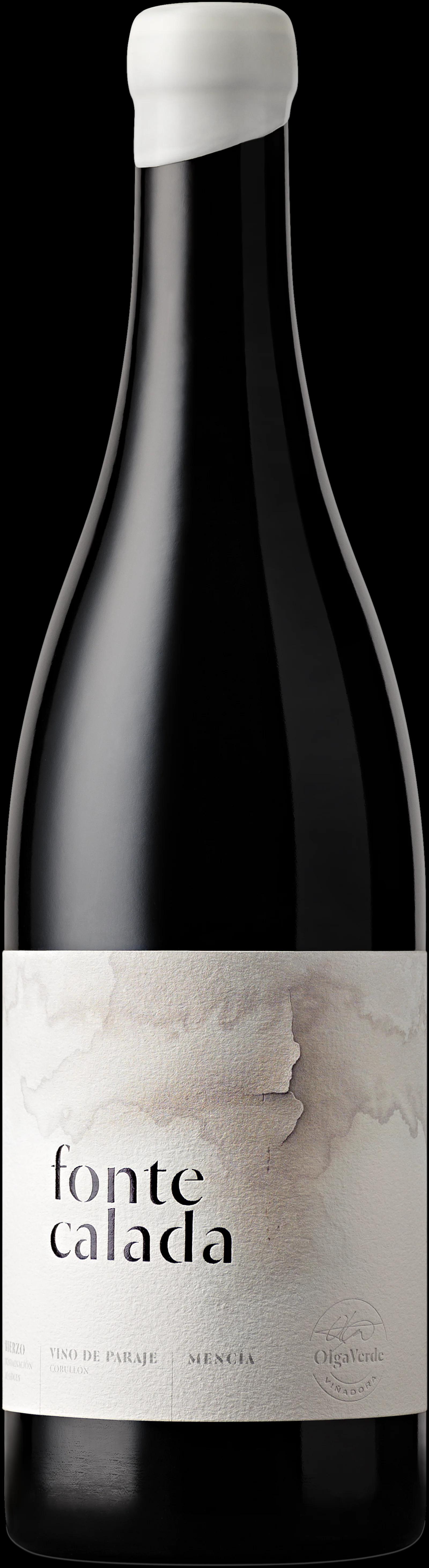
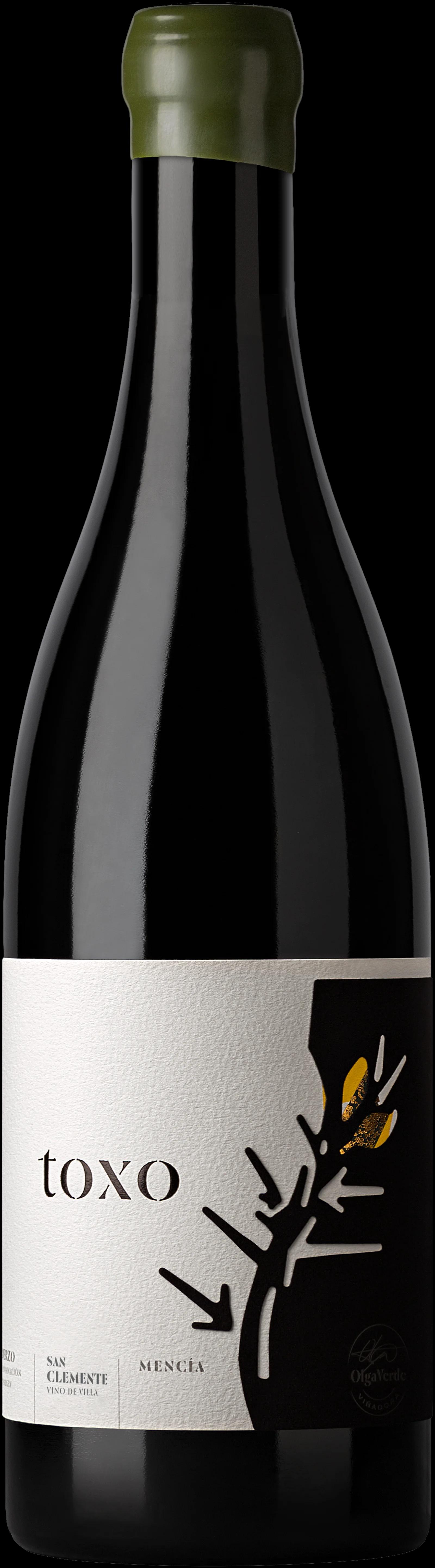
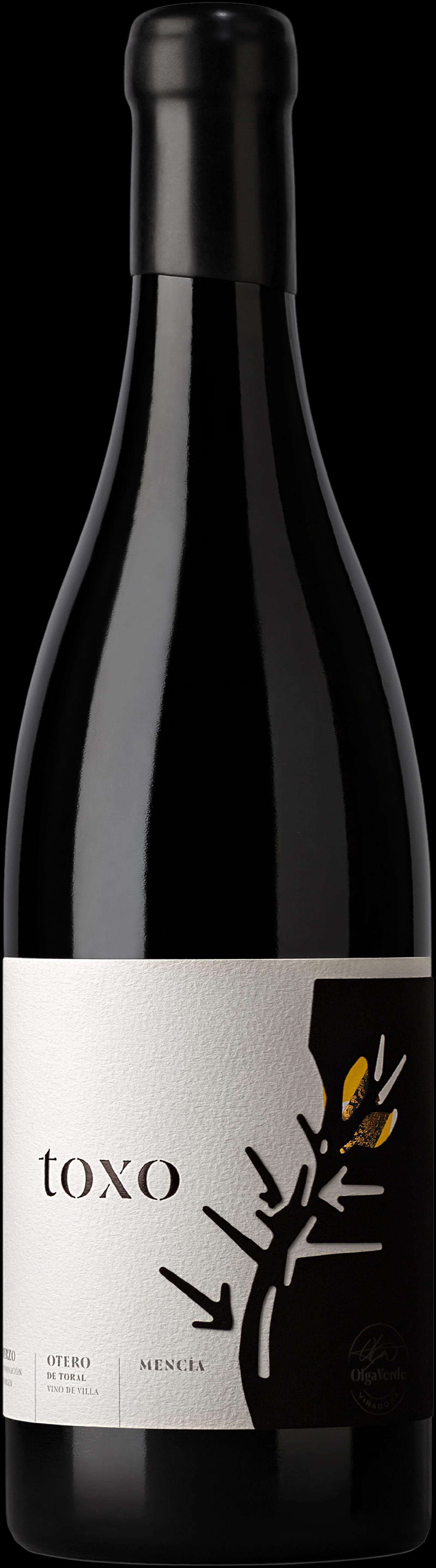
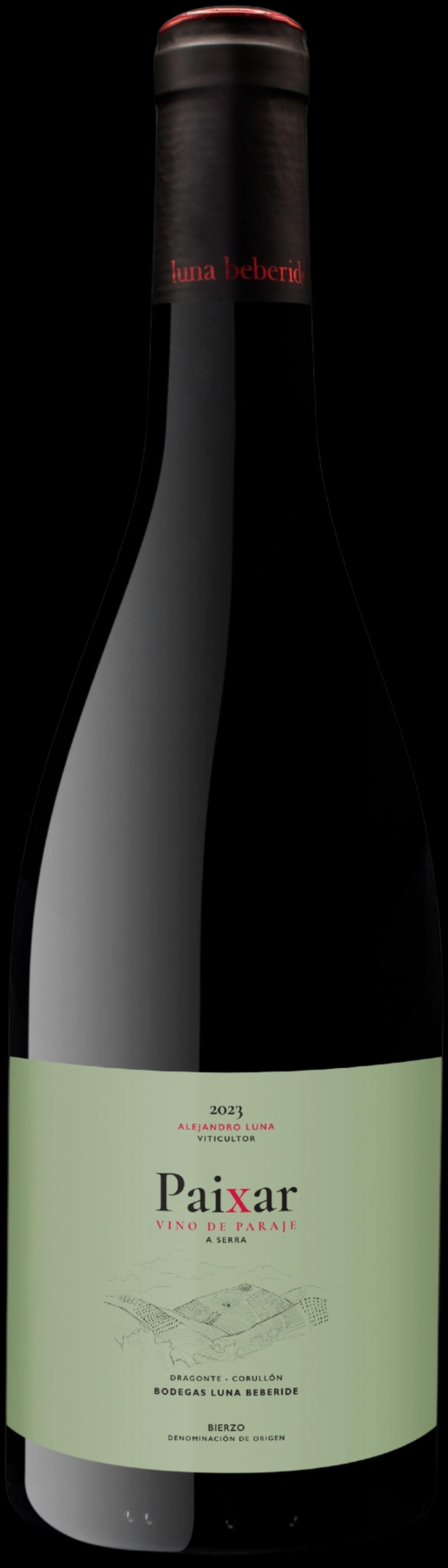
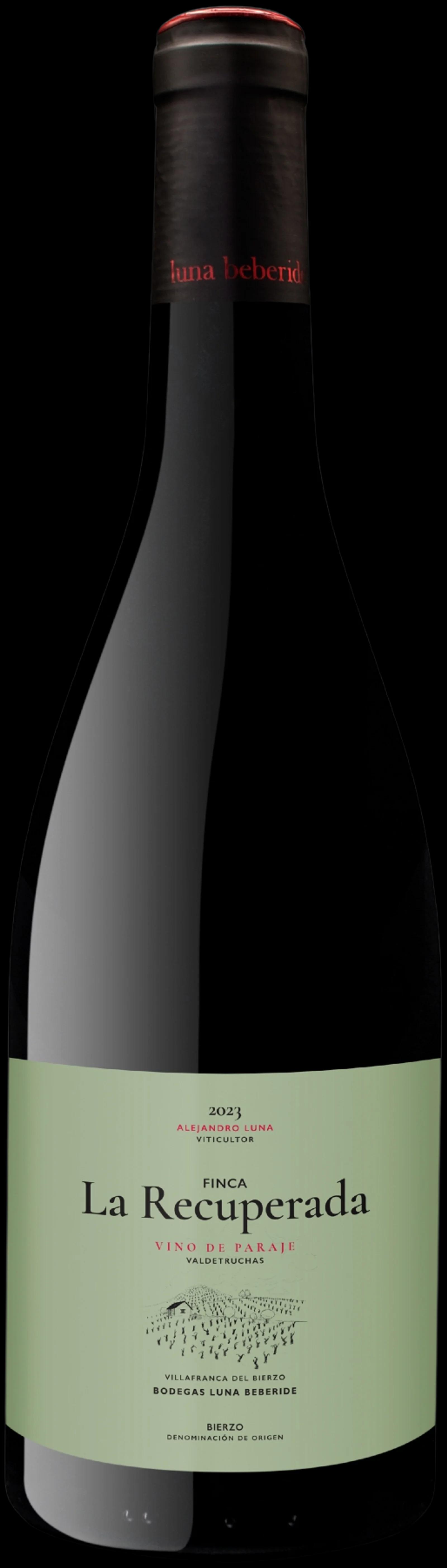
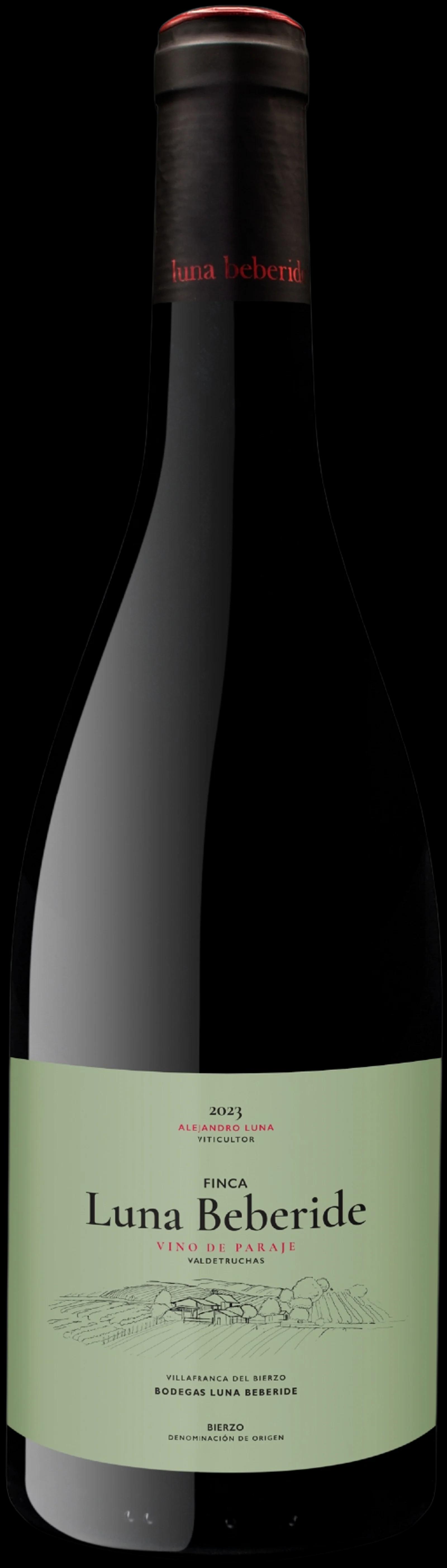
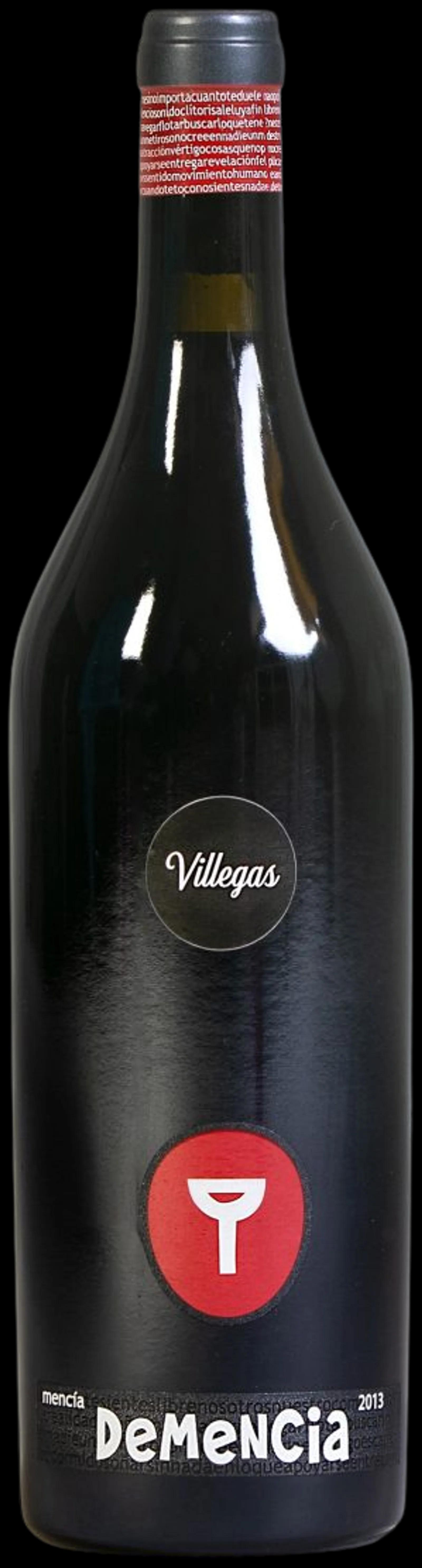
Mencía is concentrated in Spain's green northwest, primarily in Bierzo, Ribeira Sacra, and Valdeorras. These are not warm, flat, plateau-style wine regions. Bierzo sits at 450–900 metres above sea level, with slopes so steep that mechanical harvest is not possible in the best plots. Soils shift between slate, quartzite, and clay depending on altitude and aspect. Slate retains heat overnight and drains sharply, pushing the vine to develop concentration without accumulating excess sugar. The result is a red wine with moderate alcohol, often 12.5–13.5%, and more structural precision than most warm-climate Spanish reds.
Ribeira Sacra adds another layer of complexity. The Sil and Miño river canyons cut through Galicia at depths that create microclimates sitting outside the Atlantic influence that dominates the coast. Granite soils here produce a different Mencía profile from Bierzo slate: lighter-framed, with higher-toned aromatics and less tannic density. Valdeorras, though better known for Godello, carries a smaller volume of Mencía that shares the granite signature.
Producers working Mencía in these regions are predominantly small estates farming their own vines. Many of the oldest plots are ungrafted or pre-phylloxera massal selections. Vine age in Bierzo can exceed 80 years in the classified Pago and Viñas Viejas designations, which require minimum vine ages and lower maximum yields. The gap between a young-vine and old-vine Mencía from the same producer is measurable in extract, texture, and how the wine develops over three to five years in bottle.
How Mencía compares to other Spanish red grapes
Mencía sits in a different structural category from the grapes that dominate Spanish red wine export volumes. Tempranillo from Rioja is typically oak-shaped, fruit-forward, and built for wider palatability. Garnacha in Aragon and Catalonia runs toward riper, rounder profiles with higher alcohol in warm vintages. Monastrell from Murcia is a heat-adapted grape that produces dense, extracted wines at alcohol levels that regularly exceed 14%.
Mencía's combination of Atlantic-influenced growing conditions, high-altitude sites, and thin-skinned berries produces a red wine that sits closer in weight and acidity to northern Italian or Burgundian styles than to the Spanish mainstream. Genetic research has established a close relationship between Mencía and Cabernet Franc, which partly explains the structural similarity: both grapes show herbaceous aromatic notes, firm but fine tannins, and a tendency toward graphite and dark fruit rather than jammy warmth.
This is not a wine that follows the commercial logic of Spanish reds optimised for international export scores. Producers who choose to work with old-vine Mencía in steep terraced plots are accepting lower yields, higher labour costs, and a smaller consumer base in exchange for wines with genuine site expression. No buyer with quarterly targets is selecting these wines for a supermarket shelf. The producer decides if they want to be here, and what is here.
For context on other regional reds from Spain, the Spanish red wine overview covers the broader picture. For Mencía outside Spain, the Mencía grape page includes producers from Portugal's Dão where the grape is known as Jaen.
Styles of Mencía from Spain and what shapes them
Mencía is not a single style. Production decisions at the winery level create significant variation even within the same appellation. The two main axes are oak use and maceration length.
Producers opting for shorter maceration, 8–12 days, and neutral or no oak produce Mencía that is transparent, high-acid, and aromatic. These wines show the grape's naturally vivid fruit and the mineral signature of slate or granite most clearly. They are typically bottled within 12 months of harvest and drink well young.
Longer maceration and new or semi-new French oak shifts the profile toward more structured, tannic wines with greater extract and a longer projected development window. The best of these come from classified old-vine plots in Bierzo and can develop over 8–12 years without losing primary character. The risk with this approach is that heavy oak can flatten the site expression that makes old-vine Mencía worth seeking out in the first place.
A third approach, gaining traction among younger producers, involves amphora or concrete ageing with extended skin contact. This preserves Mencía's natural acidity while adding textural complexity without oak flavour. These wines tend to show the varietal most clearly and are where the Cabernet Franc genetic connection is most apparent in the glass.
For producers working across the northwestern Spanish regions, the all wineries in Spain page includes estates with verified production details. The Spain wines overview provides regional context across all varieties. For comparison with the Atlantic-influenced wines of western Spain, the Godello page covers the white wine equivalent from the same geographic pocket.