





Kerner wine: an aromatic white from the Alps and beyond

Kerner wine is made from a crossing of Riesling and Trollinger, developed in Germany in the 1960s to bring Riesling-like character to cooler, higher-altitude sites. The producers below grow it from the South Tyrol to the Pfalz and beyond.

Bred for cold climates, Kerner ripens late and holds its acidity even where Riesling struggles.

Color

Dropdown arrow

Type

Dropdown arrow

Country

Dropdown arrow

Region

Dropdown arrow

Grape

Dropdown arrow

Pairing

Dropdown arrow

Sort by

Sort arrow
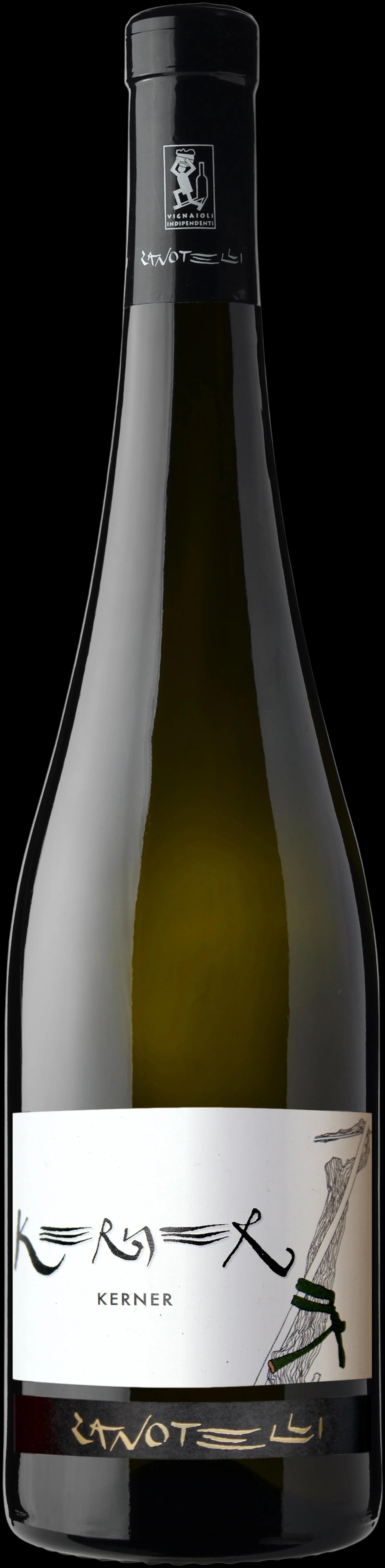
Kerner

Kerner wines

Kerner was bred in the 1960s at the Weinsberg viticultural institute in Württemberg, crossing Riesling with the red Trollinger grape. The aim was a variety that would ripen reliably in Germany's cooler, higher sites while keeping the aromatic intensity Riesling is known for. It succeeded: Kerner produces wines with firm acidity, floral lift, and sometimes a flinty mineral edge, depending on the soil and altitude where it is grown. On Free Grape Society, each bottle is shipped directly from the grower's own cellar, with no importer or warehouse in between.

1 of 1 wine

Previous1 of 1Next

Wineries

The growers below work with Kerner across a range of climates and elevations — from the steep, south-facing slopes of the South Tyrol to lower-altitude sites in Germany. Reading a producer's own notes about why they chose to plant Kerner, and what the soil and exposure give them, is usually the quickest way to understand what their wines will taste like. The wine-advice service is there if you would rather talk it through before ordering.

View all wineries

Wine experts

Kerner is not a grape with a large critical literature, which makes an independent view more useful than usual. Independent wine experts review wines they have personally tasted, and their notes are visible on each wine page and on the expert's own profile. Several of the experts below have reviewed Kerner wines featured on this page, so you can read what they found before deciding.

View all wine experts

Frequently asked questions

How do I order a Kerner wine on Free Grape Society?

Browse the Kerner wines above, choose a bottle, and add it to your order. Each wine ships directly from the producer's cellar in a standard bottle order. Delivery takes between 4 and 14 days on average. Free shipping is included, and you can pay by card or with Klarna.

What happens if a bottle arrives broken or doesn't taste right?

Send a photo to Free Grape Society customer support within 7 days of delivery. We will arrange a replacement or a refund. Because producers ship directly, quality issues are handled with the producer's direct involvement. Shared responsibility is built into how FGS works.

Can I order Kerner wines from more than one producer in the same order?

Yes. You can add wines from different producers to the same basket. Each producer ships their own bottles separately from their cellar, so you may receive more than one parcel. Delivery windows and tracking are provided for each shipment individually.

How long does delivery take?

Average delivery is 8 to 9 days from order to door. The full range is 4 to 14 days depending on the producer's location and your delivery address. Wines ship directly from the producer's cellar, not from a central warehouse.

How do I choose between different Kerner wines on the page?

Start with where the grape is grown: high-altitude alpine sites tend to produce tighter, more mineral Kerner, while lower sites in Germany give a broader, fruitier style. The producer's own notes usually explain what drove their choice to plant Kerner and what the site gives them. If you are still unsure, the wine experts on Free Grape Society can help you narrow it down.

What does Kerner wine taste like, and what food does it go with?

Kerner shares Riesling's high acidity and floral aromatics but tends to be slightly fuller and easier to ripen in marginal conditions. Expect stone fruit, citrus blossom, and sometimes a flinty note on alpine examples. It works well with white fish, mild cheeses, and dishes with a little spice — the acidity cuts through richness without overpowering lighter flavours.

Which wine expert can recommend a Kerner wine for me?

The wine experts listed on this page have reviewed Kerner wines personally and can point you toward a bottle that fits what you are looking for. Use the Ask a wine expert service to describe your preferences — style, occasion, food — and receive a recommendation based on what is currently listed.

Why don't you sell supermarket-brand Kerner wines?

Free Grape Society works only with independent producers who grow and bottle their own wine. Supermarket-label wines are typically sourced through brokers, blended at scale, and made to a price point rather than a place. Kerner's character comes from specific sites and elevations — that expression disappears when the grape is bought in bulk. The producers on this page make wine from their own vines and ship it themselves.

Can I buy Kerner wine from a wine merchant or supermarket instead?

Kerner is a niche variety and rarely appears in mainstream retail outside of Germany and the South Tyrol. Specialist wine merchants sometimes carry one or two examples, but the range is usually very limited. Free Grape Society sources Kerner directly from the producers who grow it, so the selection here covers estates that do not appear in general retail at all.

Where Kerner comes from and what shaped it

Kerner is a crossing of Trollinger (Schiava) and Riesling, bred in Germany in the 1960s and named after the Swabian poet Justinus Kerner. It was developed specifically to ripen earlier than Riesling in cooler sites, while keeping much of Riesling's aromatic character — high natural acidity, floral lift, and a tendency toward stone fruit. It found its strongest foothold in Germany's Pfalz and Rheingau, and later in the steep, cold vineyards of Trentino-South Tyrol, where its early ripening is genuinely useful at altitude. A smaller but committed group of growers in Austria also work with it, particularly in Niederösterreich. Outside German-speaking Europe it remains rare, which means most of the bottles you will find come from estates that have grown it for generations rather than as a fashionable addition.

How Kerner tastes, and what to drink it with

In style, Kerner sits close to Riesling but tends to be a little rounder and slightly less taut in cooler vintages. Expect pale straw colour, pronounced floral aromas — elderflower, white blossom — alongside peach, apricot, and sometimes a hint of citrus peel. The acidity is typically high, which makes it versatile at the table: it works well with fresh fish, white asparagus, mild cheeses, and dishes where you want the wine to cut through fat without dominating. South Tyrolean Kerner, grown at higher elevations, tends to be leaner and more mineral than its German counterpart, while Pfalz versions can show a little more body and orchard-fruit weight. If you enjoy Riesling, Gewürztraminer, or Grüner Veltliner, Kerner is a natural next step — it shares the aromatic precision of the first two and the food-friendliness of the third.

Buying Kerner direct from independent producers

Because Kerner is grown mainly by smaller family estates rather than large commercial wineries, buying it through conventional retail can be difficult — it rarely reaches supermarket shelves in volume. On Free Grape Society, the producers who grow it ship directly from their own cellars, which means the bottles arrive in the same condition they leave the estate. There are no importers or warehouses adding handling steps or margin in between. If you want guidance before choosing — whether that is a comparison between a German and a South Tyrolean expression, or advice on a vintage — independent wine experts review wines they have personally tasted, and their reviews are visible on each wine page. You can browse the German wineries and Austrian wineries that work with Kerner, or explore white wines from Germany and white wines from Austria for a broader view of the region. Free Grape Society is a society of producers, independent experts and wine lovers, not a shop.