

Pignola wine from independent producers in Lombardy

Pignola wine is one of the lesser-known permitted grapes of Lombardy's Valtellina, where it grows alongside Nebbiolo on narrow terraced slopes above the Adda river. The producers below work with it as part of a living tradition of mountain viticulture.

A rare indigenous variety of the Valtellina, grown high on steep Alpine terraces.

Color

Dropdown arrow

Type

Dropdown arrow

Country

Dropdown arrow

Region

Dropdown arrow

Grape

Dropdown arrow

Pairing

Dropdown arrow

Sort by

Sort arrow
Pignola

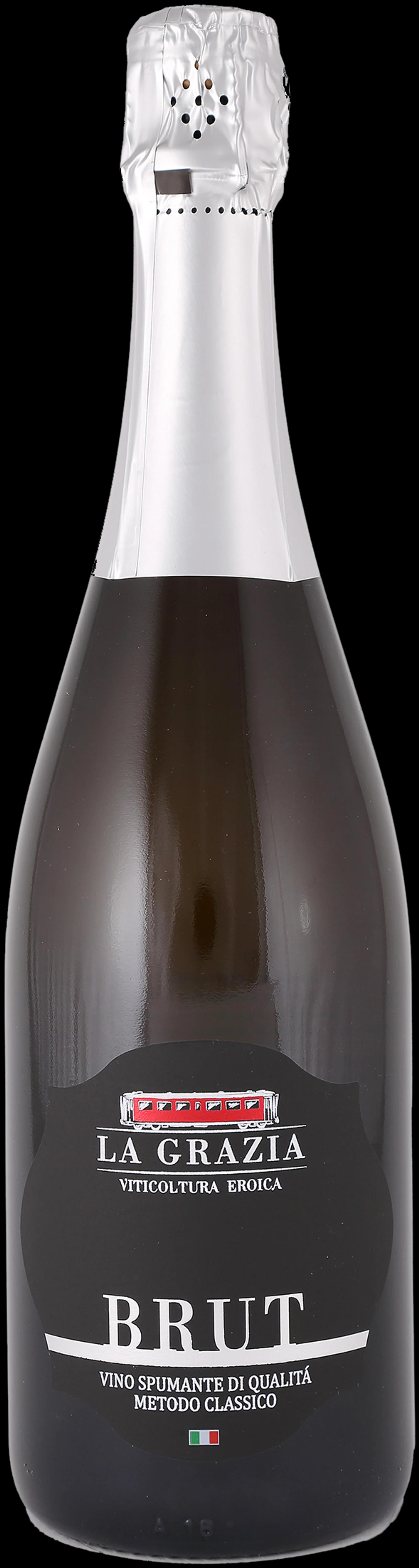
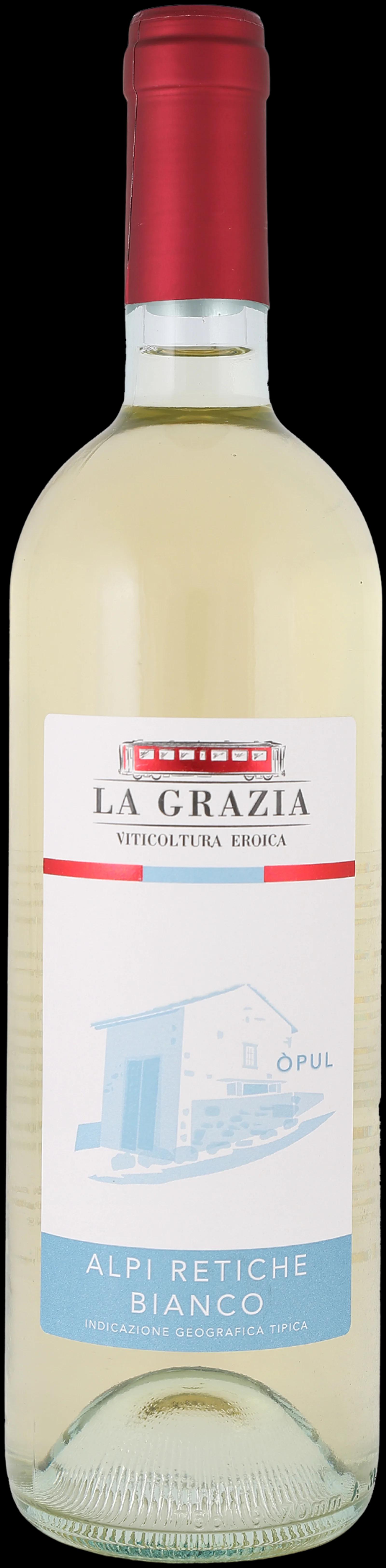
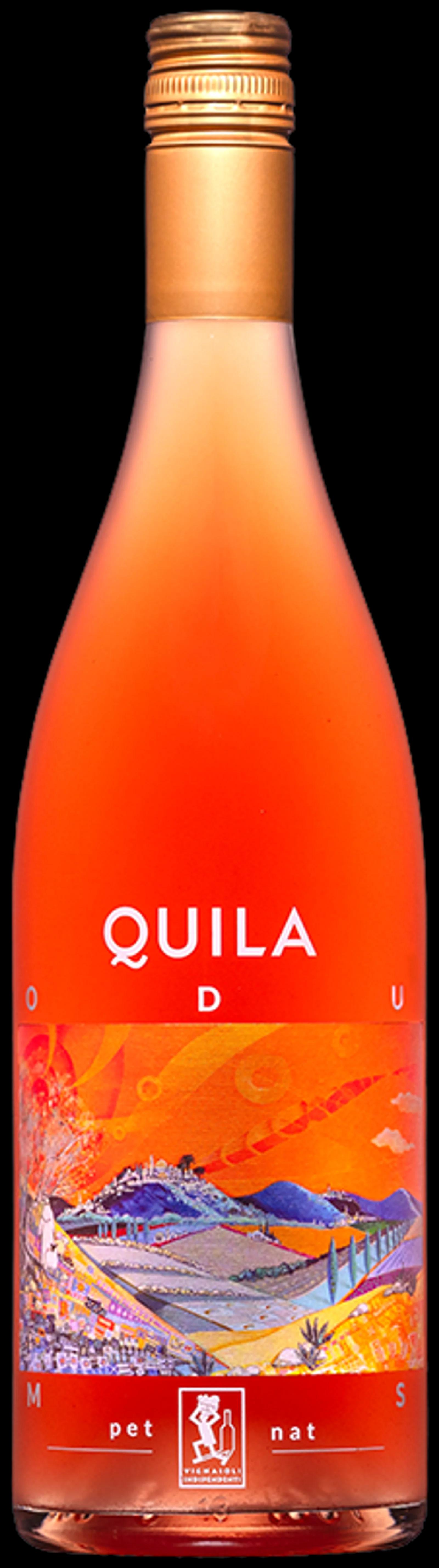
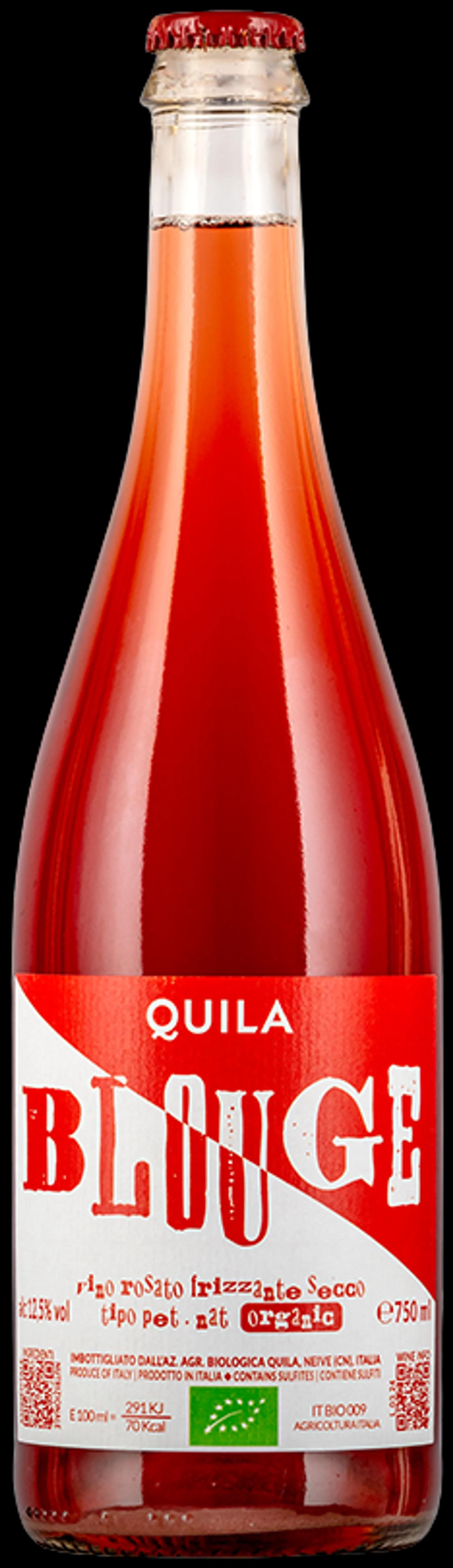
Pignola wines

Pignola is not a widely planted grape, even in its home territory of the Valtellina in northern Lombardy. It is one of several indigenous varieties permitted in blends alongside Nebbiolo, the dominant force in wines like Sforzato and Valtellina Superiore. Growing at altitude on near-vertical terraced slopes, it demands hand harvesting and a level of care that only committed small producers maintain. On Free Grape Society, each bottle is shipped directly from the grower's own cellar, with no importer or warehouse in between.

2 of 2 wines

Previous1 of 1Next

Pignola wine cases

A mixbox is a producer's own selection of six bottles, composed as the recommendation they would make if you visited their cellar in person. For a grape as site-specific as Pignola, that often means tasting it alongside the other indigenous varieties of the Valtellina — a way to understand how it fits into a mountain wine tradition that has changed little in centuries. Free Grape Society is a society of producers, independent experts and wine lovers, not a shop.

View all mixboxes

Wine experts

Pignola is obscure enough that a second opinion is genuinely useful before buying. Independent wine experts review wines they have personally tasted, and their notes are visible on each wine page and on the expert's own profile. Several of the experts below have reviewed wines from the Valtellina and can help you decide whether Pignola is the right choice for what you are looking for.

View all wine experts

Frequently asked questions

How do I order Pignola wine on Free Grape Society?

Browse the Pignola wines listed on this page, add bottles to your cart and complete your order securely with Klarna or card. Each bottle ships directly from the producer's own cellar. Delivery typically takes between 4 and 14 days depending on where the winery is located.

What happens if a bottle arrives broken or doesn't taste right?

Send a photo to Free Grape Society customer support within 7 days of delivery. We will arrange a replacement or a refund. Because producers ship directly, quality issues are handled with the producer's direct involvement. Shared responsibility is built into how FGS works.

Can I order Pignola wine from more than one producer in a single order?

Yes. You can add wines from different producers to the same cart. Each producer ships their own bottles directly, so your order may arrive in separate deliveries. Shipping is free regardless of how many producers you order from.

How long does delivery take?

Average delivery is 8 to 9 days from order to door. The full range is 4 to 14 days depending on the producer's location and your delivery address. Wines ship directly from the producer's cellar, not from a central warehouse.

How do I choose between different Pignola wines on this page?

Pignola appears most often in blends with Nebbiolo and other Valtellina varieties rather than as a single-varietal wine, so the producer's own notes are a useful guide to how much it features and what it contributes. You can also ask a wine expert through the form on this page if you want a recommendation before deciding.

How does the selection of producers who work with Pignola work on Free Grape Society?

Producers apply to join and wines are tasted before listing. Because Pignola is a rare indigenous grape confined largely to the Valtellina, the number of producers offering it is naturally small. The selection reflects who is actually growing and bottling it rather than a curated shortlist.

Which Pignola wine expert can recommend something for me?

The independent wine experts listed on this page have reviewed wines from the Valtellina and surrounding Lombardy regions. Use the ask-a-wine-expert form to describe what you are looking for — a style, a food pairing, a budget — and an expert will respond with a personal recommendation.

Why don't you sell supermarket-brand Pignola wines?

Pignola is a rare indigenous variety grown in very limited quantities on steep Alpine terraces in Lombardy. It does not appear in supermarket ranges. The wines on this page come from small independent producers who grow it as part of a living mountain wine tradition, not at commercial scale.

Can I find Pignola wines in a shop or from a larger retailer?

Pignola is rarely stocked outside specialist Italian wine importers, and even then in very small quantities. Because it is grown almost exclusively in the Valtellina and produced by a handful of estates, buying directly from the producer is often the most reliable way to find it at all.

Where Pignola comes from and what makes it rare

Pignola is a native red grape from Valtellina, the dramatic Alpine valley in Lombardy where vines are grown on steep, terraced granite slopes above the Adda river. The name comes from the Italian word for pine cone, a reference to the grape's compact, tightly packed clusters. It is one of several indigenous varieties grown alongside Nebbiolo in this northern corner of Italy, though it rarely appears as a single-variety wine — it is more often used in blends to add structure, colour, and aromatic complexity. The grape has a long local history but remains virtually unknown outside Valtellina, which makes the bottles that do exist genuinely hard to find through conventional retail. Producers in the region are listed on the Italian wineries page, and Lombardy wines gives a fuller picture of what the region grows.

How Pignola tastes and what to drink it with

Pignola tends to produce wines with deep colour, firm tannin, and fresh acidity — qualities shaped by the cool mountain climate and the well-drained granite soils of Valtellina. Aromatically, it leans toward dark berry fruit, dried herbs, and earthy, mineral notes that echo the rocky terrain. When blended with Nebbiolo, it contributes structure and depth without dominating the final wine. It suits the kind of food that holds its own against a firm red: braised meats, aged hard cheeses, mushroom-based dishes, and the buckwheat pasta traditional to the valley. If you want to explore other structured Italian reds with a similar Alpine character, Nebbiolo wines and wines from Piedmont are natural companions, both shaped by cool climates and granite-rich soils.

Buying Pignola wine direct from independent producers

Because Pignola is grown by a small number of estates in one specific valley, the producers who work with it tend to know it intimately — some have grown it for generations alongside Nebbiolo and Sassella. On Free Grape Society, wines tasted before listing come directly from producers who bottle and ship their own wines, with no importer or warehouse rerouting the order. That direct relationship matters more with a grape this obscure: the producer's own notes and context are often the most reliable guide to what is in the bottle. Italian wines and Lombardy wines are the best places to start if you want to explore what the region's independent growers are making, and Italy mixboxes offer a way to try several bottles from one producer side by side. Free Grape Society is a society of producers, independent experts and wine lovers — not a shop.