Durello: the high-acid sparkling grape of the Lessini hills

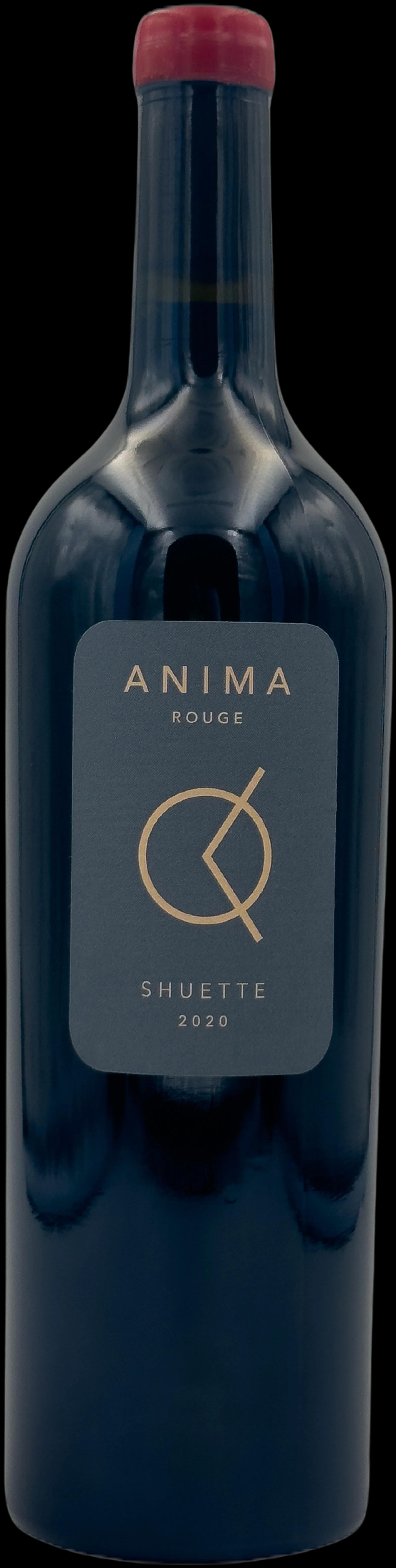
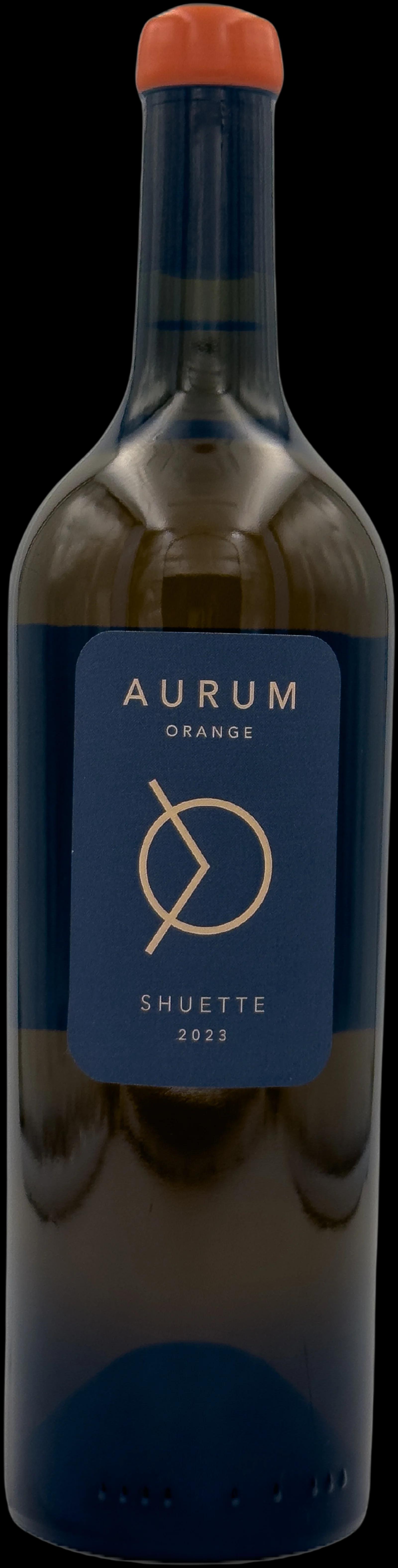
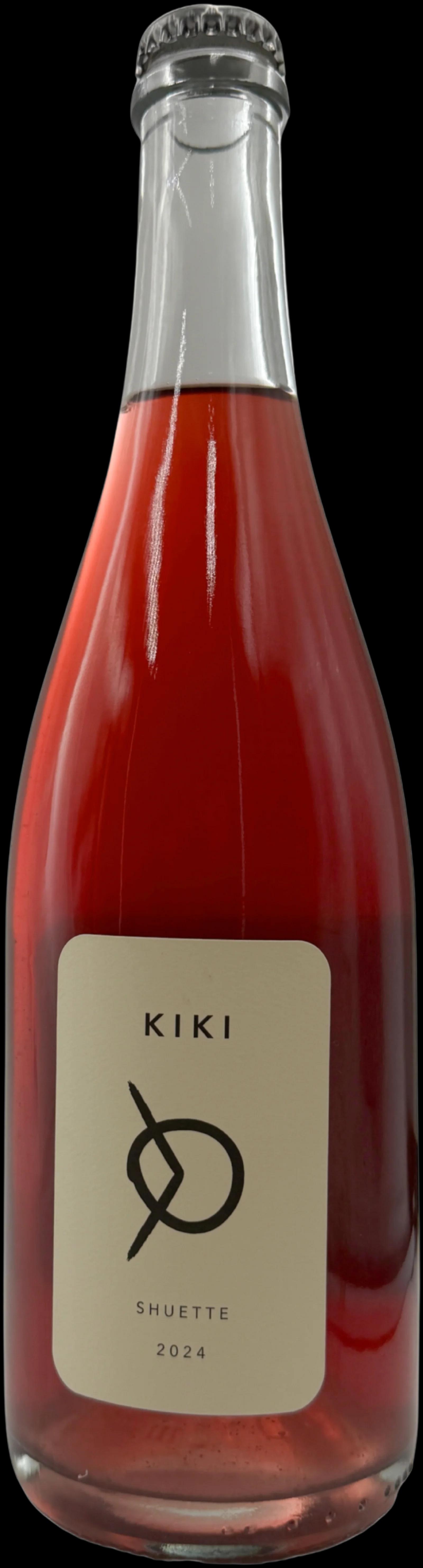
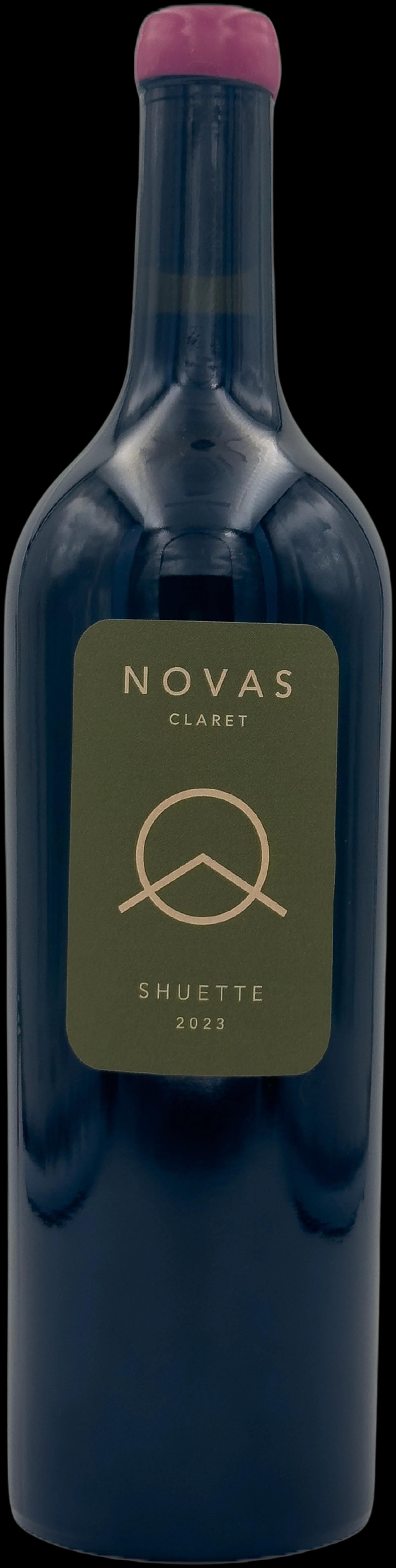
Durello wine is produced from one of Italy's least-travelled native varieties, rooted in the Monti Lessini above Verona and Vicenza. The producers below bottle it still and sparkling, from fresh and citrus-driven to long-aged metodo classico.

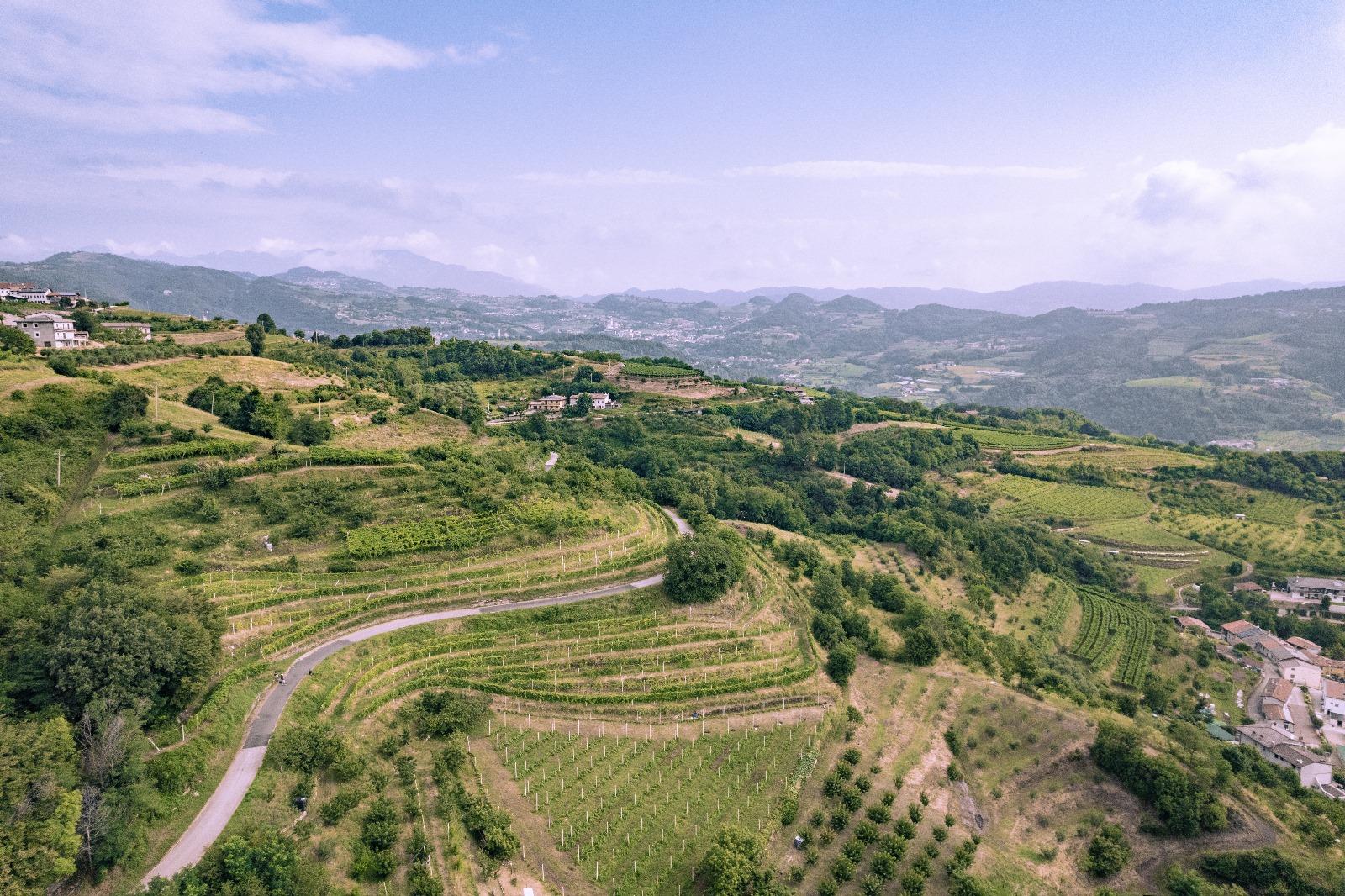
Grown almost exclusively on volcanic soils above Verona, it builds the base of Lessini Durello DOC and Durello Spumante.

Color

Dropdown arrow

Type

Dropdown arrow

Country

Dropdown arrow

Region

Dropdown arrow

Grape

Dropdown arrow

Pairing

Dropdown arrow

Sort by

Sort arrow
Durello

Durello wines

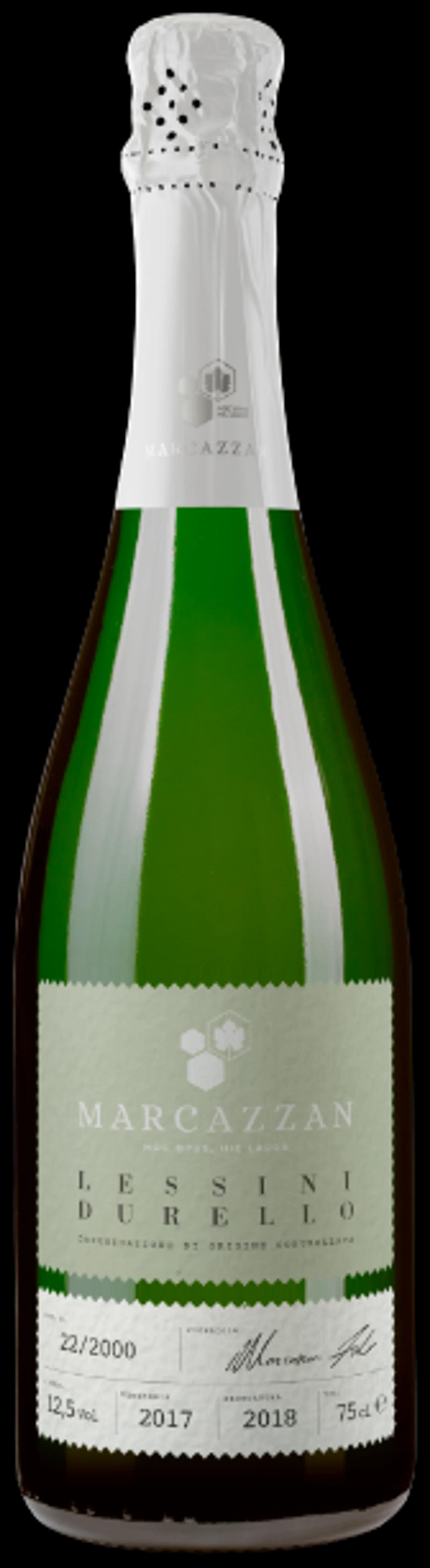
Durello is an ancient variety registered to the Veneto, documented in the hills north of Verona as far back as the twelfth century. The grape's defining trait is its acidity — higher than most Italian whites and stable even in warm summers, which makes it well suited to sparkling production. The Lessini Durello DOC covers the Monti Lessini plateau, where volcanic basalt and limestone retain freshness through the growing season. On Free Grape Society, each bottle is shipped directly from the grower's own cellar, with no importer or warehouse in between.

1 of 1 wine

Previous1 of 1Next

Durello wine cases

A Durello mixbox is a producer's own selection of six bottles, assembled as the recommendation they would make if you visited the estate. With a grape that spans still, frizzante and long-aged metodo classico styles, a producer's own six-bottle choice is often the clearest way to understand how they work with the variety. Free Grape Society is a society of producers, independent experts and wine lovers, not a shop.

View all mixboxes

Wine experts

Durello's firm structure and high acidity make it a grape that rewards a second opinion. Independent wine experts review wines they have personally tasted, and their notes are visible on each wine page and on the expert's own profile. Several of the experts below have reviewed Durello wines featured on this page, so you can read what they found before deciding.

View all wine experts

Frequently asked questions

How do I order Durello wine on Free Grape Society?

Browse the Durello wines listed above, add bottles to your basket and complete your order through Klarna or card payment. Each bottle ships directly from the producer's cellar. Delivery takes between 4 and 14 days depending on the estate's location in Italy.

What happens if a bottle arrives broken or doesn't taste right?

Send a photo to Free Grape Society customer support within 7 days of delivery. We will arrange a replacement or a refund. Because producers ship directly, quality issues are handled with the producer's direct involvement. Shared responsibility is built into how FGS works.

Can I order Durello wines from more than one producer in the same order?

Yes. You can add bottles from different producers to one basket and check out in a single transaction. Each producer fulfils their own part of the order and ships from their cellar, so the bottles may arrive in separate parcels within the 4–14 day delivery window.

How long does delivery take?

Average delivery is 8 to 9 days from order to door. The full range is 4 to 14 days depending on the producer's location and your delivery address. Wines ship directly from the producer's cellar, not from a central warehouse.

How do I choose between still, frizzante and metodo classico Durello?

Still Durello tends to be mineral and citrus-driven with a firm finish — closer to a structured white than a sparkling wine. Frizzante styles are lightly fizzy and approachable. Metodo classico Durello spends extended time on the lees and develops more complexity and depth. Producer notes on each wine page describe the style and production method.

How does the selection of Durello producers on Free Grape Society work?

The producers listed here grow and bottle Durello themselves. Wines are tasted before listing. Because Durello is grown in a small, defined zone in the Veneto, the number of producers is limited by geography — but each estate on the platform represents a genuine, independent voice for the variety.

Which Durello wine expert can recommend something for me?

The wine experts listed on this page have reviewed Durello wines and other Italian whites. You can read their notes on individual wine pages or ask a question through the wine-advice form. An independent expert will respond with a personal recommendation based on your preferences and the wines currently available.

Why don't you sell supermarket-brand Durello wines?

Supermarket-brand wines are produced at scale by large bottlers and distributed through wholesale chains. Free Grape Society works only with independent estates that grow the grapes and bottle the wine themselves. For a variety as geographically specific as Durello, that means the producers listed here are the people who actually know the vineyards.

Durello is not easy to find in shops — why is that?

Durello is grown in a small, defined zone in the Veneto and has historically been sold locally or absorbed by large Prosecco producers as a blending component. Few estates bottle it under its own name for export. Buying directly from the producer removes the distribution barrier and makes it accessible outside the region.

Where Durello comes from and what makes it unusual

Durello is a white grape native to the Lessini hills in the Veneto, northeast Italy — a high-altitude volcanic plateau that sits between Verona and Vicenza. It is one of Italy's least-travelled varieties: grown almost nowhere else, and rarely seen outside the Monti Lessini DOC and Lessini Durello DOC appellations. What makes it distinctive is its acidity. Durello ripens late and holds its natural tartness even in warm years, which is why producers in the region have long turned to it for sparkling wine. The volcanic soils — basalt and limestone — push that mineral character further, giving the wines a tight, stony quality that sets them apart from the richer, fruitier Prosecco styles made just a short distance away. If you want to understand why site matters in Italian white wine, Durello is a clear example: the same grape grown in the flatlands of the Veneto plain would be a different wine entirely. You can explore neighbouring Veneto wines or compare with other high-acid Italian whites on the Garganega and Verdicchio pages.

How Durello tastes, and what to drink it with

Durello produces wines in two main styles: still and sparkling, with the sparkling version — made by both the Charmat method and the traditional method — being the more common. In its sparkling form, expect fine persistent bubbles, green apple, citrus peel, and a chalky mineral finish. The acidity is the defining trait: it is firm and precise rather than sharp, which gives the wine length and makes it genuinely food-friendly. Still versions are less common but worth seeking out — drier and more austere, with the same minerality but more texture. At the table, Durello sparkling works well with seafood, risotto, and lighter antipasti; the still version can handle dishes with more weight, including freshwater fish and mild aged cheese. Its high acidity also makes it a good aperitivo wine — it stimulates rather than fills. For other sparkling wines from Italy, the Lombardy wines page covers Franciacorta producers, and the Trentino-South Tyrol wines page includes traditional-method producers working with local varieties.

Buying Durello direct from independent producers

Because Durello is so geographically concentrated, the producers who make it are small, family-run estates rather than large commercial wineries. Most bottle their own wine and sell a significant share directly — the variety has never had the kind of export machine behind it that Prosecco built. On Free Grape Society, producers ship directly from their own cellar, with no importer or warehouse in between, which means the wine reaches you in the same condition it left the estate. Free Grape Society is a society of producers, independent experts and wine lovers, not a shop — the producers here set their own prices and manage their own listings. If you are exploring Italian whites beyond the well-known names, the Friuli Venezia Giulia wines and Veneto wines pages are good starting points for independent producers working with native varieties.