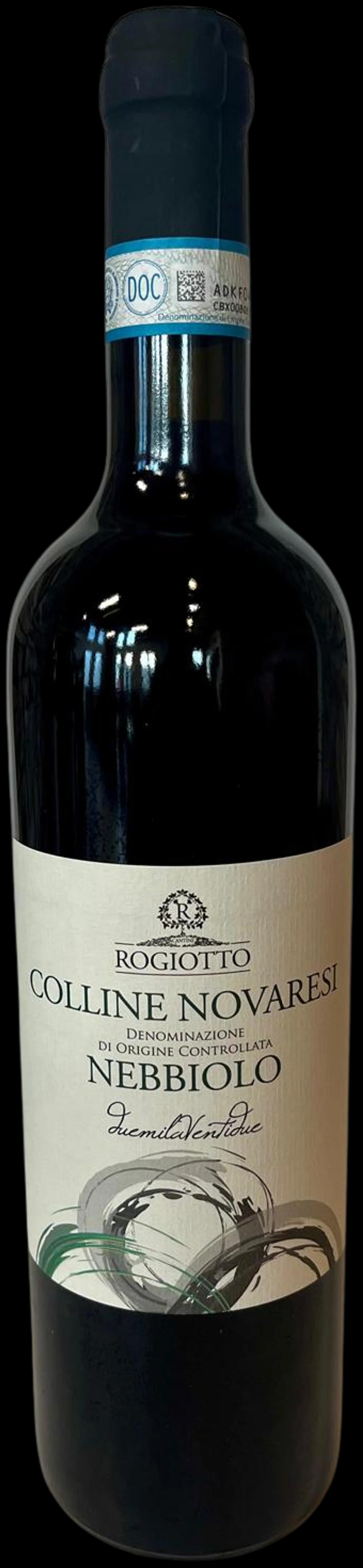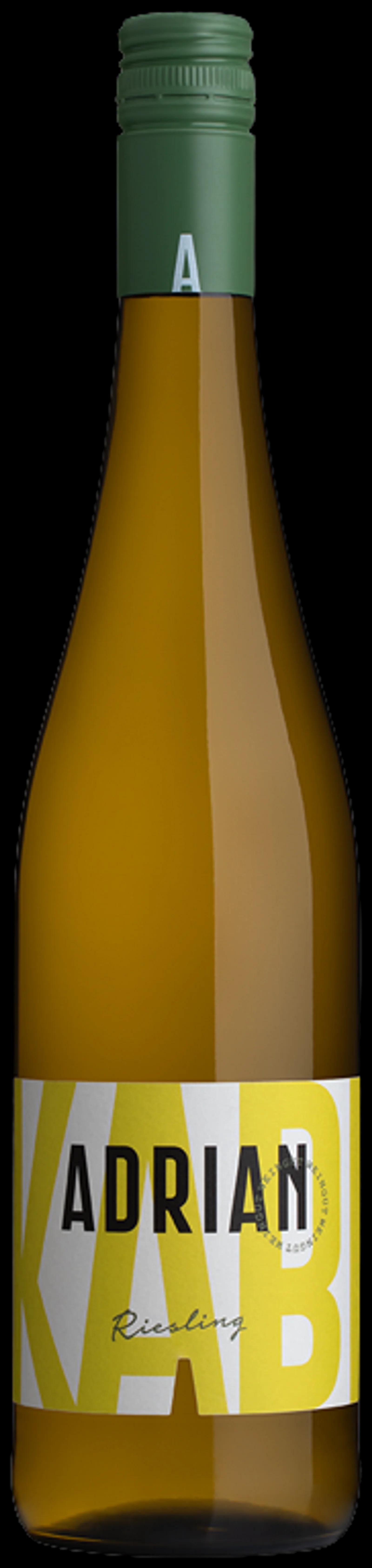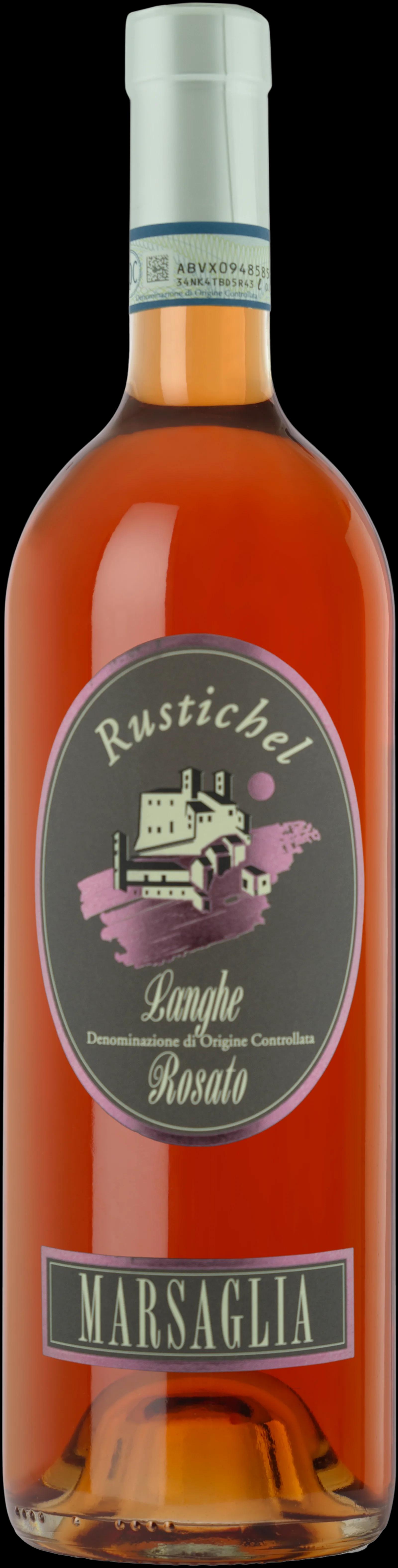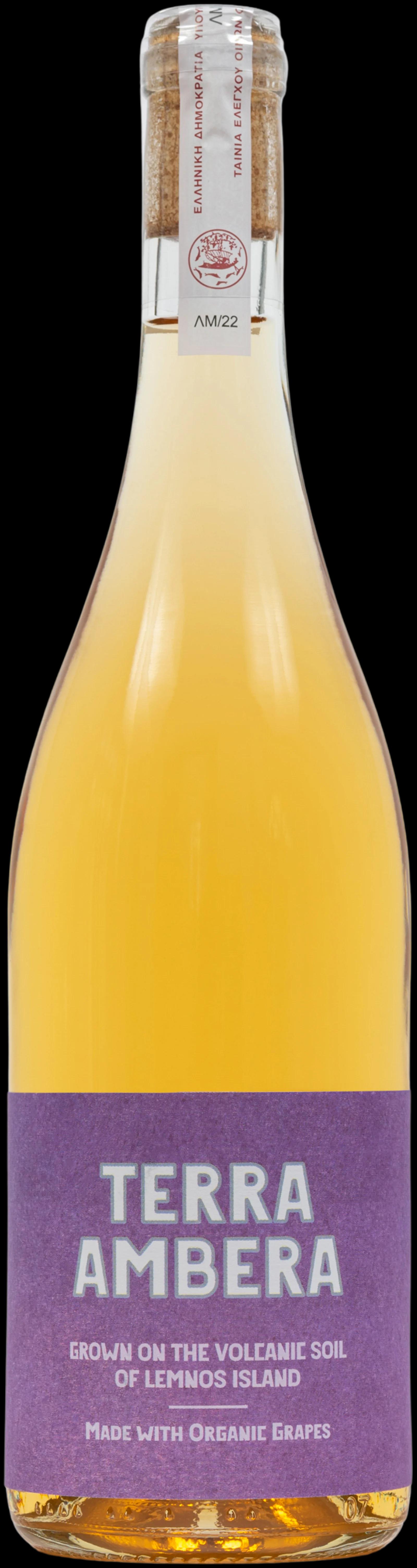
Where does the colour come from?
The juice of almost all grapes is colourless, whether the grapes are green or black. The pigments, called anthocyanins, sit in the skins of black grapes. What separates the four colours of wine is therefore mainly how the grapes are handled after the harvest:
- White wine: usually green grapes that are pressed straight away, so the juice ferments without the skins.
- Rosé wine: black grapes whose skins stay in contact with the juice for a short time, from a few hours to a couple of days.
- Orange wine: green grapes that ferment with their skins, from a few days to several months.
- Red wine: black grapes that ferment with their skins, usually for one to several weeks.
There are exceptions. A few grapes, such as Alicante Bouschet, have red flesh. And because the juice is colourless, white wine can be made from black grapes, as in blanc de noirs from Champagne.
How to look at the colour
Tilt the glass against a white background, such as a tablecloth or a sheet of paper. Many tasters do this because a white surface shows the wine's own colour without the table or the light colouring your impression. When the glass is tilted, the wine is deep in the middle and thin towards the edge. Look at three things:
- Hue: which colour it is, for example ruby, garnet, straw yellow or amber.
- Intensity: how deep the colour is in the middle. It tells you something about the grape and how long the skins were in contact.
- Rim: young wines keep an even colour all the way to the edge, while older wines develop a paler rim that shades towards brown or orange.
Colours in red wine
The grape sets the limits. Thick-skinned grapes such as Syrah and Malbec give a deep, almost opaque colour, while Pinot Noir has thin skins and often makes a paler, translucent red wine.
- Purple and violet: a young wine, often from grapes such as Syrah or Malbec.
- Ruby: the classic red, young to middle-aged.
- Garnet (grenat): deep red with a hint of brown. It can mean the wine has started to develop, but grapes such as Nebbiolo and Grenache lean towards garnet even when young. "Intense grenat" means a deep, concentrated garnet colour.
- Brick and tawny: a mature wine that has been aged for several years.
Over the years, the pigments bind to the tannins and settle out as sediment. That is why red wine becomes paler with age.
Colours in white wine
White wine goes the other way. It becomes darker with age, because the wine slowly oxidises.
- Pale with a green tinge: young and fresh, often from cooler areas and made without oak.
- Straw yellow: the most common colour for white wines.
- Golden: often riper grapes, barrel ageing or an older wine.
- Amber: an older or oxidatively aged wine, or a wine fermented with its skins.
Climate plays a part too, because it affects how ripe the grapes get. Read more about how place shapes wine on the page about terroir.
Colours in rosé wine
Rosé wine gets its colour from the skins staying in contact with the juice for a short time. The longer the contact, the deeper the colour: from pale salmon and onion skin to cherry pink and deep raspberry red. The grape matters too, because some black grapes give more colour than others in the same time. The colour says nothing, however, about how dry or sweet the rosé is.
Colours in orange wine
Orange wine is made from green grapes that ferment with their skins, in the same way as red wine. The skins add colour, from golden to deep orange and amber, as well as some tannin. The method has a long tradition in Georgia, where the wine ferments in clay vessels called qvevri. Today orange wine is made in many countries, including Italy, Slovenia and Austria.
What colour does not tell you
Colour tells you something about style, grape and age, but nothing about quality. A pale wine can be just as complex as a dark one. Nor does it tell you which quality level the wine has under the rules of its country. That is on the label, and you can read more about it on the page about wine classifications.