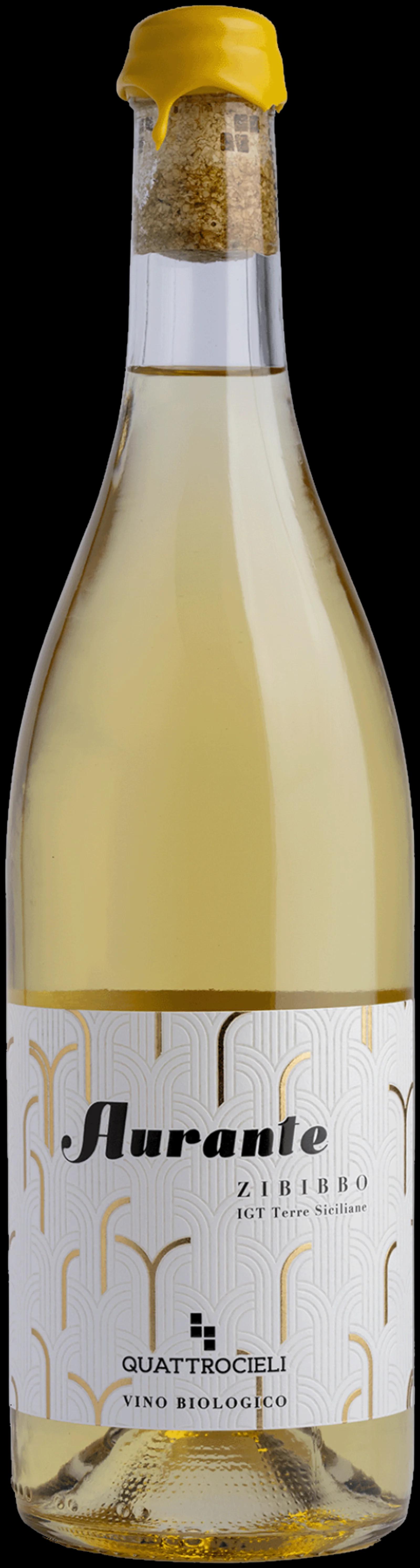
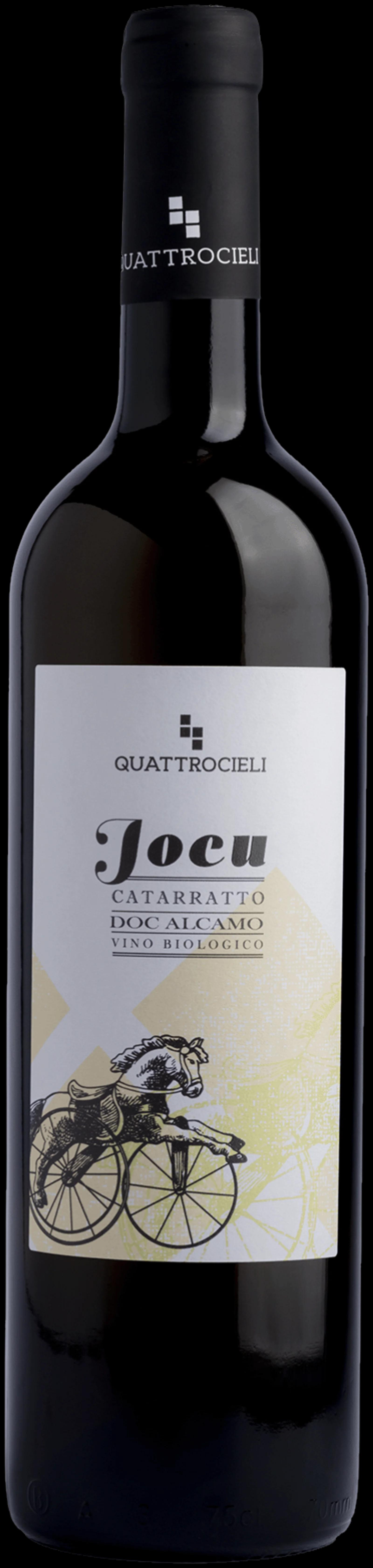

What organic certification means for a wine
Organic certification is a farming and production standard, not a flavour promise. In the vineyard it replaces synthetic pesticides, herbicides and fertilisers with a restricted list of approved inputs — copper-based treatments, sulphur, and a small set of plant-based preparations. The aim is to protect soil biology and reduce chemical residues on the fruit. Since 2012, EU rules have extended the standard into the cellar, setting a lower maximum permitted level of sulfur dioxide than applies to conventional wine and restricting certain processing aids. What the label does not tell you is how the wine tastes: an organic Riesling from the Rheingau and an organic Sangiovese from Tuscany are shaped first by grape variety, site, vintage and the choices the grower makes at harvest and in the cellar. The certification sits underneath all of that. It also does not make a wine natural or biodynamic, which are separate practices with their own distinct rules and, in the case of biodynamic, their own certification bodies.
Regions and independent producers leading organic viticulture
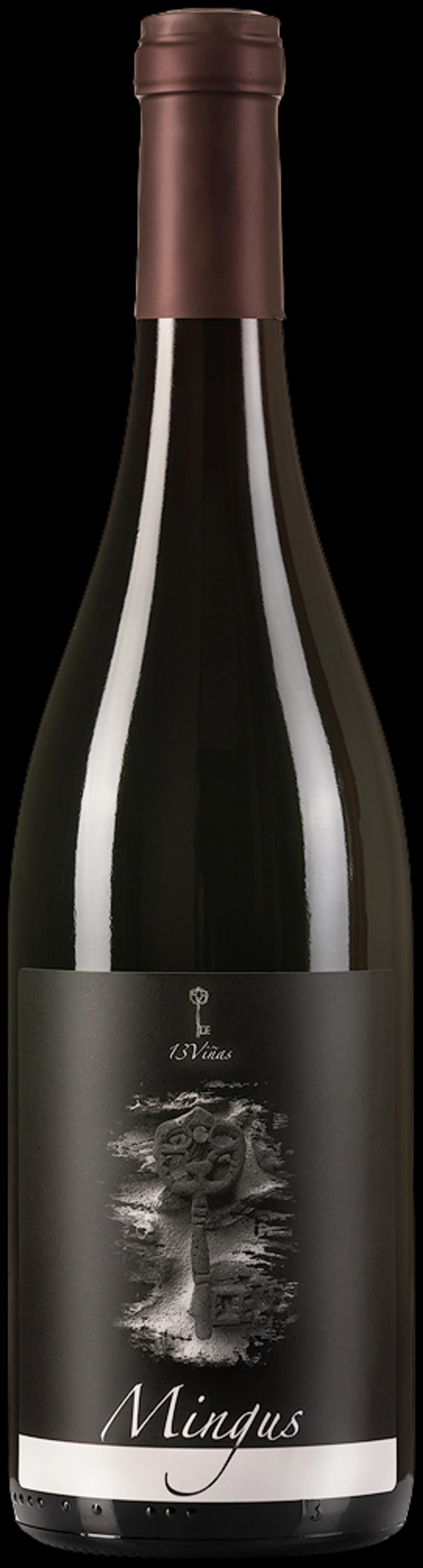
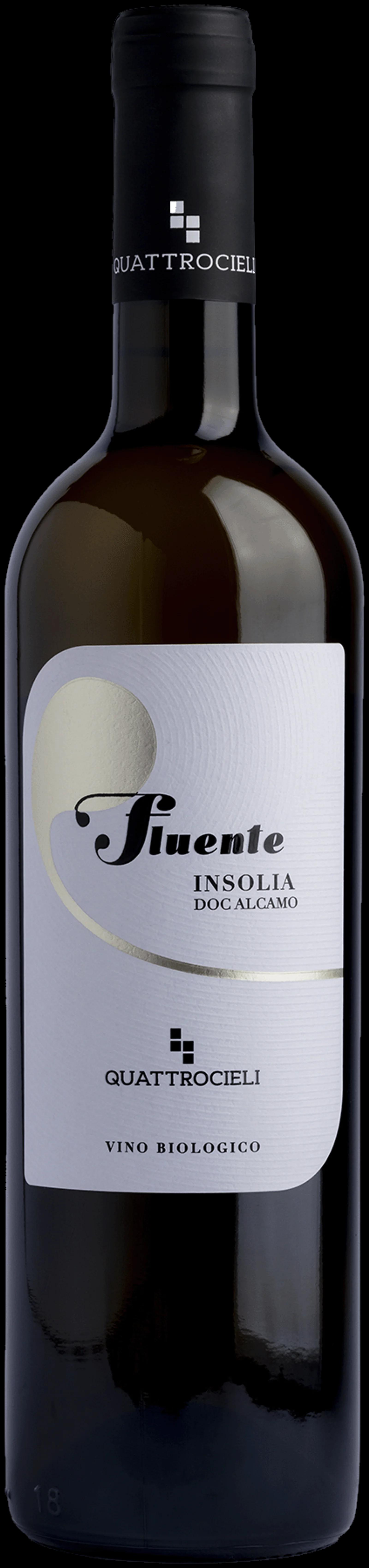
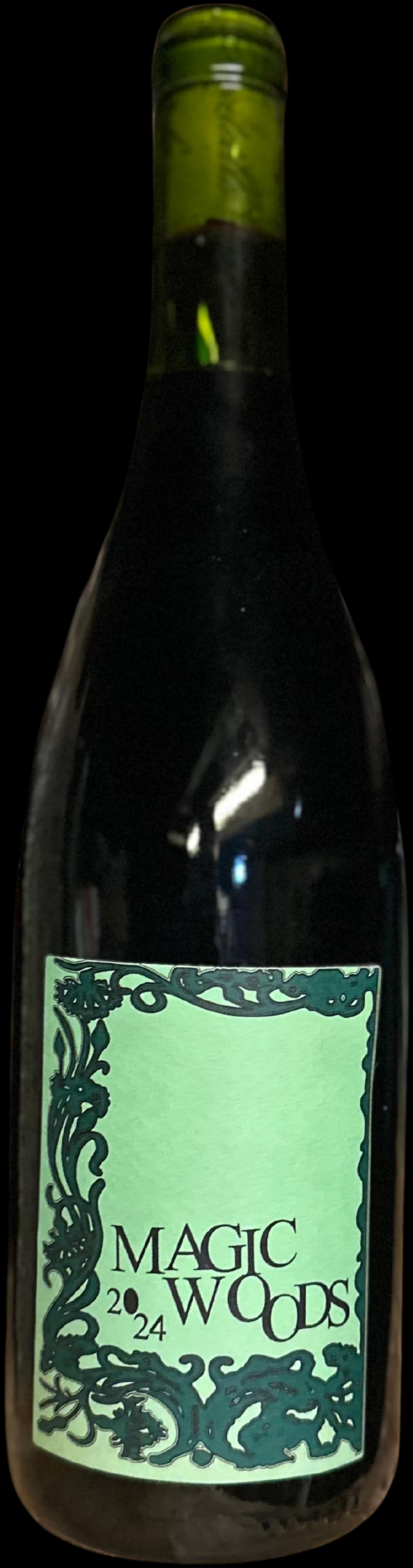
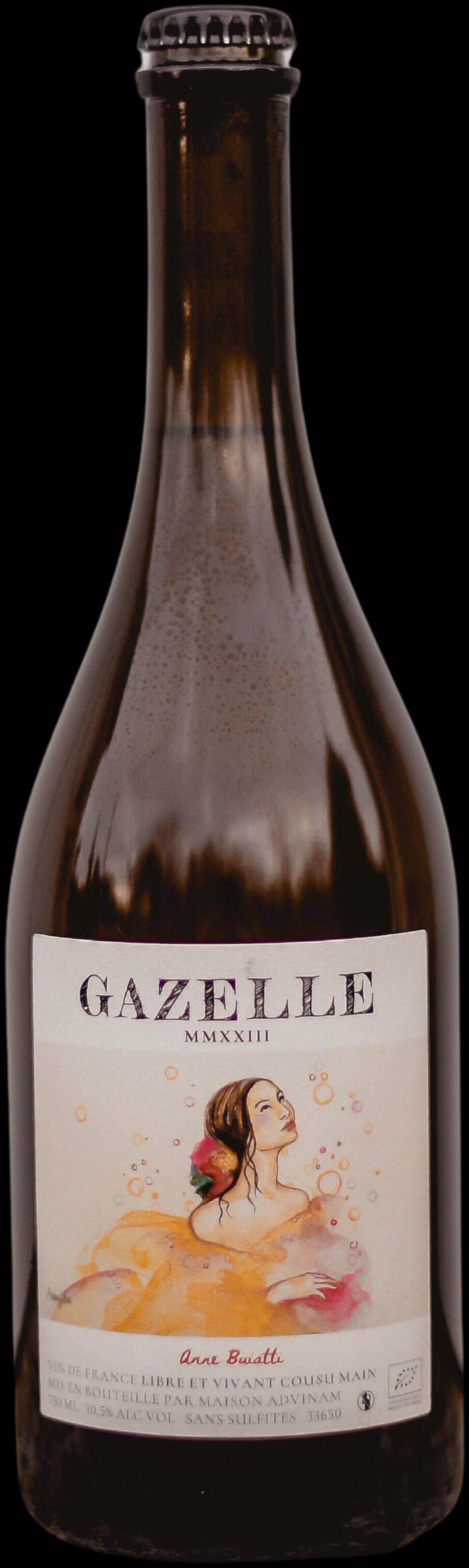
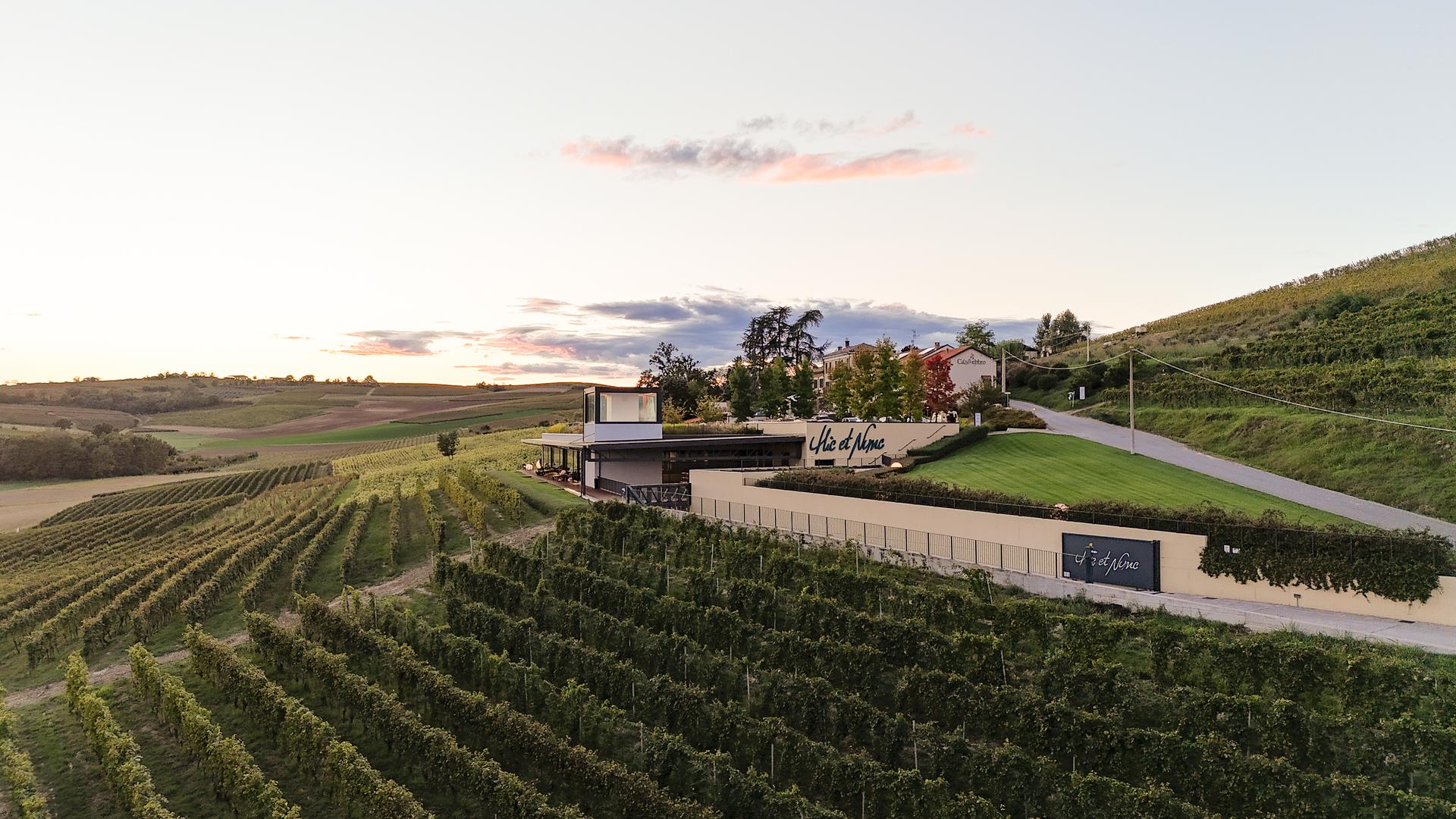
Organic viticulture has taken hold across most major European wine regions, though some have moved earlier and more comprehensively than others. In Languedoc-Roussillon the combination of a dry Mediterranean climate — which naturally limits fungal pressure — and a culture of independent growers has made certified organic farming unusually common. Alsace has a long history of organic and biodynamic estates, particularly among smaller family producers working Riesling and Pinot Gris. In Tuscany and Sicily, the economics of certification have increasingly aligned with those of quality-focused independent winemaking. Austria, particularly Niederösterreich and Burgenland, has one of the highest shares of certified organic vineyard area in Europe relative to total production. On Free Grape Society, organic wines come from independent producers who ship directly from their own cellar — no importer or warehouse in between. You can browse by region, from the Loire Valley and the Rhône to Rioja and Piedmont, or explore the full list of certified organic wineries.
How to choose an organic wine by grape, region and style
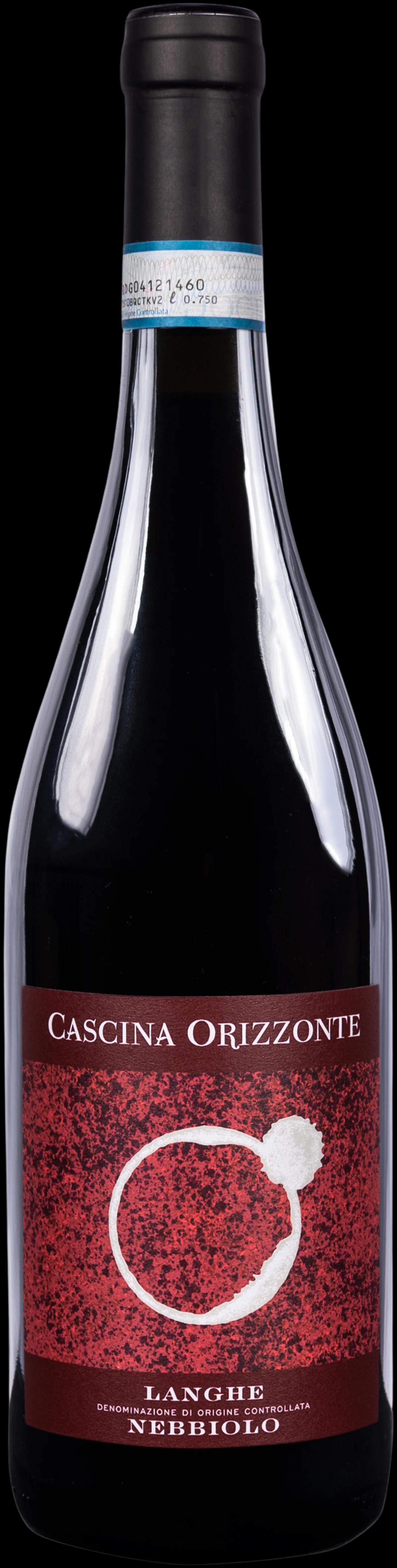
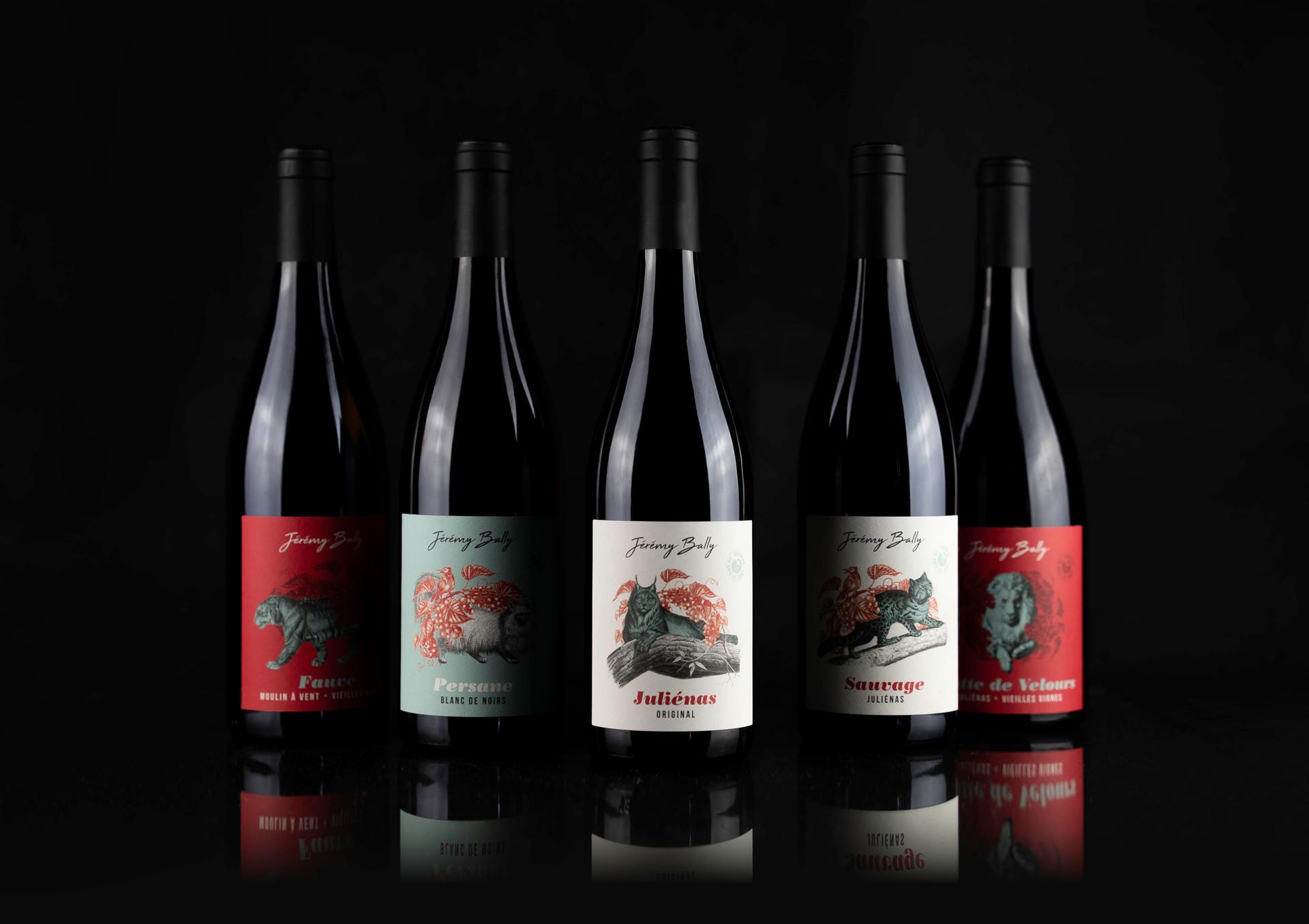
Choosing an organic wine is no different from choosing any other: the decision starts with what you want to drink, then narrows by grape, region and style. If you want a full-bodied red wine, Tempranillo from Aragón or Nebbiolo from Piedmont are worth starting with — both regions have strong representation from certified organic estates. For a lighter-bodied red with higher acidity, Gamay from Beaujolais or Pinot Noir from Burgundy tend to appear on pages where the certification overlaps with small-plot, family farming. For white wines, Grüner Veltliner from Austria and Chenin Blanc from the Loire are both well-suited to organic viticulture — the dry conditions on their best sites reduce the fungal pressure that makes organic farming harder in wetter climates. Rosé and orange wine follow the same logic: the grape and the grower's choices define the style; the organic certification tells you how the vineyard was farmed. If you want a ready-made selection, organic mixed cases are available as wine cases by country or region. Free Grape Society is a society of independent producers, wine experts and wine lovers — wines are tasted before listing, and each bottle ships directly from the producer's own cellar.