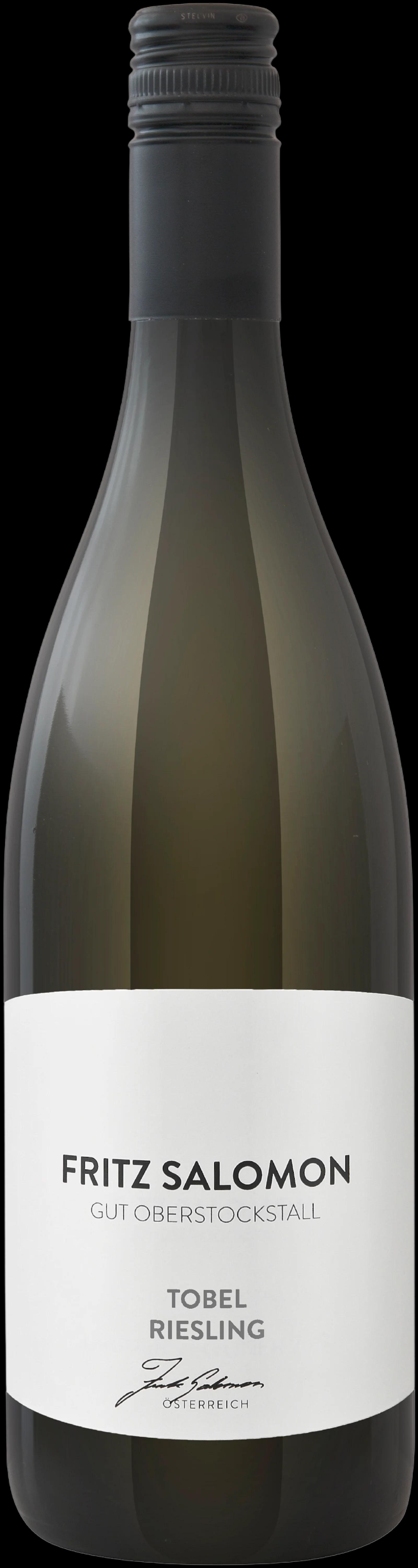
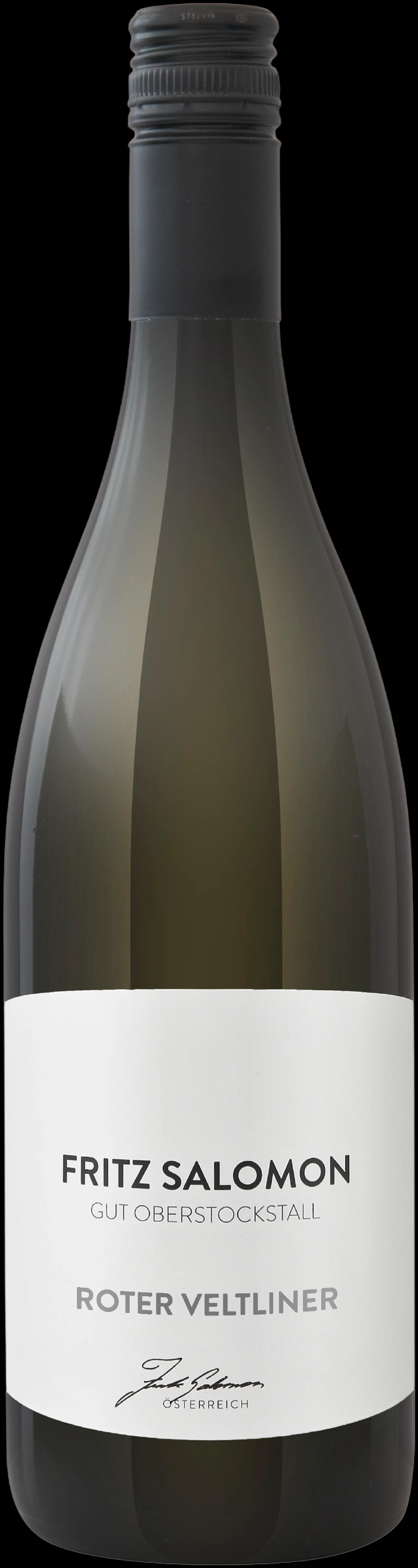
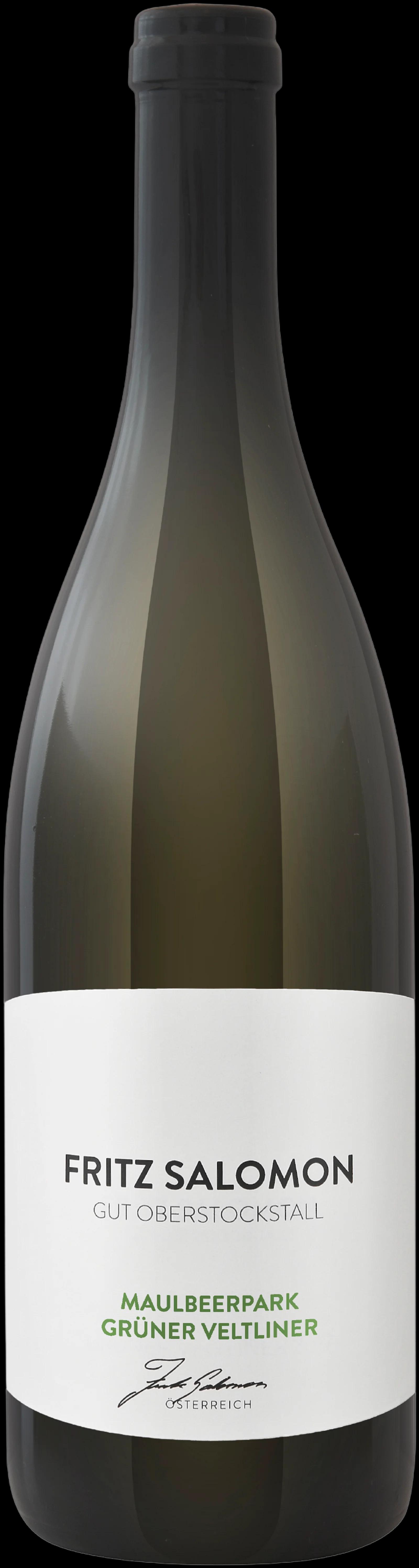

Certified organic wines: grown without synthetic pesticides, from independent producers

Organic certification governs what may be used in the vineyard and the cellar — restricting synthetic pesticides, herbicides and fertilisers, and capping sulfite additions below conventional limits. Style still comes down to grape, site and the maker's choices. Each bottle ships directly from the producer.

Long-certified estates from the Loire, Languedoc-Roussillon, Tuscany and beyond

Color

Dropdown arrow

Type

Dropdown arrow

Country

Dropdown arrow

Region

Dropdown arrow

Grape

Dropdown arrow

Pairing

Dropdown arrow

Sort by

Sort arrow
Organic

Organic wines

Organic certification is a farming and production standard, not a taste profile. In the vineyard, synthetic pesticides, herbicides and fertilisers give way to a restricted list of approved inputs. In the cellar, EU rules in force since 2012 set a lower maximum sulfite ceiling than for conventional wine and limit the range of permitted additives. What the wine tastes like still depends on the grape, the site, the vintage and the decisions of the person who made it. Wines tasted before listing.

Showing 232–264 of 417 wines

Ready-made cases

The regions with the highest density of certified organic estates in Europe tend to be those where the farming tradition was already oriented toward the land: the Loire Valley, Languedoc-Roussillon, Tuscany, and parts of Austria and Spain. In drier climates, organic viticulture is often easier to maintain — lower disease pressure means less intervention is needed to keep the vines healthy. On Free Grape Society, producers ship directly from their own cellar, with no importer or warehouse in between.

View all mixboxes

Organic producers

Independent wine experts review wines they have personally tasted. Several of the experts listed here have reviewed organic wines featured on this page. An expert's review reflects their own assessment of a specific wine from a specific vintage — it is not an endorsement of a farming method, and it does not imply that all wines under a certification taste alike. Free Grape Society is a society of producers, independent experts and wine lovers, not a shop.

View all wineries

Wine experts

Choosing an organic wine works the same way as choosing any other: start with region, grape and style. A certified organic [Sangiovese](/SE/en/wines/grape/sangiovese) from [Tuscany](/SE/en/wines/italy/tuscany) and a certified organic [Pinot Noir](/SE/en/wines/grape/pinot-noir) from [Burgundy](/SE/en/wines/france/burgundy) share a certification and very little else. Browse by colour, region or grape to narrow the selection, or ask a wine expert if you want a recommendation built around what you are cooking or drinking.

View all wine experts

Frequently asked questions

How do I order organic wine on Free Grape Society?

Browse the organic wines listed on this page, select the bottles you want, and place your order. Each wine ships directly from the producer's cellar to your door. Delivery typically takes eight to nine days, with a range of four to fourteen depending on the producer's location. There are no intermediaries between the grower and you.

What happens if a bottle arrives broken or doesn't taste right?

Send a photo to Free Grape Society customer support within 7 days of delivery. We will arrange a replacement or a refund. Because producers ship directly, quality issues are handled with the producer's direct involvement. Shared responsibility is built into how FGS works.

Can I mix organic wines from different producers in one order?

Yes. You can order individual bottles from different producers in the same checkout. If you prefer a curated case format, the ready-made cases on the [cases page](/SE/en/mixboxes) include options from certified organic estates — browse those alongside individual bottles to find what suits you.

How long does delivery take?

Average delivery is 8 to 9 days from order to door. The full range is 4 to 14 days depending on the producer's location and your delivery address. Wines ship directly from the producer's cellar, not from a central warehouse.

How do I find the right organic wine for me?

Filter by region, grape variety or colour using the options on this page. Organic certification tells you how the wine was farmed and made; it does not tell you whether it is light or full-bodied, dry or off-dry. Read the producer's own notes on each wine page, check any expert reviews, and use those to match style to occasion.

Does organic certification guarantee a particular style or quality level?

No. Organic certification covers farming practice and permitted cellar inputs — it is not a quality grade or a taste descriptor. A certified organic wine can be made in almost any style. Quality and character come from grape variety, region, vintage conditions and the winemaker's approach. The certification sits underneath all of that.

Which wine expert can recommend an organic wine for me?

Fill in the form on any expert's profile page — 'Ask a wine expert' — and describe what you are looking for: the occasion, the food, the style, the budget. The expert will come back to you with a personal recommendation. This is not a booking or consultation; it is a question put directly to someone who has tasted the wines.

Why don't you sell supermarket-brand organic wines?

Free Grape Society lists wines from independent producers who farm and make their own wine. Supermarket own-label organic wines are typically sourced, blended and branded by a retailer rather than grown and made by a single estate. The producers here are the people who farmed the vineyard, made the wine, and are shipping it to you.

Can I buy organic wine online in Sweden if Systembolaget doesn't stock it?

Yes. Systembolaget's range is fixed and changes on a scheduled cycle. Free Grape Society operates under a separate regulatory framework that allows direct-from-producer delivery to Swedish addresses. If a certified organic wine you are looking for is not on Systembolaget's shelves, it may be available here — shipped directly from the estate.

What organic certification means for a wine

Organic certification is a farming and production standard, not a flavour promise. In the vineyard it replaces synthetic pesticides, herbicides and fertilisers with a restricted list of approved inputs — copper-based treatments, sulphur, and a small set of plant-based preparations. The aim is to protect soil biology and reduce chemical residues on the fruit. Since 2012, EU rules have extended the standard into the cellar, setting a lower maximum permitted level of sulfur dioxide than applies to conventional wine and restricting certain processing aids. What the label does not tell you is how the wine tastes: an organic Riesling from the Rheingau and an organic Sangiovese from Tuscany are shaped first by grape variety, site, vintage and the choices the grower makes at harvest and in the cellar. The certification sits underneath all of that. It also does not make a wine natural or biodynamic, which are separate practices with their own distinct rules and, in the case of biodynamic, their own certification bodies.

Regions and independent producers leading organic viticulture

Organic viticulture has taken hold across most major European wine regions, though some have moved earlier and more comprehensively than others. In Languedoc-Roussillon the combination of a dry Mediterranean climate — which naturally limits fungal pressure — and a culture of independent growers has made certified organic farming unusually common. Alsace has a long history of organic and biodynamic estates, particularly among smaller family producers working Riesling and Pinot Gris. In Tuscany and Sicily, the economics of certification have increasingly aligned with those of quality-focused independent winemaking. Austria, particularly Niederösterreich and Burgenland, has one of the highest shares of certified organic vineyard area in Europe relative to total production. On Free Grape Society, organic wines come from independent producers who ship directly from their own cellar — no importer or warehouse in between. You can browse by region, from the Loire Valley and the Rhône to Rioja and Piedmont, or explore the full list of certified organic wineries.

How to choose an organic wine by grape, region and style

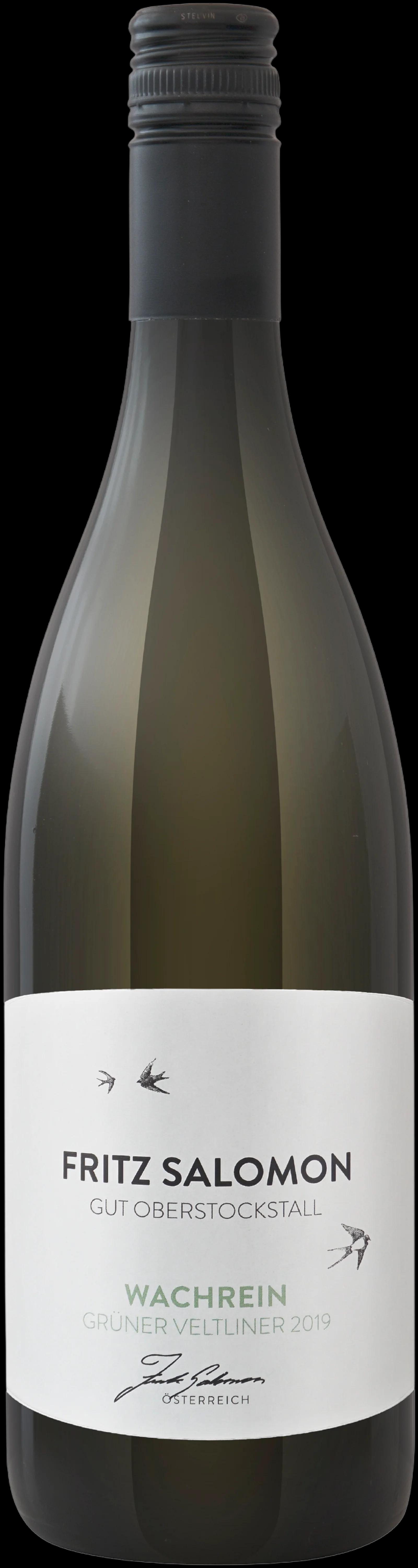
Choosing an organic wine is no different from choosing any other: the decision starts with what you want to drink, then narrows by grape, region and style. If you want a full-bodied red wine, Tempranillo from Aragón or Nebbiolo from Piedmont are worth starting with — both regions have strong representation from certified organic estates. For a lighter-bodied red with higher acidity, Gamay from Beaujolais or Pinot Noir from Burgundy tend to appear on pages where the certification overlaps with small-plot, family farming. For white wines, Grüner Veltliner from Austria and Chenin Blanc from the Loire are both well-suited to organic viticulture — the dry conditions on their best sites reduce the fungal pressure that makes organic farming harder in wetter climates. Rosé and orange wine follow the same logic: the grape and the grower's choices define the style; the organic certification tells you how the vineyard was farmed. If you want a ready-made selection, organic mixed cases are available as wine cases by country or region. Free Grape Society is a society of independent producers, wine experts and wine lovers — wines are tasted before listing, and each bottle ships directly from the producer's own cellar.