What natural wine means — and what it doesn't
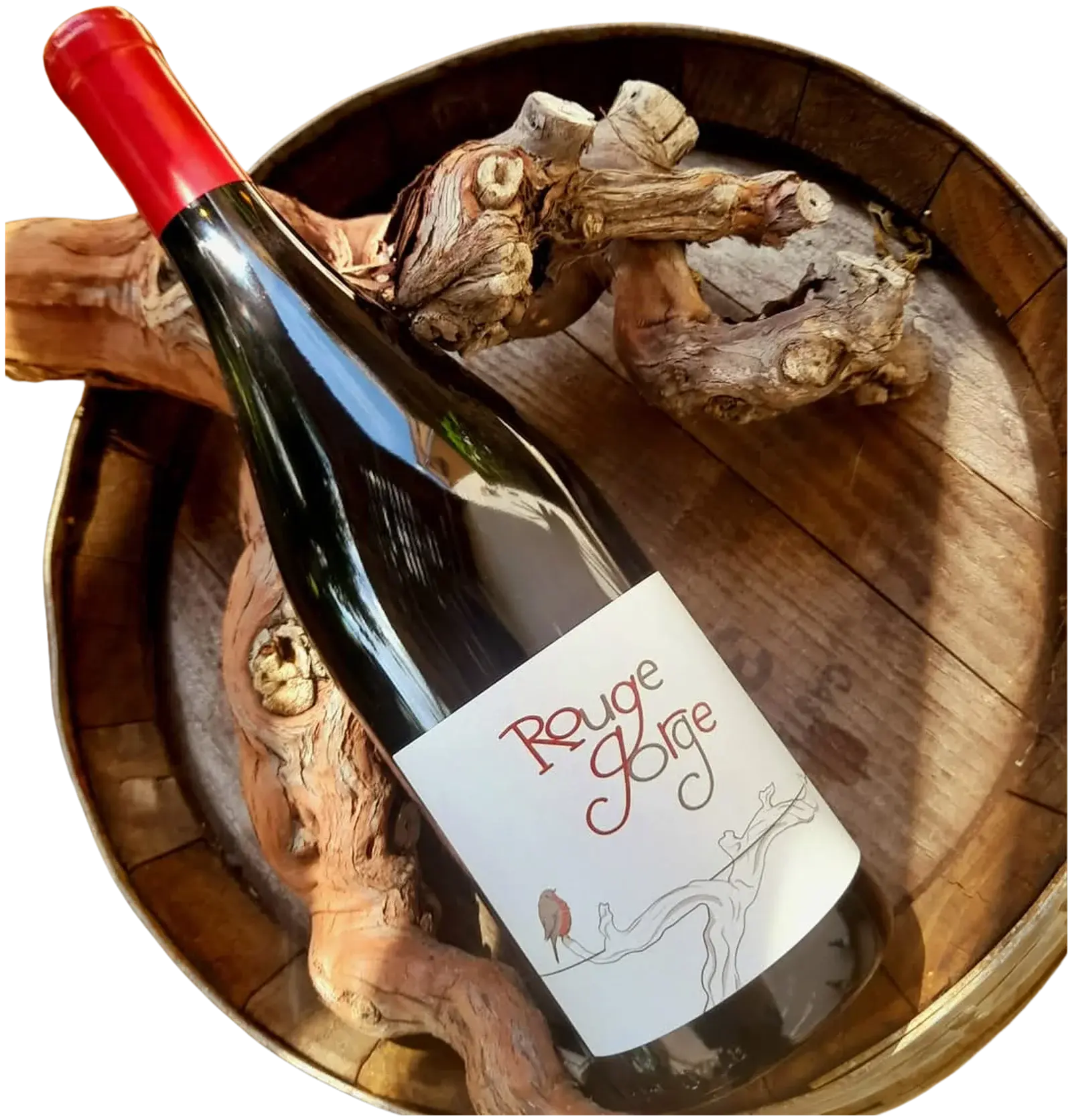
Natural wine has no single legal definition in most markets. It is a loose term used by growers who farm without synthetic inputs and make wine in the cellar with as little intervention as possible — typically native-yeast fermentation, no fining or filtration, and little or no added sulfur. There is no governing body that certifies a wine as natural the way there is for organic or biodynamic production. Private charters such as the French Vin Méthode Nature do exist, but they cover only the producers who sign up to them. What that means in practice: natural wine is a description of intent, not a guarantee of method. Two bottles sold under the same term can be made very differently. Style varies considerably — some natural wines are bright and precise, others are cloudy, volatile, or markedly oxidative, depending on the grape, the vintage, and what the maker chose to do or not do. The wine tells you who made it and where, more than the label does.
Regions and growers behind natural wine
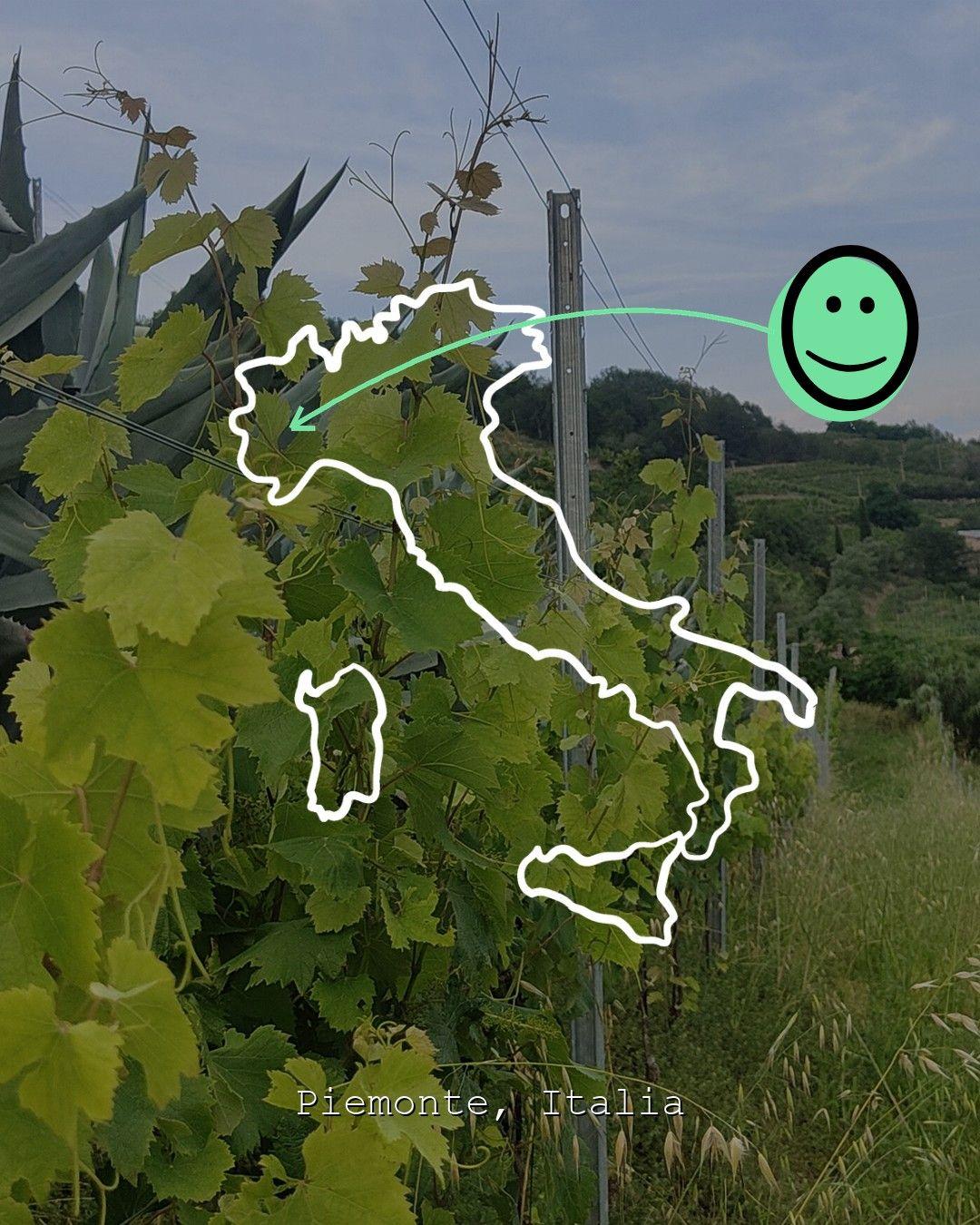
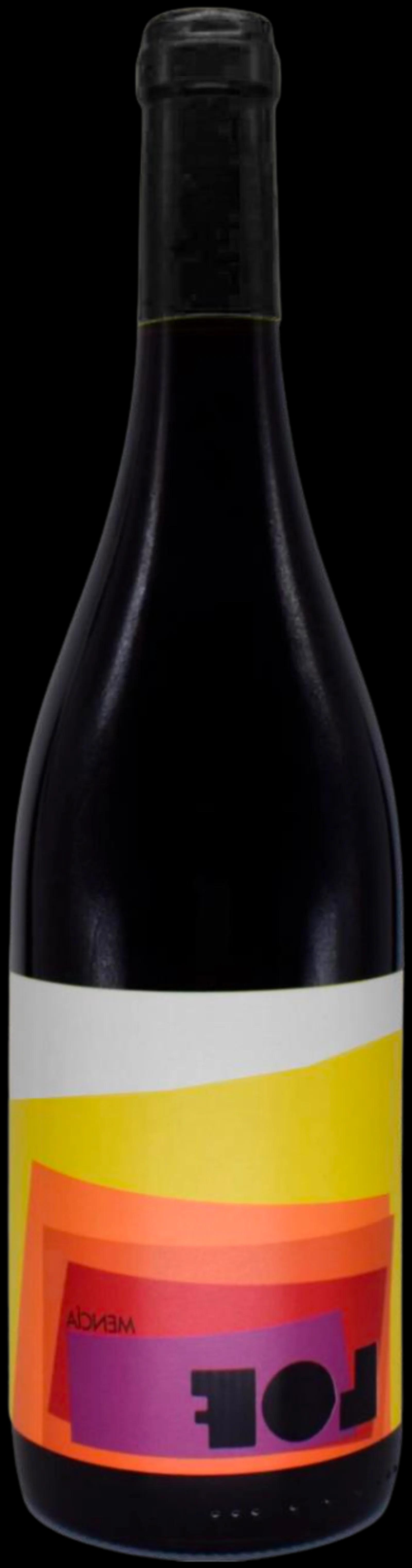
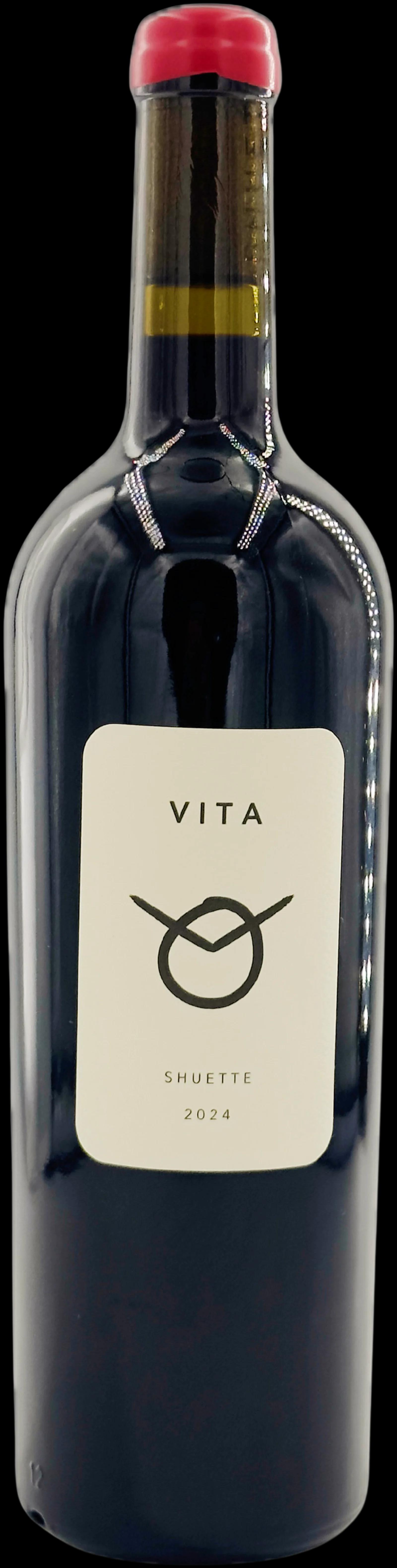
The strongest concentrations of natural-wine growers are in the Loire Valley, Beaujolais, and Languedoc-Roussillon in France, where the practice has deep roots and a critical mass of producers working in the same direction. Friuli-Venezia Giulia in northern Italy has been central to the low-intervention conversation since the 1980s, particularly for orange wines made from Ribolla and Friulano aged on skins. Sicily has drawn a younger generation of growers working with indigenous varieties such as Nerello Mascalese and Catarratto under minimal-intervention methods. In Spain, Galicia and Catalonia have active low-intervention scenes, often built around local grapes like Mencía and Xarel·lo. On Free Grape Society, the grower who made the wine ships it directly from their own cellar — no importer or agent in between. Wines tasted before listing.
How to choose a natural wine by grape, region, and style
Start with structure, not the label. A natural Gamay from Beaujolais made with whole-cluster carbonic maceration will be light-bodied, low in tannin, and high in fresh red-fruit character — grape and method converge to give you something precise, whether or not sulfur was added. A natural Grenache Noir from the Rhône Valley will be fuller and warmer, shaped by the sun the variety sees there. Orange wines — white grapes fermented on their skins — appear across the natural-wine world; Pinot Gris, Gewurztraminer, and Ribolla are common varieties, and skin contact adds grip and oxidative character regardless of where the wine is from. If you prefer still red wines, the producer's region and grape variety will tell you more about what is in the glass than the natural-wine description alone. Producers working without intervention often also farm organically or biodynamically — the three practices overlap frequently, though each is defined separately. Free Grape Society is a society of producers, independent experts and wine lovers, not a shop. You can also explore producers by country — France, Italy, Spain — or browse ready-made cases if you want a selection rather than individual bottles.