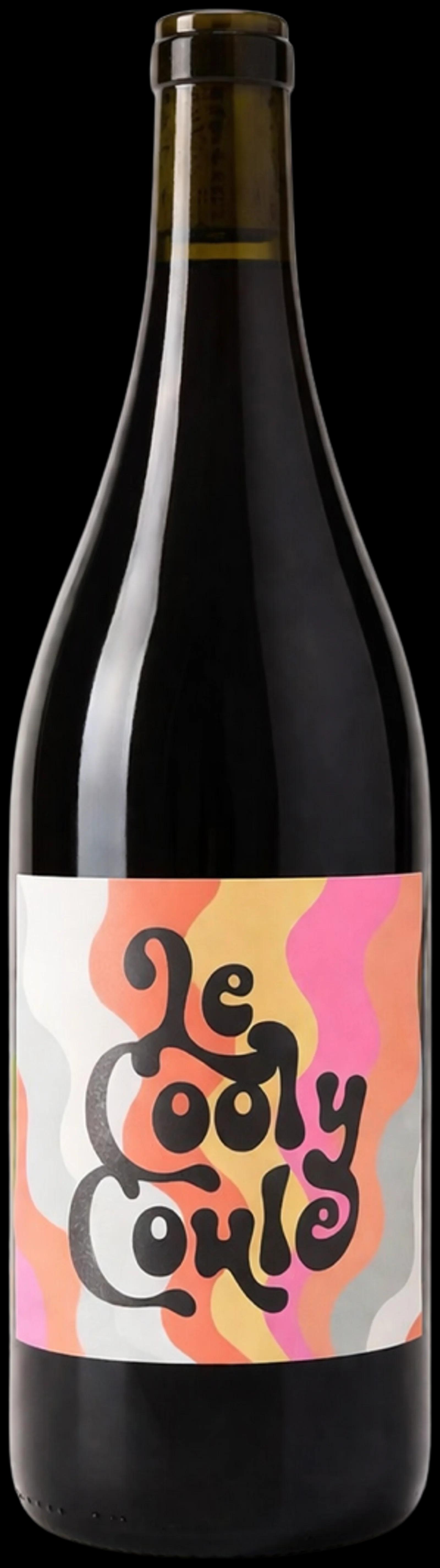
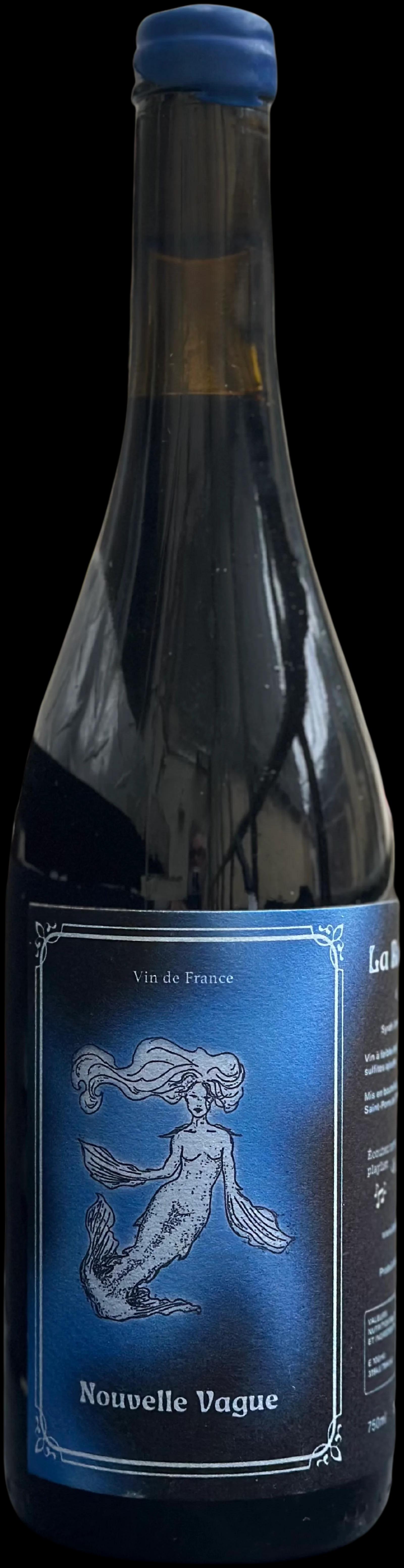
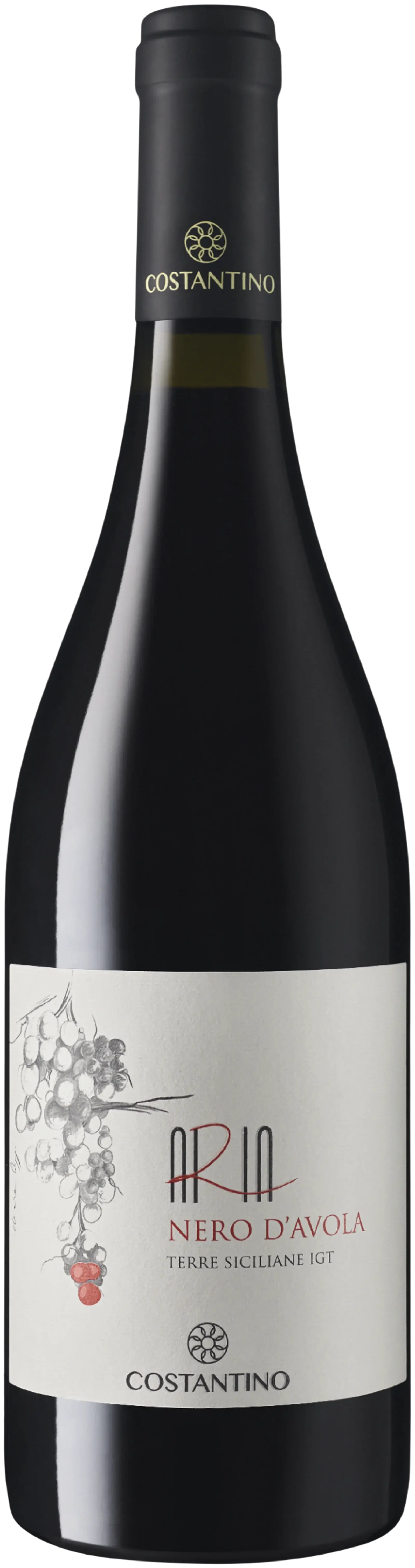
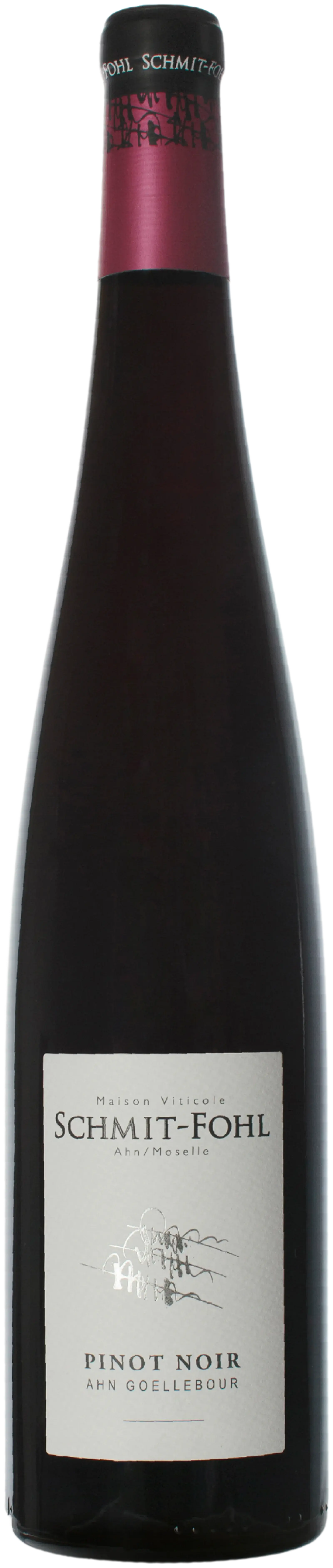
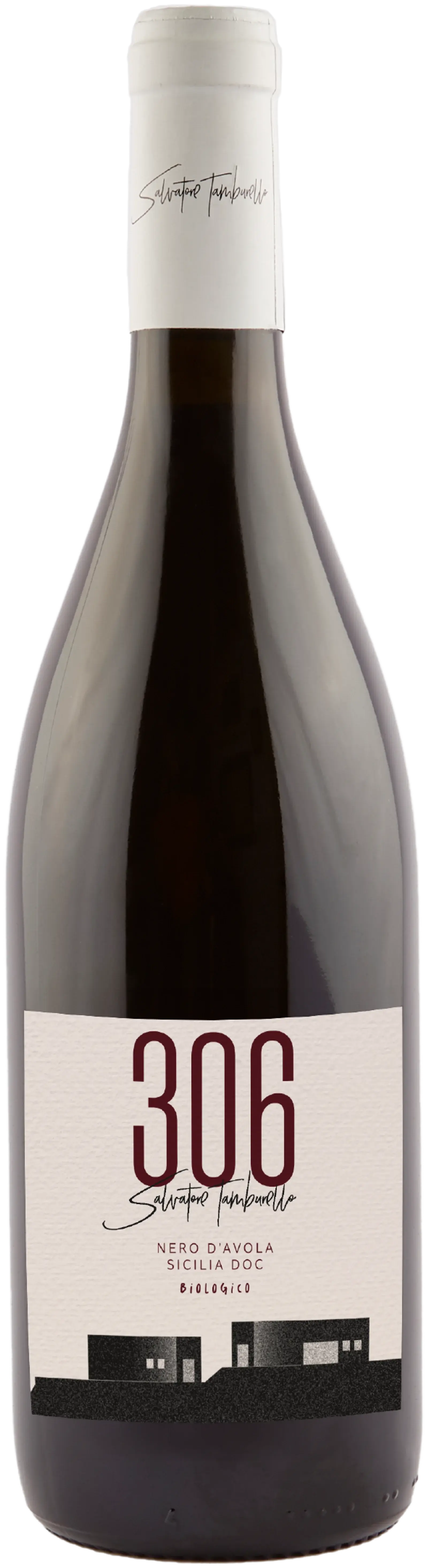
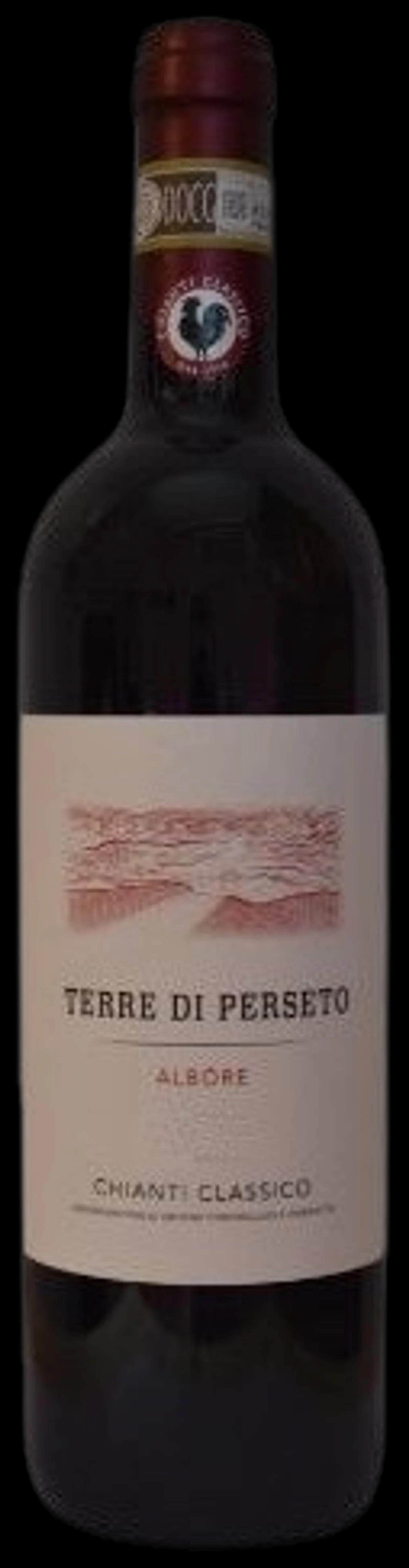
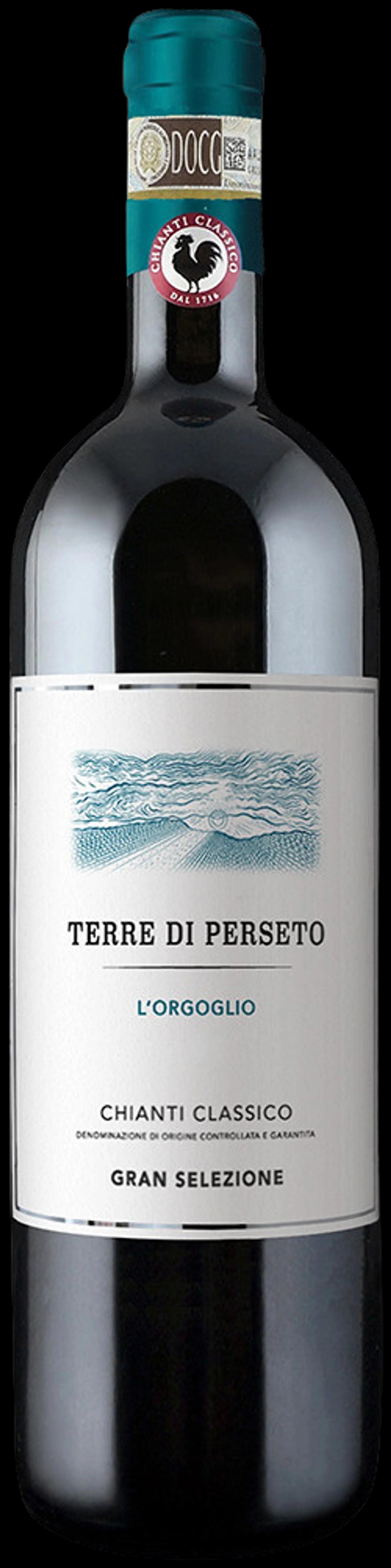
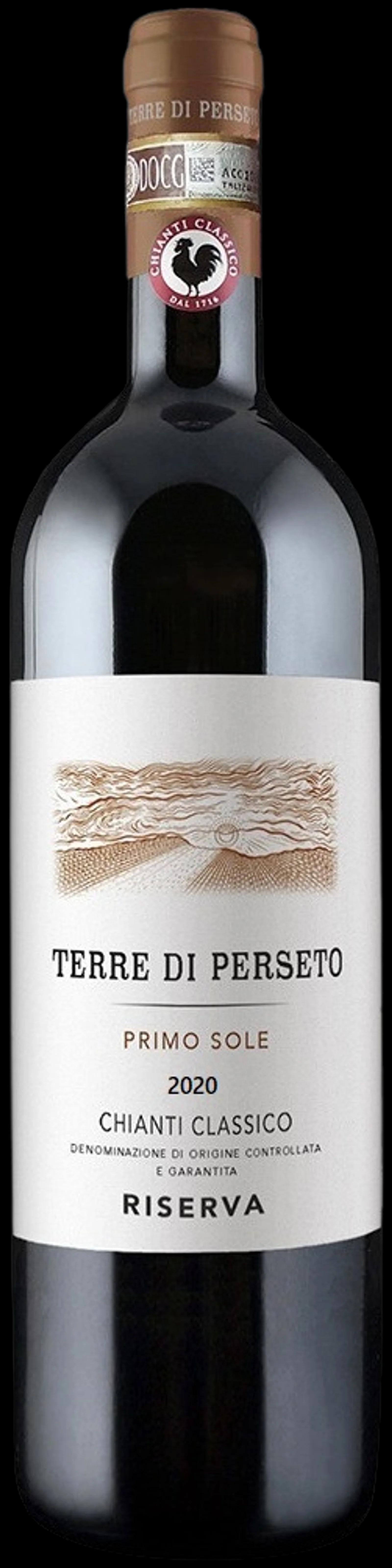
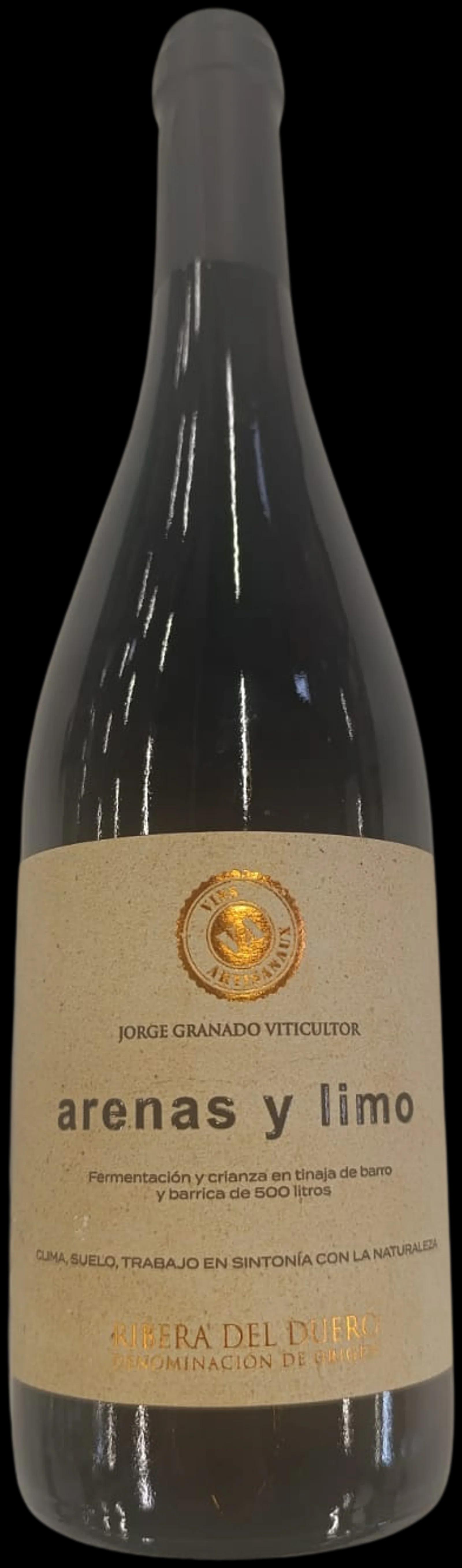
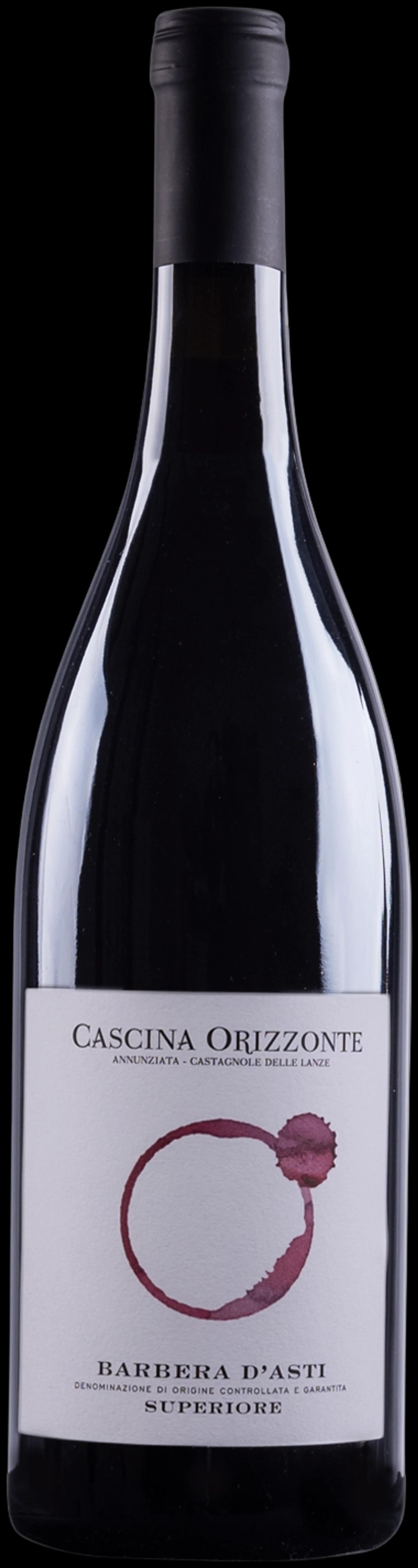
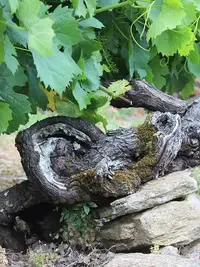
Cabernet, Syrah and Sangiovese: red wines from independent growers

Red wine spans light, high-acid Gamay to dense, tannic Cabernet Sauvignon — shaped by grape variety, where it grows, and how long the skins stay in contact with the juice. Each bottle on Free Grape Society ships directly from the producer's own cellar.
From the granite slopes of Rioja to the volcanic soils of Sicily and the hillsides of Burgundy

Color (1)

Dropdown arrow

Type

Dropdown arrow

Country

Dropdown arrow

Region

Dropdown arrow

Grape

Dropdown arrow

Pairing

Dropdown arrow

Sort by

Sort arrow
Red

Red wines

Red wine gets its colour from the grape skins. Dark-skinned varieties — Cabernet Sauvignon, Syrah, Nebbiolo, Tempranillo — are pressed and fermented with their skins intact, and the longer that contact lasts, the deeper the colour and the firmer the tannin structure. A few days gives a soft, fruit-forward style; two weeks or more builds a wine designed to age. The grape and the site determine the rest: Nebbiolo stays pale even with extended skin contact, while Syrah from the northern Rhône turns almost opaque.

Showing 1–33 of 448 wines

Fresh and very aromatic with flowery, parfumic hints.
Martin Akesson, independent wine expertMartin AkessonWine Expert · 11 ratings
Previous1 of 14Next

Ready-made red wine cases

The red wines on Free Grape Society come from independent producers across Europe — from family estates in [Tuscany](/SE/en/wines/italy/tuscany) and [Rioja](/SE/en/wines/spain/rioja) to small growers in [Beaujolais](/SE/en/wines/france/beaujolais) and [Sicily](/SE/en/wines/italy/sicily). Free Grape Society is a society of producers, independent experts, and wine lovers, not a shop. Each producer sets their own ex-works price; each bottle ships directly from their cellar to your door, with no importer or warehouse in between. Wines tasted before listing.

View all red mixboxes

Red wine producers

Independent wine experts review red wines they have personally tasted, and several of the experts on this page have reviewed wines featured here. Their notes sit alongside the producer's own story — the variety, the vintage, the soil. The experts do not select which wines are listed; they review what they have tasted, giving you a transparent, independent view of what is in the glass.

View all wineries

Wine experts

Red wine pairs with food on structure, not occasion. High-tannin reds — Barolo, Cabernet Sauvignon, Amarone — soften against protein-rich dishes: red meat, aged hard cheese, slow-cooked stews. Lighter, high-acid reds such as Gamay or Barbera work with oily fish, charcuterie, or tomato-based pasta, where the acidity cuts through fat. If you want a specific recommendation for your table, fill in the form and [ask a wine expert](/SE/en/wines/color/red) — they will point you to a producer and a bottle that fits.

View all wine experts

Frequently asked questions

How do I order a red wine case from Free Grape Society?

Browse the red wine cases on this page, choose the one that suits you, and add it to your order. The producer ships it directly from their cellar to your door. Delivery typically takes 4–14 days depending on where the producer is based. You receive tracking information once the case leaves the estate.

What happens if a bottle arrives broken or doesn't taste right?

Send a photo to Free Grape Society customer support within 7 days of delivery. We will arrange a replacement or a refund. Because producers ship directly, quality issues are handled with the producer's direct involvement. Shared responsibility is built into how FGS works.

What is included in a red wine case?

Each case is put together by the producer — usually six or twelve bottles of wines they make themselves, drawn from different grapes, vintages, or styles from their estate. The contents are listed on the case page. Some producers include a tasting note or a short description of each wine in the box.

How long does delivery take?

Average delivery is 8 to 9 days from order to door. The full range is 4 to 14 days depending on the producer's location and your delivery address. Wines ship directly from the producer's cellar, not from a central warehouse.

How do I find the right red wine case for my taste?

Start with what you already know you enjoy. If you like lighter reds with fresh acidity, look for cases featuring Pinot Noir, Gamay, or Barbera. For fuller-bodied, more tannic wines, cases built around Cabernet Sauvignon, Syrah, or Nebbiolo are a better fit. You can also filter by region or browse individual producer pages to read about their winemaking approach before choosing.

Can I put together my own red wine case rather than buying a pre-set one?

Yes. Every wine in every case is also available as an individual bottle. You can add bottles one at a time to build a selection across grapes, regions, and producers — a useful way to explore the range if you have specific preferences or want to compare styles side by side.

Which red wine expert can recommend something for me?

Several independent wine experts on Free Grape Society have reviewed red wines listed on this page. You can read their notes on the individual wine pages. If you want a personal recommendation based on your taste, budget, or occasion, fill in the form on any expert's profile page — ask your question and the expert will respond directly.

Why don't you sell supermarket-brand red wines?

Free Grape Society lists wines from independent producers who make their own wine on their own estate. Supermarket-brand red wines are typically produced at scale by large négociants or co-operatives and sourced from multiple growers. The producers here control every step from grape to bottle, which is a different category of wine — and a different relationship with the person who made it.

Can I buy red wine cases online if I live in Sweden — isn't that restricted?

Systembolaget holds the retail monopoly in Sweden, but purchasing wine from a producer outside Sweden and having it shipped directly to your home is permitted under EU rules on cross-border distance sales. Free Grape Society connects you with European producers who ship directly from their own cellar. The legal and customs framework is handled as part of the ordering process.

Signature grapes for red wine

Red wine is built on tannin, acidity, and pigment — all extracted from grape skins during fermentation. The grape determines the structural baseline. Nebbiolo in Piedmont produces wines with high acid, firm tannin, and a transparency of color that misleads: these are among the most structured reds in Europe and can age for 20 years or more. Sangiovese anchors Tuscany, ranging from approachable Morellino to the tannic density of a long-aged Brunello. In France, Pinot Noir defines Burgundy — thin-skinned, pale, and built on acidity rather than tannin. Syrah takes two forms: the savory, peppery style of the northern Rhône Valley and the riper, fuller expressions further south. Grenache rarely works alone — it blends with Syrah and Carignan across Languedoc-Roussillon and with Tempranillo in Spain. In Spain, Tempranillo covers the most ground, from the oak-driven reds of Rioja to the more restrained styles coming out of Castile and León. Garnacha is Grenache under a different name, planted deep in Aragonese hillsides and giving old-vine wines of concentration and breadth. In Sicily, Nero d'Avola produces dense, warm-climate reds with ripe structure; in the south of Italy, Monastrell crosses into Murcia in Spain and performs at lower yields than most grapes can tolerate in that heat.

Regions known for red wine

Europe's red wine map is not organized by prestige — it is organized by climate, soil, and the decisions producers made over generations. Bordeaux operates on a château classification system last revised in 1855, blending Cabernet Sauvignon, Merlot, Cabernet Franc, and Petit Verdot in proportions that shift by vintage and by bank of the Gironde. Burgundy works differently: single-vineyard Pinot Noir from plots that may be fractions of a hectare, classified into village, premier cru, and grand cru, where the same grape expresses entirely different structure depending on which side of a path it is planted on. Piedmont produces Barolo and Barbaresco from Nebbiolo on calcarite-rich Langhe hills — wines legally required to age a minimum of 38 months before release for Barolo, 26 for Barbaresco. Tuscany spans the Chianti Classico zone, Montalcino, Montepulciano, and the Maremma coast, all anchored by Sangiovese. Rioja divides production by aging category: Joven (no minimum oak), Crianza (minimum 2 years, 1 in oak), Reserva (3 years, 1 in oak), and Gran Reserva (5 years, 2 in oak). The southern Rhône Valley allows up to 18 different grape varieties in a single Châteauneuf-du-Pape blend. Languedoc-Roussillon is one of the largest wine regions in the world by area and produces more red wine annually than all of Australia. Independent producers here, working with old-vine Carignan and Grenache, have changed how the region is regarded in the past two decades. Producers on Free Grape Society ship directly from their cellar — not from a warehouse in the Netherlands.

How we choose our red wine producers

Every red wine on Free Grape Society is tasted before it goes live. Samples are sent by the producer; the Head of Product tastes each one before a listing is approved. That applies to the first wine from a new producer and to each new vintage from producers already on the platform. Independent wine experts Rate and Review individual wines on the platform — their assessments are visible on the wine page and on each expert's profile, so the track record is transparent and searchable. Producers list their own wines and set their own prices. Free Grape Society does not act as a buying intermediary, does not take ownership of the stock, and does not mark up between producer and consumer. No importer, no wholesaler. The price you see is the price the producer agreed to. What that means in practice: producers with genuine cellar-door pricing can offer that price here. The red wines from Italy, France, and Spain on this platform include estates that do not sell through conventional retail channels — not because they lack the volume, but because the margin structure of that chain does not work for small-production wines. These are not the wines your supermarket carries. They are the wines your supermarket cannot carry.