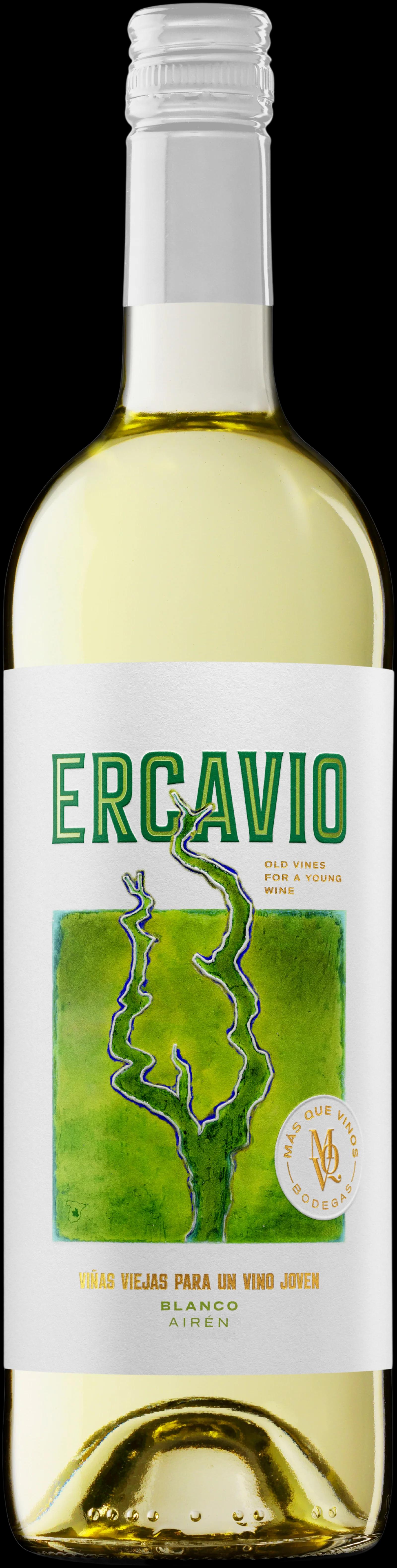
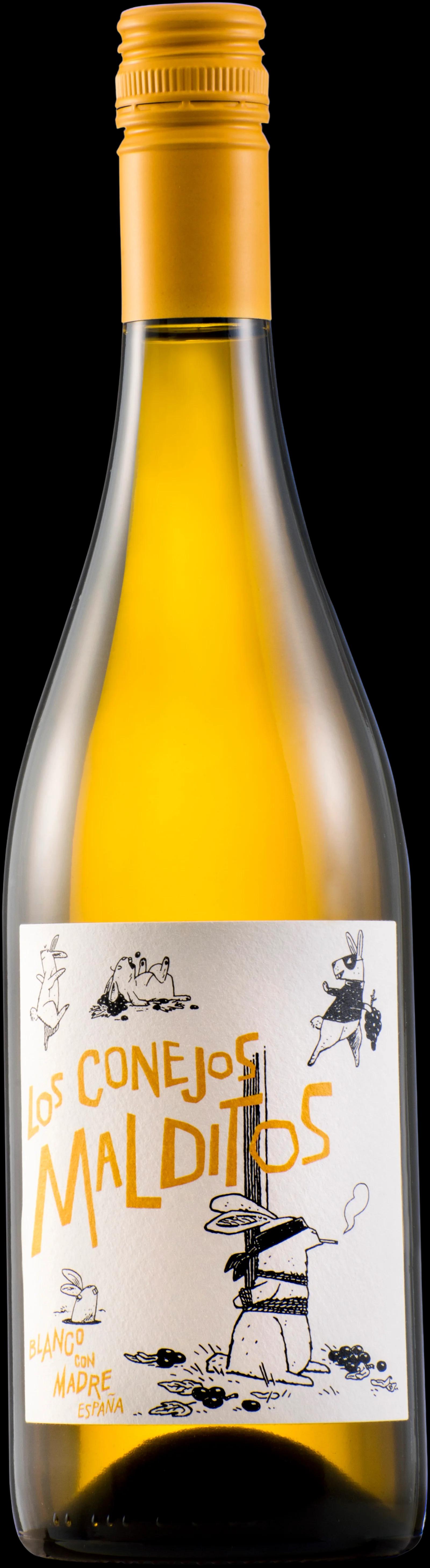
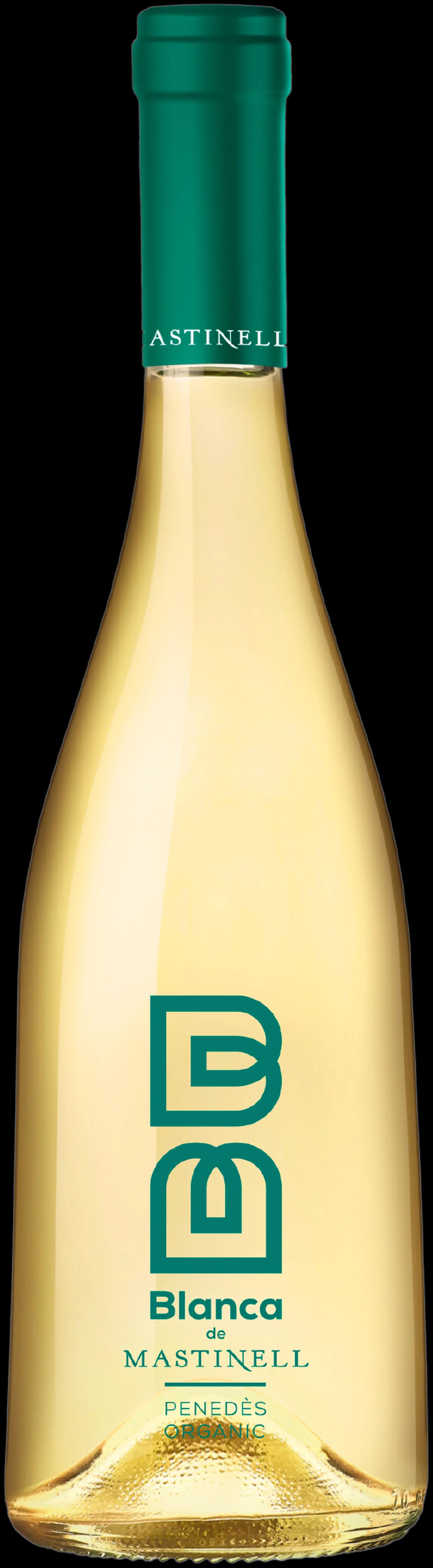
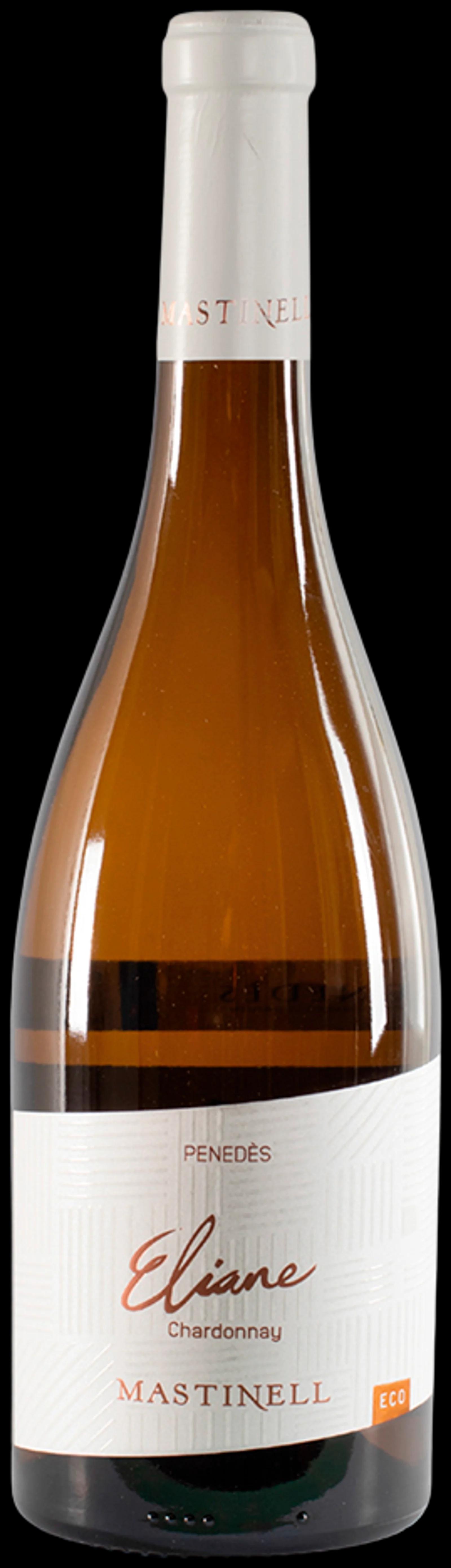
Key grapes in Spanish white wine
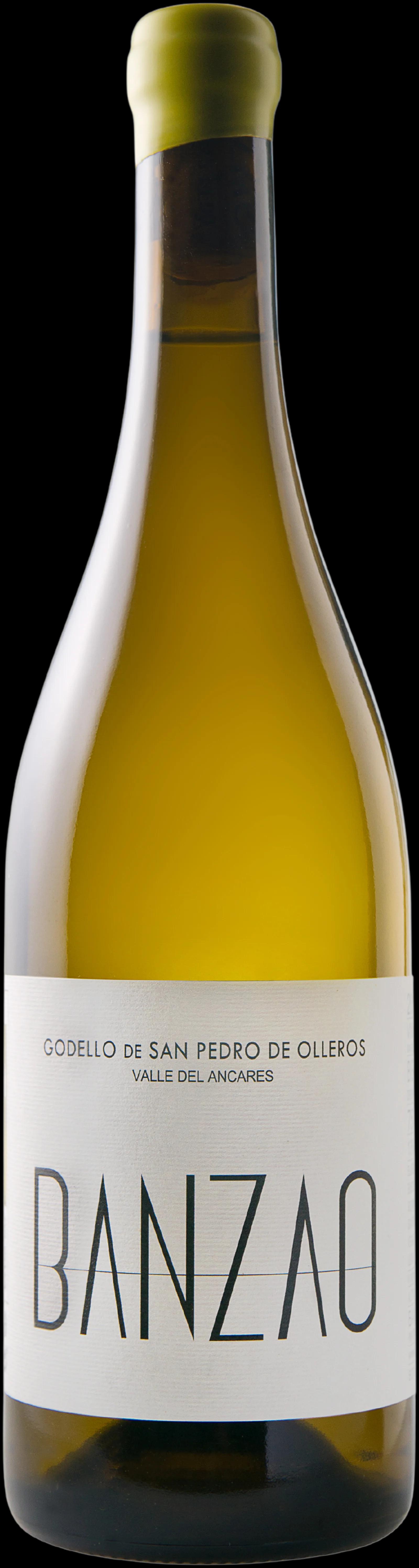
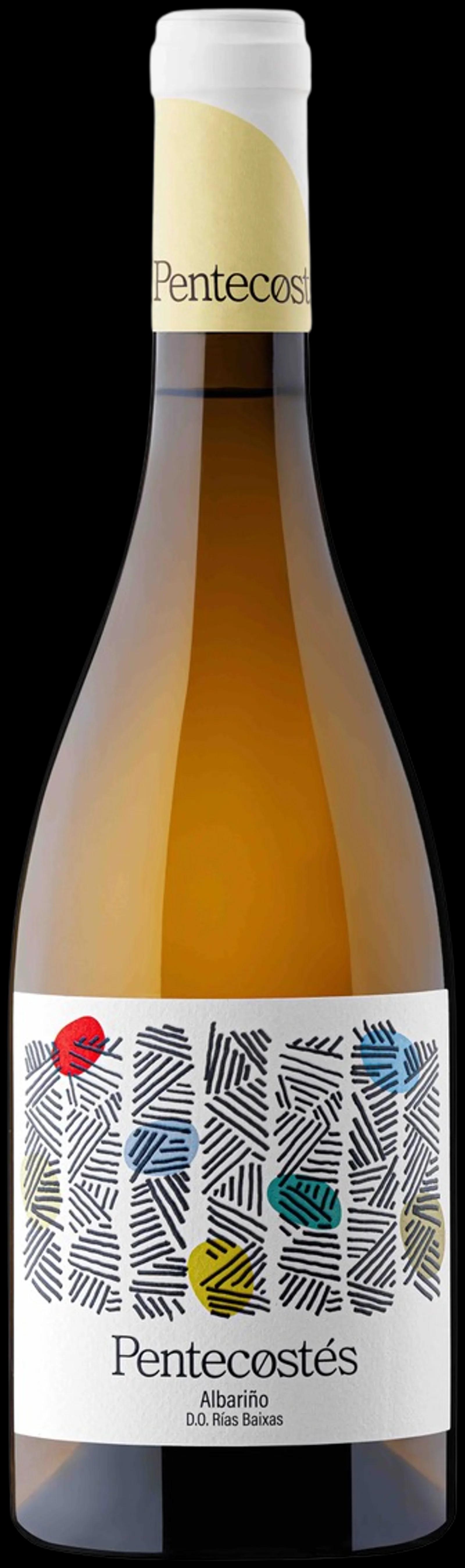
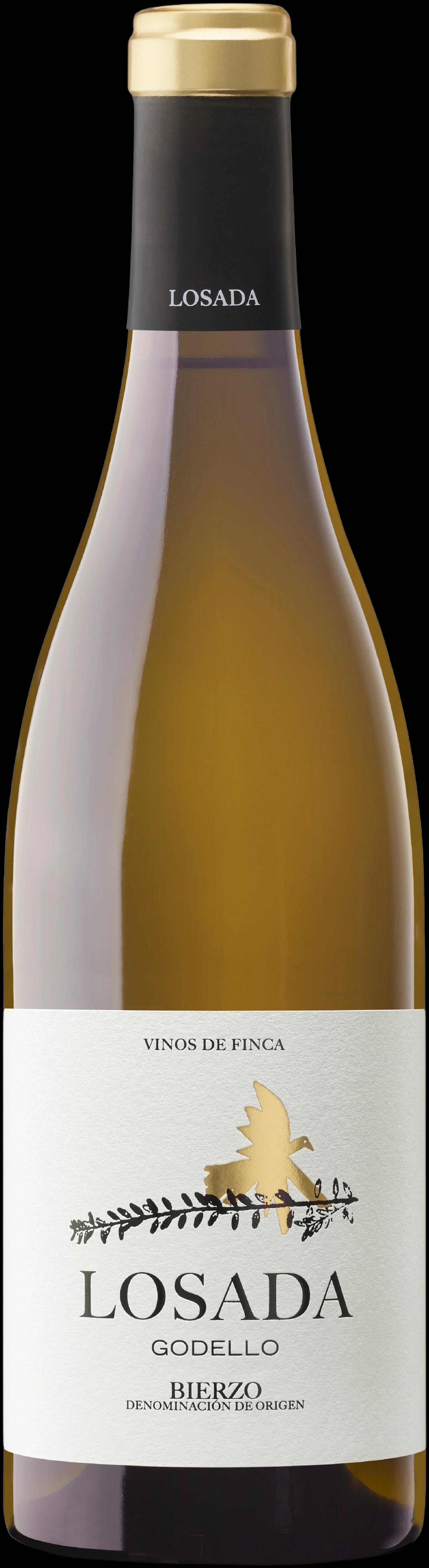
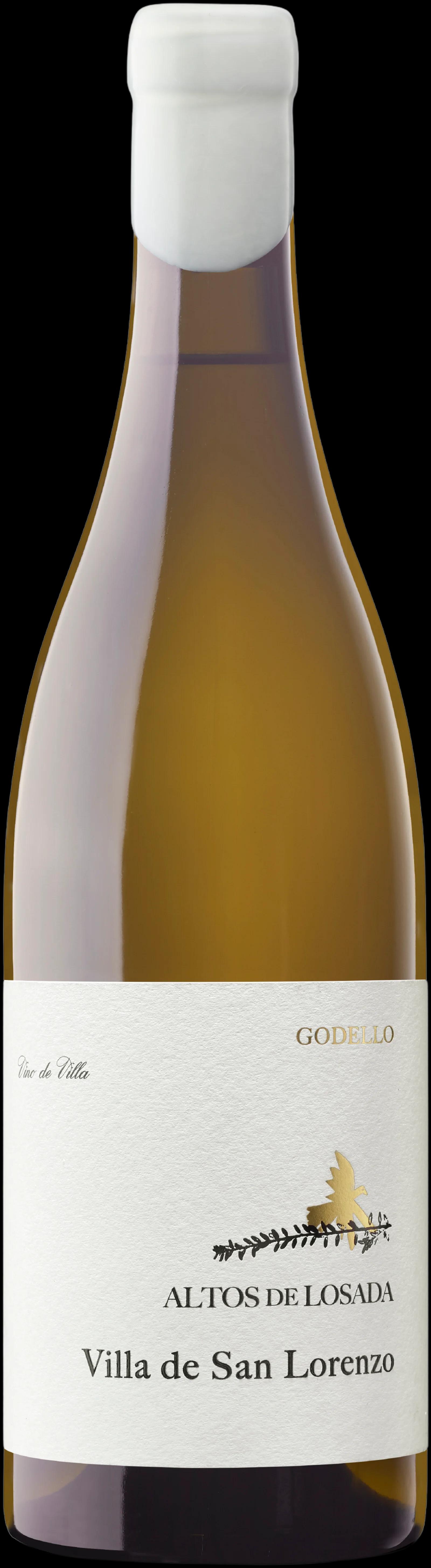
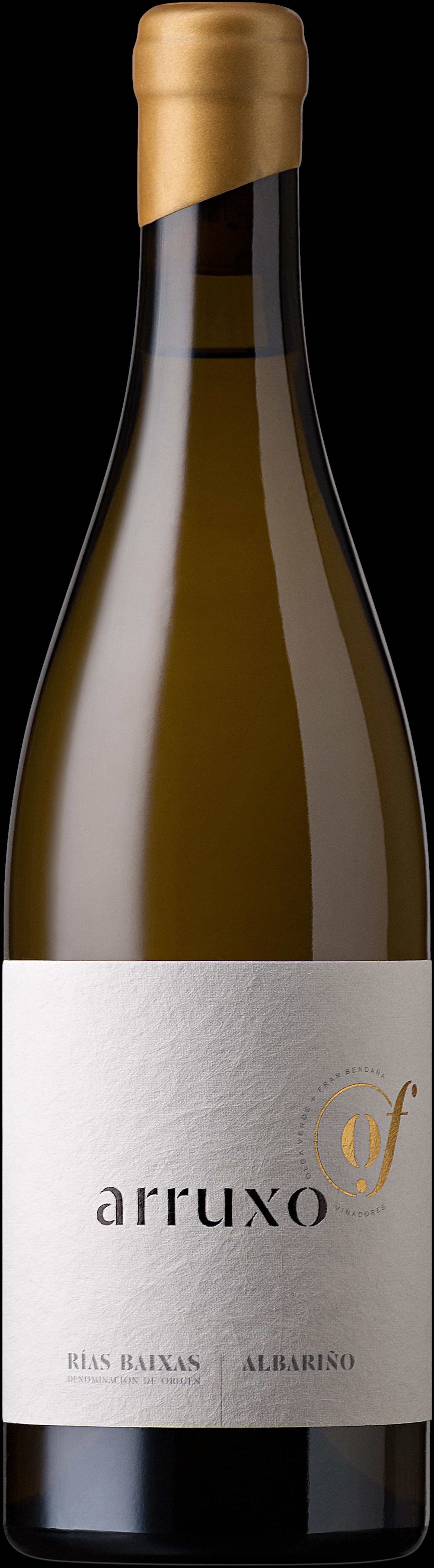
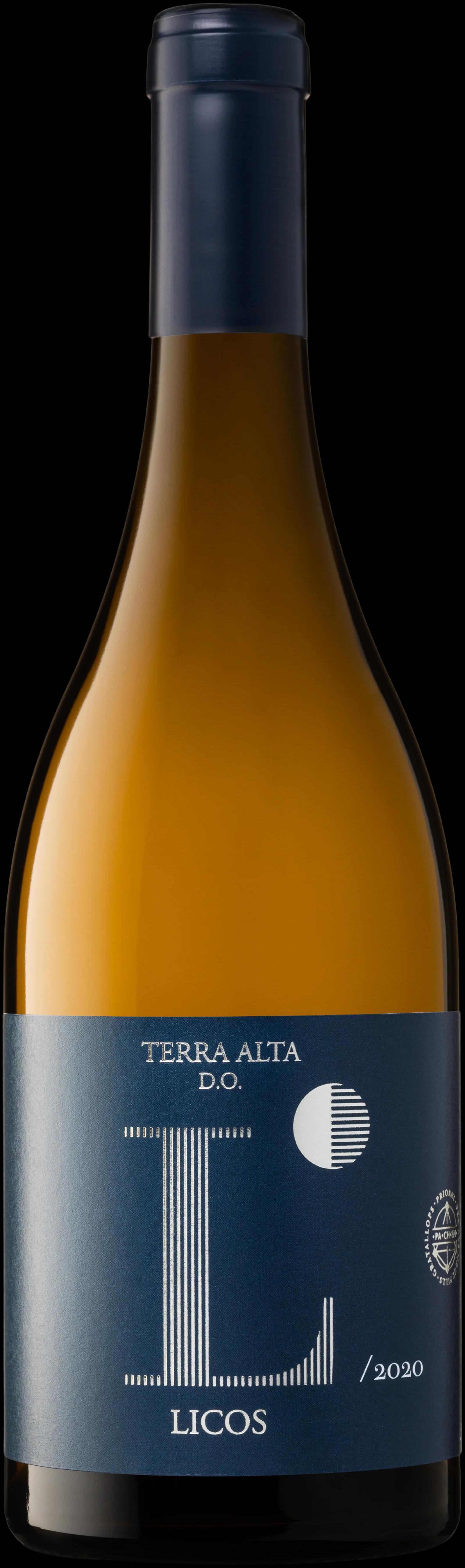
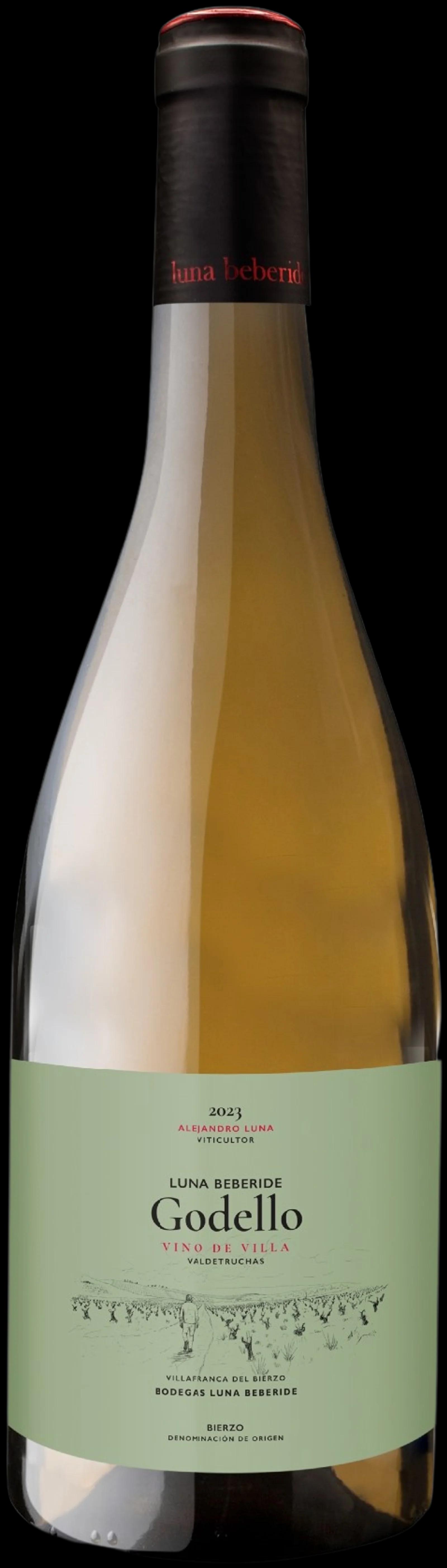
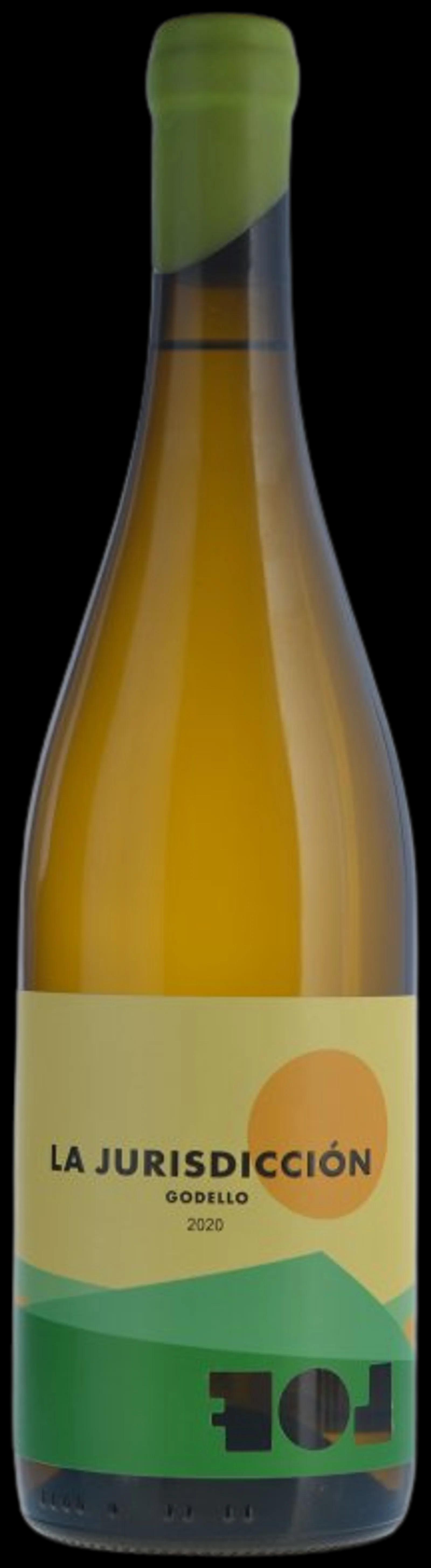
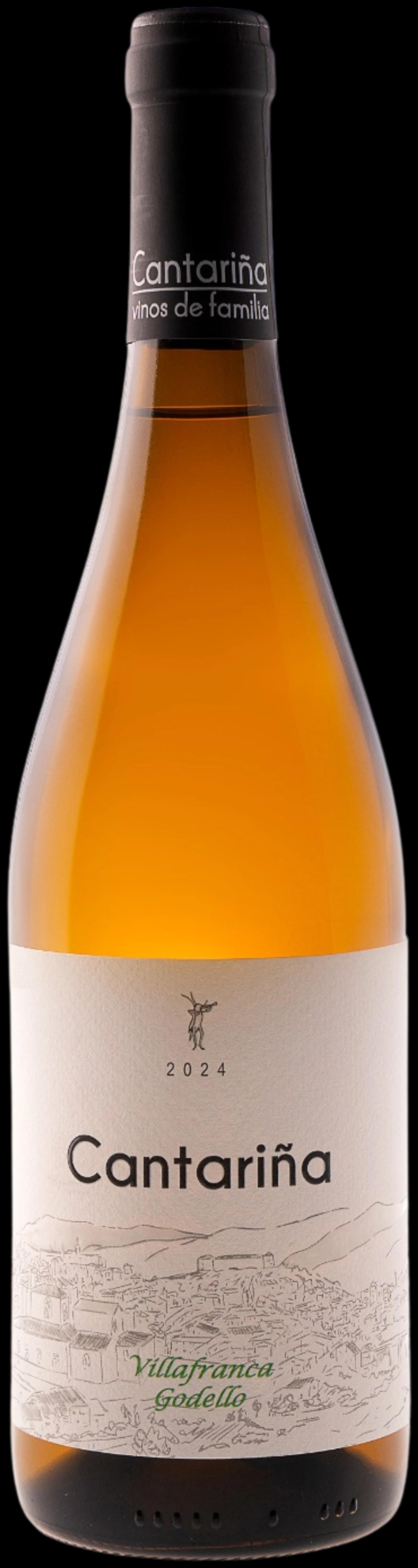
Spain's white wine landscape is more varied than its international reputation suggests. Albariño from Galicia dominates the conversation, but it represents only one corner of a country with dramatically different soils and climates. Godello grows in Valdeorras and Bierzo, producing whites with more body and oxidative potential than Albariño — some producers age it in used oak for 12 to 18 months, building texture without losing its mineral core. Garnacha Blanca appears in Priorat and Terra Alta, where old vines and high-elevation vineyards produce low-yield, high-extract whites that rarely reach export markets. Verdejo from Rueda has a distinct herbaceous-bitter edge when harvested early; picked later it goes flat. Macabeo underpins Cava production but in Penedès and Costers del Segre, low-intervention producers are working with it as a still wine with a completely different result. These are not interchangeable varieties — each is shaped by a specific geography within Spain.
Regional variation in Spanish white wine
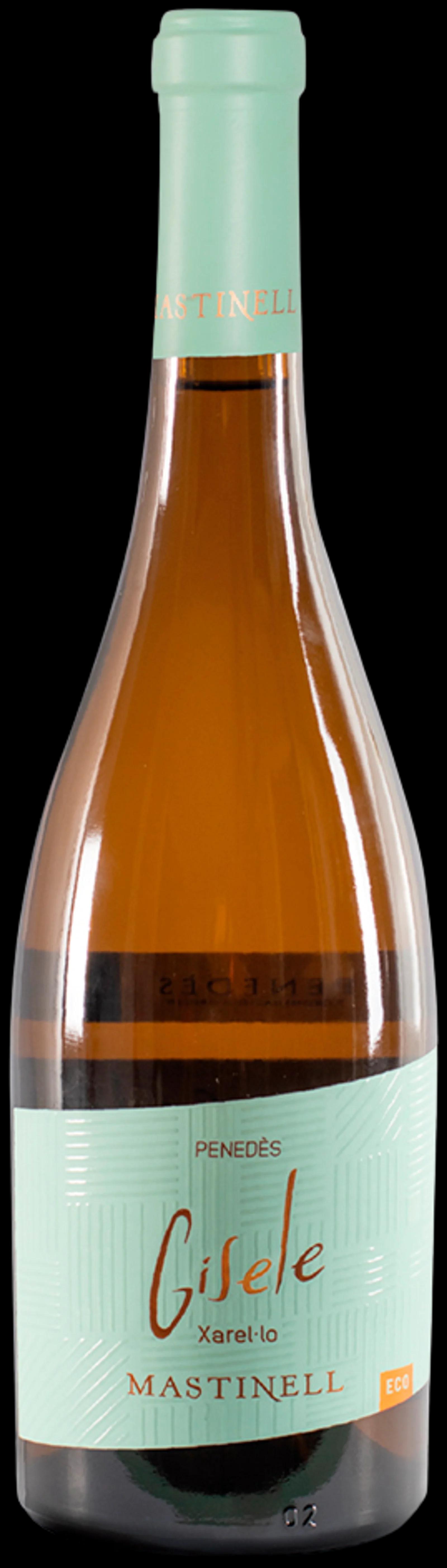
The Atlantic northwest and the inland plateau are essentially different wine countries. In Galicia, proximity to the ocean keeps temperatures moderate and rainfall high. Albariño vines grown on granite pergolas above the Rías Baixas estuary ripen slowly, finishing at 12.5 to 13% alcohol with intact acidity. Inland, in Castile and León, altitude compensates for the continental heat: Rueda sits at 700 to 800 metres above sea level, and that elevation preserves freshness in Verdejo that would be impossible at lower altitude. Catalonia adds another variable — Penedès and Conca de Barberà have producers working with Xarel·lo and Parellada at altitude, often under organic or biodynamic regimes, producing whites with a structural precision that has little in common with the same grapes used in mass-production Cava. Rioja Blanco, made primarily from Viura, has two identities: young, unoaked, and high-acid, or barrel-fermented and aged for several years, where it develops a waxy, oxidative character that puts it closer to aged white Burgundy than to any other Spanish white. These regional differences are not gradations of the same style — they are distinct wine types that happen to fall under the same national category. Producers, experts, restaurants, and wine lovers on the same platform, on the same terms — that is how Free Grape Society is built, and it is why you find producers from all of these regions here, not only the ones with the largest export budgets.
How Spanish white wine is made
The production decisions that shape Spanish white wine vary significantly by region and producer intention. In Galicia, stainless steel fermentation at low temperatures is standard practice for Albariño — it preserves aromatic precision and keeps the wine clean. But a growing number of producers in Rías Baixas are fermenting in old 500-litre barrels or clay amphorae, adding texture without oak flavour. In Rueda, early-morning harvesting is common because the summer heat arrives fast and the window for picking Verdejo at the right sugar-to-acid balance is narrow — sometimes a matter of days. Skin contact is being applied to Spanish white varieties more systematically than a decade ago. Garnacha Blanca and Xarel·lo respond well to 12 to 48 hours of skin contact, building phenolic structure that makes the wine more stable for ageing. For Godello, some producers in Valdeorras use sur-lie ageing for 8 to 10 months, stirring the lees periodically to add body. The result is a white wine with the weight of a light red and the acidity of something grown much further north. These are deliberate decisions, not the output of industrial process — and they are the reason the same grape from the same country can produce wines that taste structurally unrelated. Compare with white wines from other countries to see how differently the same production methods land in a different climate.